The “white cube” has dominated our thinking as the undisputed archetype of the modern museum for nearly a decade. With its pristine white walls, controlled lighting, and minimalist decor, the concept aimed at providing a neutral, almost religious setting, providing a neutral and solemn space for observing art without distraction. This model was very effective during the height of modern and contemporary art. Nonetheless, for the past few years, there have been critiques of the white cube as a sterile milieu, elitist, and divorced from the means by which it was situated in relation to art outside its walls.
A new, powerful global movement in museum architecture is emerging in reaction to this model. A new generation of museums is taking on designs that relate to their sites, are active, and experiential. They understand that the building is not a neutral vessel, but a tool for storytelling, that can elevate the experience for the visitor and bring their encounter with art and object into richer engagement. Museums in the Americas, Europe, and Asia are taking risks with the arrangement of space, allowing natural light to filter, and talking back to the landscape and city around them. These are the museums as destinations, as stories, as experiences.
Architecture as Storyteller
Arguably, one of the most important changes from the concept of the white cube is the inclusion of architecture as a narrative device, not purely contained by formalism but integrated into the museum’s overall purpose in both form and fabric. In addition to being specific to the museum context, these buildings are not universal “boxes” but are placed amid their historical, cultural, or geographical location.
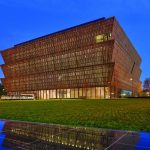
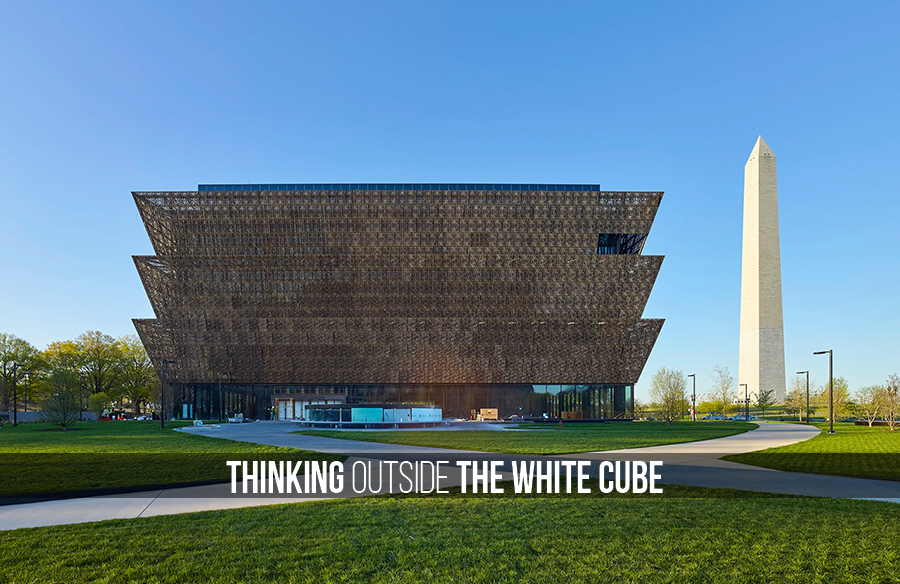
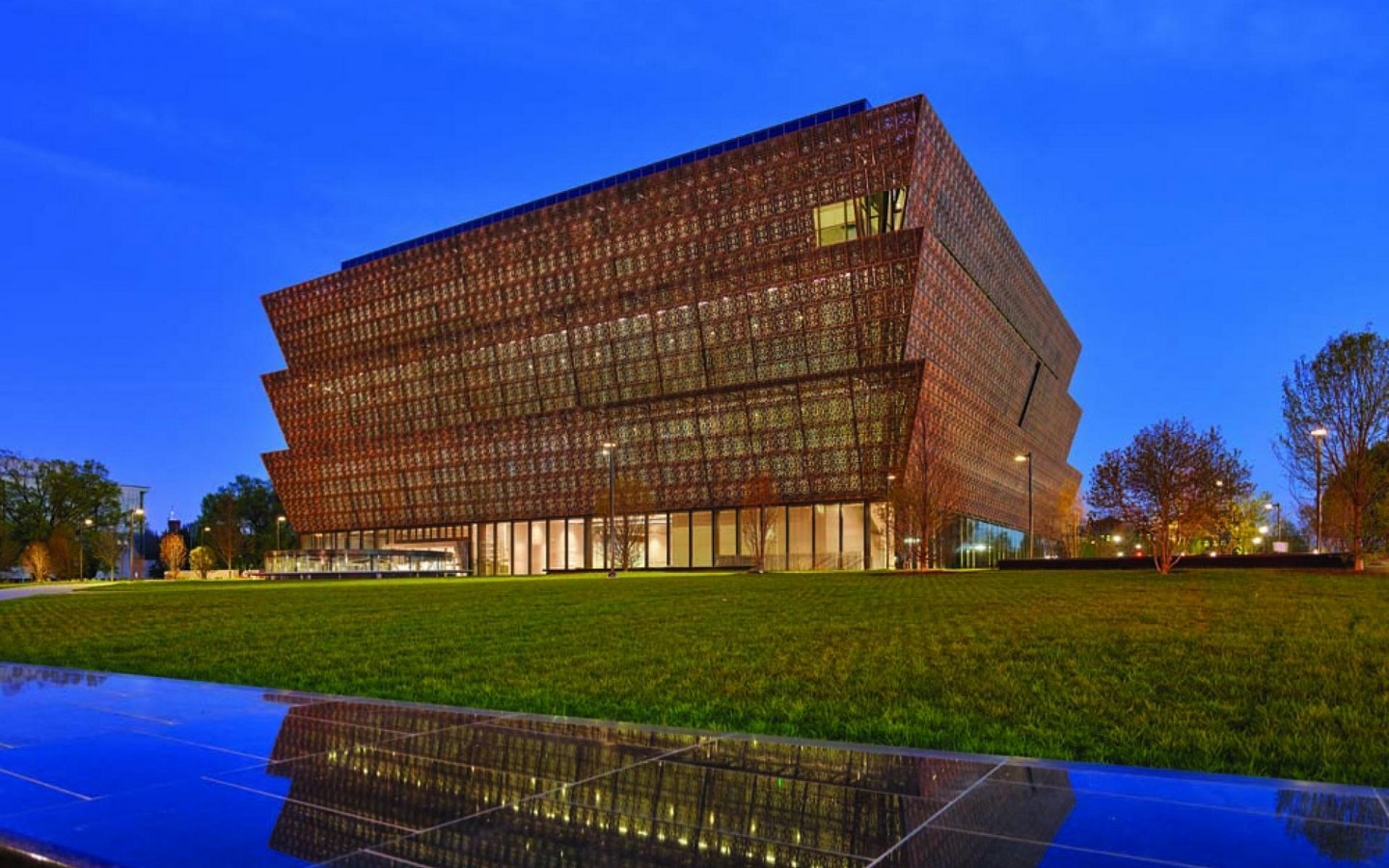
A perfect example of stories told through architecture is the National Museum of African American History and Culture (NMAAHC) located in Washington, D.C., whose design team included David Adjaye. This building is a case study in architectural abstraction, and the designers selected the unique three-tiered corona shape to recall the crowns from traditional Yoruban caryatids that originate from West Africa. They also emphasised bronze coloured latticing through the facade of the building as a nod to the ironwork of enslaved African Americans in cities like Charleston and New Orleans; it is a building that is not simply a museum with architecture, but a monument to the struggles, history, and contributions of African Americans.
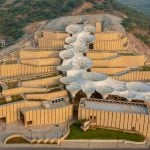
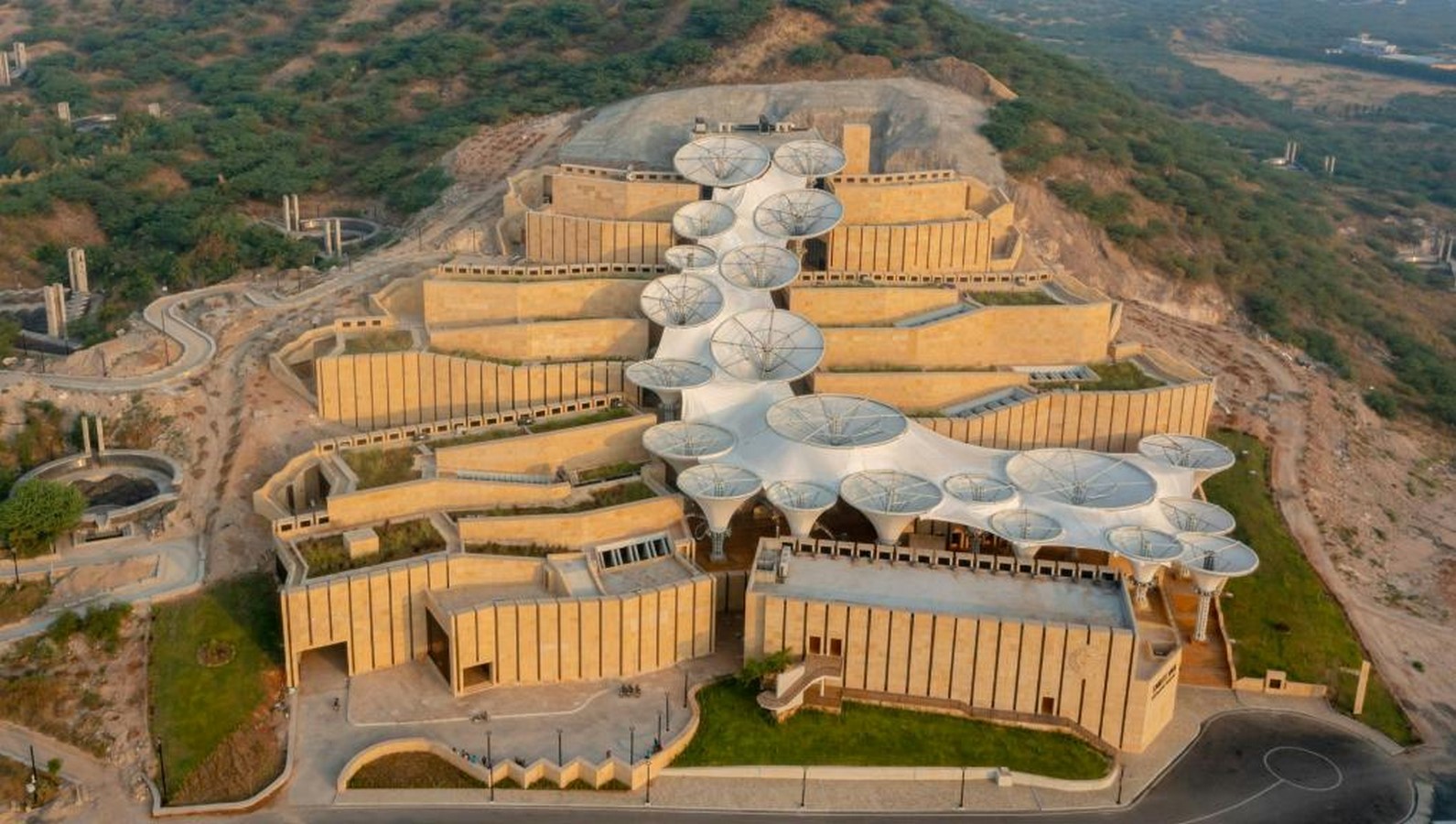
This tradition of incorporating narrative into the framework is resonantly refracted in Bhuj, India. The Smritivan Earthquake Memorial Museum, designed by Vastushilpa Sangath, is an extraordinary manifestation of human resilience. The museum is not a bold object, but rather, it is nestled into the topography of a hillside, its galleries developed with local stone and appearing to emerge from the earth. It tells a story of loss and renewal, and it moves visitors through a promenade with views of the rebuilt city, and it draws visitors into a living memorial forest. The building cannot be separated from its site and its solemn intent.
Fluidity and Discovery
The traditional galleries call for a fixed, linear journey, whereas the architects of today are beginning to create spaces that are more fluid and interconnected, that invite exploration and surprise. They are taking innovative approaches that do not prescribe a specific path, but allow room for personal discovery.
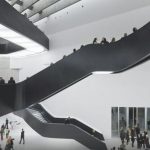
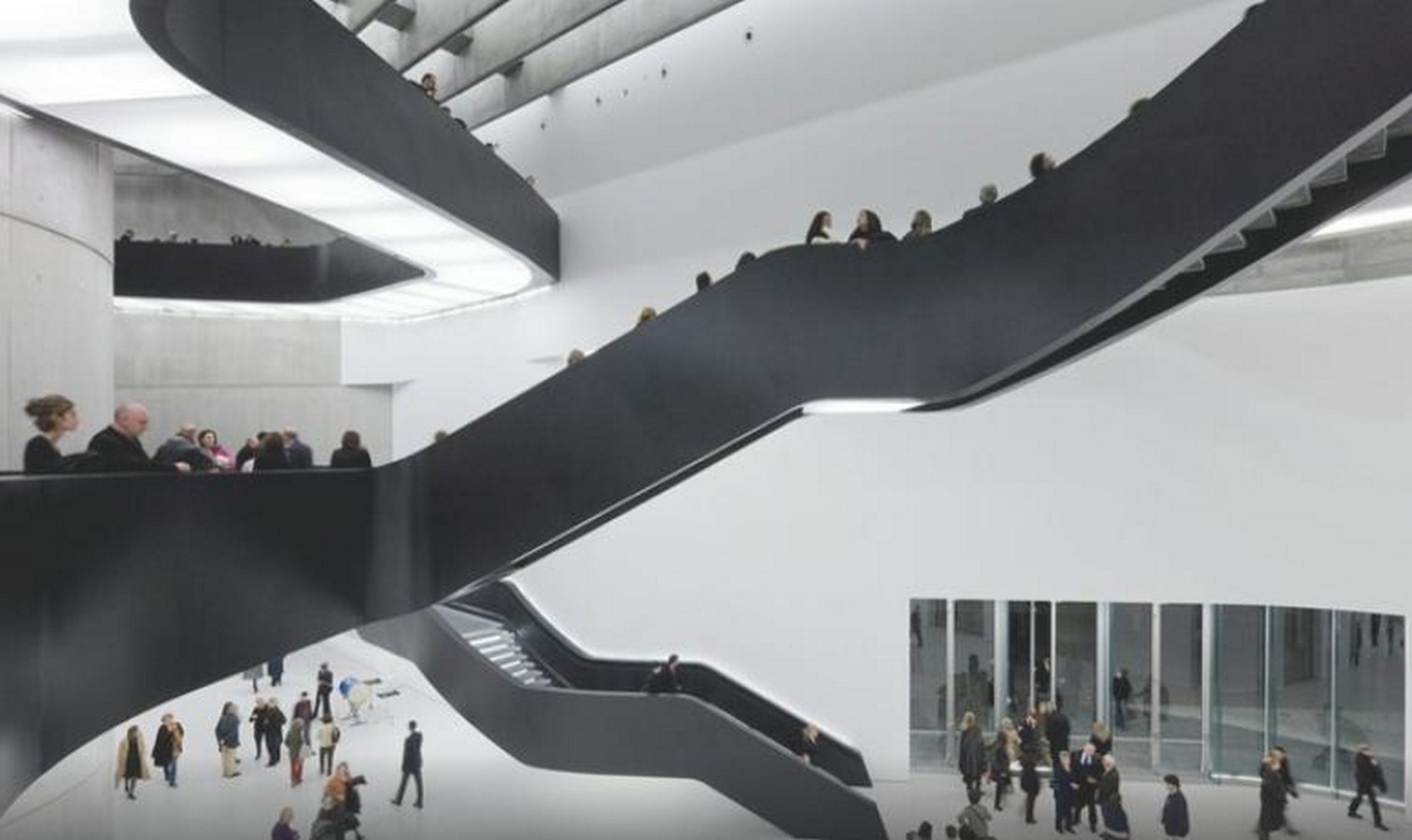
The late Zaha Hadid was a pioneer of this design philosophy, and her MAXXI National Museum of 21st Century Arts in Rome is an example. The museum rejects a concept of fixed rooms, but rather envisages a dynamic flow of concrete ribbons which cross, intersect and overlap in a winding ribbon of galleries, bridges and open spaces. Consequently, the path of the visitor is not predetermined; he can meander and come across art from unexpected angles and perspectives in a building that invites visitors to impose a sense of frank movement.
In Patna, India, the Bihar Museum by Maki & Associates (Japan) and OPOLIS Architects (Mumbai) seeks to enact this philosophy through alternative vocabulary. Instead of a museum, the Bihar Museum invokes the image of a “campus” or a “village,” which is a series of blocks not as a single complex but as a series of blocks interconnected by elongated corridors and nodes of landscaped courtyards. The use of these courtyard and corridor links allows us to break away from the room-by-room, monolithic museum experience, to a more human-scaled exploration of the museum; movement between galleries and through the open-to-sky corridors and green spaces becomes as fundamental to the experience as the act of viewing the art itself and offers an exploratory way of experiencing, as opposed to a programmed line-feeding exercise.
A Dialogue with Nature
While the white cube often literally and symbolically swept out the exterior world, many contemporary museums now are intentionally allowing the distinctions between the internal and external to dissipate. By working with natural light, landscapes, and vistas, they seek to create a conversation between art and its location.
Renzo Piano’s Fondation Beyeler in Riehen, Switzerland, is a brilliant example of how effective this can be. Set in a tranquil park, this long, elegant building, pieced together with expanses of glass walls and delicately filtered skylights, creates a constant flow of natural light in the galleries. The dynamic quality of daylight and the constant visual relationship to the surrounding trees and ponds allow the visitor to engage with the art in a way that embraces nature, rather than in the stilted, controlled conditions found in traditional galleries.
Likewise, the Louisiana Museum of Modern Art in Denmark, notable for its restrained architecture that is subordinate to the remarkable coastal site, features glass-walled corridors that connect a series of pavilions, which parallels the visitors’ path through a sculpture park that offers views over the Øresund strait. It’s a unifying experience of art, architecture, and landscape, where one mutually amplifies the others and the premise of integrating landscape creates a more rounded and relaxing environment for contemplation.
Materiality and Sensory Engagement
In addition to purely visual aspects, contemporary museums are now opportunities to engage other senses through careful selection of materials, textures, and sounds. The building itself is also a sensory experience and is tangible with the various kinds of touchable layers of material subjectively. Peter Zumthor‘s Kolumba Museum in Cologne, Germany, embodies this perfectly. The Kolumba Museum was constructed on the ruins of a Gothic church and creates a hybrid between old and new architecture with incredible sensitivity. The museum’s brick facade (perforated through its form) creates extraordinary light and shadow internally, and the stone, steel, leather, silk and other materials blended with consideration of sound produce an atmosphere of deep stillness and contemplation. It is a space to be enjoyed by the whole body and not simply visually.
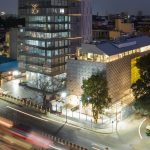
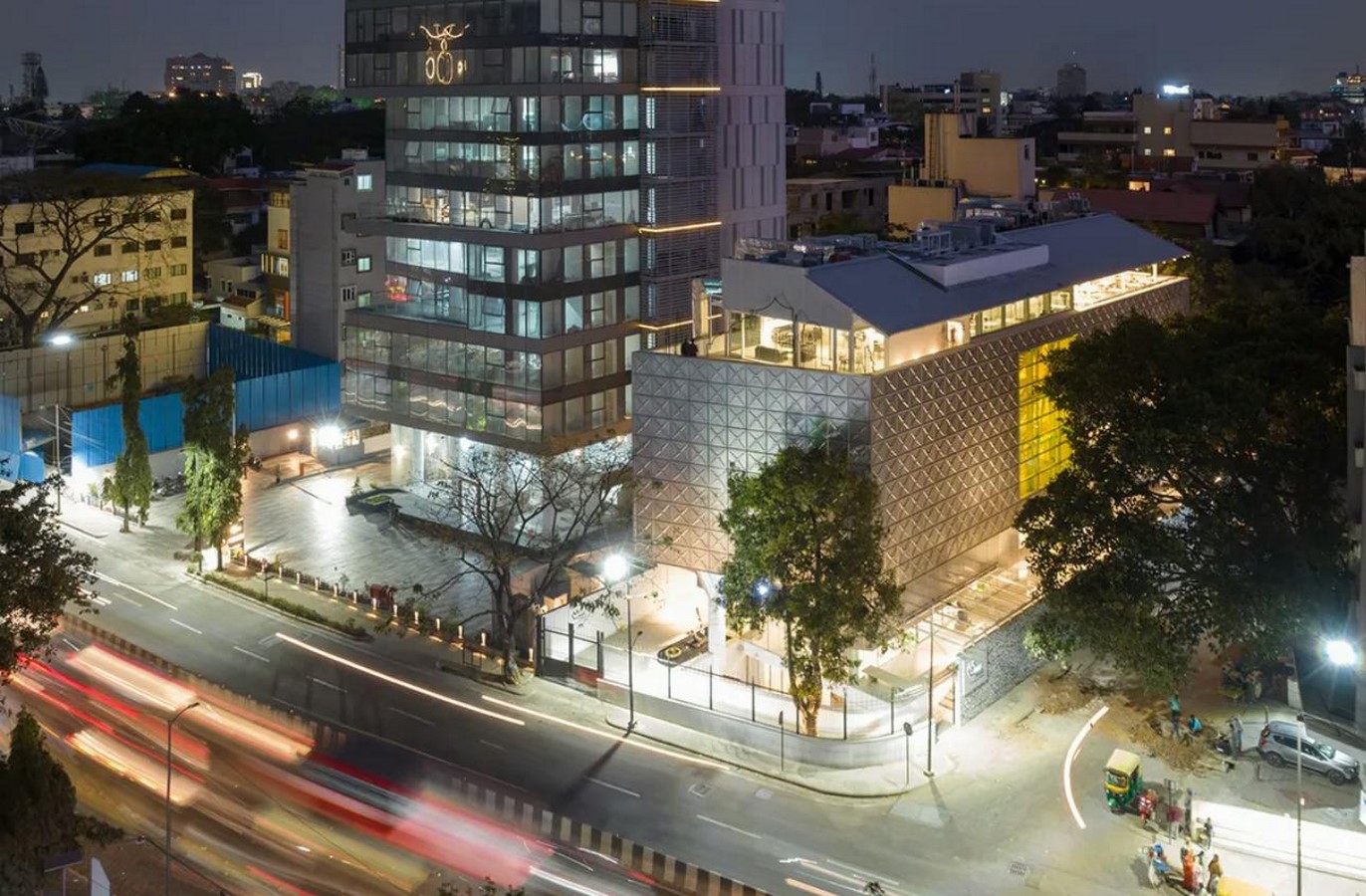
The Museum of Art & Photography (MAP) in Bengaluru, India, by Mathew & Ghosh Architects, makes a dramatic sensory statement through its facade. The architects referred to the metaphor of a ‘Tanki’ (water tank), and the embossed stainless steel cladding skin of the museum provides it with a unique tactile and visual identity within the urban fabric. The heavy, storage-like, industrial skin creates a deliberate contrast to the carefully controlled, inert galleries behind, while also helping to create a clear journey from the stimulated and reflective outside world to the quieter, contemplative interior space that is committed to art.
The Future of the Museum Experience
The global shift away from the sterile white box of a museum is a revolutionary reconsideration of the museum as a place for one particular cultural experience. The museums are now embracing context, encouraging interaction and exploration, creating opportunities for engagement with nature, and accessing more than one of our senses. The architecture is not passive anymore; it is not just a stage for a cultural event. This change is not just about performing architecture for the sake of performance, but about creating more real connections between the visitor and the collection, and the surrounding world.
This change allows a visitor to move from a passive visitor to an active participant who is invited to be a co-author of their own story within the architected visitor journey. These cultural institutions not only present history, but they are also now a site of dynamic civic conversation and cultural practice that can continue into the future. The architectural form also presents an inspiration to civic and cultural spaces globally to celebrate their distinctive past while also moving to a future that is all their own. At the end of the day, the 21st-century museum pretends not to be a place to view things but rather a way to look, connect, and situate ourselves in a greater story.
References-
Zaha Hadid architects (no date) MAXXI: Museum of XXI Century Arts – Zaha Hadid Architects. Available at: https://www.zaha-hadid.com/architecture/maxxi/ (Accessed: 15 August 2025).
Welcome to smritivan (no date) Smritivan Earthquake Museum. Available at: https://www.smritivanearthquakemuseum.com/ (Accessed: 15 August 2025).
National Museum of African American History & Culture. Available at: https://nmaahc.si.edu/ (Accessed: 14 August 2025).