Adaptive Reuse has blended the past with the future, along with a seamless and powerful trend in urban development. The approach brings fresh opportunities for sustainable growth, economic development and community revitalisation to preserve the historical and cultural essence. It is the process of retaining the historic features of old buildings and repurposing them for new uses. Adaptive Reuse helps meet history with contemporary needs, like converting a railway station or a residence into a museum.
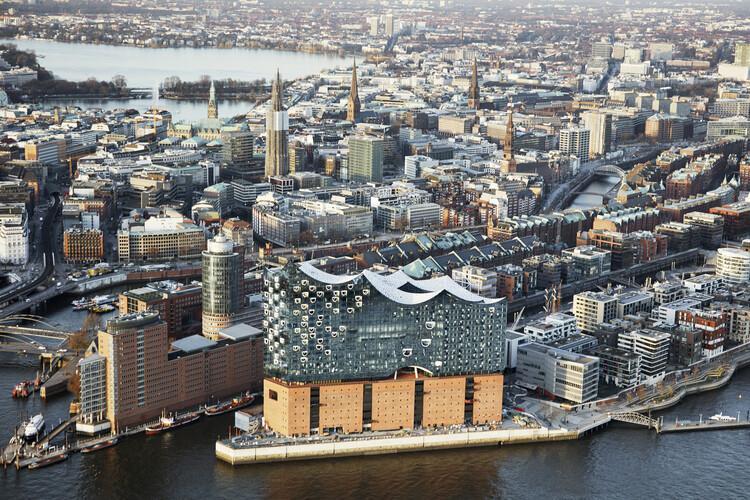
Importance of Adaptive Reuse
Environmental Sustainability: The environmental benefits help minimise waste and lower the carbon footprint by reusing the existing structures, which results in less use of new construction materials. The older buildings generally perform better with overall energy consumption than the newly constructed buildings, as they are retrofitted with modern energy-efficient systems. In the current report by the National Trust for Historic Preservation, adaptive reuse reduces the environmental impact by 30-50% to new construction.
Economic Advantages: This method is more cost-effective than new construction and helps maintain the economic stability in the market. The new technology helps the older buildings become strong and durable structures, which can be restored at a lower cost. This helps attract employment and boost the local economy for a better standard of living. This also leads to increased property values, which contribute to the economic revitalisation of surrounding areas.
Cultural and Community Value: The architectural heritage of a community is preserved due to adaptive reuse, where the historic buildings serve as landmarks and enhance the neighbourhood. The communities maintain a connection to their past by creating spaces that are relevant and useful to the present by repurposing the old structures.
Key Strategies in Adaptive Reuse
Façade Retention: This is a strategy where the exterior is preserved and the interiors are restructured according to the use and surroundings. It maintains the historical and architectural significance that preserves the visual community in the community. The interiors that are newly designed help meet the modern standards and functionality that blend both old and new perspectives.
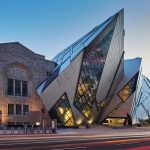
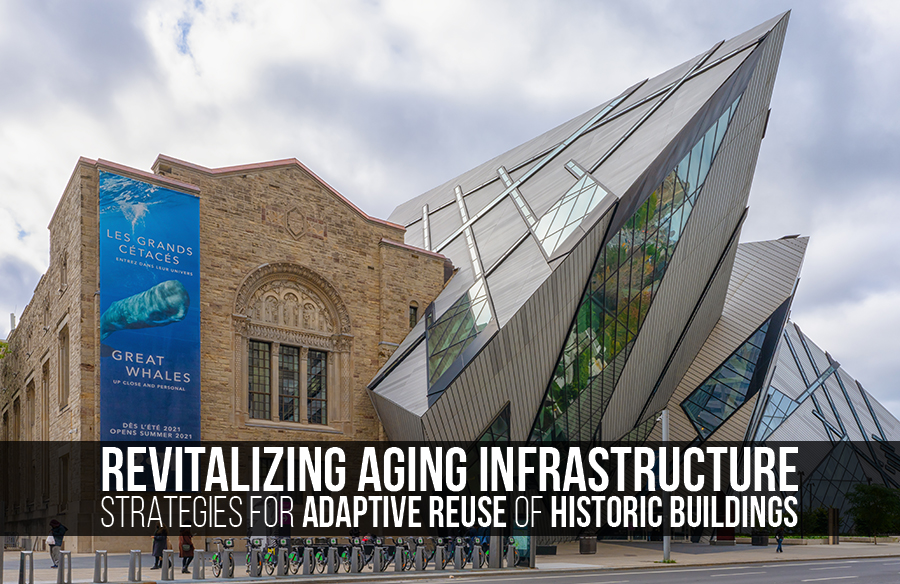
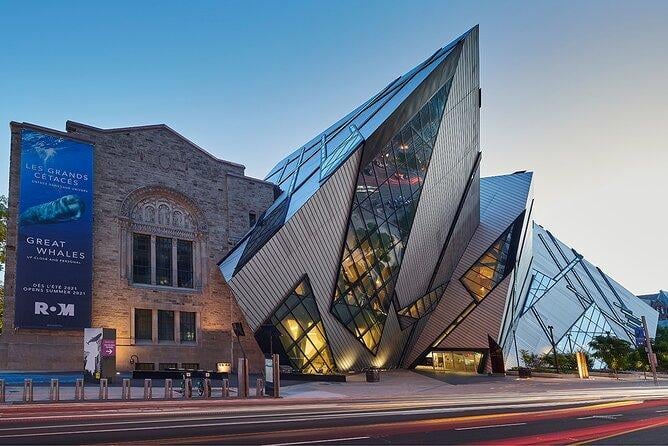
Integration: The integration involves combining an existing historic building with new architectural elements. This creates different eras of architecture by adding new facilities to spaces, maintaining the historic character. The Royal Ontario Museum in Toronto, Ontario, is an original building that was integrated with a modern Crystal addition in 2007. The new structure complements the old, which provided additional space for exhibition that blends both historic and contemporary design.
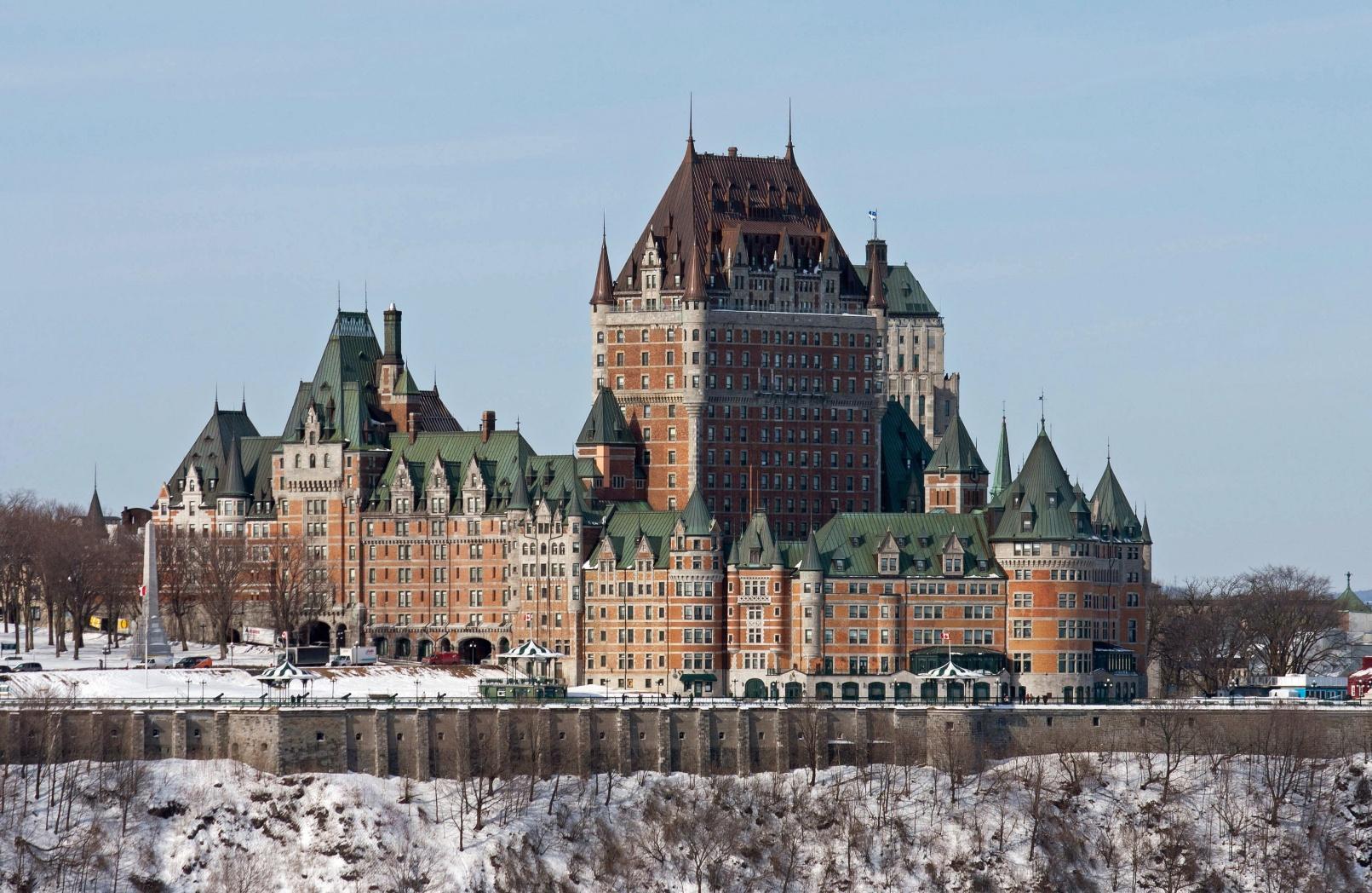
Renovation: This strategy involves updating and modernising the interior and exterior by retaining the original character and structure. This creates a functional building for new uses and preserves original material and design. This method is used when the structural integrity is sound and needs modernisation for the current use. In Quebec City, the Fairmont Le Château Frontenac underwent renovation that preserved its appearance while modernising the interior to meet contemporary standards. The hotel remained functional, which appealed to the modern guests while maintaining its historic charm.
Infrastructure Enhancement: This involves updating and improving the essential services and systems within a historical building while also preserving the exterior and structural integrity. This helps make the older buildings safe and comfortable for modern use while meeting the building codes and energy efficiency standards. The Historic office towers in Toronto have undergone updates in their infrastructure systems, which remain functional and efficient by maintaining their modern designs.
Heritage Preservation: This mainly focuses on protecting and maintaining the historical and cultural significance of buildings. The strategy emphasises preserving the original structures, materials and design. This approach believes in maintaining the true authenticity of the building and allowing only minimal alterations to the building.
Case Studies of Adaptive Reuse
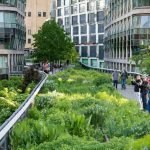
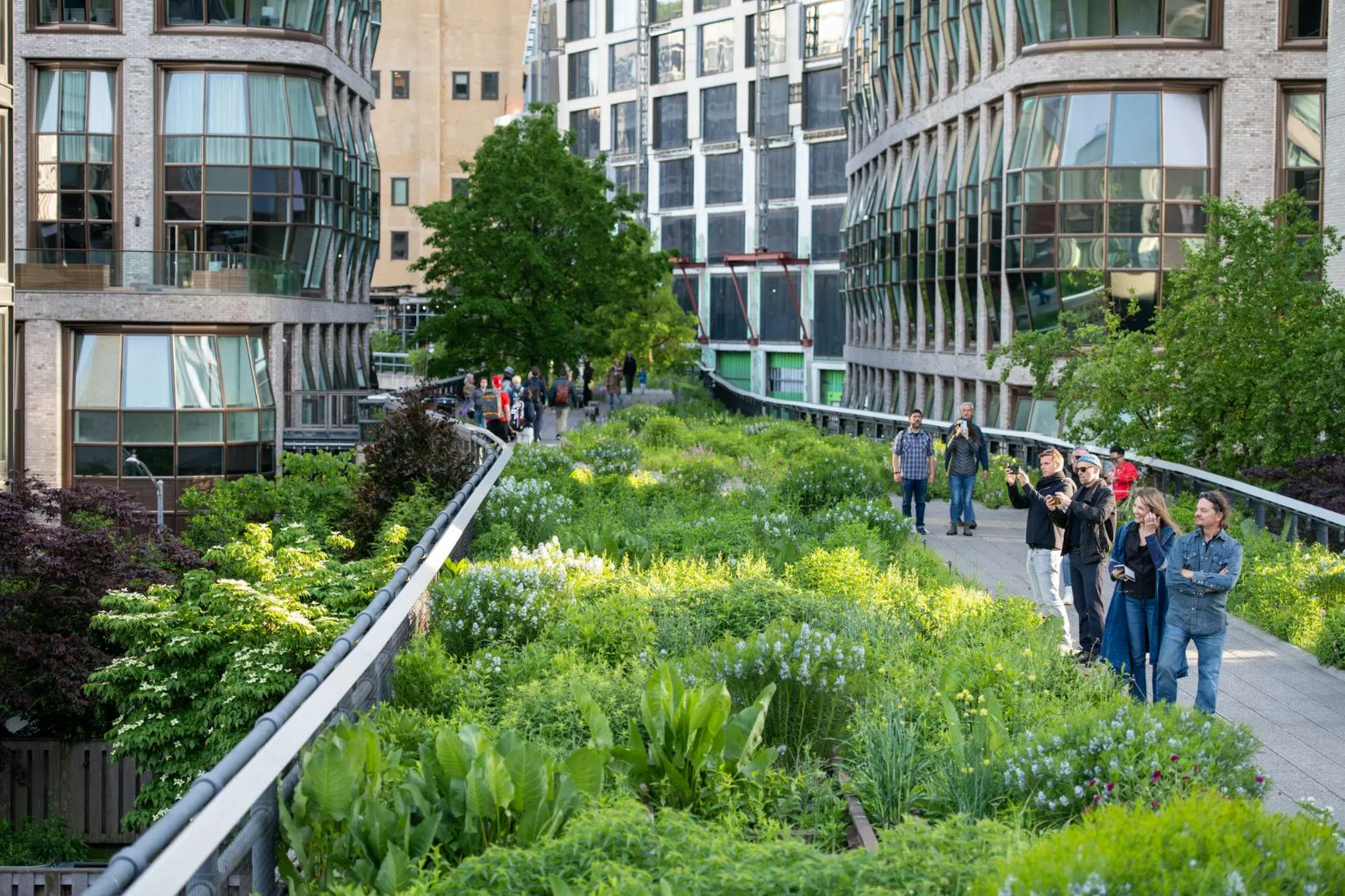
The High Line, New York City: The High Line in New York City is an abandoned elevated railway turned into a linear park. This project successfully repurposed a piece of the city’s industrial past, preserving its structure while creating a unique public space for recreation and art.
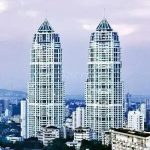
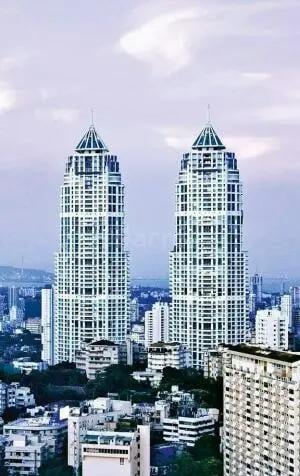
The Imperial, Mumbai: The structure involves repurposing historical buildings for new uses while preserving their architectural and cultural significance. This approach addresses the city’s need for space and development while honouring its rich heritage, promoting sustainability, and revitalising neighbourhoods.
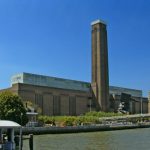
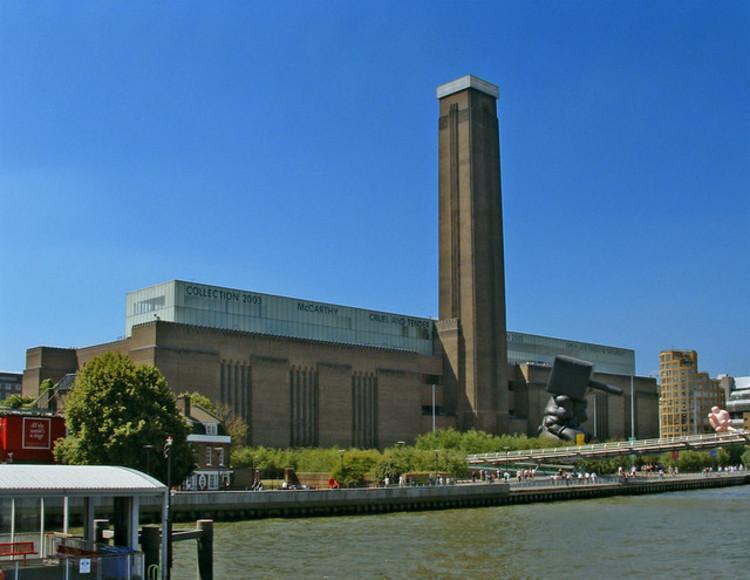
Tate Modern, London: the structure was transformed into one of the world’s most visited modern art museums. It retained the industrial brick façade and turbine hall and added galleries and public spaces by maintaining its contemporary style.
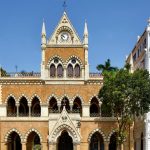
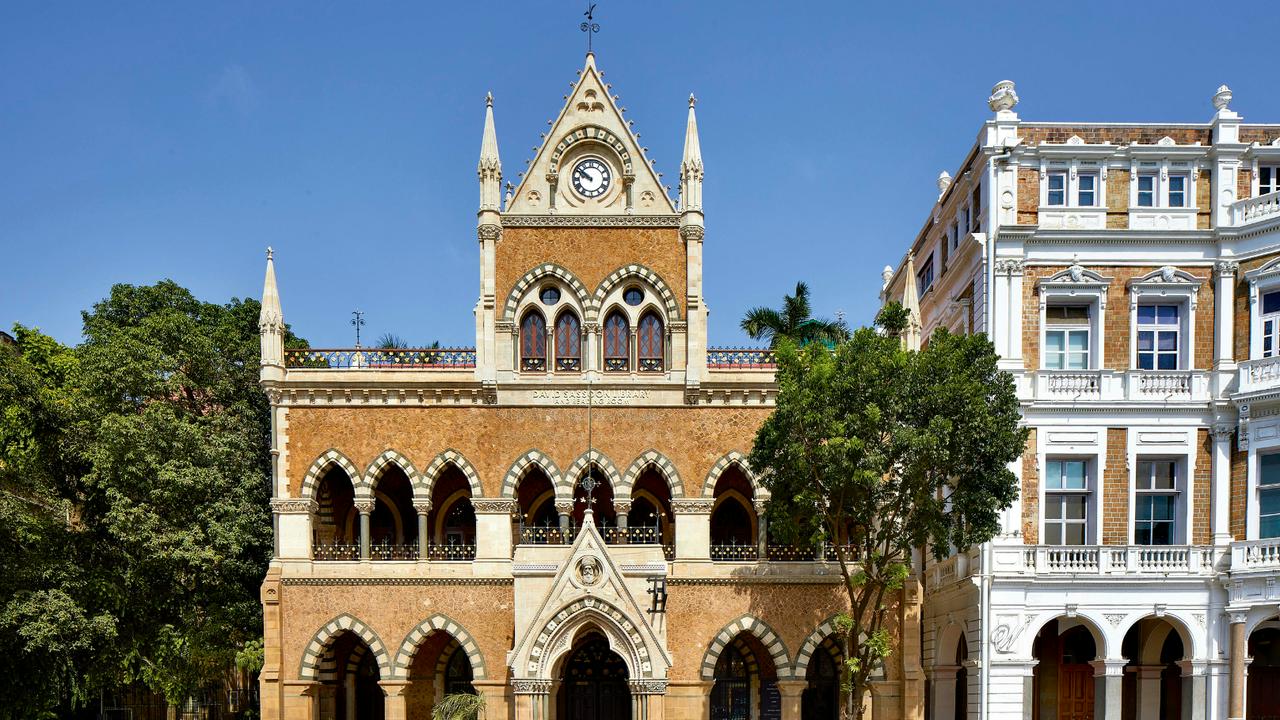
David Sassoon Library & Reading Room, Mumbai: This Venetian Gothic building was restored to serve as a public library and cultural space. It was upgraded with modern facilities by retaining its historic stonework and interiors.
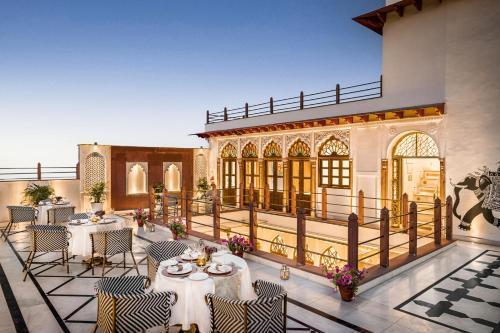
Haveli Dharampura, Delhi: This haveli in Chandni Chowk is a 200-year-old Mughal-era building that was restored and adapted into a heritage cum boutique hotel. This was the first project of Old Delhi that incorporated modern hospitality amenities while also preserving the original architecture.
Adaptive reuse preserves our cultural heritage, mainly of the historic buildings, which helps them meet the contemporary functional needs. This helps to reduce the environmental impact and encourages integration of modern systems with traditional structures to enhance the identity of communities, which in turn also expands the lifespan of the ageing infrastructure. This approach respects the original structure and provides value to the future by creating a balance between preservation and innovation. These strategies serve the upcoming generations and connect them with their past by protecting history and creating spaces that are economically viable.
Citations:
- Adaptive Reuse as a Strategy for Sustainable Urban Development and Regeneration (2023) Archdaily. Available at: https://www.archdaily.com/970632/adaptive-reuse-as-a-strategy-for-sustainable-urban-development-and-regeneration(Accessed: 7 August 2025).
- Adaptive reuse of heritage buildings; a systematic literature review of success factors (2023) ScienceDirect. Available at: https://www.sciencedirect.com/science/article/pii/S0197397523001868(Accessed: 7 August 2025).
- Key factors for revitalising heritage buildings through adaptive reuse (2019) Buildings and Cities. Available at: https://journal-buildingscities.org/articles/10.5334/bc.495(Accessed: 7 August 2025).
- How adaptive reuse can help reimagine, repurpose and revitalize cities (2025) World Economic Forum. Available at: https://www.weforum.org/stories/2025/04/how-adaptive-reuse-can-help-reimagine-repurpose-and-revitalize-cities/(Accessed: 7 August 2025).