In the grand theatre of architecture, where concrete ambitions and glassy aspirations soar skywards, it is often easy and dangerously tempting for the modern architect to be trapped by the seductive symphony of futurism. Steel-framed dreams and AI-generated parametrics fill our design studios, while the whispers of the past grow faint, relegated to the footnotes of architectural syllabi. Yet it is in these whispers that one often finds the most profound truths, truths that heritage courses dutifully and diligently uncover.
To study heritage is not merely to romanticise ruins or to fixate on fading frescoes; it is to interrogate identity, to understand context, and to engage with the cultural substratum of space-making. For architects, the study of heritage is not an elective indulgence; it is a vital pursuit, but a moral imperative.
Reading the Layers of Time
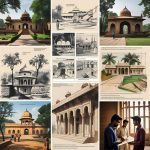
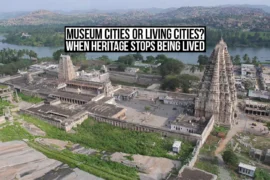
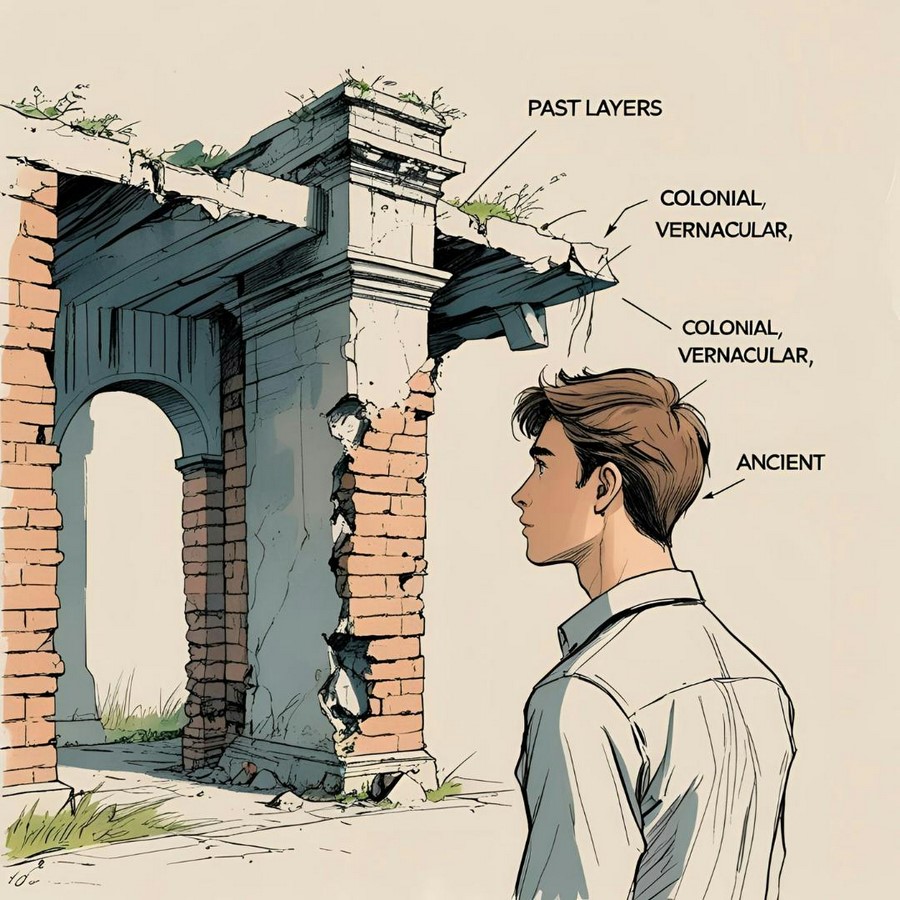
At the heart of heritage education lies the capacity to read time, not merely to observe it as chronology, but to understand it as a palimpsest where each layer of the built form carries residues of historical, political, and cultural significance. A temple in Tamil Nadu is not just a structure; it is a spatial biography of dynasties, deities, artisans, and communities. A Mughal garden is a manuscript of metaphysics rendered in horticulture and symmetry.
Courses in heritage empower architects to decipher these nuanced narratives. They enable the future designer to see a crumbling haveli not as an impediment to development but as a living archive of vernacular genius. In so doing, they shift the architectural gaze from mere object-making to meaning-making.
Tradition as Technology: The Sustainability of the Past
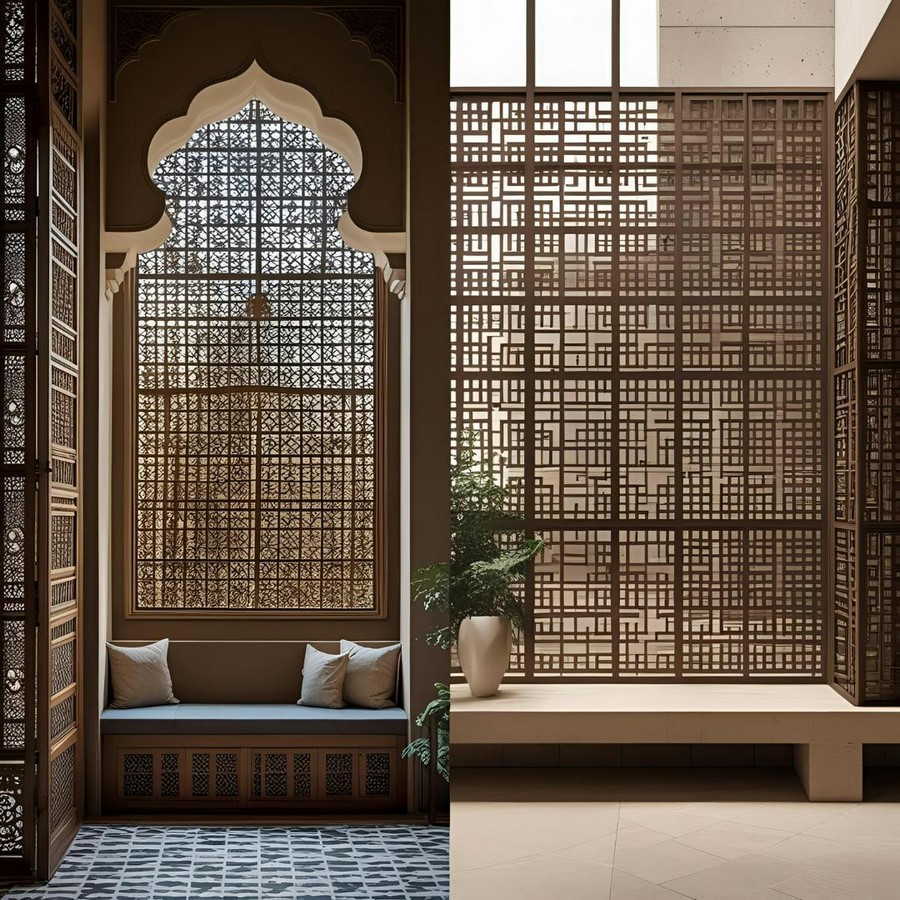
In an era where sustainability is the latest trend in design, heritage offers answers that predate carbon calculators. The baolis of Gujarat, the stepwells of Rajasthan, the wind towers of Yazd, and the thick adobe walls of Ladakh are testaments to a time when architecture was attuned to its climate, not at odds with it.
A heritage-imbued pedagogy equips architects with knowledge of indigenous materials, traditional construction systems, and passive design strategies—insights that are not only environmentally sagacious but economically viable. It challenges the fallacy that innovation requires reinvention, and instead proposes a more elegant axiom: that innovation often lies in reintegration.
Architecture as Cultural Cartography
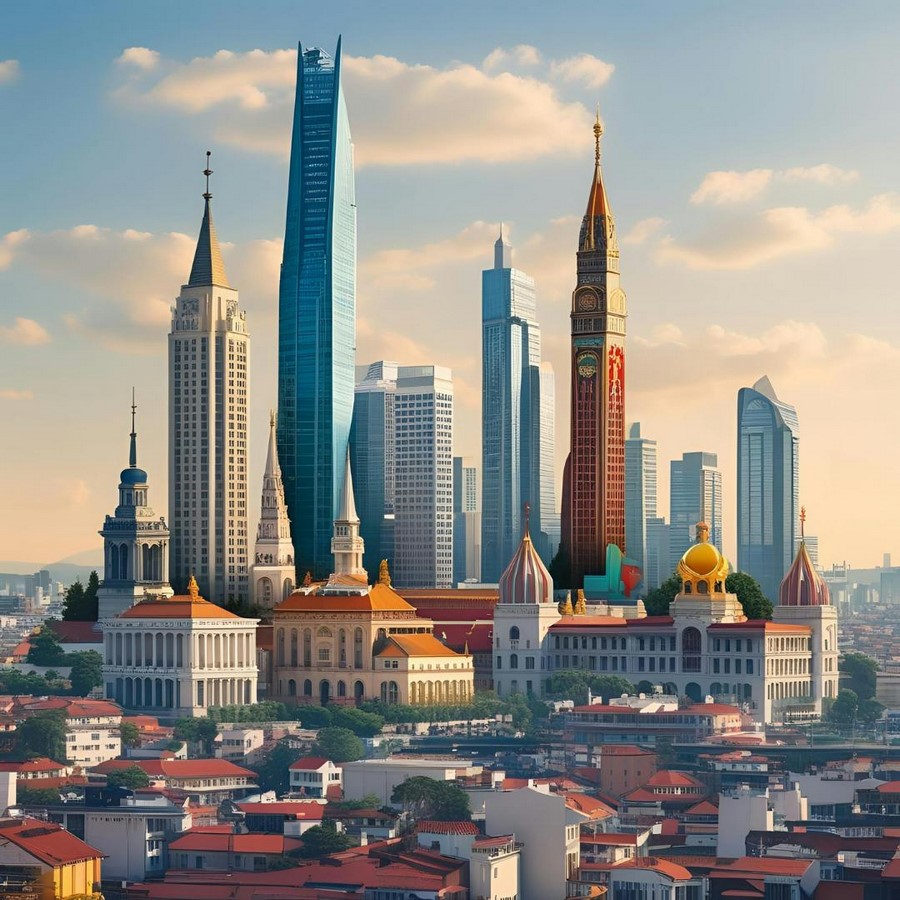
Architecture, when stripped of its cultural signifiers, becomes little more than commodified space. Global cities today suffer from a certain aesthetic amnesia—a sameness perpetuated by glass façades and imported aesthetics. Heritage education resists this homogenisation by anchoring design in local identity.
When architects are trained in the cultural codes of heritage, they do not merely preserve monuments, but they cultivate memory. Whether it is the revival of an urban square through placemaking, the adaptive reuse of a colonial bungalow, or the insertion of contemporary structures that respectfully dialogue with heritage precincts, such design sensibilities create continuity in urban narratives.
The Ethical Architect: From Draftsman to Diplomat
Heritage is not neutral ground. It is contested terrain—often at the volatile intersection of religion, politics, economy, and memory. To work in heritage is to grapple with the ethics of representation and erasure. Whose history gets preserved? Who decides what is ‘authentic’? What is the fine line between restoration and romanticisation?
Courses in heritage nurture this critical consciousness. They cultivate architects not merely as designers, but as diplomats of culture—negotiators of conflicting narratives, stewards of legacy, and mediators between past and present. In doing so, they extend the architect’s mandate beyond the blueprint into the realm of cultural custodianship.

New Avenues, Noble Pursuits: Careers in Conservation and Beyond
While mainstream architectural pedagogy hurtles towards hyper-modernity, heritage opens new avenues of professional relevance. From conservation architecture and heritage tourism to cultural policy and archival documentation, the field is ripe with possibilities.
Globally, institutions like ICCROM, ICOMOS, and the Getty Conservation Institute are welcoming architects who are as well-versed in charters as they are in CAD. Domestically, organisations such as INTACH, the Aga Khan Trust for Culture, and regional heritage cells require minds that are both technically astute and historically sensitive. Indeed, heritage is no longer a niche—it’s a necessity.
Towards a More Reflective Modernity
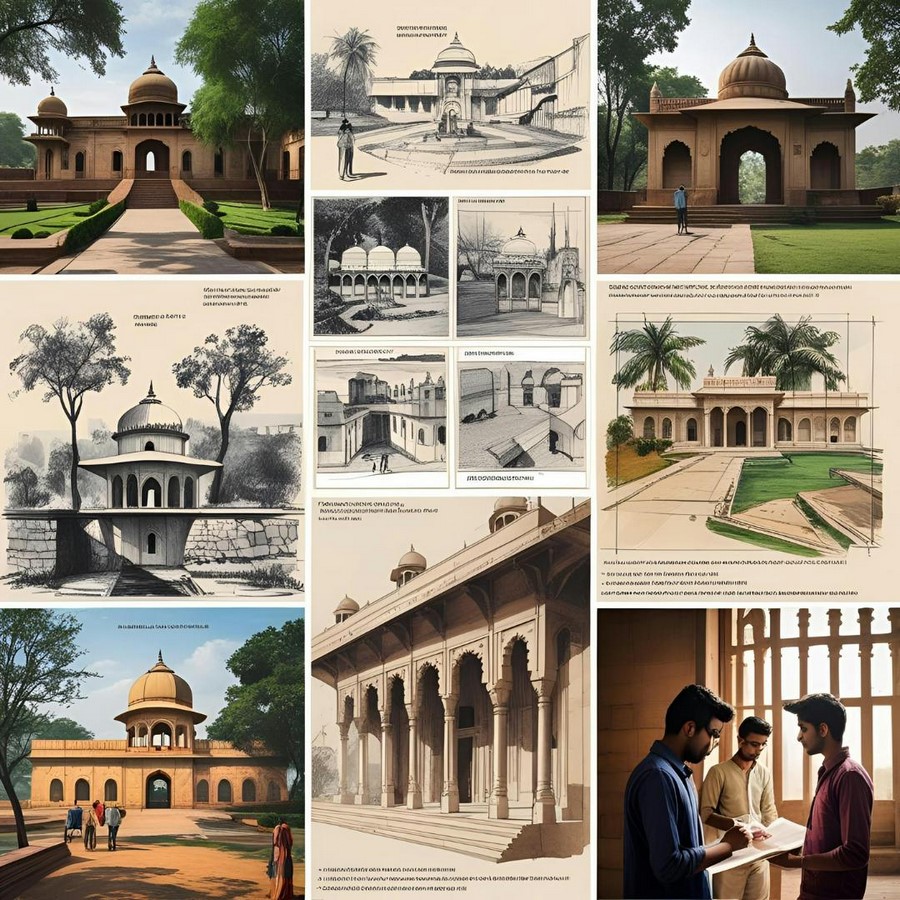
In the final reckoning, heritage education does not seek to fossilise the past, nor to shackle the architect to tradition. It rather offers a reflective modernity—an architecture that remembers even as it reimagines. It gives rise to buildings that speak, not shout; that dialogue, not dominate.
As Indian architect Rahul Mehrotra notes, “The most sustainable form of architecture is not one that merely endures, but one that evolves meaningfully.” Heritage courses enable precisely this evolution, nurturing architects who can build not just for the now, but for the forever.
For in architecture—as in life—the past is not a burden to escape, but a bridge to carry us forward.
References:
- Mehrotra, Rahul. Working in Mumbai. Urban Design Research Institute.
- Menon, A.G.K.. “Heritage and Development: A Postcolonial Dilemma.” Context, ICOMOS India.
- INTACH. Heritage Education and Communication Services.