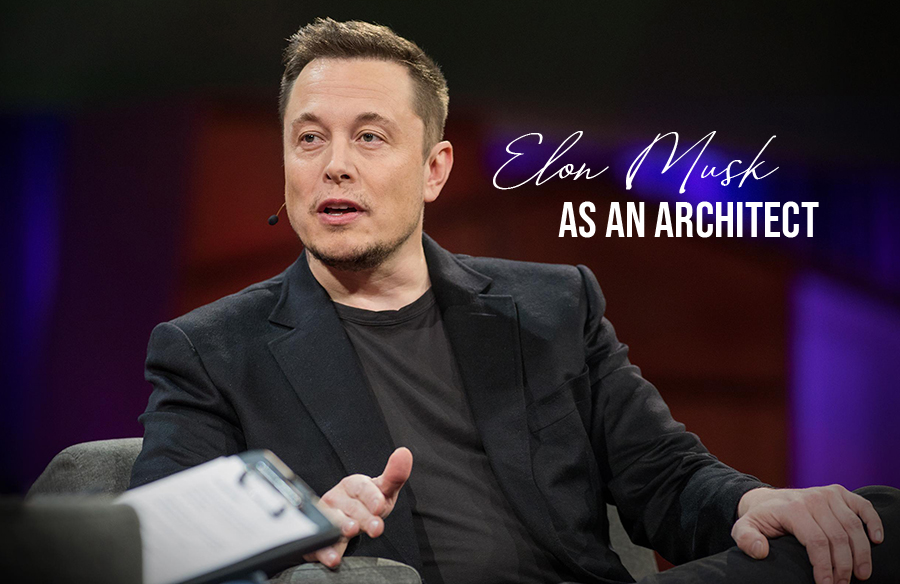
Architecture sits in a peculiar position in the creative world, neither fully art nor wholly science. It resists simplification, and yet every so often we try to draw parallels between its practice and that of a singular genius, an artist, a scientist, or, as is the case this week, a celebrity like Elon Musk.

Musk’s cult of personality makes him an irresistible subject for imagining what kind of architect he might be. Would he design sleek, Mars-ready pods shaped by aerodynamic efficiency? Brutalist techno-utopias lined with solar panels? Likely, yes. However, this thought experiment reveals something more profound: it underscores our tendency to associate architectural brilliance with individual vision, a quality that architecture, unlike most other creative fields, actively resists.
Architecture as Collective Art
In this sense, architecture is more like cinema than sculpture or painting. A good film is rarely the result of one brilliant actor. It’s the combination of the script, the set, the director’s vision, the lighting, and the editing, each part needing to align to produce something greater than its parts. The same is true for architecture.
Even when we praise ‘starchitects’, what we are often actually seeing is the outcome of a vast ecosystem of collaboration: engineers, consultants, builders, clients, communities, policymakers, and, increasingly, environmental analysts and social scientists. A misstep in any part of that network and the project falters, no matter how brilliant the designer’s initial sketch might have been.
Musk’s approach to innovation, by contrast, is highly individualistic. His companies follow top-down models, where his personal vision shapes the outcomes to an extreme degree. But if Musk were an architect, would this work? Could a singular vision create architecture that meets the physical, emotional, cultural, and social demands of a place and its people?
Probably not. Not if it’s meant to stand the test of time, serve diverse users, and integrate with its context.
Talent vs. Individuality
This raises the old question: Does architecture require talent, or individuality? Can one exist without the other?
In traditional art forms such as painting, sculpture or music, individuality often amplifies talent. Artists are encouraged to develop a ‘voice’ or signature style. But in architecture, too much individuality can become a liability. A home designed purely as an artistic statement might alienate its occupants while fighting against the urban context. A hospital that prioritises aesthetic innovation over patient needs risks becoming a monument to ego, not service.
And yet, talent is crucial. Great architecture requires spatial intelligence, poetic sensibility, problem-solving, and conceptual clarity. What’s difficult is that architectural talent must often be expressed through other measures and perspectives, such as the builders, codes, budgets, and deadlines. It is an artistic form that, paradoxically, demands the subjugation of ego to process, to collaboration, and to constraint.
Elon Musk may indeed have the confidence and brainpower to conceive of buildings, but could he work within this ecosystem? Could he compromise, listen, interpret, and respond to context, not just impose a vision? This is where architecture reveals its resistance to the ‘solo genius’ myth. The very nature of the discipline decentralises power, even as it celebrates authorship.
Beyond the Star System
Architectural history, too, reflects this tension. Frank Lloyd Wright and Le Corbusier cultivated myths of individual brilliance, but behind them were often huge teams, uncredited collaborators, and, more importantly, cultural contexts they built upon or erased.
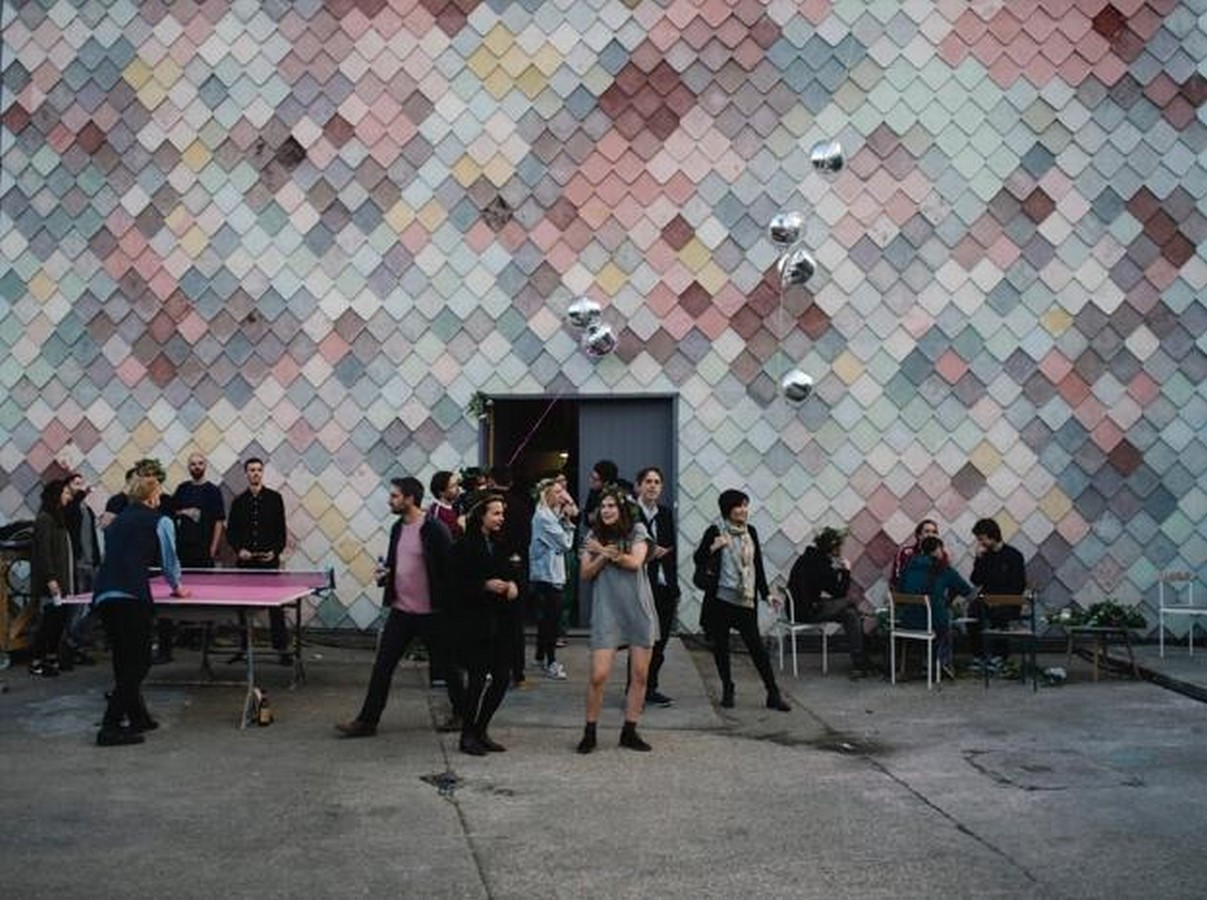
More contemporary practices like Assemble Studio in the UK, or in Australia, Indigenous-led collaborations such as the Nguluway DesignInc or the Firesticks Alliance work with collective agency, co-authorship, and long-term engagement with communities. These models challenge the idea that architecture must be ‘authored’ in the way art is. They reflect a reality closer to the movie production model: if all roles align, the outcome is powerful. If not, even the most promising concept falls flat.
Which brings us back to Musk.
What if we stopped trying to imagine Elon Musk as an architect and instead asked what architecture might need from someone like Musk? Ambition, sure. Investment in big ideas. Perhaps an eye on future technologies. But also, a humility to understand that buildings aren’t rockets or code, they exist in the messy, material, and social fabric of everyday life.
Conclusion: Architecture Is Not a Solo Sport
At its best, architecture transcends the individual. It channels creativity through collaboration. It holds space for both scientific precision and emotional resonance. It is an art, but not of the kind that hangs in a gallery. And it is a science piece, but not one that thrives in a vacuum.
If Elon Musk were to become an architect, he would have to let go of the myth of the singular visionary and embrace the far more difficult, more grounded work of collective creation.
Because unlike a tech company, a building cannot be patched with software updates. It lives with us, around us, for decades or centuries. And for it to serve, and not just impress, it must reflect more than one mind.