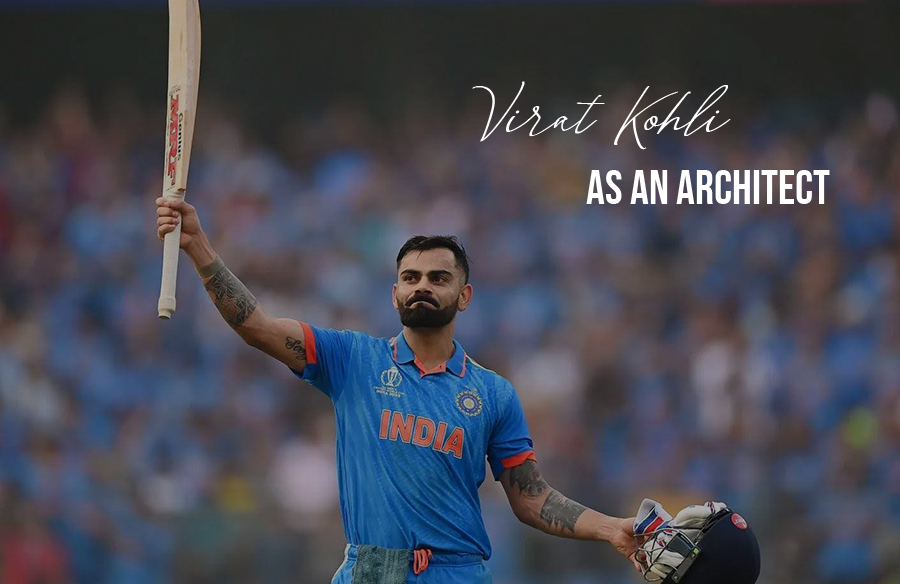
The investigation of Virat Kohli as an architect requires examination of his aggressive calculated nature and his unrelenting pursuit of improvement and absolute excellence. These qualities would create buildings that function as energetic structures representing movement, durability, and clever adaptation. His architectural approach would produce structures which actively oppose stagnation through designs that respond to environmental and functional demands with the same sharpness he displays during cricket matches.
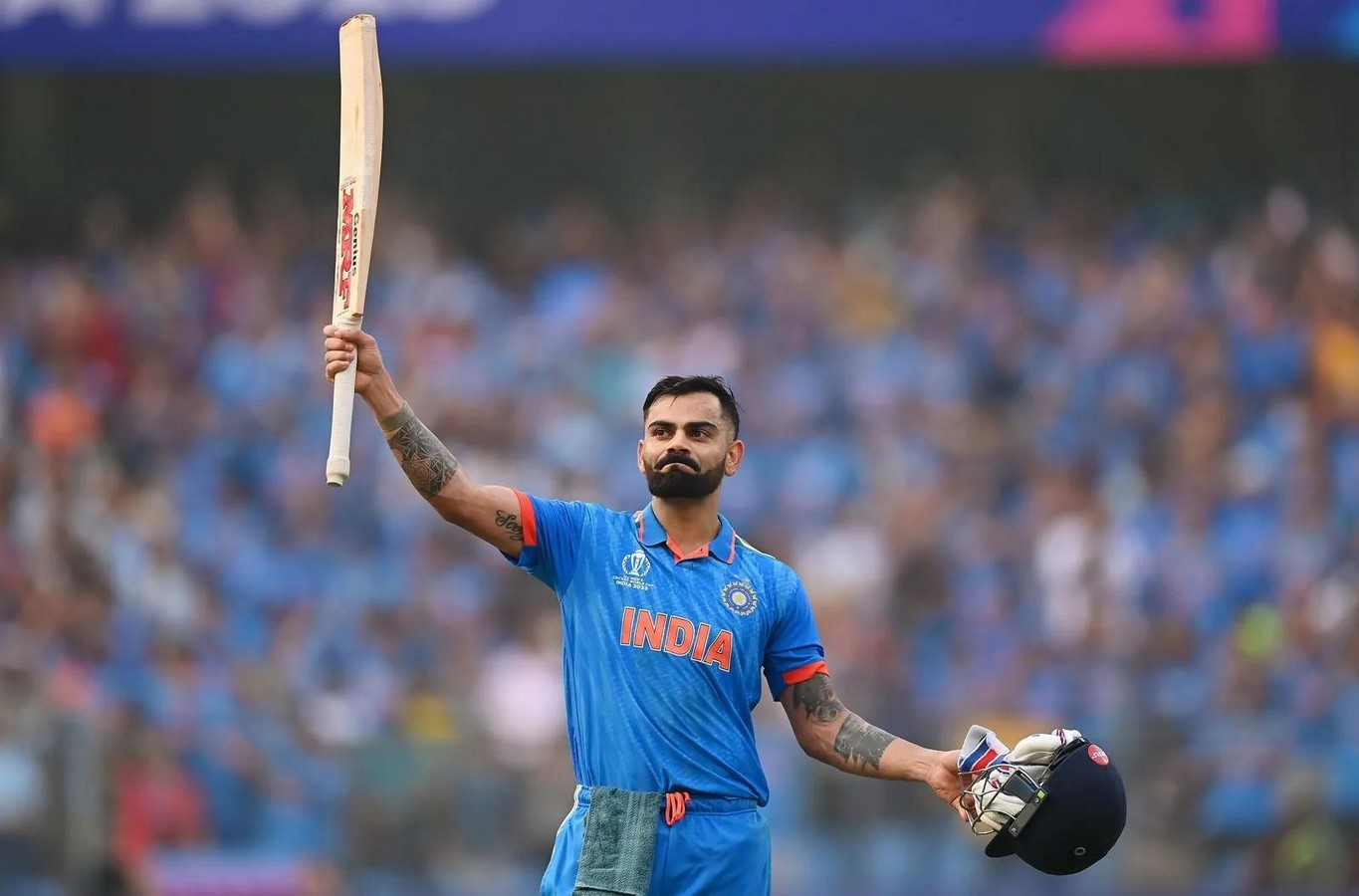
Kohli is a power force beyond his role as a cricketer because he represents a personal movement. His unmatched abilities to adapt and dominate while pushing boundaries make him the unmatched figure in the game. His leadership saw him captain India in a record 68 Tests, winning 40 of them before stepping down in 2022 Raikar (2025) If translated into architecture, his architectural vision would pursue one primary objective to create innovative structures that transform existing standards. His architectural creations would serve as future landmarks because he would design them to fulfil present-day requirements while building foundations for upcoming generations. His designs would transcend mere architecture by creating environments which motivate people while testing their limits and standing the test of time.
An Evolving Batter
Kohli’s evolution from a traditional batsman to a player who can play unorthodox, strategic shots is a perfect example of adaptability. His recent adoption of the slog sweep as a batting stroke is a manifestation of a larger approach: the ability to adapt to the context. In architectural terms, this is similar to fluid design where structures are not fixed but are rather sensitive to changes in environmental and socio-cultural conditions. Kohli-inspired structures could potentially change their layout and be flexible according to functional requirements much in the same way he would modify his approach to meet the demands of a fresh bowling attack (Pandey, 2024).
“I am certainly not a guy who wants to sit around saying this is the way I play and not improve on things I need to,” – Virat Kohli (Punjab Kings vs Royal Challengers Bengaluru, 58th Match, May 09, Indian Premier League 2024, 2024)
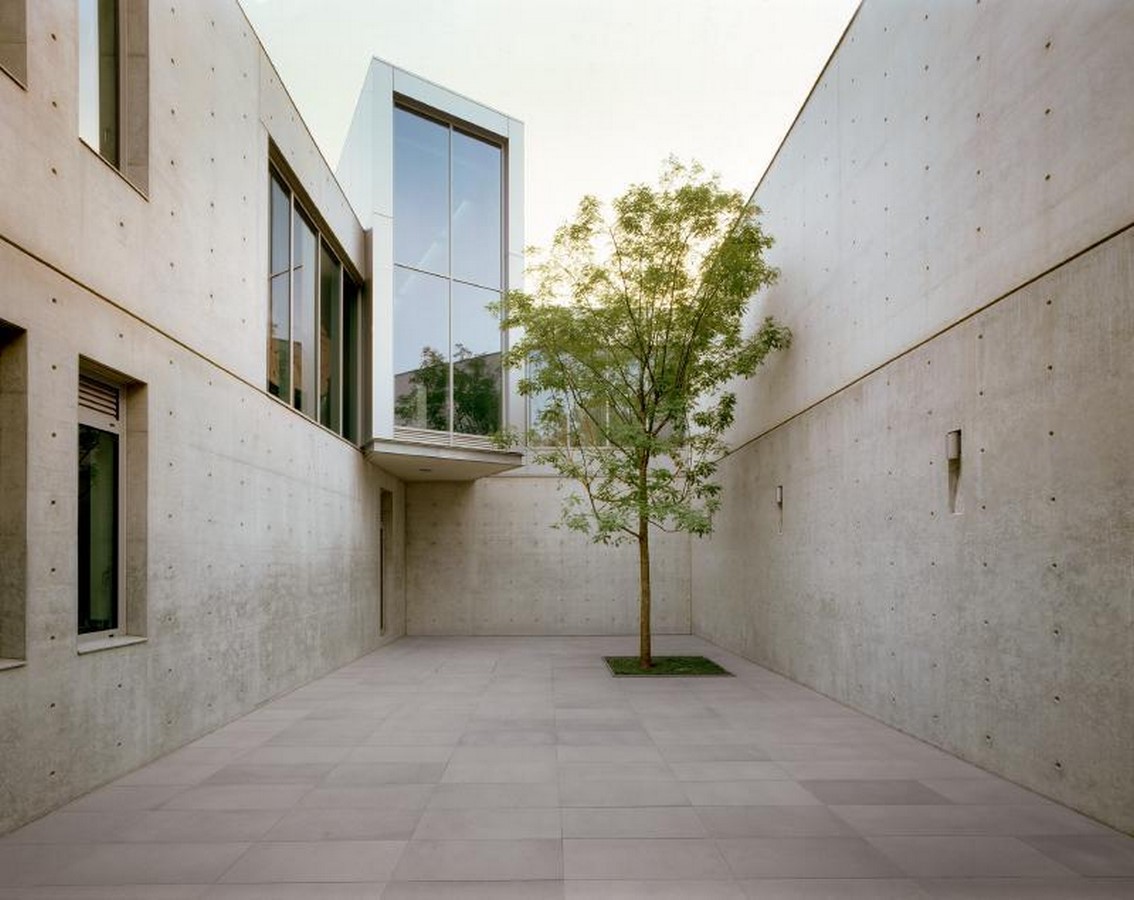
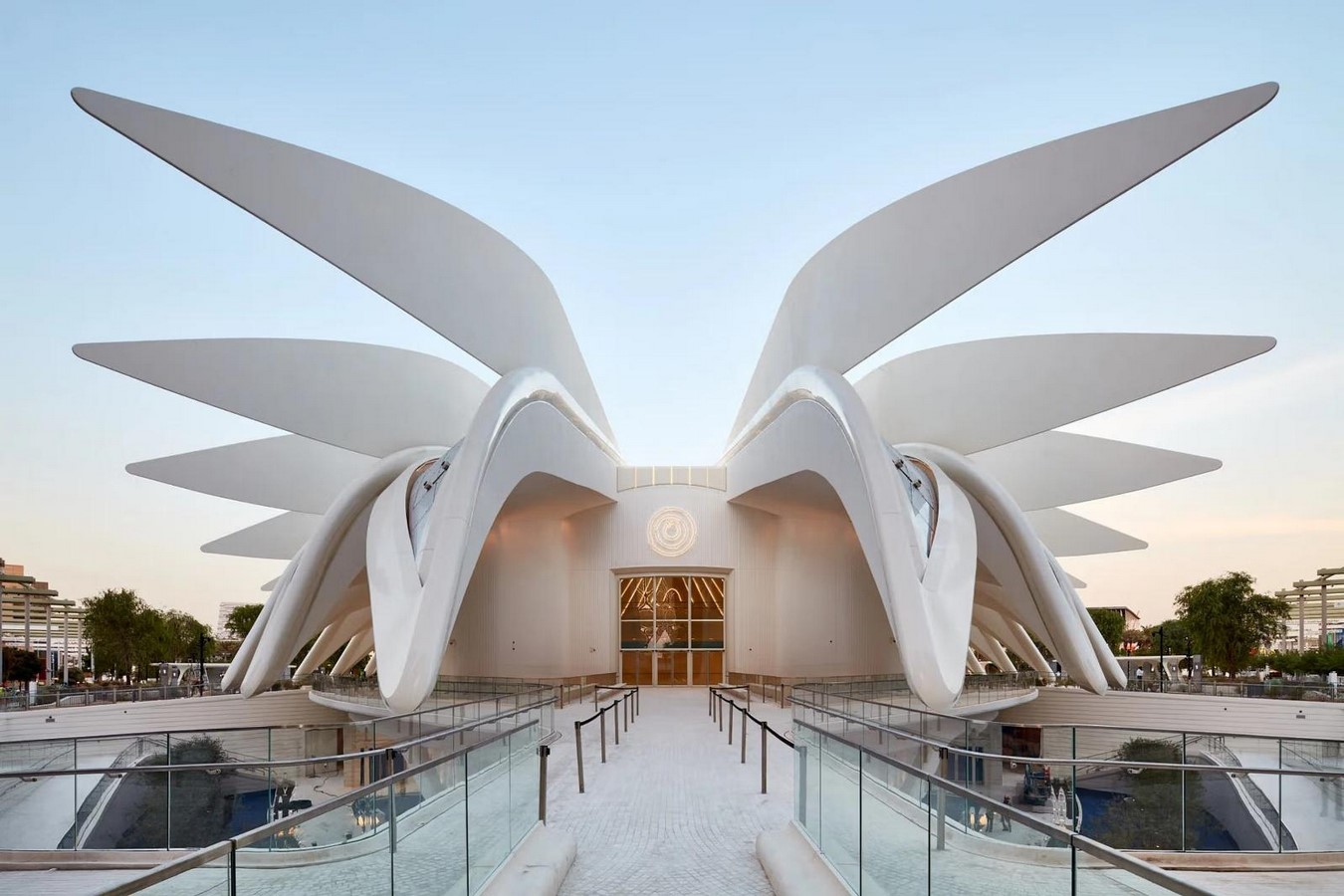
Kohli’s batting is characterised by an obsessive attention to detail – his foot placement, wrist articulation, and shot execution are calibrated to the millimetre (Dev, 2024). His architectural approach would be distinguished by this meticulousness, resulting in structures that are functionally precise but still express a bold architectural language. His structures would likely echo the principles of Tadao Ando – where the interplay of materiality, light, and voids generates profound spatial experiences. At the same time, one might observe influences akin to Santiago Calatrava’s kinetic structural forms – dynamic, tensile, and seemingly poised for movement. Kohli would not merely design buildings; he would orchestrate architectural performances, where space, structure, and human interaction converge in a meticulously curated ballet.
Endurance and Sustainability
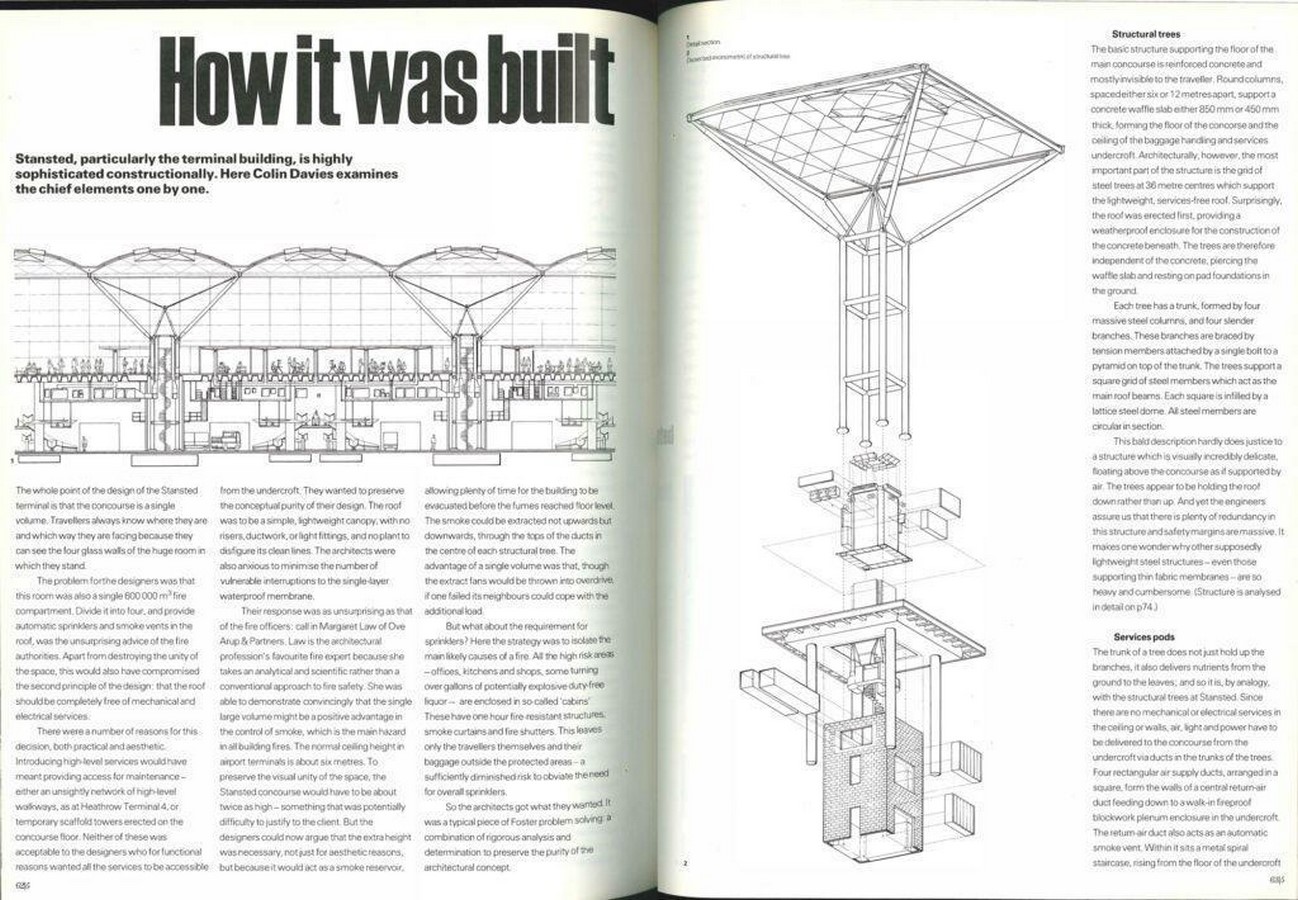
A cricketer’s legacy is determined not merely by peak performance but by longevity and the ability to leave an ever-lasting impact on the game. Similarly, Kohli’s architectural ideology would prioritise resilience and longevity. His structures would be conceived with an ethos akin to Norman Foster’s high-tech sustainability – leveraging cutting-edge material science, passive design principles, and modular adaptability to ensure longevity. One can imagine a Kohli-designed city growth featuring biomimetic approaches, renewable energy capture, and zero-waste construction methods – a building of the same dedication and determination that have defined his career.
An architectural typology he could design reflects his area of expertise which is the stadium. The stadium would serve as an interactive entity under Kohli’s design approach which moves beyond its typical function as a spectator venue. The structure would serve as an interactive system by using acoustic engineering to boost crowd energy while its kinetic facade adjusts to match conditions and its seating layout adjusts for maximum fan engagement. The structure would serve athletes as an incubator for future generations through integrated training academies, sports science laboratories and community-driven spaces.
Foundations for the Future
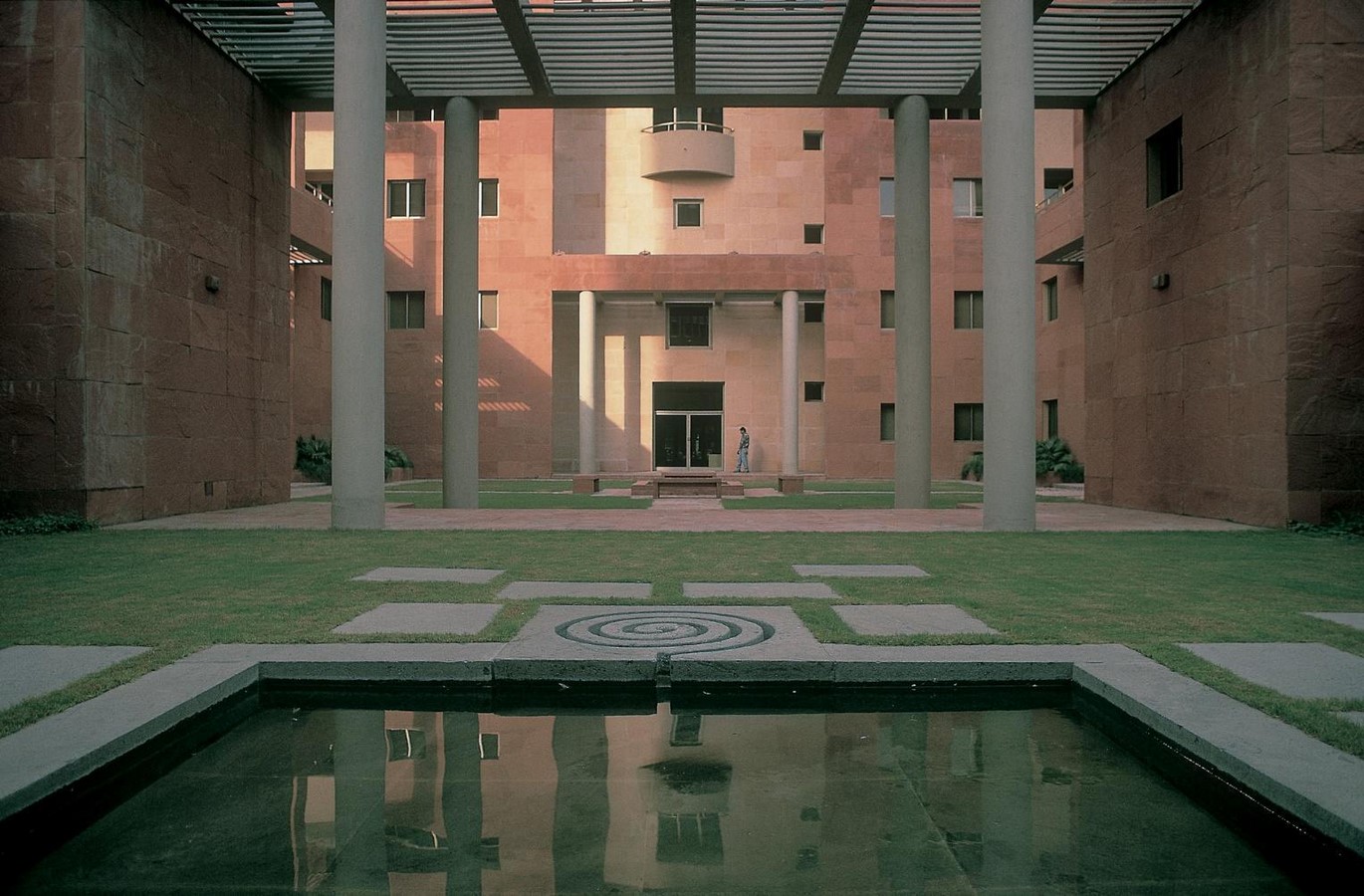
As an architect, Kohli would likely design buildings that serve the broader population instead of only working on elite projects because he would focus on creating social and architectural change. He would create urban designs that combine affordable housing with community-based public areas and infrastructure systems that harmoniously unite traditional cultural elements with modern efficiency standards. His method would align with Charles Correa‘s approach by combining contextual awareness with progressive modernism while expressing the urgent and audacious qualities that represent his sporting nature.
Kohli’s commitment to fitness and mental well-being would drive urban planning, establishing healthy living environments through redesigned spaces featuring pedestrian-friendly streets, cycling paths, and wellness centres located within residential areas. His direct architectural challenge would be to define a new era of city-building that focuses on the human experience.
Uncompromising Excellence
Throughout his cricketing career, Virat Kohli refused to accept average performance by showing relentless pursuit combined with calculated aggression and an insatiable drive to master his craft. This mindset would produce architectural work that shows fearless forms while maintaining rigorous execution and creating lasting impacts. His buildings would not merely stand; they would exude intent. They would not simply exist; they would command presence. The structures would embody the essence of Virat Kohli through their unyielding nature, audacious design and eternal architectural intent.
Future generations will experience the same powerful intensity that cricket fans do today when they explore the architectural wonders that Kohli might create. The architectural world would recognise his name in the same way that cricket fans do today because he symbolises discipline and insatiable pursuit of greatness through reinvention. Through his work, Kohli would establish more than physical buildings because he would construct enduring symbols that represent human determination and unyielding ambition.

References:
Dev, S. (2024) ‘Virat Kohli: The Modern Great of Cricket’, Dr. Sajeev Dev, 13 August. Available at: https://sajeevdev.com/virat-kohli-the-modern-great-of-cricket/ (Accessed: 26 March 2025).
Pandey, R. (2024) ‘Virat Kohli: How he learned to stop worrying and love the slog sweep again’, The Indian Express, 11 May. Available at: https://indianexpress.com/article/sports/cricket/virat-kohli-slog-sweep-strike-rate-rcb-ipl-2024-t20-world-cup-2024-9320826/ (Accessed: 26 March 2025).
Punjab Kings vs Royal Challengers Bengaluru, 58th Match, May 09, Indian Premier League 2024 (2024) Cricbuzz. Available at: https://www.cricbuzz.com/cricket-scores/91645/pbks-vs-rcb-58th-match-indian-premier-league-2024 (Accessed: 25 March 2025).
Raikar, S.P. (2025) Virat Kohli | Life, Career, Cricket, Awards, & Facts | Britannica. Available at: https://www.britannica.com/biography/Virat-Kohli (Accessed: 25 March 2025).