The Quiet Becoming
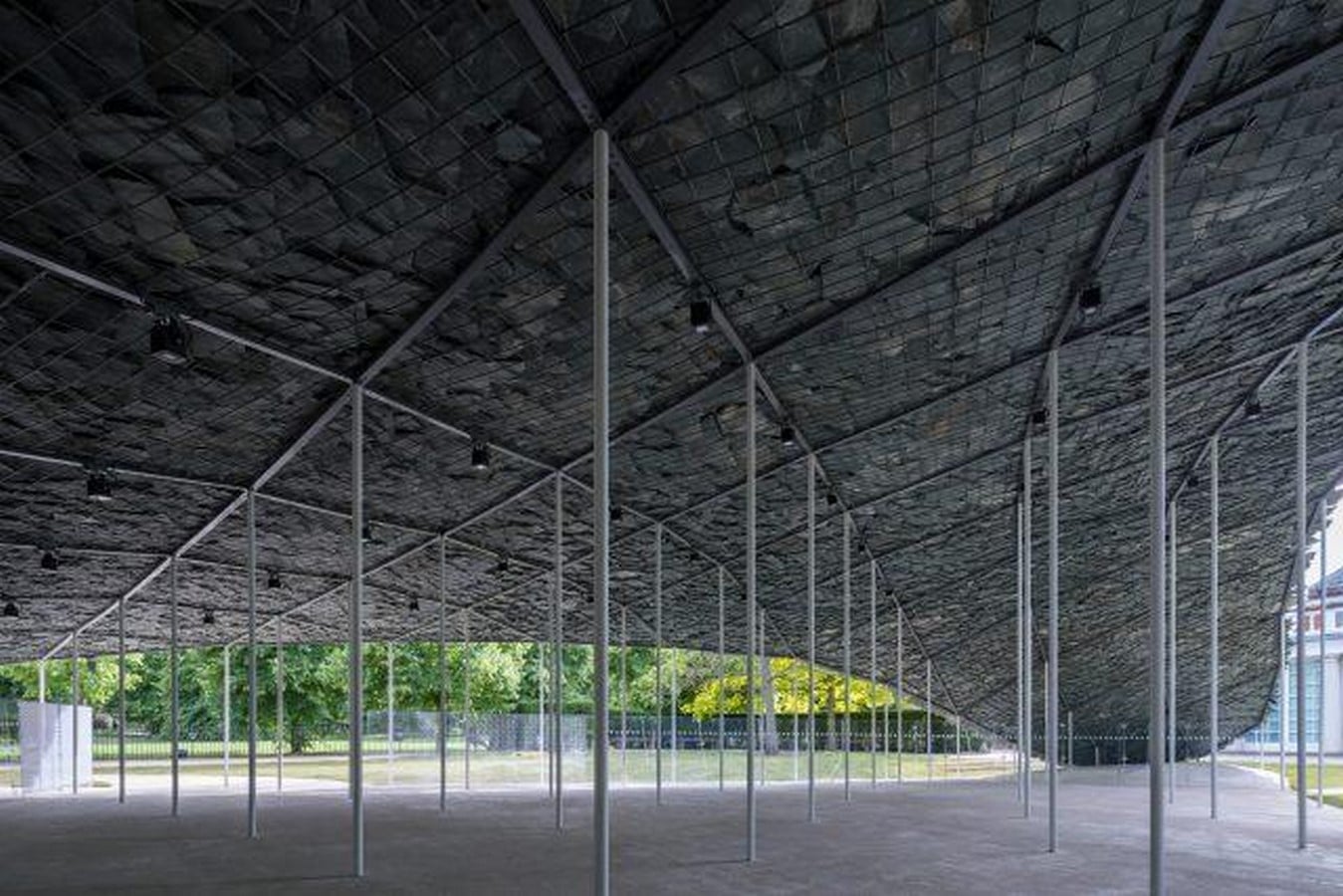
There’s something almost magical about the way we adapt. A once unfamiliar idea, a new form, or a subtle shift in rhythm—what begins as an interruption eventually becomes part of our normal. And from that new normal, we grow. We design. We redefine what is possible.
Architecture, in this process, becomes more than space. It becomes a story. It becomes memory, resilience, and transformation.
This perspective on architecture has never stayed still. It keeps evolving—not just in materials or styles, but in what is expected of buildings. Where once there was a focus on shelter, now there is a focus on healing. Where there was function, now there is empathy. In a world that is constantly shifting—politically, culturally, environmentally—architecture must listen harder, reflect deeper, and respond more thoughtfully.
Because every “new normal” brings a new narrative. A different need. A reframed value.
This article is an exploration of how architecture doesn’t just respond to the world—it co-authors the story of how we see and shape it.
What We Call Normal Keeps Changing
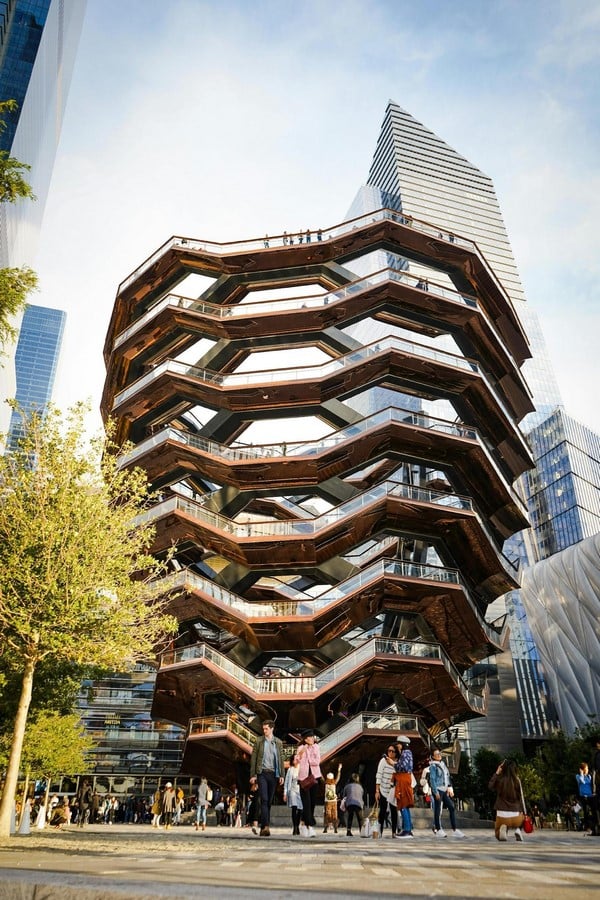
Architecture has always been a reflection of societal rhythms. But today, those rhythms are shifting faster than ever. The idea of “normal” has become fluid, shaped by forces both urgent and slow-burning: public health crises, climate change, displacement, technological acceleration, and emotional exhaustion. Where the past once anchored design, now the present demands agility. Architects today are designing not for permanence but for possibility. Open-ended spaces, adaptive reuse, and human-scaled interventions speak to an architecture that is trying not just to keep up, but to care. This changing normal is not purely functional—it’s emotional. People are looking for quiet in the noise, for spaces that soften their days. And in turn, architecture is starting to speak more softly. It is no longer only about skyline statements, but about spatial gentleness. It’s about giving people a way to breathe.
Buildings as Stories, Not Statements
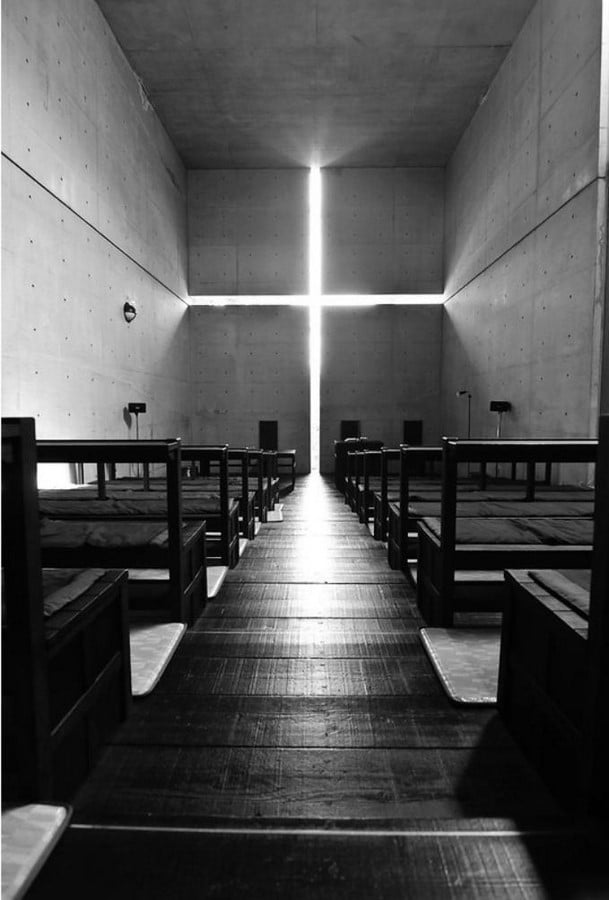
If buildings once spoke in bold declarations, today they whisper in nuance. A new kind of narrative is unfolding—one where architecture becomes a vessel for memory, atmosphere, and time.
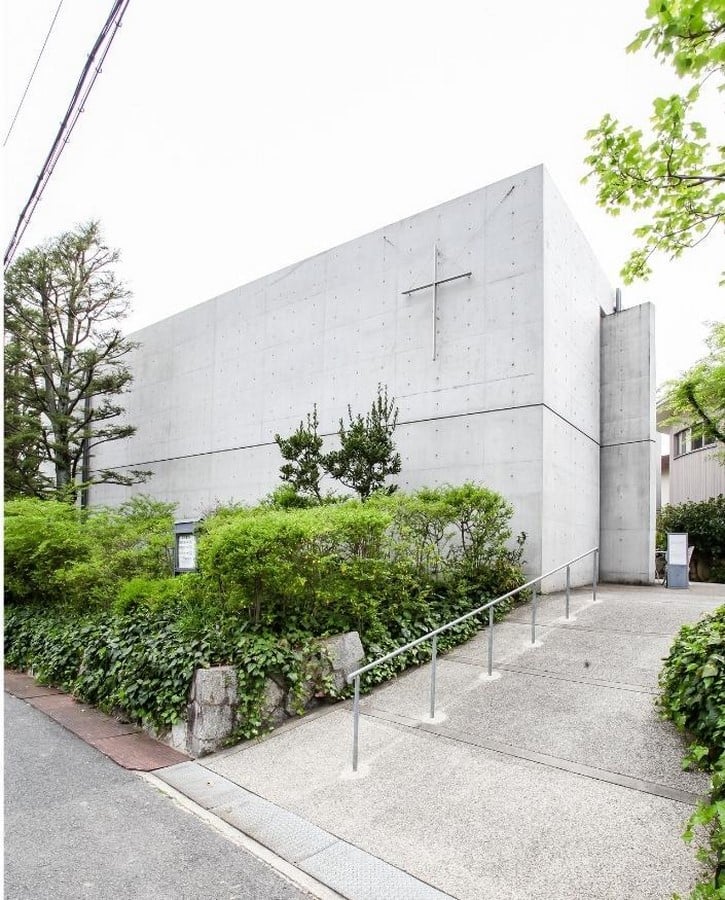
A profound example of this quiet storytelling is the Church of the Light by Tadao Ando. Located in Ibaraki, Japan, the building is formed by a simple concrete volume intersected by a single cross-shaped void. There are no ornaments, no colors, no visual distractions—just concrete, light, and silence. What transforms the space is not complexity, but clarity. As light filters through the cross, it shifts throughout the day, casting ever-changing shadows across the walls and floor. The architecture becomes an experience—one that unfolds through time, presence, and perception. This is not a space designed to impress. It is designed to invite. To pause. To feel. It trusts the quiet, and in doing so, it opens up something deeper. The structure becomes spiritual not through symbolism, but through restraint—by what it chooses not to say. This is where architecture becomes more than function or form. It becomes a story—told through light and stillness.
Designing with Empathy, Designing for Change
As global challenges intensify, the demand for architecture to be more emotionally intelligent becomes unavoidable. Today’s spaces are being asked to be flexible, inclusive, and responsive to diverse human needs.
Consider the architectural move toward soft boundaries: open plans that still allow solitude, materials that weather gracefully, and forms that blur public and private. Projects like SANAA’s Moriyama House show how layering isn’t always about complexity—sometimes it’s about quiet variety. The house is made of separate white volumes that coexist like a small village. Each space is humble, yet together they form a richer social fabric.
Design like this is not about reducing architecture. It’s about refining it. About knowing what to hold, and what to let go.
Empathic architecture is not a style. It is a stance.
Designing for What We Are Becoming
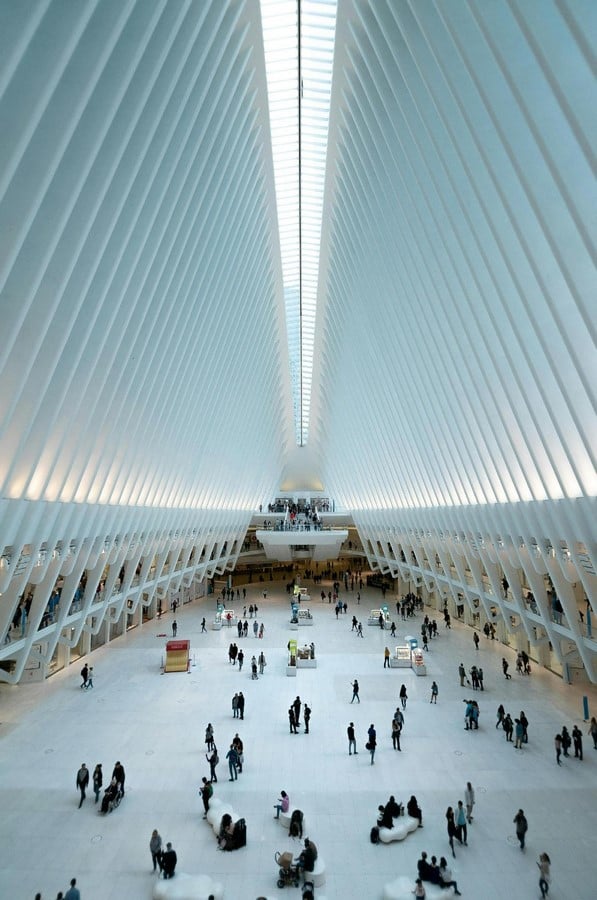
In a world where certainty is fleeting, architecture is no longer asked to stand still. It is asked to listen, to shift, and to evolve. It becomes a quiet participant in the human journey—not imposing, but responding.
The new normal is not one idea, but many. It’s layered with nuance, rooted in emotion, and shaped by change. The role of architecture, then, is not to resist this complexity—but to translate it. To hold it gently. To give it form.
As the world keeps shifting, the buildings we create will not only serve needs—they will reflect values. They will tell stories not just of what we’ve built, but of what we believe.
Reference section:
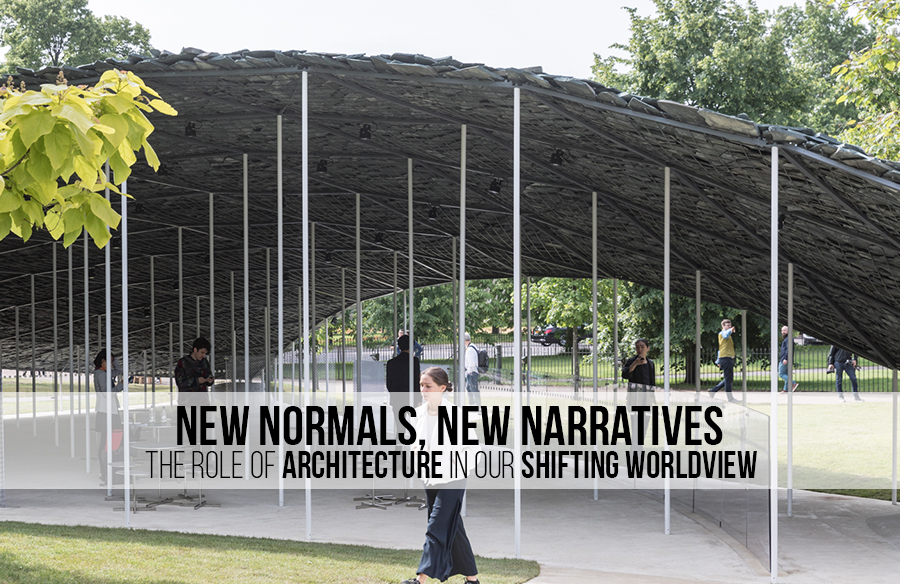
Figure 1: Ishigami, J. (2019). Serpentine Pavilion 2019 Designed by Junya Ishigami. Photography © Iwan Baan. Available at: https://www.serpentinegalleries.org/whats-on/serpentine-pavilion-2019-designed-junya-ishigami/#images [Accessed: 9 July 2025].
Figure 2: Moses, S. (n.d.). An Exterior Photo of the Vessel in New York City. Available at: https://www.pexels.com/photo/an-exterior-photo-of-the-vessel-in-new-york-city-5984282/ [Accessed: 9 July 2025].
Figure 3: Ian, O. (n.d.). Interior, Church of Light. Available at: https://www.flickr.com/photos/osaka_ian/8649737655/ [Accessed: 9 July 2025].
Figure 4: Boyland, S. (n.d.). Exterior of Church of Light. Available at: https://www.flickr.com/photos/stel_bo/364792625/ [Accessed: 9 July 2025].
Figure 5: Dalvan, L. (n.d.). Crowd of People Inside White Building. Available at: https://www.pexels.com/photo/crowd-of-people-inside-white-building-1770808/ [Accessed: 9 July 2025].