In the grand narratives of architecture, one often highlights the monuments of power – religious complexes, imperial palaces, and formal institutions of elite patrons. However, in the shadows of these edifices lie the settlements of the people who are rarely represented and documented in mainstream history. The communities such as the rural, Dalit, tribal, pastoral or working class have always existed. And they have built a world of their own not merely as a response to their environmental or social condition but also as subtle forms of cultural resistance and identity assertion. Vernacular architecture serves not only as shelter but also as a historical archive of resistance (resisting homogenization, exclusion, and marginalization) by embedding alternative worldviews into the very fabric of the space itself.
What Is Resistance in Architecture?
To think of architecture as an act of resistance requires one to reimagine buildings and settlements not just as the outcome of design. But they should be viewed as active participants in the sociopolitical scenario of an area. Unlike elite constructions that serve to exhibit control and visibility, vernacular and subaltern architectures often resist visibility.
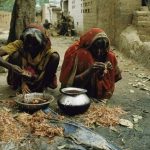
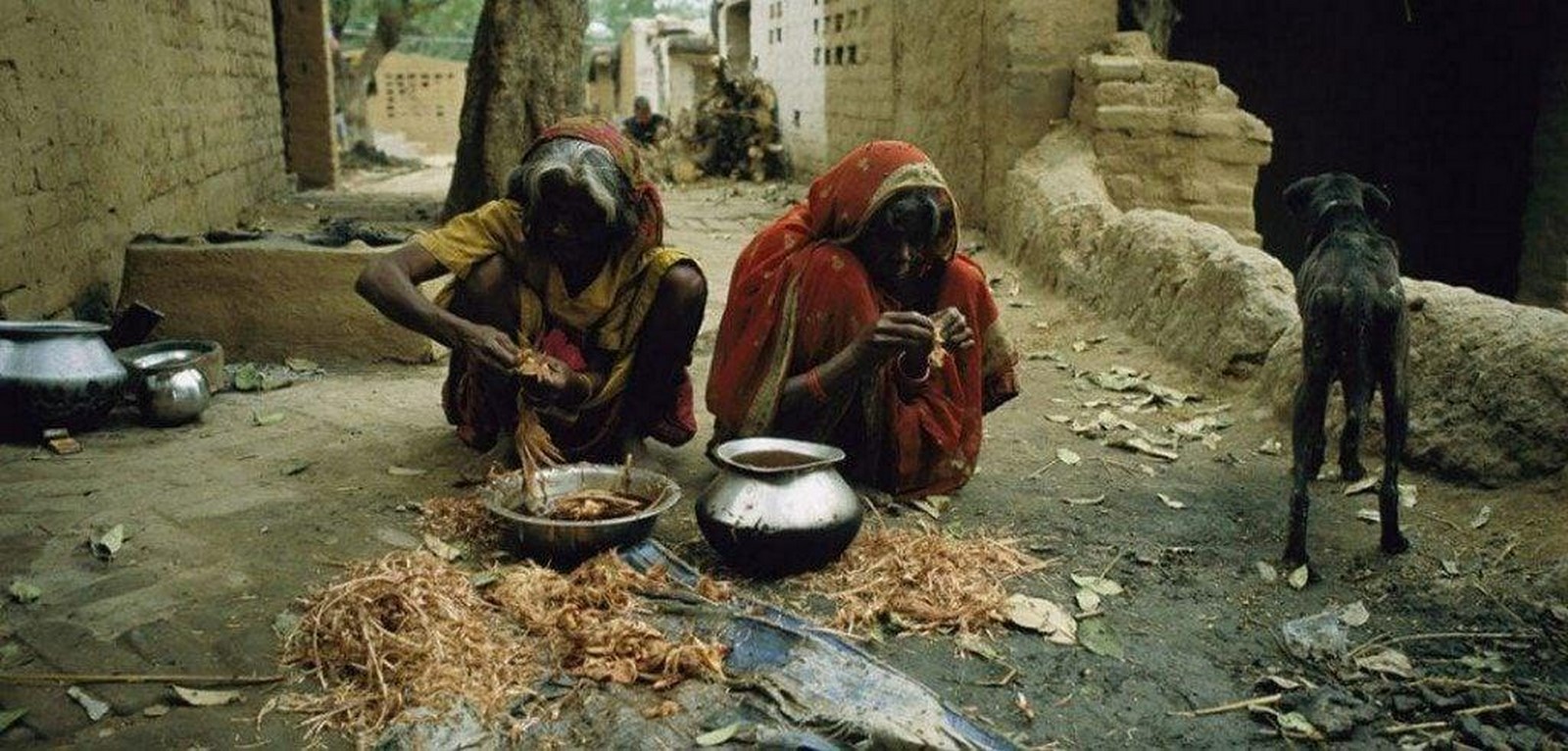
Resistance to architecture might take various forms. In many Indian villages, the spatial layout reflects caste-based segregation. Dalit communities are often pushed to the village periphery and denied rights to public locations, access to water, shared spaces, religious buildings, and land. However, rather than being mere passive victims of this selfish system, many Dalit communities have historically carved out their separate autonomous spaces, where new rituals, aesthetics, and social practices flourish.
Ecological Knowledge that Rejects Industrial Systems
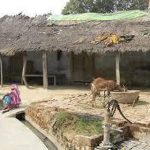
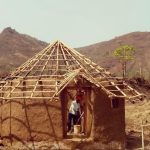
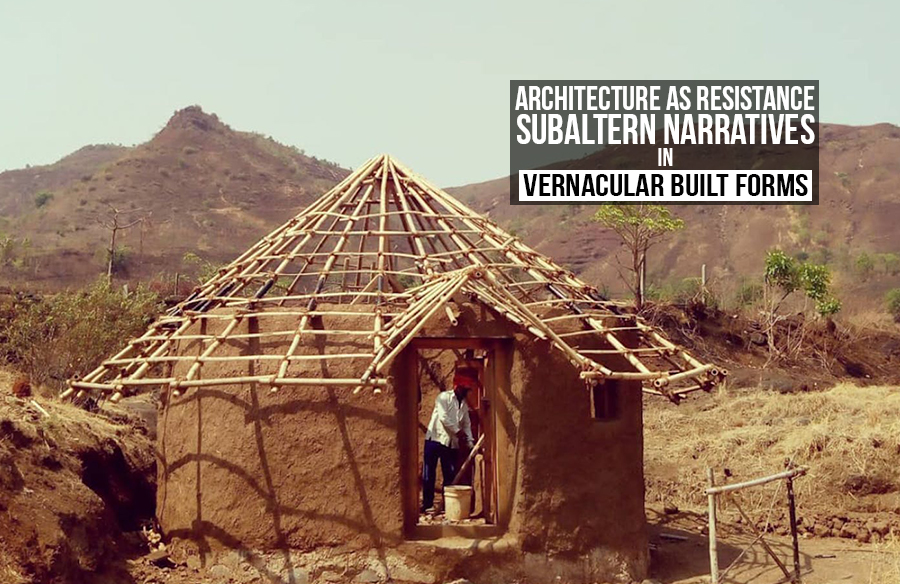
Vernacular architecture often focuses on eco-sensitive construction, rooted in locally available materials such mud, thatch, bamboo, cow dung, laterite. These are not only sustainable but they also express an ideological resistance to industrialization and capitalist modes of building.
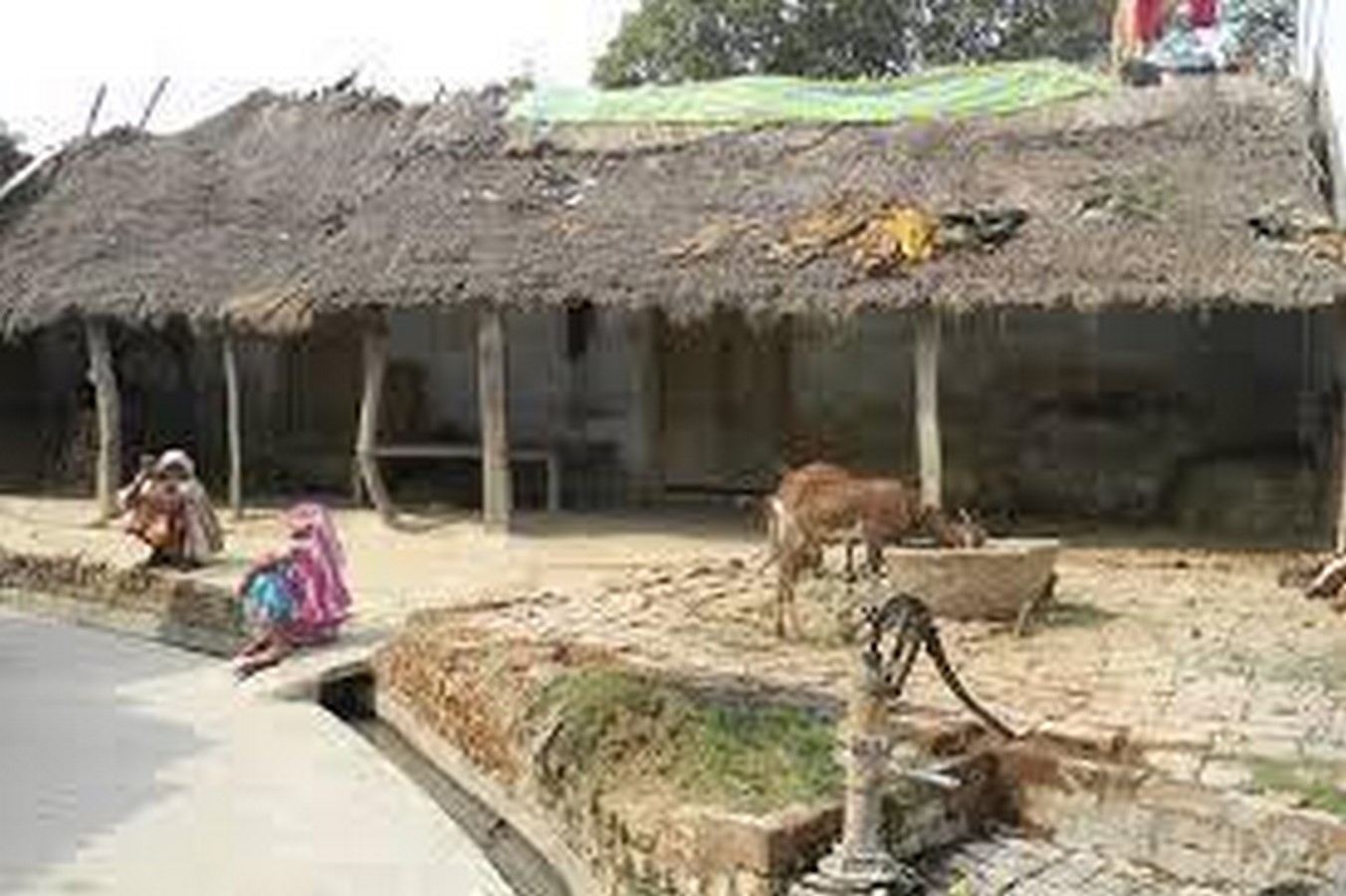
These systems reject concrete as a default material, adapt to terrains with passive cooling and ventilation, and preserve sacred groves, and water bodies. This is rooted in traditional ecological knowledge systems that prioritize sustenance over domination of nature. This contrasts sharply with the extractive ethos of modern urban development, which is often responsible for displacing both communities and ecologies.
Dalit Settlements and the Architecture of Caste Resistance
Dalit communities were formerly known as “Untouchables”. As recorded by colonial ethnographers and modern sociologists, most Indian villages follow a spatial pattern that reflects Brahmanical hegemony: the temple, tank, and Brahmin quarters occupy the centre, while Dalit homes are often referred to in older land records as cheris (Tamil), mohallas (Hindi), or pallis (Telugu). They are placed on the edges, away from the water source and often downstream, a placement both ritually coded and environmentally punitive.
In contemporary times, as many Dalits migrate to cities or are resettled through welfare housing, they carry this symbolic spatial grammar with them. This inversion of ritual space is a conscious architectural rewriting of power, especially in post-1990s India, where Dalit identity has entered public and visual culture more forcefully, aided by media and political mobilization.
Architect and theorist Anand Bhatt notes: “Dalit architecture today is a call for both presence and protection — a resistance against erasure, and a warning that we will not disappear into your maps without drawing our own lines.”
Dalit architecture resists not only the material consequences of caste but also the epistemic violence that denies Dalits the right to design, sanctify, and inhabit dignified space. It is a bottom-up spatial politics, shaped not by architects or planners but by community values, political struggle, and ancestral memory.
Cultural Continuity in the Face of Displacement
Communities displaced by development projects, forest clearances, or urbanization often lose much more than land. They lose their cultural identity which is encoded in the built form. In response to this, many displaced groups rebuild their spaces using traditional forms, thereby reinscribing memory and identity into new geographies.
For instance, Adivasi groups evicted due to dam projects often recreate ritual spaces, sacred stones (devgudi), or painted walls (Gond or Bhil art) in refugee camps or urban slums. Or when, displaced fisherfolk from coastal Tamil Nadu rebuilt community shrines using shells and driftwood. This reassertion of vernacular symbols and rituals, becomes a political act of cultural survival. Slums, shantytowns, and unauthorized colonies often arise not because people refuse planning, but because the planning refuses the people.
Adivasi and Tribal Architecture: Refusing Assimilation
Adivasi (indigenous) communities across India such as the Santals, Gonds, Bhils, or Todas have long resisted both state-led development and organized religion through their unique architectural vocabularies. Their homes, granaries, sacred buildings, and ritual spaces are deeply tied to local cosmologies, land rights, and collective memory. The Toda huts in the Nilgiris, with their curved roofs and absence of straight lines, are not only eco-sensitive but also reflect an ideology of non-conformity. The Santal house, with its large open courtyards and walls painted with mythic murals, preserves the oral histories and the matrilineal rituals that resist patriarchal mainstream culture.
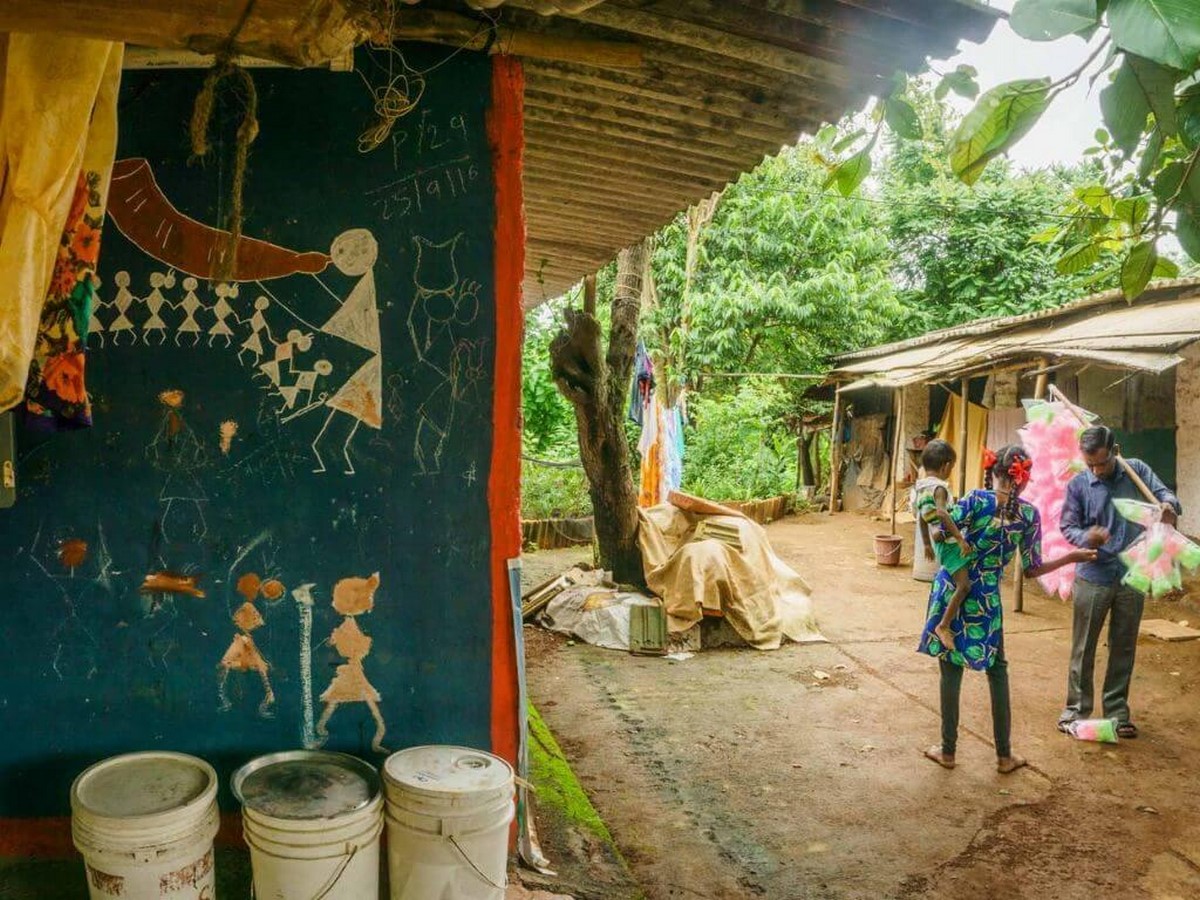
The use of community labour in house building reaffirms collective identity over individual ownership.These built forms are now under threat from cement housing schemes or forest eviction laws, but many communities continue to preserve and adapt traditional practices, defending them as architectures of belonging and autonomy.
Reading Subaltern Architecture as Political Text
Vernacular architecture in subaltern communities is not merely a reaction to material scarcity. It is conscious, situated, and political. Whether through form, material, location, or ritual, these built environments preserve alternative histories. These stories are the ones that rarely enter textbooks or architectural canons.
In a world increasingly dominated by concrete skylines, smart cities, and gentrified zones, these small, earth-hugging structures stand as reminders that resistance can be quiet, decentralized, and enduring. They force us to expand our understanding of architecture beyond the sophistication of design. These structures are shaped by need, memory, and defiance.
As historians, architects, and citizens, to read these forms carefully is to listen to the voices that the elitists tried to silence. The voices of the builders who resisted not by tearing down but by building differently.
References:
Anand, S. (2011). Annihilation of Caste: The Annotated Critical Edition by B.R. Ambedkar, Navayana.
Chatterjee, Partha (2004). Politics of the Governed. Columbia University Press.
Rao, Anupama (2009). The Caste Question: Dalits and the Politics of Modern India. University of California Press.
Agarwal, A., & Narain, S. (1997). Dying Wisdom: Rise, Fall and Potential of India’s Traditional Water Harvesting Systems. Centre for Science and Environment.
Jain, Kulbhushan and Meenakshi (2002). Mud Architecture. Aadi Centre.
Scott, James C. (1998). Seeing Like a State. Yale University Press.
Baviskar, Amita (2004). In the Belly of the River: Tribal Conflicts over Development in the Narmada Valley. Oxford University Press.
Fernandez, Walter (2008). Forced Displacement and Deprivation in Development. Indian Social Institute.
Massey, Doreen (1994). Space, Place and Gender. Polity Press.
Image Sources:
- A Village in India _© BORGEN https://www.borgenmagazine.com/poverty-hinduisms-dalit-caste/
- Daulana Village _© VIBHUTI AGARWAL https://www.wsj.com/articles/BL-IRTB-14608
- Vernacular Architecture _© Anushree Tendolkar https://www.eco-business.com/news/as-indian-cities-heat-up-climate-resilient-traditional-buildings-are-coming-into-fashion/
- Adivasi Settlements _© Indra Munshi https://questionofcities.org/adivasis-in-cities-from-people-to-paupers/