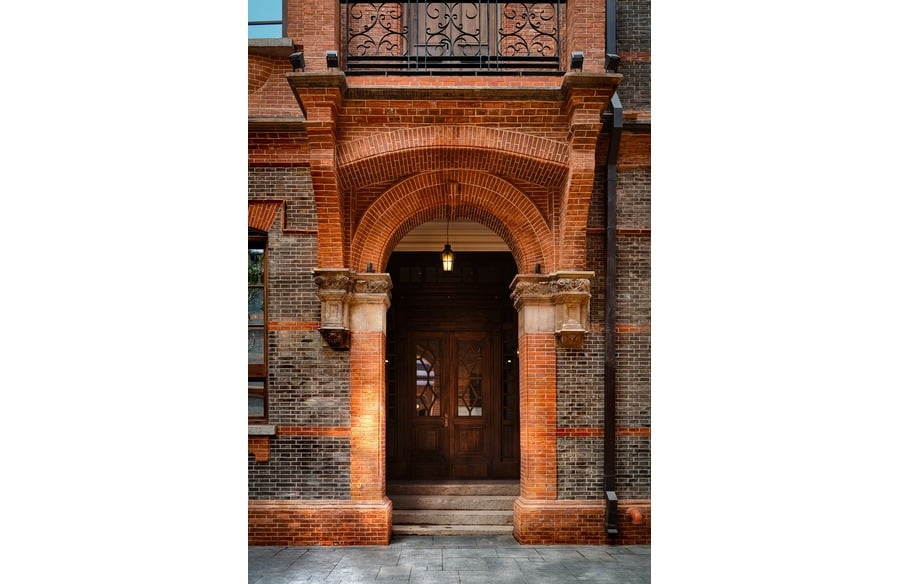
Tucked away at 588 Wujin Road in Shanghai’s Jing’an District, this historic site traces its origins to 1911, when it was built as a private garden residence by influential entrepreneur Yu Qiaqing.
Project Name: Huafa & China Merchants – Jing’anli • Tang Residence
Studio Name: CHY Design
Location: Shanghai, China
Design Year: 2024
Project Area: 1,049 m²
Photography: Zhang Daqi
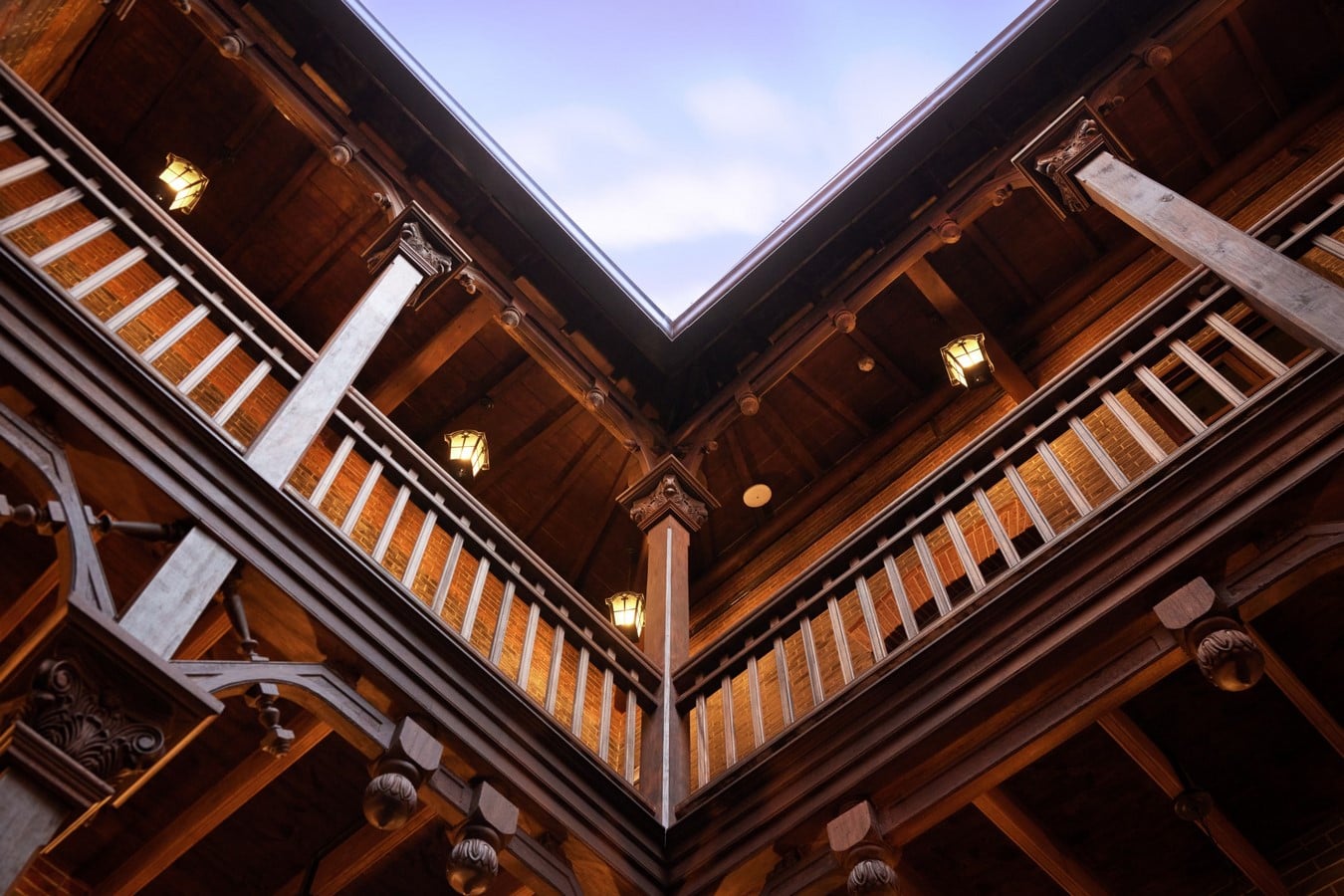
Later, it became the Shanghai residence of Tang Shaoyi, the first Premier of the Republic of China. Located in one of the early transitional areas between Chinese and Western communities, the building is now officially listed as one of Shanghai’s Outstanding Historical Buildings (Batch IV).
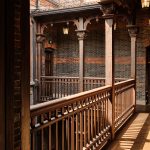
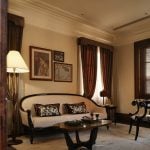
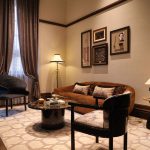
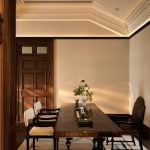
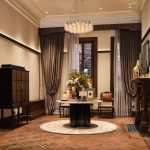
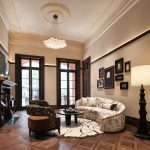
The recent transformation of this storied site is guided by the principle: preserve the past, revitalize for the future. The design team approached the project with great care, conducting a comprehensive restoration while adapting the space for contemporary use. Original features—such as wooden staircases, paneled walls, brick façades, and ornate doorframes—have been preserved and thoughtfully integrated with modern design elements. The result is a space that maintains its historical character while functioning seamlessly in today’s context.
From Heritage to Function: A Subtle Redesign
Adapting to the building’s architectural constraints, the interior layout was reimagined to include new areas for reception, exhibitions, and social interaction. Without disrupting the existing structural framework, the design introduces a palette of soft tones and refined materials, fostering an atmosphere of quiet elegance.
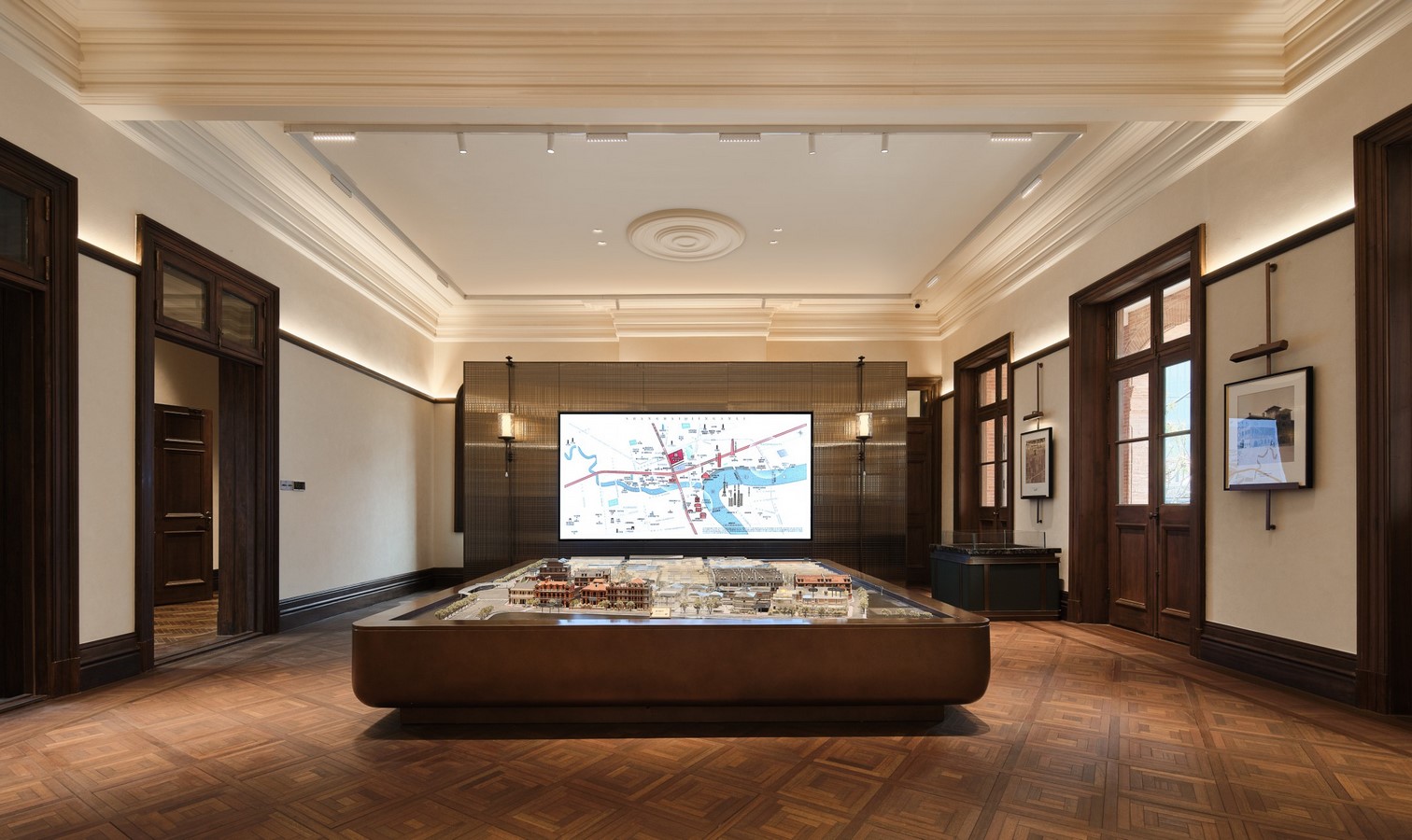
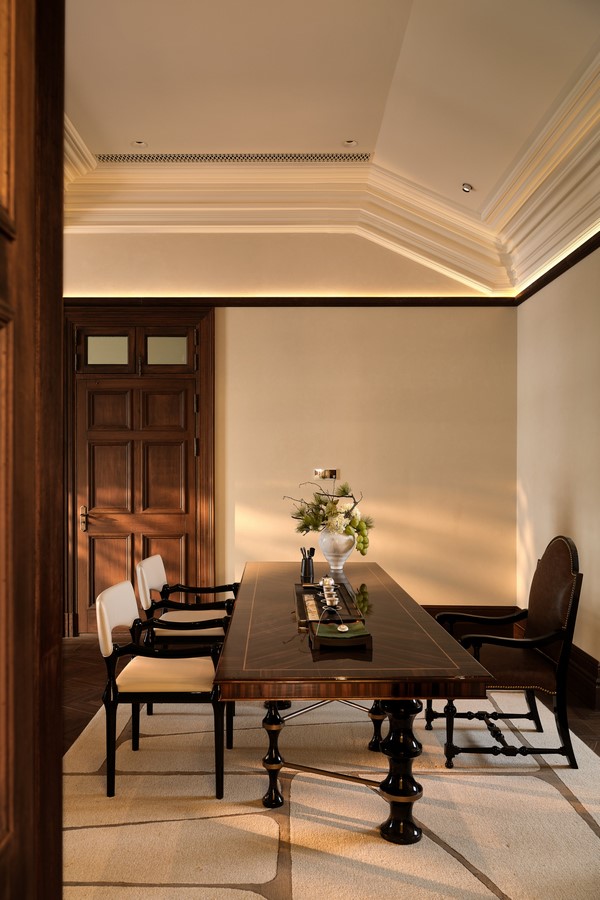
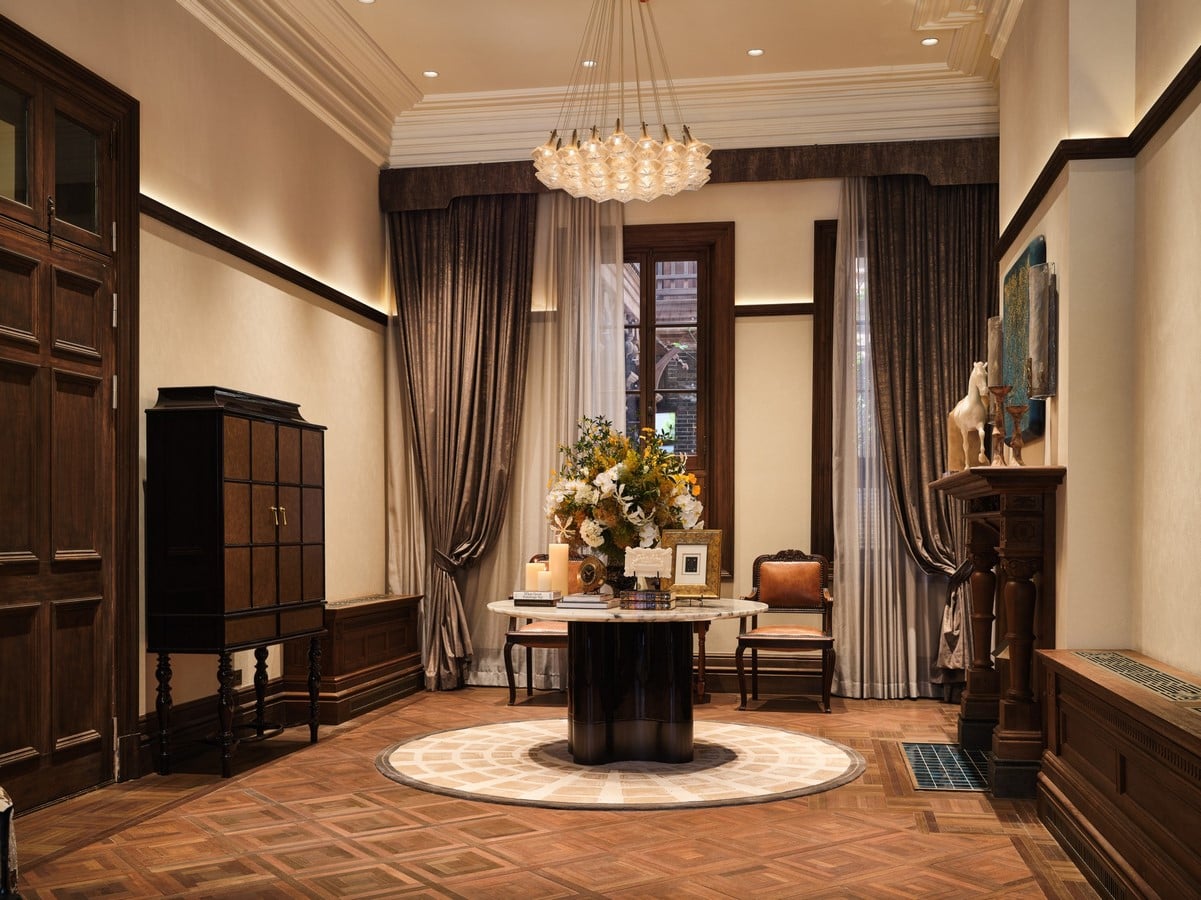
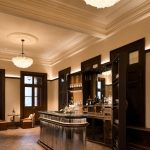
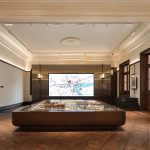
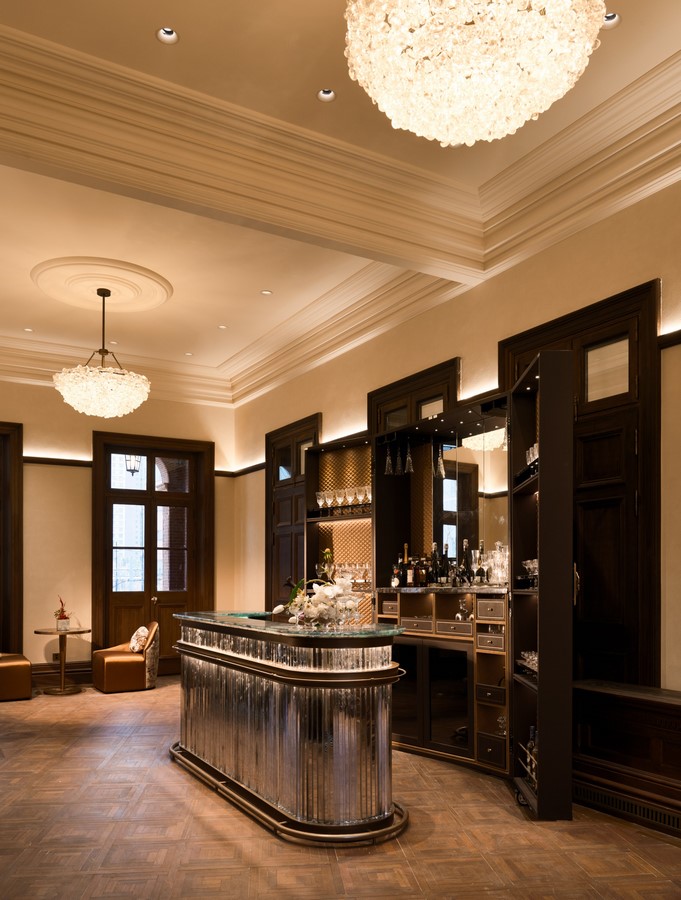
The bar area, for instance, is wrapped in deep wood finishes and illuminated with gentle lighting, establishing a serene yet sophisticated mood. Exhibition areas combine historical charm with contemporary art, creating a setting where past and present engage in an ongoing cultural dialogue. Throughout, spatial and visual elements are woven into a cohesive narrative, positioning the site as both a heritage landmark and a modern gathering space.
Reimagining Historic Spaces for Modern Life
Beyond a physical renovation, this project represents a larger inquiry into how heritage architecture can adapt to evolving urban lifestyles. The reconfiguration addresses rising interest in cultural identity, design quality, and experiential environments. By merging curated storytelling with artistic expression, the building gains new relevance while maintaining its legacy.
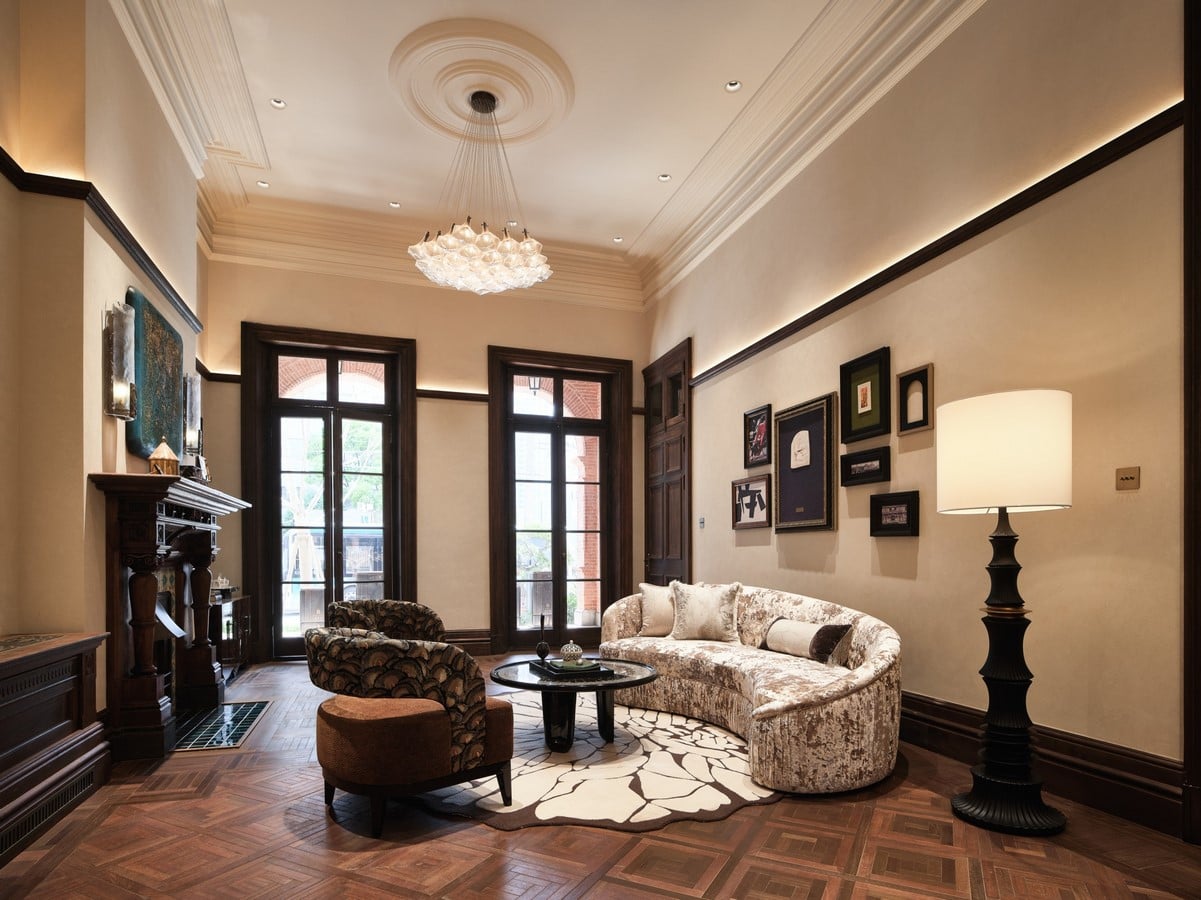
At a time when cities are increasingly focused on sustainable urban renewal and cultural revival, Huafa Jing’anli stands as a thoughtful model. It shows how respecting history, elevating user experience, and embracing contemporary aesthetics can come together to create a meaningful, lasting place.