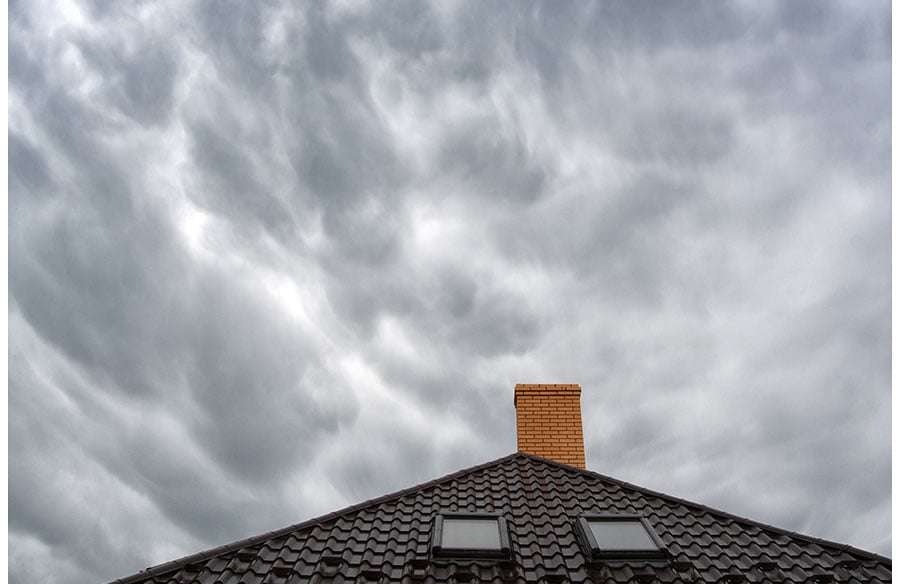
When storms strike, your roof is your home’s first line of defense.
But not all roofing materials stand up equally to powerful winds, heavy rain, and flying debris.
Whether you’re prepping for hurricane season or just want peace of mind during bad weather, choosing the right roof can make all the difference.
We’ll help you find out which roofing options truly protect your home.
Key Notes
- Metal roofing offers superior wind resistance up to 160mph with proper installation and fastening systems.
- Impact-resistant asphalt shingles provide affordable protection against hail and flying debris during storms.
- Concrete tiles deliver excellent durability in hurricane zones when properly secured to roof decking.
- Professional installation matters more than material choice for ensuring maximum storm protection.
Storm-Resistant Roofing Materials
The foundation of any storm-resistant roof begins with selecting appropriate materials.
Not all roofing products perform equally when faced with hurricane-force winds, torrential rain, or hail impacts.
The three leading contenders for storm resistance include metal roofing, synthetic materials, and specialized architectural shingles.
Metal Roofing: The Premier Choice
Metal roofing stands as the gold standard for storm resistance, particularly in hurricane-prone areas.
Modern metal roofing systems can withstand wind speeds exceeding 140 mph when properly installed—well above the threshold for Category 4 hurricanes.
Key characteristics of metal roofing include:
- Interlocking panel design: Creates a unified surface that resists wind uplift
- Lightweight nature: Places less stress on the overall structure
- Impact resistance: Withstands hail and wind-driven debris
- Longevity: 50+ year lifespan with minimal maintenance requirements
Standing seam metal roofs perform particularly well in high-wind environments. The raised seams create natural channels for water runoff while the concealed fastener system eliminates potential failure points.
Another advantage of metal roofing is its excellent performance during lightning storms. Because metal is a good conductor, it doesn’t catch fire easily like some other roofing materials might.
Instead, it safely directs lightning strikes to the ground, reducing the risk of roof fires. This added safety factor makes metal roofing an even smarter choice for homes in storm-prone areas where lightning is a frequent threat.
Synthetic Roofing Materials: Aesthetic and Durable
For homeowners seeking the appearance of slate, clay, or wood shake roofing with enhanced storm performance, synthetic roofing materials offer an excellent solution.
These engineered products combine aesthetic appeal with impressive weather resistance.
Synthetic slate and tile options provide several advantages in storm-prone regions:
- Lighter weight: Typically 1/3 to 1/2 the weight of natural materials
- Impact resistance: Many carry Class 4 impact ratings (the highest available)
- Wind resistance: Quality products resist winds up to 110-130 mph
- Moisture resistance: Will not absorb water or deteriorate like natural materials
Upgraded Architectural Shingles
While not as inherently storm-resistant as metal or synthetic options, modern architectural shingles designed specifically for high-wind areas offer a more affordable alternative with improved performance over standard asphalt products.
Key features of storm-specific architectural shingles include:
- Enhanced wind ratings: Premium products rated for winds up to 130 mph
- Reinforced nailing zones: Prevent shingle tear-off in high winds
- Heavier weight: Typically 50-100% heavier than standard shingles
- Advanced sealants: Create stronger bonds between shingles
Critical Installation Techniques for Storm Resistance
Even the highest-quality roofing materials can fail during severe storms if improperly installed.
In fact, installation quality often proves more critical than material selection in determining how a roof performs during extreme weather events.
Fastening Systems and Their Role
For asphalt shingles, using six nails per shingle rather than the standard four in high-wind zones is crucial.
For metal roofing, proper fastener selection includes ensuring screw length penetrates the deck by at least 3/4 inch and using self-drilling screws with EPDM washers to prevent water intrusion.
Hurricane Clips and Structural Reinforcements
Hurricane clips create a continuous load path from the roof to the foundation, dramatically increasing a structure’s resistance to wind uplift.
Proper installation guidelines for hurricane clips in storm-prone regions ensure clips are visible for post-installation verification.
Sealed Roof Deck Systems
Sealed roof deck systems provide a secondary water barrier when primary roofing materials fail or are damaged. This includes using self-adhering waterproof underlayment and synthetic underlayment with proper overlap and sealing throughout the roof.
Storm Protection Strategies
True storm resistance requires a holistic approach that extends beyond roofing materials and installation techniques to encompass regular maintenance and integration with other building components.
Regular Inspections and Maintenance
Pre-storm season inspections represent a critical yet often overlooked component of roof storm readiness.
Professional inspections should occur at least annually in storm-prone regions, ideally 2-3 months before the typical start of storm season.
Reinforcement of Vulnerable Areas
Certain roof areas consistently show greater vulnerability during storms and warrant special attention.
Reinforcement techniques for these vulnerable areas include enhanced underlayment in valleys and additional fasteners at perimeters (eaves and rakes).
Integration with Garage Doors and Other Components
A roof system does not function in isolation during storms. Its performance interconnects with other building components, particularly large openings like garage doors, which can compromise the entire structure if they fail.
Frequently Asked Questions
How much more expensive are storm-resistant roofing options compared to standard roofing?
Storm-resistant roofing typically costs 10-30% more than standard options, but this investment can save thousands in potential storm damage repairs and may qualify for insurance discounts.
How often should I have my storm-resistant roof inspected?
Schedule professional inspections annually and after any major storm event. Self-inspections from ground level should be conducted seasonally to check for visible damage or loose materials.
Can I upgrade my existing roof to be more storm-resistant without a complete replacement?
Yes, partial upgrades like reinforced fastening systems, hurricane straps, or impact-resistant underlayment can improve storm resistance without full replacement, though results won’t match a complete system.
Are there specific insurance benefits for installing storm-resistant roofing?
Many insurance companies offer premium discounts of 5-25% for certified storm-resistant roofing systems, especially in hurricane-prone regions. Check with your provider about specific programs and requirements.
Conclusion
Choosing the right roofing material is one of the most important decisions you can make to protect your home and family in storm-prone areas.
Metal roofing stands out as the premier choice for its unmatched wind resistance, impact durability, longevity, and even lightning safety. Synthetic roofing and upgraded architectural shingles offer solid alternatives with their own unique benefits, providing options for a variety of budgets and styles.
However, no matter which material you choose, the key to true storm resilience lies in professional installation, proper fastening, and ongoing maintenance.
Investing in a high-quality, storm-resistant roof is not just about safeguarding your property—it’s about securing peace of mind when the next storm hits.
After all, a strong roof is your first line of defense against nature’s fiercest challenges.