Architectural criticism has long served as a mirror and a compass for the built environment, reflecting societal values while guiding future design directions. From the eloquent prose of 19th-century commentators to the incisive analyses of contemporary critics, the discourse surrounding architecture has profoundly influenced both public perception and professional practice. This article delves into the historical trajectory of architectural criticism, examining its role in shaping architectural movements and highlighting the contributions of pivotal figures such as Kenneth Frampton.
The Genesis of Architectural Criticism
The roots of architectural criticism can be traced back to antiquity, but it was during the Renaissance that structured critiques began to emerge, coinciding with a renewed interest in classical antiquity. Architects and theorists like Leon Battista Alberti penned treatises that not only described architectural principles but also evaluated existing structures, setting a precedent for analytical discourse.
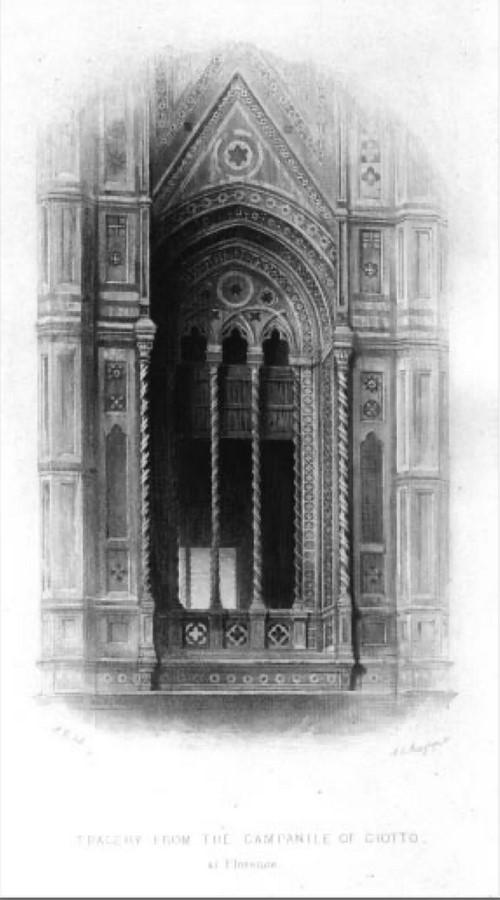
In the 19th century, figures like John Ruskin elevated architectural criticism to new heights. Ruskin’s seminal work, The Seven Lamps of Architecture (1849), articulated moral and aesthetic principles, emphasising the spiritual and societal dimensions of architecture. His advocacy for the Gothic Revival and integrating craftsmanship into architecture influenced both design and preservation movements.
Modernism and the Rise of Critical Discourse
The 20th century witnessed the advent of Modernism, a movement characterised by functionalism, minimalism, and a departure from ornamentation. Architectural criticism during this era became more formalised, with critics analysing the social, political, and technological implications of design.
Lewis Mumford, writing for The New Yorker, examined the intersection of architecture and urbanism, critiquing the dehumanising aspects of industrialised cities. His insights underscored the necessity for human-centric design in the face of rapid urbanisation.
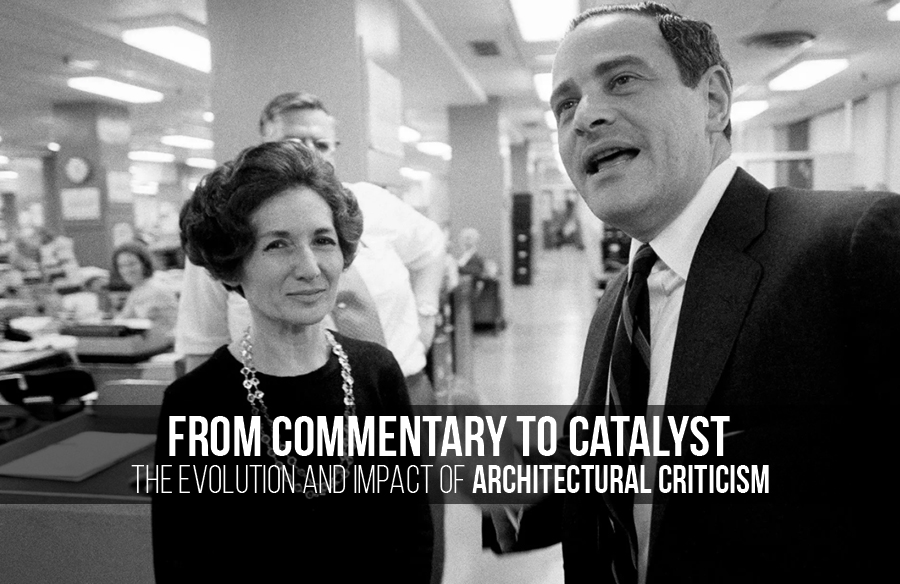
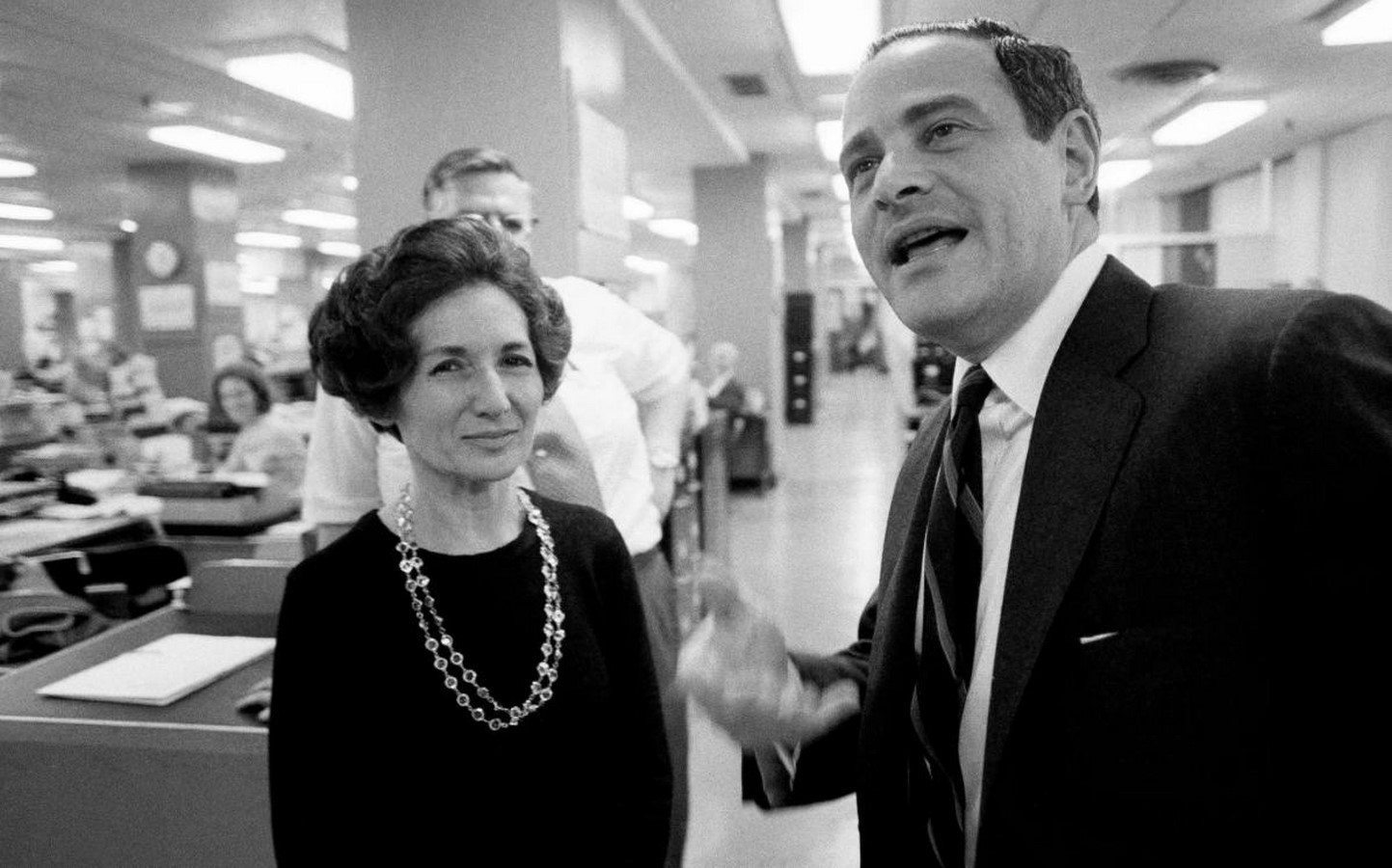
Ada Louise Huxtable, the first full-time architecture critic for The New York Times, brought architectural discourse to the general public. Her lucid critiques not only assessed aesthetic qualities but also addressed the socio-political contexts of buildings, influencing public opinion and policy. Ada, as one of the most influential voices in modern architectural criticism, transformed the role of the critic from a peripheral commentator into a central figure in public discourse on architecture. She brought rigour, wit, and a deep understanding of urban life to her writing. Her critiques were never limited to aesthetics; instead, she interrogated the socio-political implications of buildings, the ethics of urban planning, and the cultural responsibilities of architects. She championed the need for civic-minded architecture, warned against the consequences of careless modernisation, and critiqued the destruction of historic urban fabric in favour of commercial development. Her Pulitzer Prize-winning work helped shape preservation movements and held powerful developers accountable. Huxtable didn’t just write about buildings; she wrote about cities as living systems, and her work made the general public care about how architecture affects their everyday lives.
Among the most influential voices in late 20th-century architectural criticism is Kenneth Frampton. A British architect, historian, and critic, Frampton’s work has profoundly impacted architectural theory and practice. In his 1983 essay, Towards a Critical Regionalism: Six Points for an Architecture of Resistance, Frampton advocated for an architecture rooted in local context, culture, and climate, countering the homogenising tendencies of global Modernism. He emphasised the importance of tactile experience, materiality, and the “poetics of construction,” urging architects to engage with the specificities of place. Frampton’s Modern Architecture: A Critical History further cemented his role as a leading critic, offering a comprehensive analysis of architectural developments and their socio-political underpinnings. His scholarship has influenced generations of architects and academics, fostering a critical approach to design that balances universal principles with regional specificity.
The Role of Criticism in Contemporary Architecture
In today’s digital age, architectural criticism has expanded beyond traditional print media, encompassing blogs, podcasts, and social platforms. This democratisation has allowed for a multiplicity of voices and perspectives, enriching the discourse but also posing challenges in maintaining depth and rigour.
Contemporary critics continue to grapple with pressing issues such as sustainability, equity, and technological integration. The critical evaluation of architecture now encompasses not only aesthetic and functional aspects but also ethical considerations, reflecting the evolving responsibilities of the profession.
Architectural criticism has evolved from descriptive accounts to a multifaceted discipline that interrogates the cultural, political, and environmental dimensions of the built environment. Figures like Kenneth Frampton have exemplified the critic’s role in challenging prevailing paradigms and advocating for contextually responsive design.
As architecture continues to navigate complex global challenges, the need for thoughtful, informed criticism remains paramount. By fostering critical discourse, we not only deepen our understanding of architecture but also guide its progression towards a more inclusive and sustainable future.