Funerary architecture came into the frame when different cultures started believing in the life after death, which is the governing idea of the religion of the Egyptians (Basis of Hope), for the burial and commemoration of the dead. It has been the symbol of the importance of the temporary existence of human life. In the circle of life, between birth and demise, the field of architecture cares for both; living and dead. Throughout time, various funerary has been established across the societies and civilization to ground the faiths and beliefs of different cultures. It also reflects their socio-political structures, material technologies and artistic value. The remembrance and reflection of the dead people has led to the establishment of various structures, from symbolic monuments to the vast tombs.
Prehistoric and ancient funerary practices
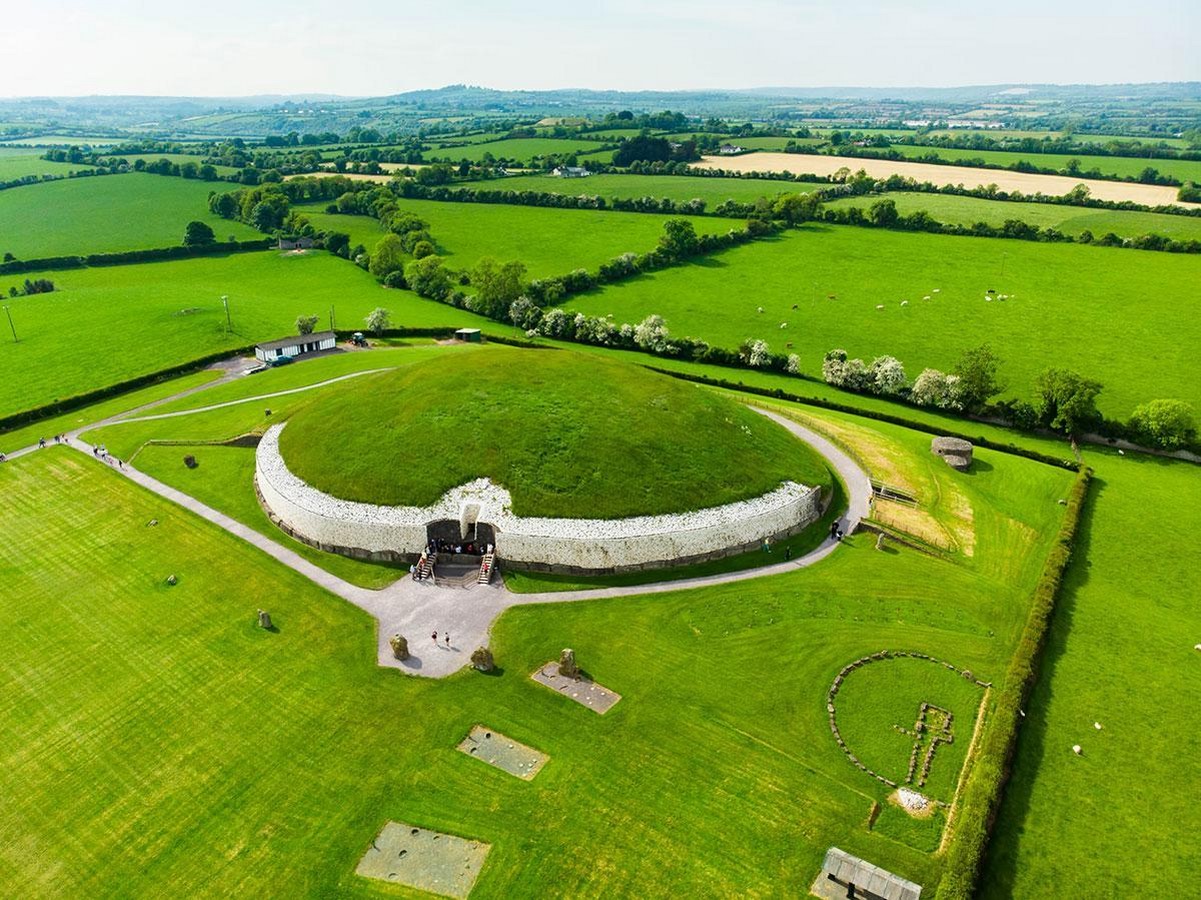
The funerary architecture dates back to prehistoric times when early humans created burial sites as expressions of ritual and respect for the dead. Thermoluminescence dated the tombs in the Iberian peninsula, and some burials at the Carnac stones in Brittany back to the fifth millennium BCE during the neolithic period. (Wikipedia, 2021). These megalithic tombs, including the famous Newgrange tomb in Ireland (c. 3200 BCE), were constructed with large stones and often aligned with celestial events, suggesting spiritual or cosmological significance (Bradley and Routledge, 2010).
In ancient Egypt, funerary architecture reached monumental scales with the construction of pyramids. The archetype of the pyramid was the mastaba, an ancient Egyptian rectangular flat-topped funerary with battered sides covering the burial chamber below. The Pyramid of Djoser (c. 2667–2648 BCE) located at Saqqara, designed by the architect Imhotep, measures the height of 60m and has a base of 120m x 108m represents the earliest large scale cut stone construction and marked the evolution of mastaba tombs into stepped pyramids (The Editors of Encyclopedia Britannica, 2018). The later smooth-sided pyramids of Giza, particularly those of Khufu, Khafre, and Menkaure (c. 2600–2500 BCE), exemplify the divine role of pharaohs and their journey to the afterlife. The interior chambers, funerary texts, and grave goods found within these tombs were intended to ensure the deceased’s safe passage and sustenance in the next world (Wilkinson, 2000).

Mesopotamian and Persian Funerary Rites
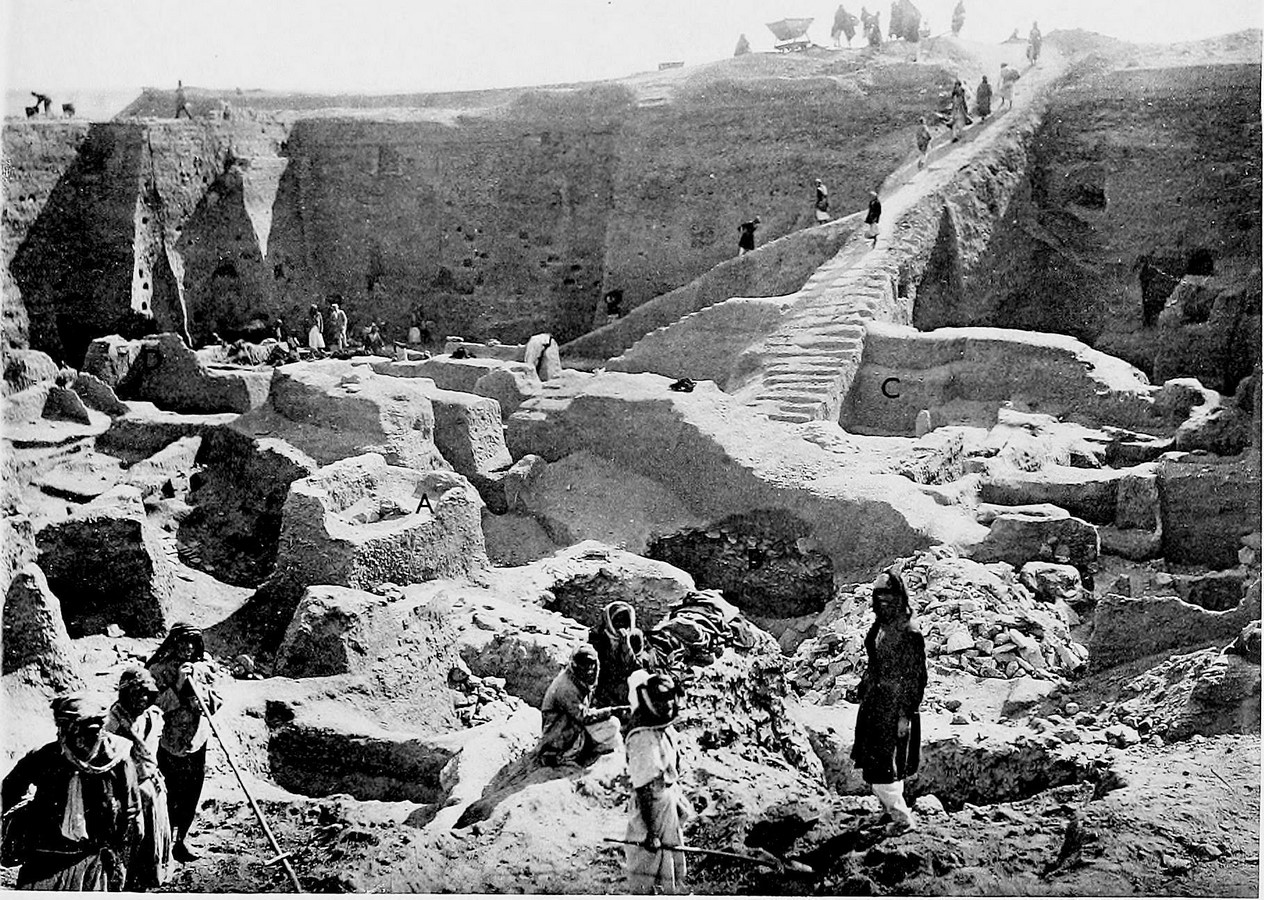
As opposed to the gigantic Egyptian tombs, Mesopotamian mortuary structure was more differentiated by status since Sumerians and Babylonians would typically bury the dead beneath their homes or in cemeteries with very few grave goods. Meanwhile, elite individuals, such as a king or queen, were at times buried in richly adorned tombs, such as the Royal Tombs of Ur, with precious items and sacrificial offerings (Goldade, 2018).
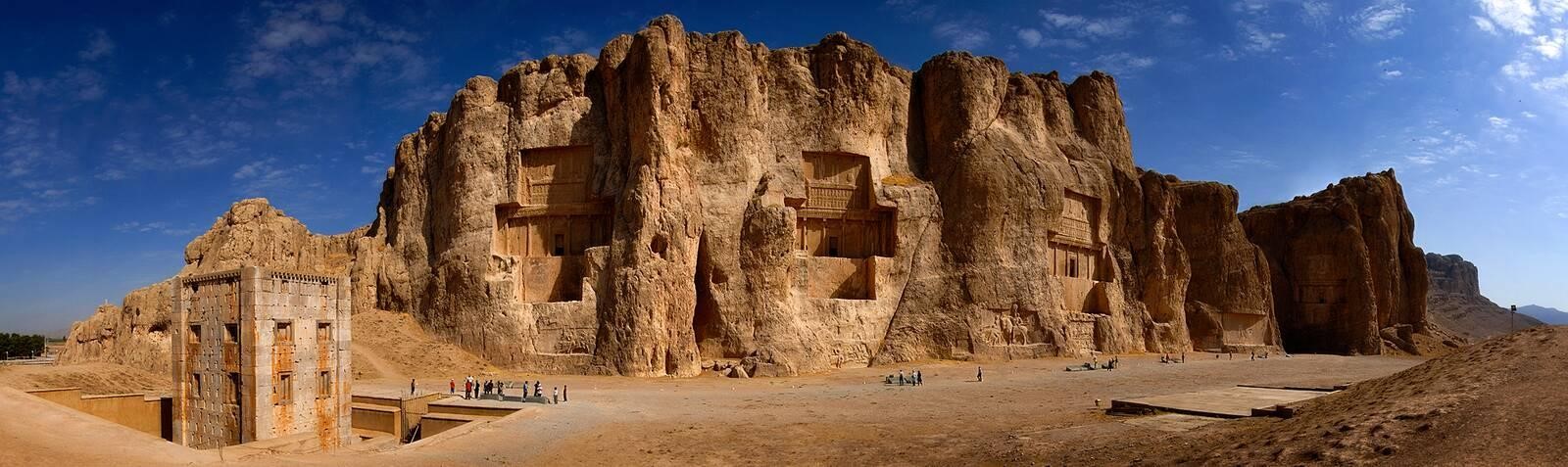
The Achaemenid Persians developed a distinctive funerary type that involved rock-cut tombs where the tombs were directly cut into the mountain face and were visible from a distance. The Naqsh-e Rustam tomb of Darius I (c. 486 BCE) features a cruciform facade cut into a cliff face, combining architectural and sculptural elements that emphasize royal authority and divine association (Tours, 2021).
Classical Greek and Roman Funerary Architecture
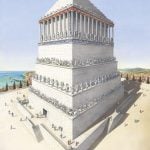
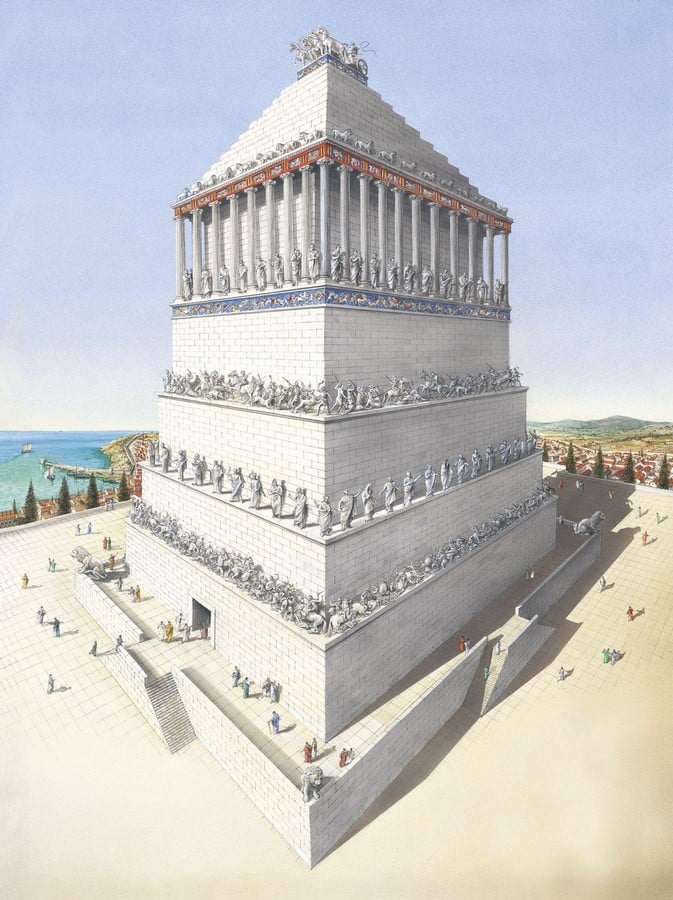
In ancient Greece, death rituals mirrored civic and familial values. Simple stone markers comprised early Greek burials, but by the Classical era (5th–4th centuries BCE), grave stelai (vertical stone slabs) bearing relief-carved figures were typical in Athenian cemeteries such as the Kerameikos (Boardman, 1991). Inscriptions routinely followed tombs, communicating private identity and public remembrance. The Mausoleum of Halicarnassus (c. 350 BCE), built for Mausolus, a Persian satrap, was one of the Seven Wonders of the Ancient World and demonstrates the combination of Greek, Egyptian, and Lycian architectural traditions in commemorative monuments (Hooper-Greenhill, 2000). It accounts for the modern use of the term “mausoleum.”.
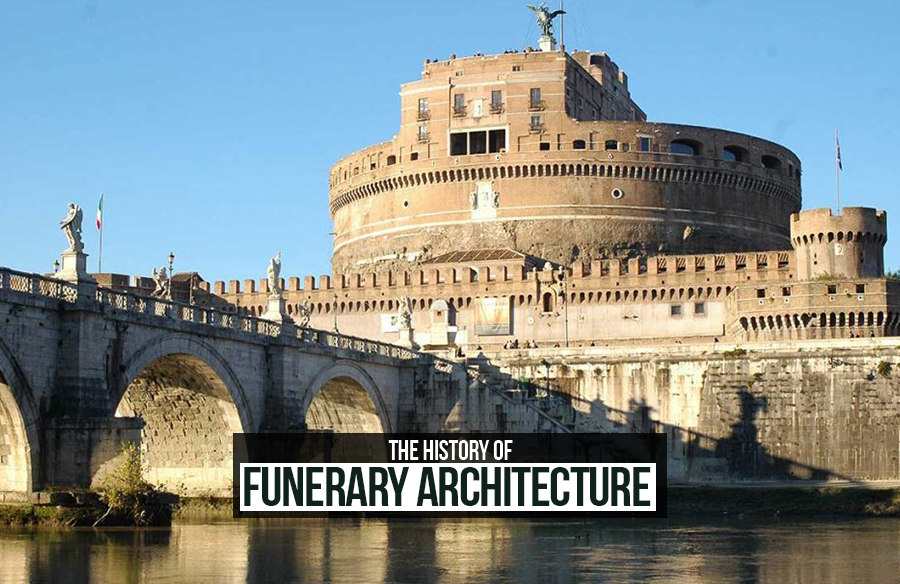
The Romans took over and transformed Greek funerary traditions, bringing in columbaria (multi-niche tombs for cremated ashes) and monumental funerary arches and sarcophagi. Wealthy families constructed large mausoleums, like the Tomb of Augustus (c. 28 BCE) and the Mausoleum of Hadrian (now Castel Sant’Angelo), combining funerary purposes with urban and imperial meaning (Zanker, 1988).

Funerary Architecture in Asia
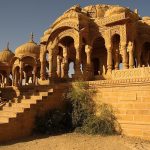
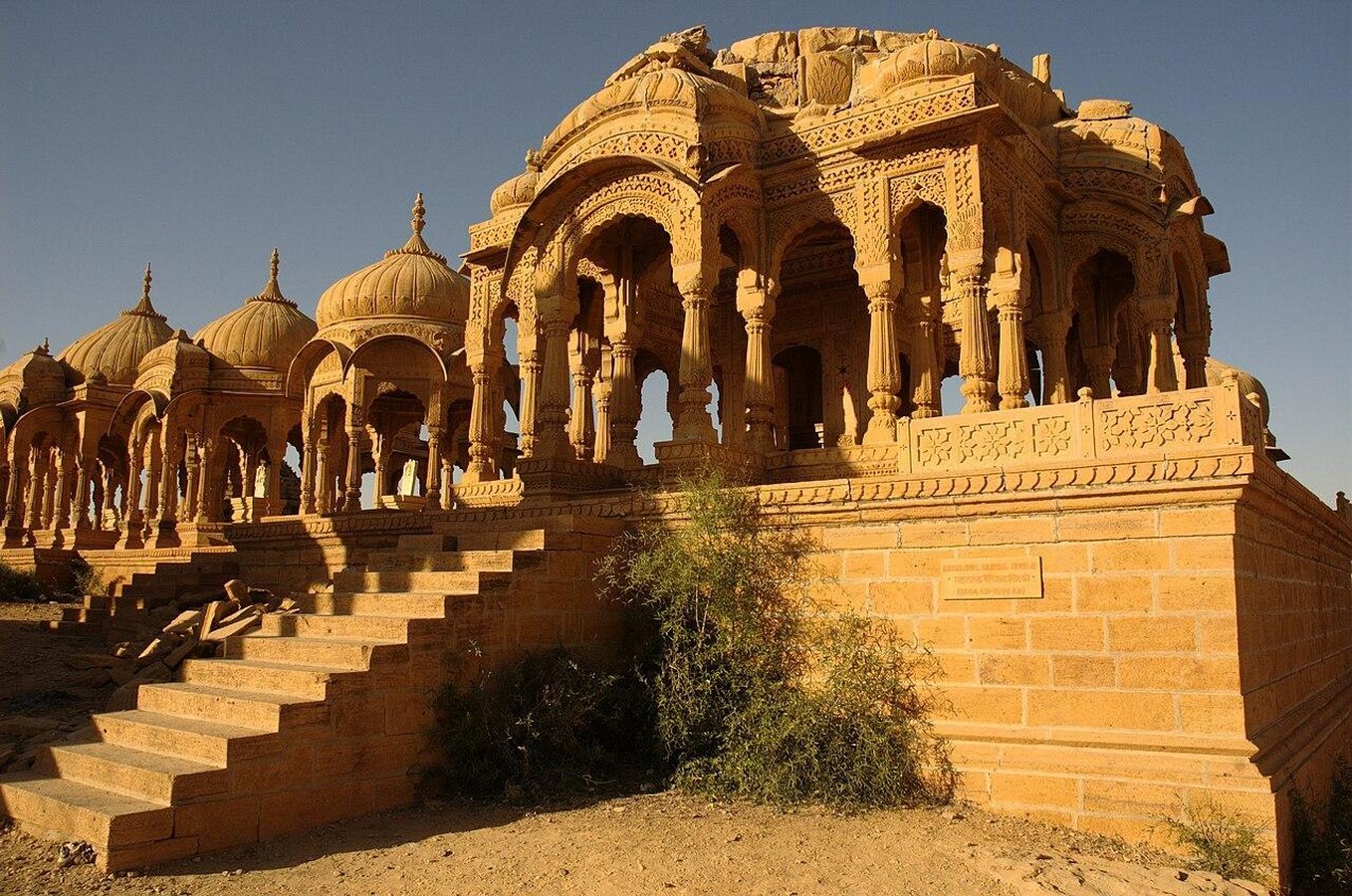
In India, funerary architecture evolved in relation to Hindu, Buddhist, and later Islamic influences. The Buddhist stupas, like the Great Stupa at Sanchi (3rd century BCE), were originally reliquary mounds containing the remains of the Buddha or saints. These hemispherical structures, topped by gateways (toranas) and a path for circumambulation, represented the cosmic mountain and the path of the spiritual journey (Dehejia, 1997). In the Gupta Empire and later periods, Hindu temples occasionally had shrines or samadhi mandirs for saints. Cremation, however, continued and still continues to be the major funerary ritual in Hinduism, and memorials took the form of cenotaphs or chhatris (domed pavilions).
In China, imperial tombs such as the Han Dynasty (206 BCE–220 CE) and Tang Dynasty (618–907 CE) were monumental underground complexes, often oriented along geomantic lines (feng shui). The Ming Tombs on the outskirts of Beijing (15th–17th centuries) represent the height of pomp of Confucian funerary ritual, combining axial planning, spirit ways with statutes, and ceremonial halls (Steinhardt, 1997).
Medieval Christian and Islamic Funerary Architecture
As Christianity developed in Europe, funeral architecture became inextricably associated with ecclesiastical structures. Christian burials in the early period were in catacombs, like those in Rome, and churchyards and crypts under churches. Pilgrimage churches and reliquary chapels, like Santiago de Compostela in Spain (Fletcher, 1996), were built because of the cult of saints.
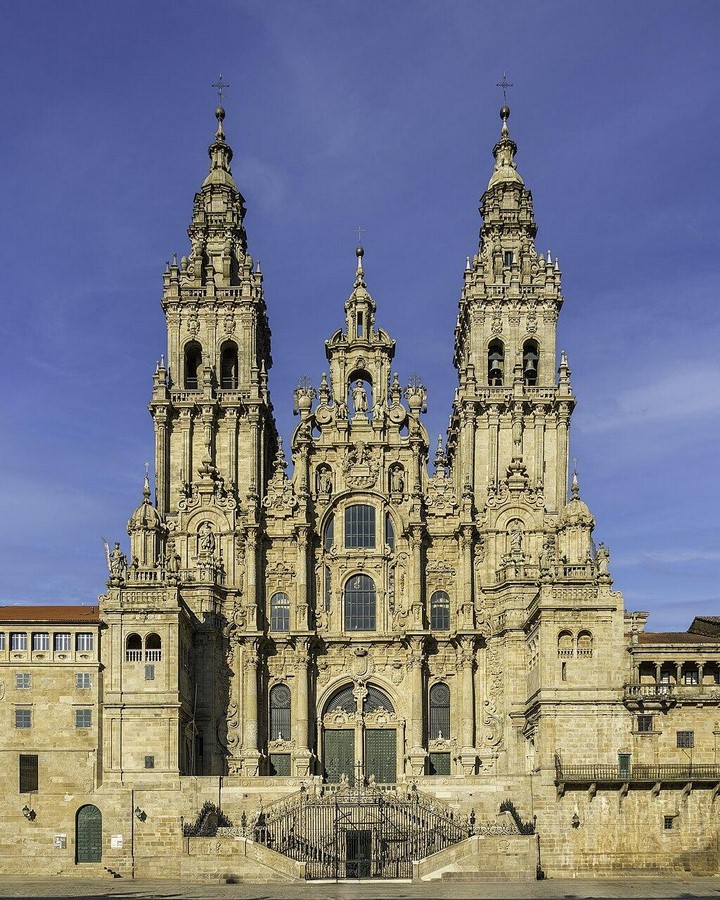
During the Romanesque and Gothic eras (11th–15th centuries), royal, cleric, and nobility tombs were extravagantly carved with canopies, effigies, and epitaphs. Westminster Abbey Plantagenet tombs and the tombs within Chartres Cathedral exemplify the use of funeral architecture within sanctified structures in order to create everlasting memories (Gutenberg.org., 2025).
Islamic funerary architecture in the Islamic world developed from aniconic and austere structures to decorated mausoleums, particularly under the Timurids and the Mughals. The Gur-e Amir (Timur’s Tomb) in Samarkand and the Taj Mahal (1632–1653) in Agra, India, are masterpieces of Persian, Central Asian, and Indian architectural fusion. The Taj Mahal, constructed by Shah Jahan in memory of his wife Mumtaz Mahal, is renowned for its symmetrical layout, marble inlay, and symbolic depiction of paradise (Koch, 2006).
Renaissance to Modern Funerary Architecture
The Renaissance revived classical themes in funerary monuments once more, with an emphasis on proportion, geometry, and humanist ideals. Architects such as Michelangelo created elaborate tombs, including the Medici Chapel in Florence, with sculptural allegories of life and death (Gilbert, 2019). During the Baroque and Neoclassical periods, tombs were dramatized and memorialized, as in the cases of obelisks, urns, and narrative reliefs. The Panthéon in Paris, originally a church, was transformed into a secular mausoleum for national heroes such as Voltaire and Marie Curie (www.paristickets.com, 2025).
The 19th century saw the development of garden cemeteries, including Paris’s Père Lachaise and London’s Highgate Cemetery. These were landscapes that blurred landscape and architecture to produce places of contemplation, manifesting Romantic ideals of nature and death (Curl, 2000).

Contemporary approaches and innovation
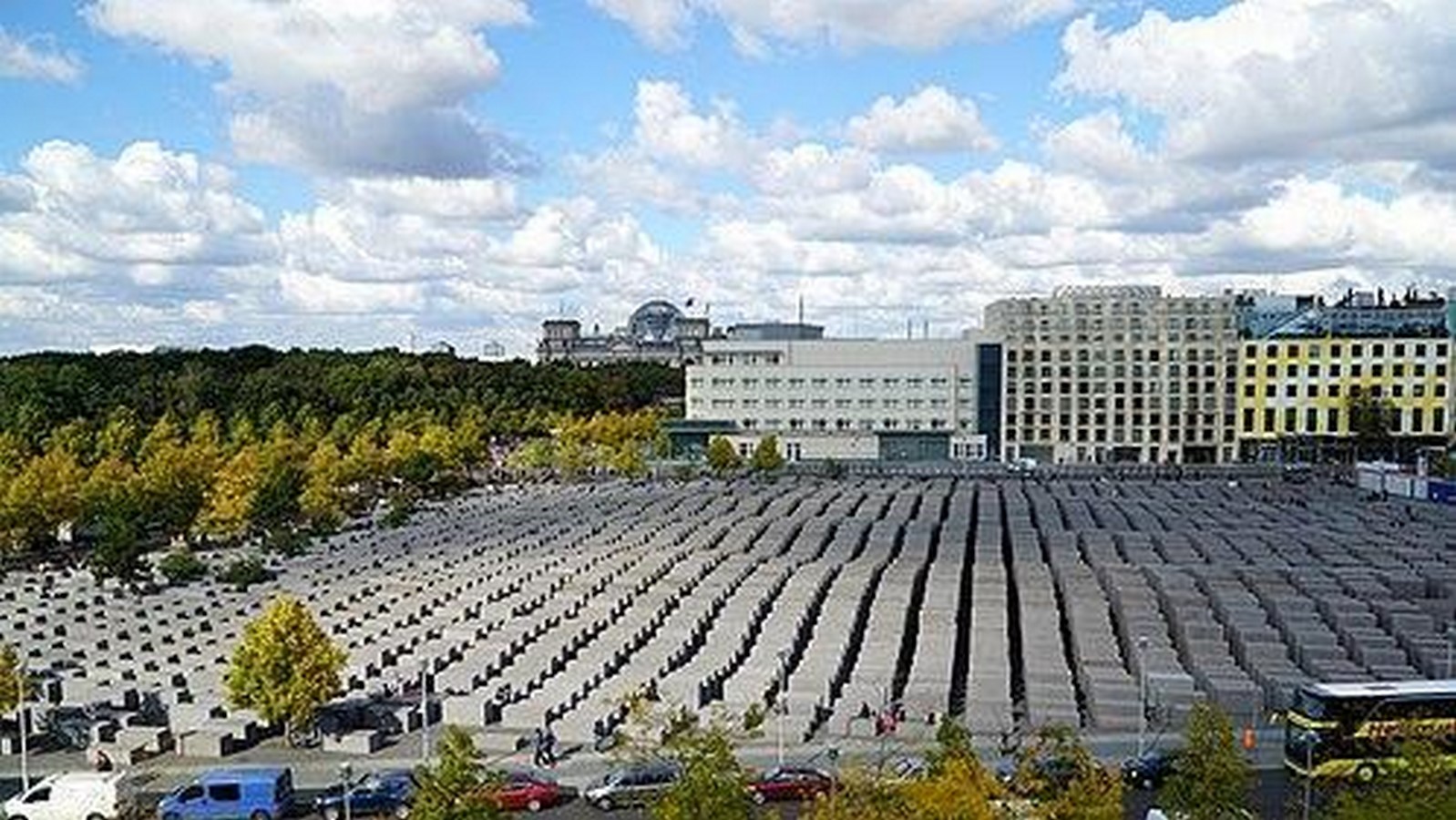
In the 20th and 21st centuries, funeral architecture has included minimalist designs, ecologism, and information technologies. Architects like Gunnar Asplund (Woodland Cemetery, Stockholm) and Peter Zumthor (Brother Klaus Field Chapel) created spaces of spiritual contemplation and ecological balance (Michèle Woodger, 2018). Contemporary memorials, like Maya Lin’s Vietnam Veterans Memorial (1982) and Peter Eisenman’s Memorial to the Murdered Jews of Europe (2005) in Berlin, dispense with traditional form in favor of abstraction and emotion. Cremation and non-traditional funeral practices, like natural burials, aquamation, and space burials, mirror evolving cultural attitudes toward death and sustainability (Mitford, 2013).
The story of funerary architecture is a history of human civilization. It traces changing beliefs in death, the afterlife, and commemoration, and demonstrates innovation in design, material, and symbolism. As societies continue to negotiate mortality, environmentalism, and pluralism, funerary architecture will continue to be a powerful and changing architectural genre.
References:
- Wikipedia. (2021). Funerary art. [online] Available at: https://en.wikipedia.org/wiki/Funerary_art.
- Bradley, R. and Routledge (2010). The significance of monuments : on the shaping of human experience in Neolithic and Bronze Age Europe. London ; New York: Routledge.
- The Editors of Encyclopedia Britannica (2018). Pyramid | architecture. In: Encyclopædia Britannica. [online] Available at: https://www.britannica.com/technology/pyramid-architecture.
- Wilkinson, R.H. (2000). The complete temples of ancient Egypt. New York: Thames & Hudson.
- Goldade, J. (2018). Cultural Spotlight: Ancient Mesopotamian Funeral Traditions. [online] Frazer Consultants. Available at: https://web.frazerconsultants.com/cultural-spotlight-ancient-mesopotamian-funeral-traditions/.
- Tours, I. (2021). Naqsh-e Rostam. [online] Iran Safar Travel. Available at: https://www.iransafar.co/naqsh-e-rostam-achaemenid-necropolis/.
- Boardman, J., 1991. Greek Art. London: Thames and Hudson.
- Hooper-Greenhill, E., 2000. Museums and the Interpretation of Visual Culture. London: Routledge.
- Zanker, P., 1988. The Power of Images in the Age of Augustus. Ann Arbor: University of Michigan Press.
- Dehejia, V., 1997. Indian Art. London: Phaidon Press.
- Steinhardt, N.S., 1997. Chinese Imperial City Planning. Honolulu: University of Hawai‘i Press.
- Fletcher, B., 1996. A History of Architecture. 20th ed. London: Butterworth-Heinemann.
- Gutenberg.org. (2025). The Project Gutenberg eBook of How France Built Her Cathedrals, by Elizabeth Boyle O’Reilly. [online] Available at: https://www.gutenberg.org/files/41687/41687-h/41687-h.htm [Accessed 6 May 2025].
- Koch, E., 2006. The Complete Taj Mahal and the Riverfront Gardens of Agra. London: Thames and Hudson.
- Gilbert, C. (2019). Michelangelo – The Medici Chapel. In: Encyclopædia Britannica. [online] Available at: https://www.britannica.com/biography/Michelangelo/The-Medici-Chapel.
- www.paristickets.com. (2025). Discover France’s Iconic Mausoleum, Paris Panthéon. [online] Available at: https://www.paristickets.com/pantheon/about/ [Accessed 3 May 2025].
- Curl, J.S., 2000. A Celebration of Death: An Introduction to Some of the Buildings, Monuments and Settings of Funerary Architecture in the Western European Tradition. Stroud: Sutton.
- Michèle Woodger (2018). Encounters with the divine. [online] Ribaj.com. Available at: https://www.ribaj.com/culture/fourteen-chapels [Accessed 2 May 2025].
- Mitford, J. (2013). The American way of death revisited. New York Vintage Books New York Vintage Books.