Burial, since ancient times, has been a well-established and respected practice across the diverse cultures of the world. Whether rooted in beliefs in an afterlife, reincarnation, or other spiritual frameworks, people have consistently expressed their grief through commemorative rituals. Honouring the dead by creating unique spaces where they can be visited and remembered is interpreted in varying ways across cultures—from the lively celebrations of the Day of the Dead to solemn observances such as the Orthodox Saturday of the Dead during Easter’s Holy Week. While in earlier times the deceased were often interred beneath religious establishments, contemporary approaches increasingly emphasise the creation of park-like cemeteries that honour the intrinsic connection between humans and the Earth.
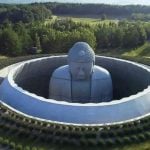
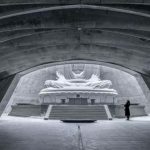
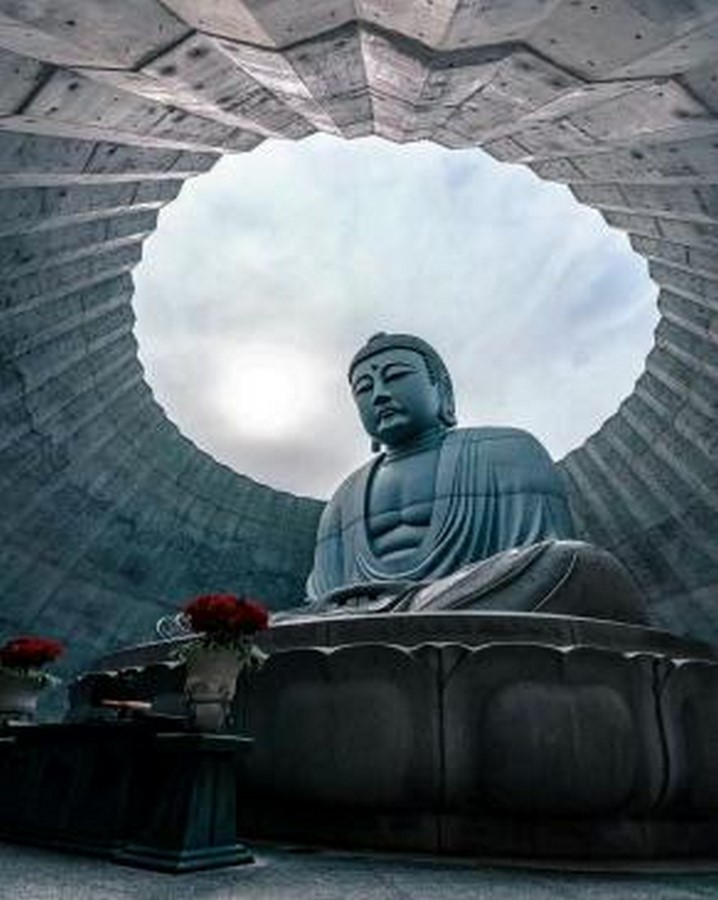
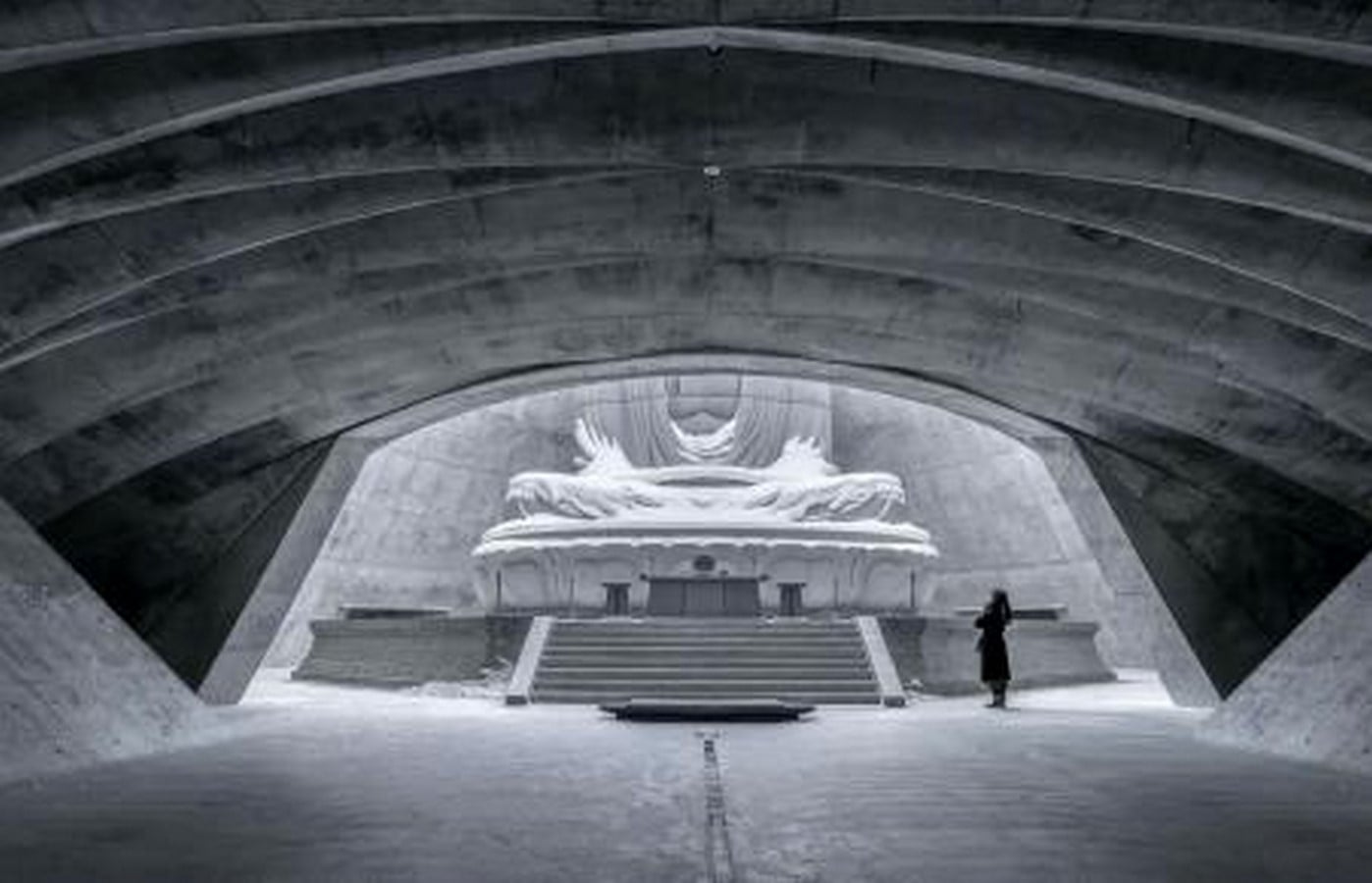
Tadao Ando, one of the most influential masters of concrete, has created a remarkable expression of spirituality and reverence through his unique vision. Yukio Takahashi, Honorary Chairman of the Public Interest Incorporated Association Furusato Koen at the Makomanai Takino Cemetery, invited Ando to reimagine the surroundings of an existing 13.5-metre-tall stone Buddha statue. Inspired by his travels to the cave temples of Ajanta in India and Dunhuang in China, Ando recalled the profound atmosphere of those sacred spaces. The darkness of the caves—where faint light revealed cold stone statues carved by hand in seemingly reality-defying ways—left a lasting impression. They evoked a potent sense of mystery and introspection, which guided Ando’s conception of what would become the ‘Hill of Buddha’.
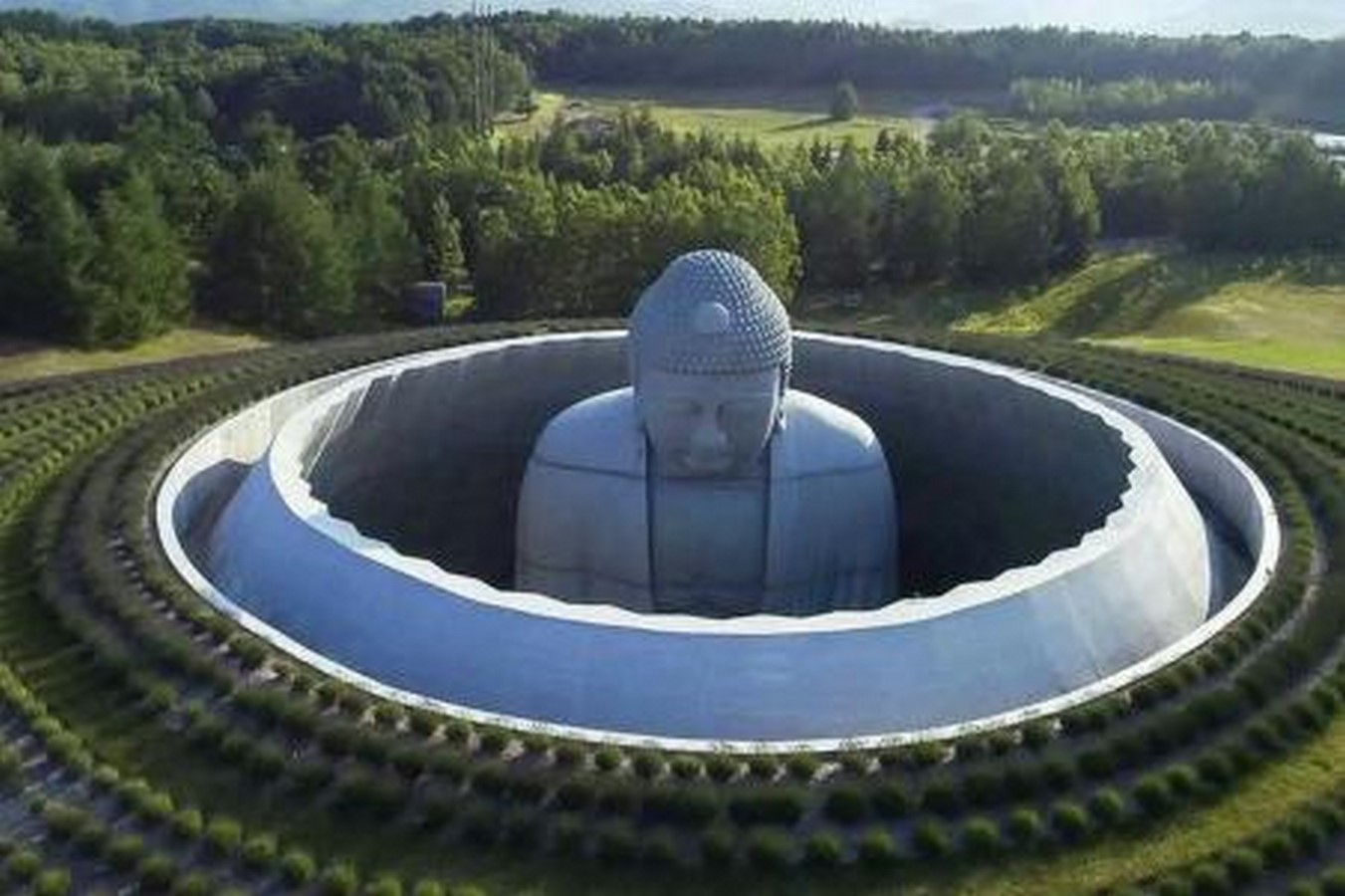
The cemetery’s surrounding park featured an assortment of stone statues which, like the Buddha, appeared somewhat out of place. Seeking harmony and coherence, the cemetery administration asked how the elements could be unified, with a particular focus on the towering Buddha. Ando’s response was simple yet radical: “Let’s bury it.” And so he
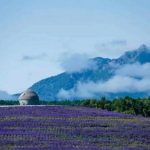
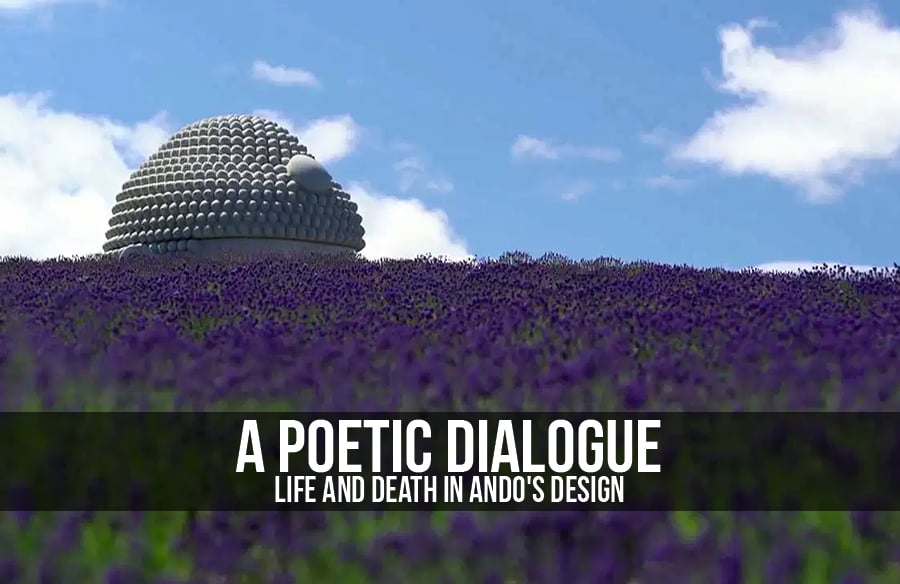
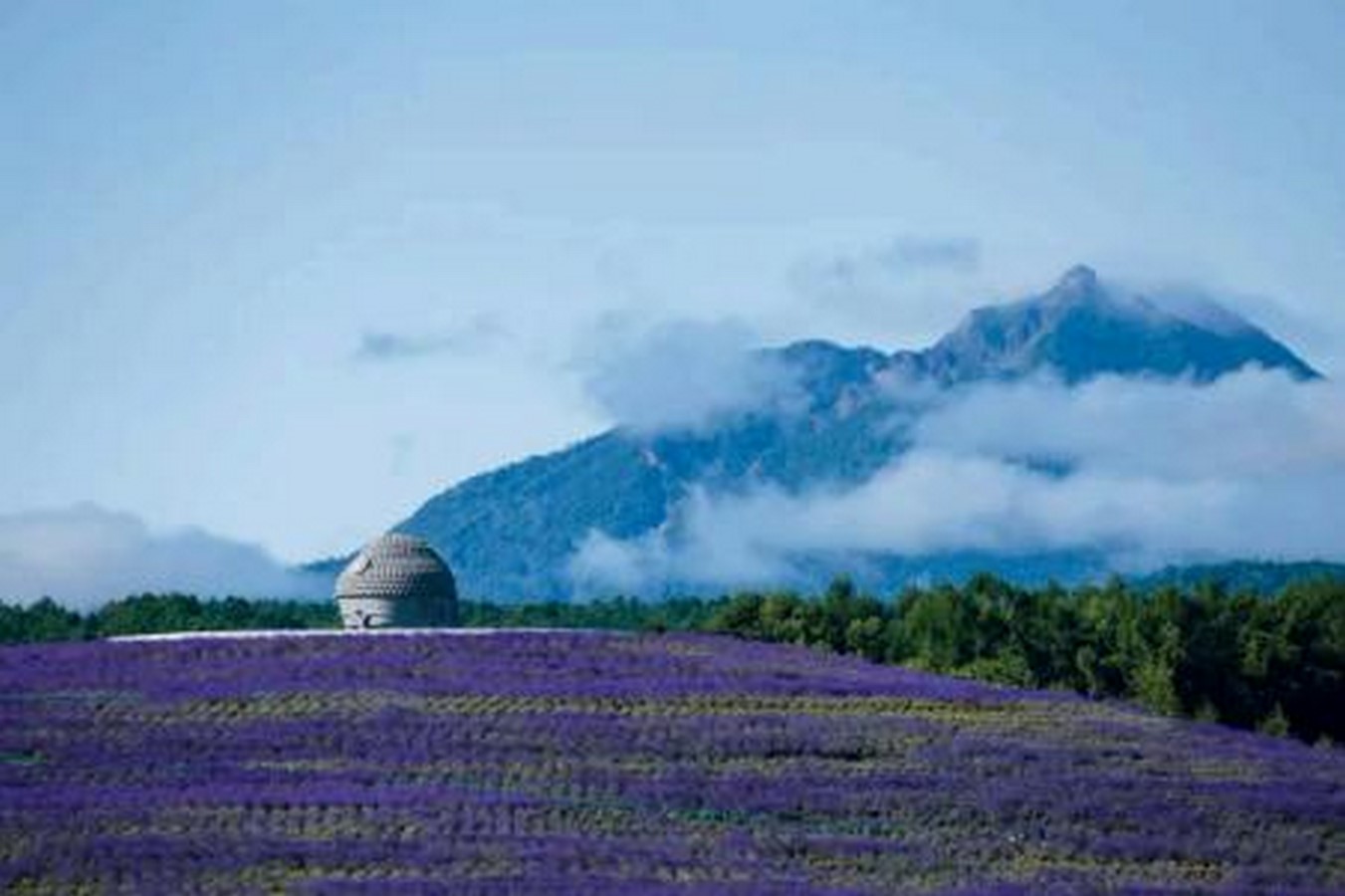
did—enveloping the statue in an artificial hill composed of concentric rings of lavender, with the monumental figure at the heart of the mausoleum. This act of partial concealment deepens the spiritual experience, forming a powerful contrast between the raw materiality of concrete and the soft vibrancy of flowers. The result is a poetic dialogue between life and death.
In hanakotoba—the Japanese language of flowers—lavender symbolises faithfulness. The colour purple, too, has deep cultural resonance in Japan, traditionally associated with nobility, power, and spiritual depth. In Japanese Buddhism, it signifies transformation, wisdom, and the impermanence of life. Lavender’s calming properties further affirm its thoughtful selection for this transitional space between the worlds of the living and the dead. The original plan called for 150,000 lavender plants—an unfeasible amount to acquire at once—so the contractor began sowing seeds a year prior to construction. As the building rose, he simultaneously nurtured the plants. Once the snow had melted and construction was complete, the lavender was replanted across the site, transforming the landscape with changing hues—vivid purple in summer, silvery white in winter, and fresh green in spring.
Brooklyn Rail, 2024. Landscape Creation: Hill of the Buddha by Tadao Ando. [online] Available at: https://brooklynrail.org/2024/05/criticspage/Landscape-Creation [Accessed 30 Apr. 2025].
ArchDaily, 2017. Tadao Ando Envelops Giant Buddha Statue in Lavender-Planted Hill Temple. [online] Available at:
https://www.archdaily.com/877329/tadao-ando-envelops-giant-buddha-statuein-lavender-pla nted-hill-temple [Accessed 30 Apr. 2025].
LIVE JAPAN, 2023. Atama Daibutsu: Mysterious Buddha Found in the Middle of a Hokkaido Lavender Field? Let’s Investigate!. [online] Available at: https://livejapan.
Images
JNTO (Japan National Tourism Organization). (n.d.). Atama Daibutsu (Hill of the Buddha), Sapporo, Japan [Photograph]. Available at:
https://res.cloudinary.com/jnto/image/upload/w_640,h_427,c_fill,f_auto,fl_lossy,q_60/v1/medi a/filer_public/e0/94/e094693e-ae0d-446b-b5d5-19aa8915b1d5/atama_daibutsu_01_ebk7bf [Accessed 2 May 2025].
Azibaza. (2023). What is the Hill of the Buddha? Sapporo, Japan. [online] Available at: https://news.azibaza.com/what-is-the-hill-of-the-buddha-sapporo-japan/ [Accessed 2 May 2025].