When I embarked on renovating my two small, malfunctioning bathrooms, my primary goal was sustainability. I aimed to minimise waste, retaining existing fixtures where possible, and sourcing Australian-made or reclaimed materials to reduce both costs and environmental impact. As an architect with limited interior design experience, the design process was meticulous. However, once construction commenced, unforeseen issues like extensive mold and water damage necessitated the removal of more materials than anticipated. Despite my best efforts, the project resulted in a full skip bin of waste from just 8 square metres of space.
This experience highlighted the challenges even professionals face in sustainable renovations. For the average homeowner, lacking specialised knowledge, achieving a net-zero or regenerative renovation can seem daunting. Considering that Australia generated approximately 75.8 million tonnes of waste in 2018–19, as per the Australian Bureau of Statistics, with households contributing 12.4 million tonnes (16.3%), it’s imperative to explore how we can better manage and repurpose renovation waste.
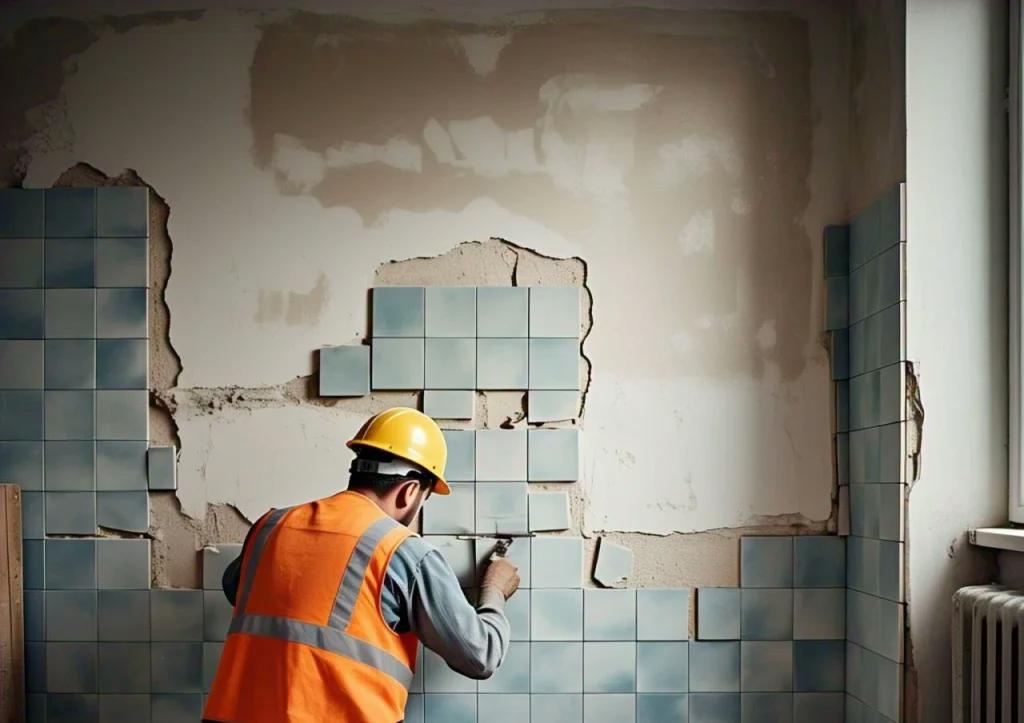
The construction and demolition (C&D) sector is a significant contributor to Australia’s waste, accounting for 16.8% of the country’s total annual waste. While over 76% of C&D waste is recycled, a substantial amount still ends up in landfills. Bathroom renovations, in particular, generate waste like old fixtures, tiles, and cabinetry, which often go unpurposed due to a lack of awareness or infrastructure.
The Journey of Demolished Tiles
Once bathroom tiles are removed during renovations, they often end up in skip bins, destined for landfill. However, tiles are highly recyclable. When properly sorted, they can be crushed and repurposed into materials like road base, drainage aggregates, or even new tiles. This process not only diverts waste from landfills but also reduces the demand for virgin materials. In Australia, some recycling facilities accept ceramic and porcelain tiles, processing them into reusable materials. For instance, crushed tiles can be used in landscaping or as a component in concrete production. This approach aligns with the principles of a circular economy, where materials are kept in use for as long as possible.
Manufacturers are also embracing sustainability by producing tiles made from recycled materials. RAK Ceramics, for example, has introduced the ‘Re-Use’ series, comprising tiles made entirely from 100% pre-consumer recycled materials. These tiles are crafted by repurposing waste generated during the ceramic production process, resulting in durable and eco-friendly products suitable for various applications.
By choosing such products, homeowners and architects can contribute to reducing environmental impact while maintaining aesthetic and functional standards in their projects.
Embracing a Circular Economy
Transitioning to a circular economy involves designing out waste and keeping products and materials in use. For bathroom renovations, this could mean:
- Designing for Disassembly: Creating spaces where components can be easily removed and reused.
- Material Passports: Documenting the materials used in a building to facilitate future reuse.
- Community Material Libraries: Establishing repositories where leftover materials can be donated and accessed by others.
Such approaches not only reduce environmental impact but also offer economic benefits by lowering material costs.
Policy and Community Engagement
Government policies play a crucial role in promoting sustainable practices. For instance, Western Australia has implemented waste levies to encourage recycling, aiming for a 77% recovery rate for C&D materials by 2025. Community engagement is equally vital. Educational programs can raise awareness about the benefits of material reuse, while local initiatives can provide platforms for sharing resources and knowledge.
My personal renovation journey underscored the complexities of sustainable practices, even for those within the industry. However, it also highlighted the immense potential for innovation and creativity in repurposing materials. By embracing a circular economy, educating the public, engaging with community initiatives, and advocating for supportive policies, we can transform renovation waste from a problem into an opportunity. Together, we can build a more sustainable and regenerative architectural future in Australia.