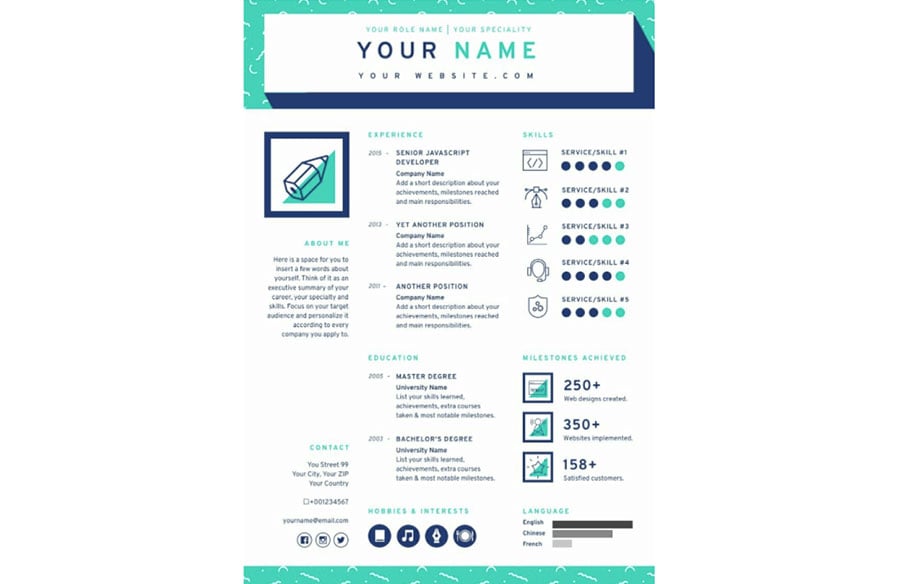
In 2025, architecture remains a competitive field where a well-crafted resume can open doors to outstanding opportunities. A strong resume of an architect not only showcases design skills but also highlights project management abilities, technical expertise, and a clear career vision. In this article, you will discover ten detailed architect resume examples and templates. Each model caters to different experience levels and career goals, helping you present yourself as the perfect fit for any architectural position.
Why a Modern Resume of an Architect Matters
Architecture is a forward-thinking profession. Your resume must reflect innovation, professionalism, and strategic presentation. Outdated formats can cost you interviews, no matter how skilled you are. Modern employers seek candidates who show attention to detail even before the first meeting. Choosing the right structure, highlighting technical expertise, and aligning with the job’s creative expectations are key. To craft a resume that truly stands out, consider seeking from professional resume service CraftResumes for online help. Their professional resume writers and certified experts offer an inline service that fine-tunes every section of your resume, ensuring you present yourself in the best possible light.
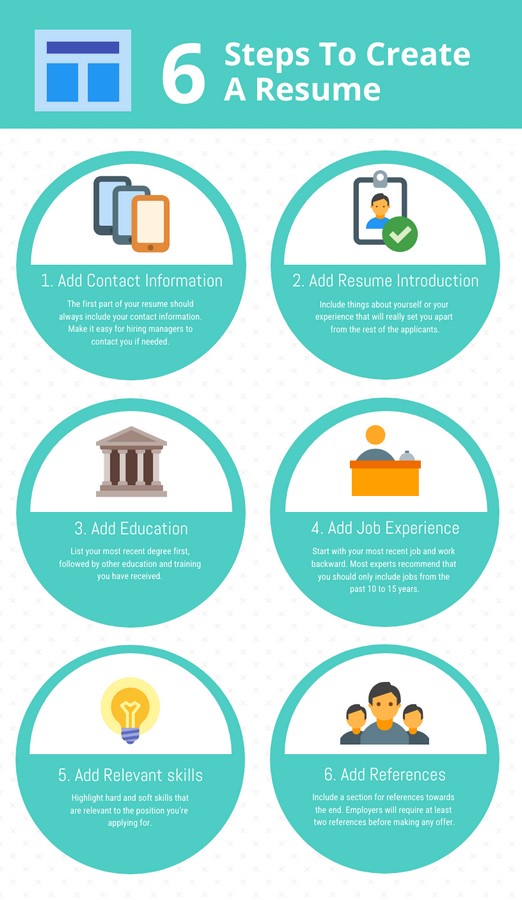
What to Include in an Architect Resume (Checklist)
Use this handy checklist to make sure your resume is comprehensive and professional:
- Contact Information (name, phone, email, LinkedIn, portfolio link)
- Professional Summary (short and powerful intro)
- Skills Section (mix of technical and soft skills)
- Work Experience (achievements, not just duties)
- Education (include GPA if recent graduate)
- Certifications (LEED, NCARB, etc.)
- Portfolio Link (host on Behance, your website, or PDF)
- Languages & Tools (especially if applying internationally)
Tips to Help You Create a Beautiful Resume
 1. Start Strong with a Clear, Punchy Summary
Your summary is the first thing a hiring manager will read, so make it count. In two to three sharp sentences, introduce your professional identity—mention how many years you’ve worked in architecture, your key area of expertise, and one thing that makes you unique. Maybe you specialize in sustainable design or have a knack for managing large-scale commercial projects. Make it personal, not robotic. This isn’t where you say you’re “passionate” about architecture—it’s where you show what you do best.
2. Tailor Your Resume to Each Role
No two jobs are exactly the same, and neither should your resume be. Before applying, take a few minutes to adjust your resume to match the role. Look at the job posting—what software do they use? What kinds of projects do they focus on? Echo those keywords and skills in your resume. This small effort makes a big difference, especially when companies use applicant tracking systems (ATS) to filter resumes.
3. Focus on Results, Not Responsibilities
One of the most common resume mistakes? Simply listing what you were “responsible for.” That’s not what hiring managers want. Instead, they want to know what you accomplished. Did you reduce construction time? Improve team workflows? Bring a project in under budget? Use real numbers when possible to show your impact. Even if you’re early in your career, you can still talk about contributions to group projects or internship results.
4. Mix Technical Skills with Human Skills
Architects don’t just draw buildings—they communicate ideas, lead teams, and solve real-world problems. So yes, list your tools—AutoCAD, Revit, Rhino, SketchUp—but don’t forget the soft skills. Your ability to present to clients, work under deadlines, and collaborate with contractors can be just as important. These human qualities often make the difference between two equally skilled applicants.
5. Keep the Layout Simple and Clean
It might be tempting to design your resume like a portfolio piece—but don’t overdo it. An over-styled resume can confuse both hiring managers and ATS software. Stick to a clean, professional design. Choose an easy-to-read font, keep headings clear, and use just enough white space so nothing feels crowded. One or two pages max. And always, always save it as a PDF.
6. Include Your Portfolio—and Make It Easy to Find
A resume without a portfolio is like a floor plan without measurements. Whether it’s a personal website, Behance profile, or a link to a Google Drive folder, make sure your portfolio is included and accessible. Put the link right under your contact details, and make sure it works on both desktop and mobile. This is one of the first things an employer will click.
7. Use Action-Oriented Language
Use strong, active verbs to begin each bullet point in your experience section. Words like “designed,” “managed,” “coordinated,” and “presented” show leadership and initiative. This kind of language creates momentum and shows that you’re not just sitting behind a desk—you’re making things happen.
8. Add Certifications That Matter
Certifications give your resume extra weight. If you’re a licensed architect, include your RA status. If you’ve earned credentials like LEED AP or NCARB, they’re definitely worth listing. They show you’ve invested time into your professional development and that you understand the regulations and standards that shape the industry.
9. Emphasize Key Projects
Rather than just naming companies you’ve worked for, highlight specific projects. What did you work on? What was your role? How big was the project—budget, square footage, or timeline? Naming a landmark, a published design, or an award-winning project tells a much more compelling story than generic job descriptions.
10. Mention Awards or Recognitions
If you’ve received design awards, competition wins, or even internal company recognitions, don’t be shy about them. These accolades show that others see value in your work—and that can boost your credibility instantly. Whether it’s a student competition or a national design award, include it.
Resume Templates Overview Table
| Resume Type | Key Focus | Must-Have Sections |
| Junior Architect | Education and Internships | Objective, Skills, Education |
| Senior Architect | Leadership, Projects | Summary, Experience, Certifications |
| Freelance Architect | Project Variety, Client Base | Profile, Selected Projects, Skills |
| Architecture Student | Academic Projects, Competitions | Objective, Education, Projects |
| Solution Architect | Systems Integration | Summary, Experience, Certifications |
| Interior Architect | Aesthetics, Client Satisfaction | Objective, Experience, Skills |
| Sustainable Architect | Green Certifications, Eco-Projects | Summary, Certifications, Projects |
| Residential Architect | Client Customization | Objective, Experience, Skills |
| Commercial Architect | Large-Scale Planning, Compliance | Profile, Projects, Skills |
| Urban Planner/Architect | Public Spaces, Civic Collaboration | Summary, Experience, Skills |
Resume Tips for 2025
- Keep your resume architect ATS-friendly by using standard section titles.
- Use keywords from job postings.
- Quantify achievements, such as “Completed 12 residential projects within budget and timeline.”
- Highlight certifications early, especially LEED, WELL, or PMP.
- Customize your resume for each job application.
Resume Cover Letter
A powerful resume cover letter can make your application memorable. It serves as your first personal introduction to the hiring manager. While the resume lists achievements, the cover letter tells your story. For architects, it is crucial to show passion for design, a strong understanding of client needs, and the ability to lead projects. Good resume cover letter examples should highlight specific skills like sustainable building practices, leadership, and technical expertise. Always tailor the letter to the firm and project type. A well-written cover letter can tip the scales in your favor.
Example Resume Cover Letter Excerpt
Dear Hiring Manager,
I am writing to express my interest in the Architect position at [Company Name]. With over seven years of experience designing innovative commercial spaces and a strong background in sustainable architecture, I am confident that my skills align perfectly with your firm’s vision. My recent leadership of a LEED-certified office project strengthened my ability to balance aesthetics, functionality, and environmental responsibility. I am excited about the opportunity to contribute my creativity and technical expertise to your dynamic team.
Thank you for your time and consideration.
Sincerely, Laura Mitchell
Sample Resume Architect Who Won the Competition for the Vacancy
Jacob Reed
- Summary: Creative architect with 8+ years designing public and private projects.
- Key Skills: BIM modeling, sustainable design, client engagement
- Experience:
- Lead Architect, CivicBuild Studios (2020–2025)
- Spearheaded $12M community center project.
- Reduced construction time by 18% through innovative prefabrication methods.
- Education: Bachelor of Architecture, UCLA
- Certifications: LEED AP, PMP
Resume Cover Letter
Dear Hiring Manager,
As an architect passionate about sustainable urban solutions, I was excited to see the opening at [Company Name]. My experience managing multi-million-dollar public projects and deep commitment to eco-friendly practices make me a strong candidate. I am eager to bring my leadership skills and design expertise to your innovative team.
Thank you for considering my application.
Sincerely, Jacob Reed
Conclusion
Creating a resume architect in 2025 requires more than listing job duties. It demands a strategic presentation of skills, achievements, and vision. Whether you’re a fresh graduate or a senior professional, using tailored templates and real-world examples can make all the difference. Combine clear structure with smart keyword use, showcase your certifications early, and ensure your story matches the role you seek.