Architecture is a purposeful creation of environments that deeply affect human feelings, thoughts and social interactions. Architectural design creates a multi-sensory experience through visual aesthetics while using sight, sound touch smell and spatial orientation to shape human behavior. Architects who understand sensory inputs can develop spaces that fulfill their functional needs while boosting well-being productivity and social connection.

The Visual Narrative: Light, Form, and Color
The visual realm stands as the most consciously perceived element of architectural design. The combination of natural and artificial light creates powerful effects on human emotions and our body’s natural rhythm. Research shows that sufficient natural illumination leads to better alertness, improved mood and enhanced cognitive abilities. Spaces with insufficient lighting create feelings of discomfort together with fatigue and depression in occupants. The strategic placement of windows, skylights, and artificial lighting fixtures thus plays a crucial role in shaping the atmosphere and influencing behavior within a space.
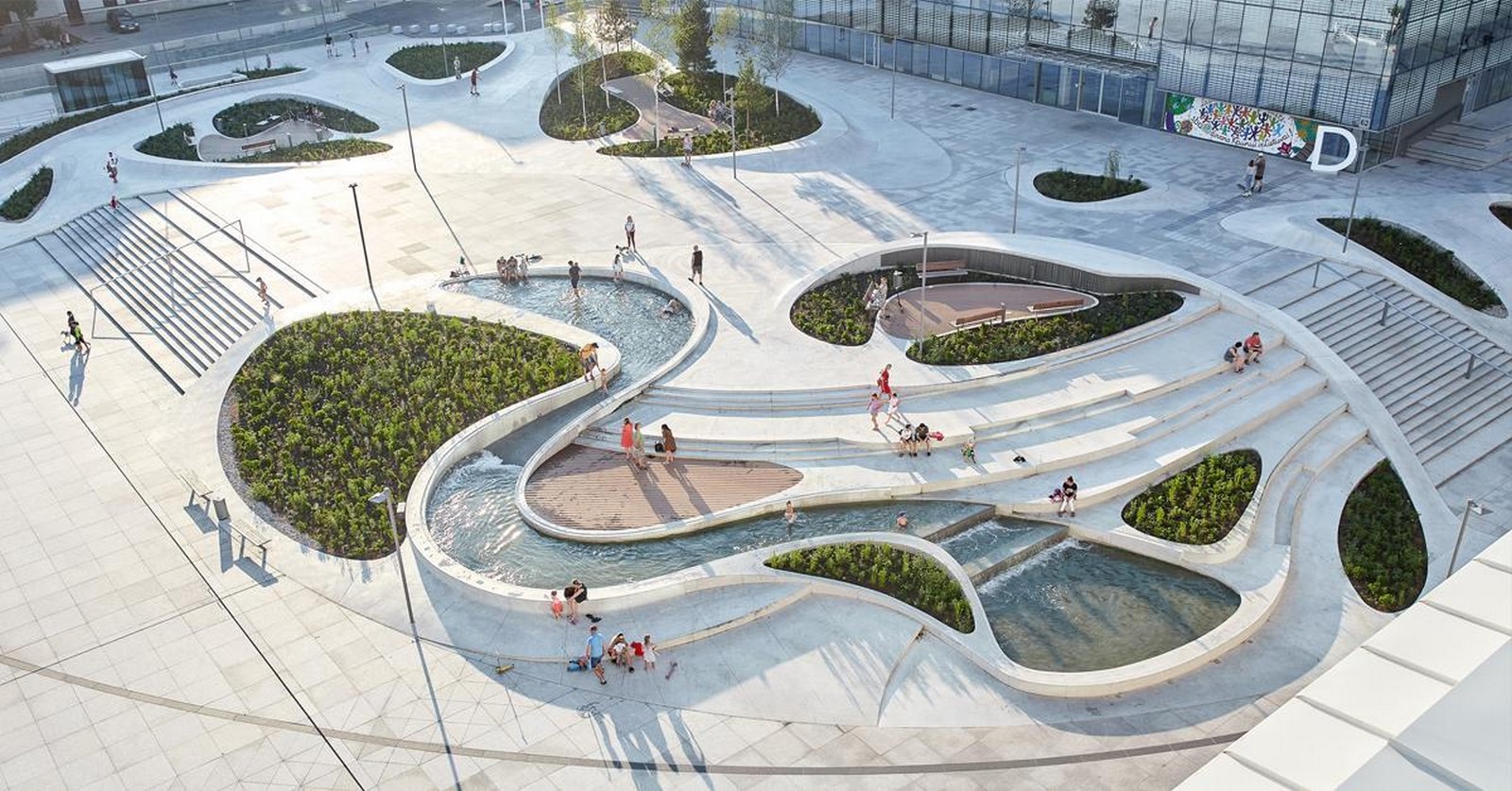
The visual experience together with our subsequent responses receives substantial influence from both form and geometry. The combination of elevated ceilings with expansive floor plans generates feelings of unrestricted freedom which promotes creative collaboration. The combination of low ceilings with limited spaces creates an atmosphere of security through intimacy yet it may produce feelings of being trapped or claustrophobic. The implementation of curved lines together with organic forms produces a sense of fluidity and calmness but sharp angles and rigid structures tend to project order and formality.
Color functions as a strong visual indicator that holds substantial psychological power. Warm colors such as red and yellow create stimulating effects while cool colors including blue and green work to create relaxation and tranquility. Different areas of a building benefit from specific color palettes because these strategic color choices affect human behavior by enhancing focus in study spaces and creating calmness in healthcare environments.

The Auditory Landscape: Sound and Silence
The acoustic environment of a space has a profound impact on our concentration, stress levels, and social interactions. Excessive noise can be disruptive, leading to decreased productivity, increased irritability, and even health problems. Conversely, well-designed acoustics can create a sense of calm and focus. Architects consider factors such as sound absorption, reflection, and transmission through materials and spatial arrangements to optimize the auditory experience.
The presence or absence of specific sounds can also influence behavior. The gentle sound of a water feature can create a sense of tranquility, while the rhythmic hum of machinery might promote a feeling of industry and activity. Soundscapes that are carefully considered can enhance the intended purpose of a space, fostering a conducive environment for work, relaxation, or social interaction.

The Tactile Dimension: Texture and Materiality
Our sense of touch provides us with crucial information about our surroundings, influencing our perception of comfort, safety, and even social cues. The textures of surfaces – from smooth glass to rough stone, soft carpet to polished wood – evoke different sensory experiences and can impact our behavior. For instance, the warmth and texture of natural wood might create a feeling of comfort and connection to nature, while cool, hard surfaces like concrete and steel can project a sense of modernity and efficiency.
The physical characteristics of a space determine how people interact with it. Stone’s solid and permanent nature creates stability feelings but glass’s light and transparent quality creates open and connected feelings to the outside world. Architects choose materials based on their visual appeal as well as their physical sensation and psychological effects.

The Olfactory Realm: Scent and Atmosphere
The sense of smell remains unnoticed by many people yet it produces instant emotional and behavioral effects. Specific odors trigger vivid memory responses while shaping our emotional state and producing physical reactions in our bodies. Although architects do not directly manage olfactory environments they can influence space scents through their selection of materials and ventilation systems and by incorporating natural elements such as plants.
Natural wood and plants used in design elements can create soft pleasant scents which enhance feelings of well-being. The combination of inadequate ventilation with synthetic materials produces unpleasant odors which create negative effects on space experience. The deliberate evaluation of olfactory factors leads to architectural designs that are both holistic and positive.

The Embodied Experience: Spatial Configuration and Movement
The way a building is arranged in space together with its movement patterns creates powerful effects on human behavior. The way spaces are connected, the presence of clear pathways, and the ease of navigation all contribute to our sense of orientation and comfort. Well-defined circulation patterns can promote intuitive movement and reduce feelings of confusion or anxiety.
The layout of spaces either supports or hinders particular forms of social interaction. Open communal areas promote social interaction and collaboration but private enclosed spaces enable focused work and contemplation. The strategic placement of seating elements, pathways and visual barriers functions to guide behavior and shape social dynamics within a building.
Designing for the Human Experience
The art of architectural design extends past visual appeal because it involves multiple sensory elements. Architects who carefully analyze the effects of light sound texture smell and spatial arrangements create environments that meet functional needs while positively affecting human conduct and health outcomes. The complex relationship between the human senses and built spaces enables architects to develop environments that combine visual attractiveness with emotional impact and cognitive support for a more satisfying human experience. The growing understanding of how our surroundings affect our minds and bodies will make multisensory architectural design essential for developing spaces where we live, work and interact.
References:
- Ar. Pinki, and Ar. Harsh Yadav. “Chandlai Village Jaipur- a Study of Sustainable Development & Research Approach towards Smart Village.” Journal for ReAttach Therapy and Developmental Diversities, vol. Vol. 6 No. 1, 14 Jan. 2023, jrtdd.com/index.php/journal/article/view/2614, https://doi.org/10.53555/jrtdd.v6i1.2614.
- Bedrosian, T A, and R J Nelson. “Timing of Light Exposure Affects Mood and Brain Circuits.” Translational Psychiatry, vol. 7, no. 1, Jan. 2017, pp. e1017–e1017, www.ncbi.nlm.nih.gov/pmc/articles/PMC5299389/, https://doi.org/10.1038/tp.2016.262.
- Brown, Mary Jean, and David E. Jacobs. “Residential Light and Risk for Depression and Falls: Results from the LARES Study of Eight European Cities.” Public Health Reports, vol. 126, no. 1_suppl, May 2011, pp. 131–140, https://doi.org/10.1177/00333549111260s117.
- Delaqua, Victor. “Sensory Design: Architecture for a Full Spectrum of Senses.” ArchDaily, 7 Oct. 2021, www.archdaily.com/969493/sensory-design-architecture-for-a-full-spectrum-of-senses.
- “Higher Light Levels May Improve Cognitive Performance.” ELife, eLife Sciences Publications, Ltd, 23 Apr. 2024, elifesciences.org/for-the-press/7dde4c77/higher-light-levels-may-improve-cognitive-performance.
- Spence, Charles. “Senses of Place: Architectural Design for the Multisensory Mind.” Cognitive Research: Principles and Implications, vol. 5, no. 1, 18 Sept. 2020, https://doi.org/10.1186/s41235-020-00243-4.
- St-Jean, Philippe, et al. “A Review of the Effects of Architectural Stimuli on Human Psychology and Physiology.” Building and Environment, vol. 219, no. 109182, July 2022, p. 109182, https://doi.org/10.1016/j.buildenv.2022.109182.