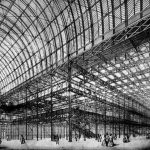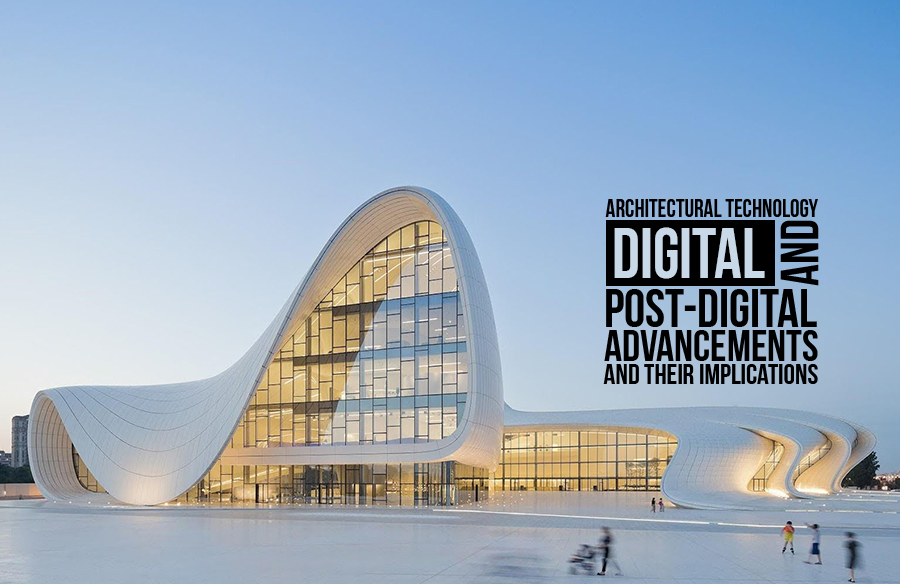
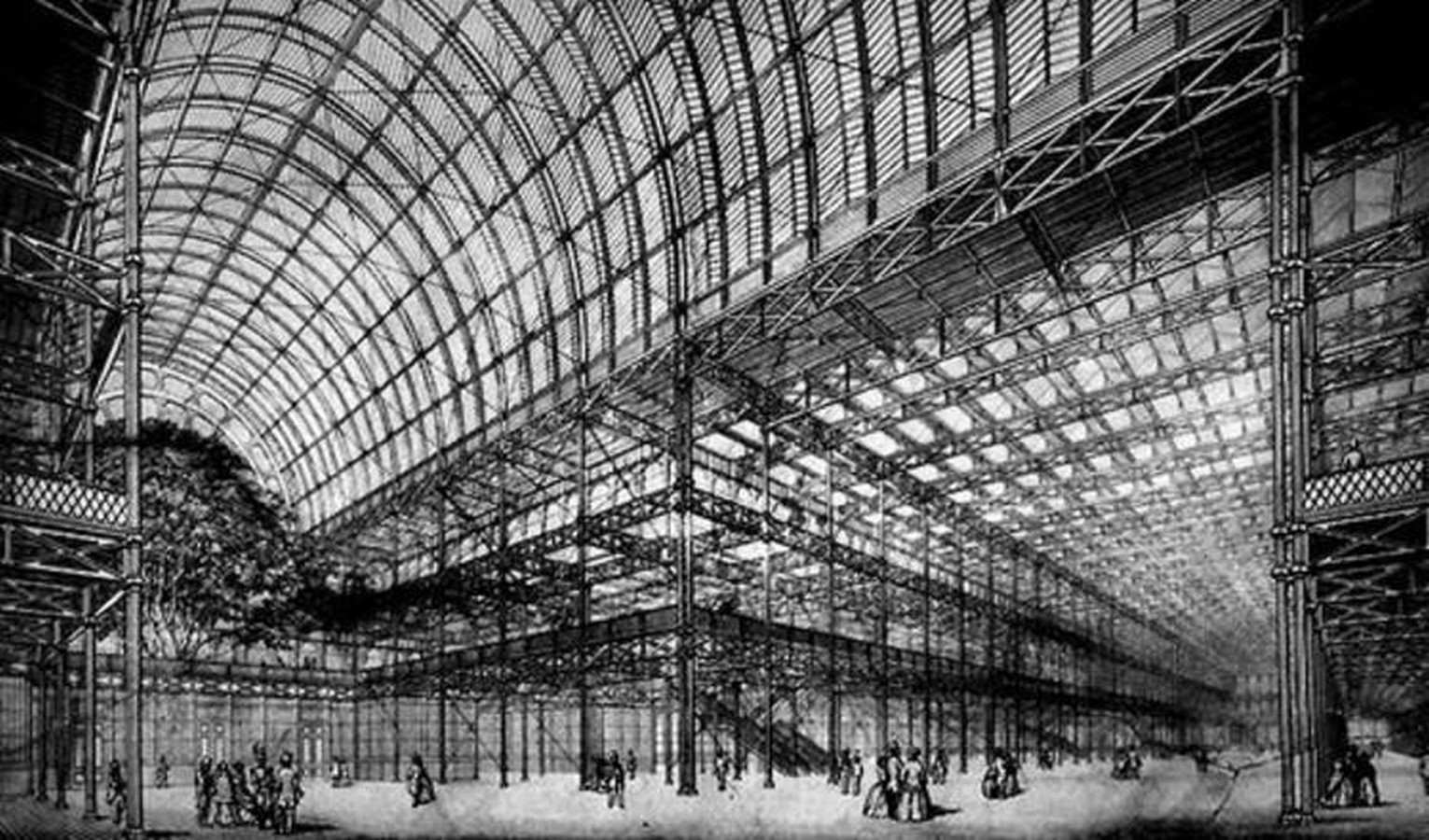
The practice of architecture has been closely intertwined with the advent of technology. From tools used in construction to the digital platforms driving contemporary design, technology shapes how we conceptualise design and construct our built environment. Since the Industrial Revolution, advancements in technology have had a significant impact on the way we perceive architecture. A notable example is the Crystal Palace, built in London, which showcased advancements in building with steel and glass. Today’s technology has revolutionized how we think about architecture and opens up an array of possibilities. Let’s look at a few examples of technological advancements and their implications.
Computation and Parametric Modeling
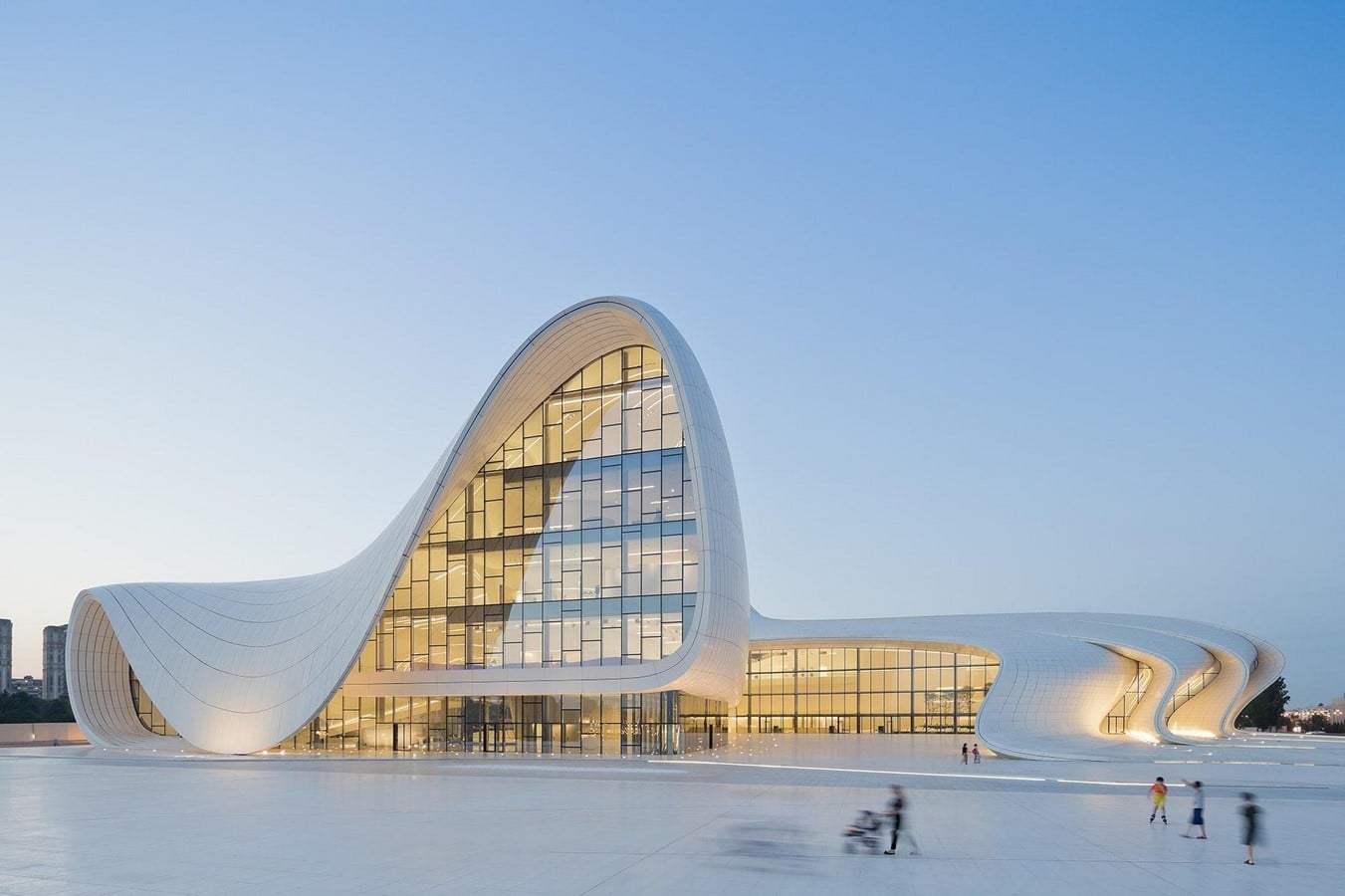
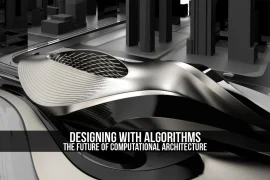
Parametric design uses computers to define the assembly logic of different design components. Computation helps create workflows and systems that help increase efficiency in terms of energy consumption, materials, and feasibility. Algorithms are used to iterate quickly. This modeling system helps create stunning and dynamic forms while keeping the information organized to build from.
This design process allows for real-time adjustments and greater flexibility. This also makes it possible to create complex forms that would otherwise be difficult to achieve.
Building Information Modeling
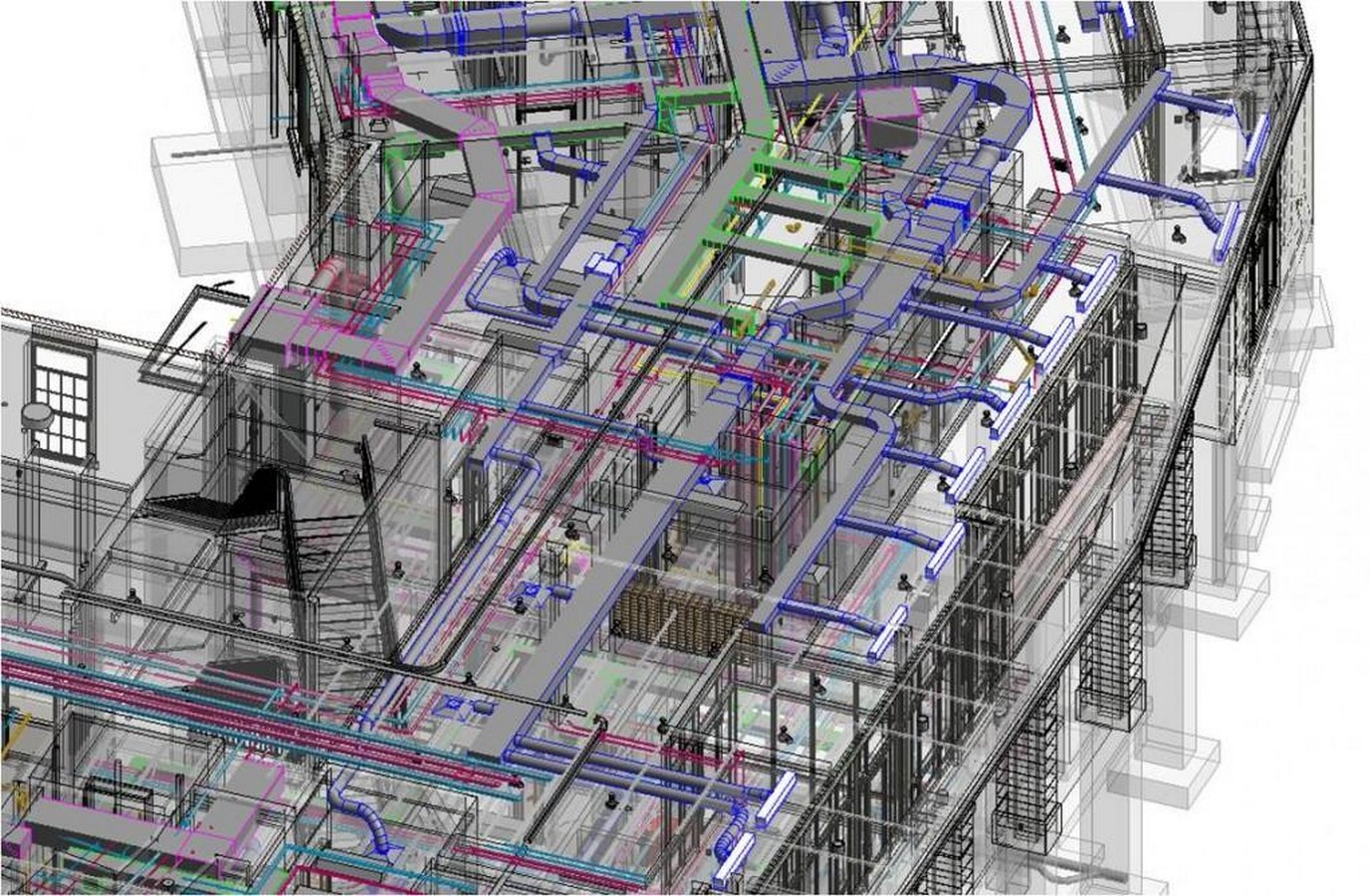
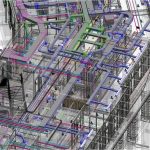
BIM (Building Information Modeling) is a modern approach that utilizes a digital model to represent building assets. This system encompasses all data concerning a building. Everything is stored in one place, from design ideas, visualizations, schedules, materials, and budgets. It enables parallel collaboration among various players in the construction industry. It allows designers to shift between 2D drawings and 3D models with ease and also helps in identifying possible issues, finding solutions, and strategizing.
Augmented Reality and Virtual Reality
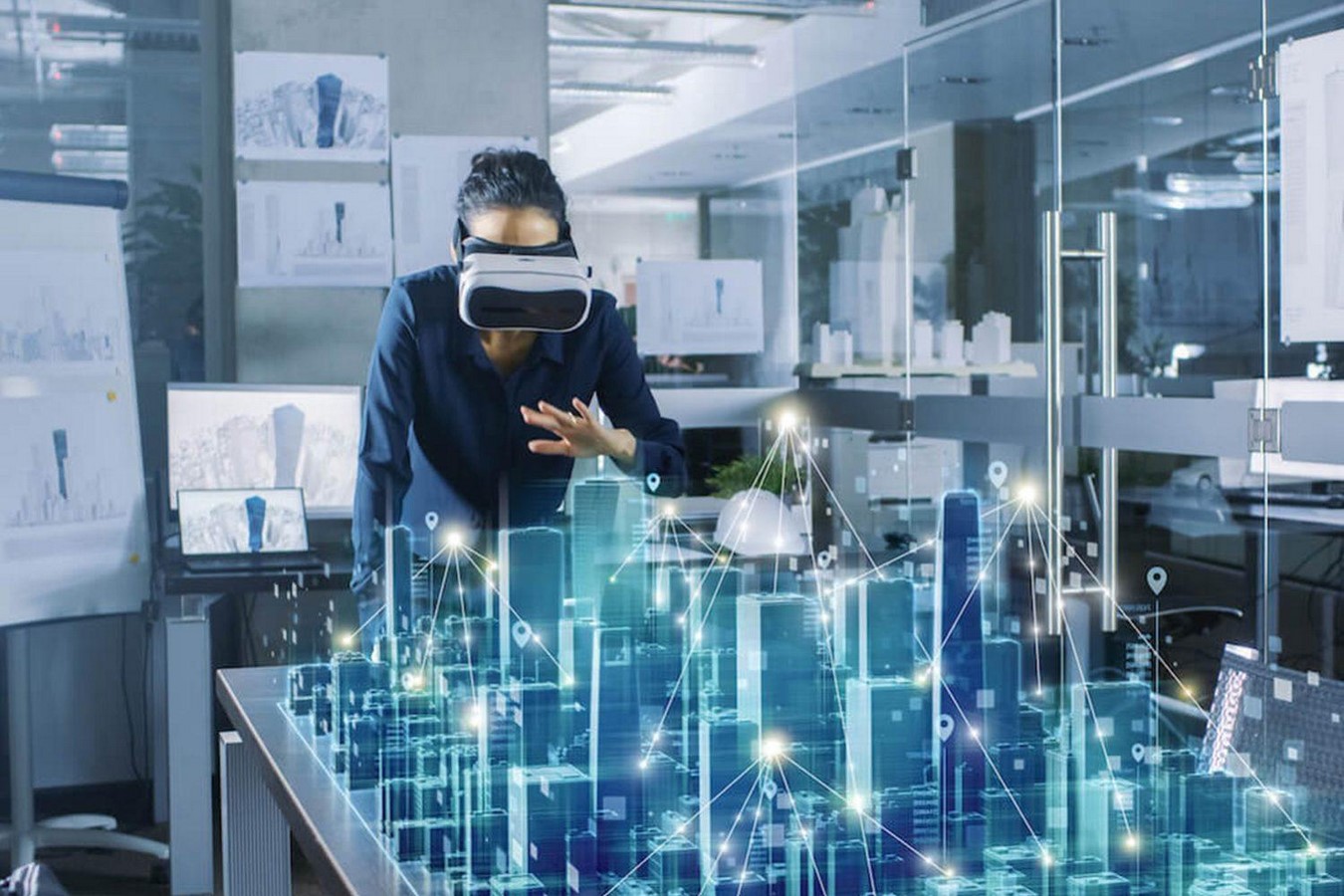
AR (Augmented Reality) and VR (Virtual Reality) help the architectural industry within the designer community, enabling clients to interface with the designer’s vision. It allows designers to iterate with ease and help see the impact of these changes. AR and VR systems and tools help simulate realistic environments, facilitating a more interactive design process and reviews.
AR specifically can be used to train individuals on new methods of making. And has tremendous potential in keeping vernacular skills alive by recreating them in a virtual space that relies on the real world to aid the process of creation.
Point Cloud
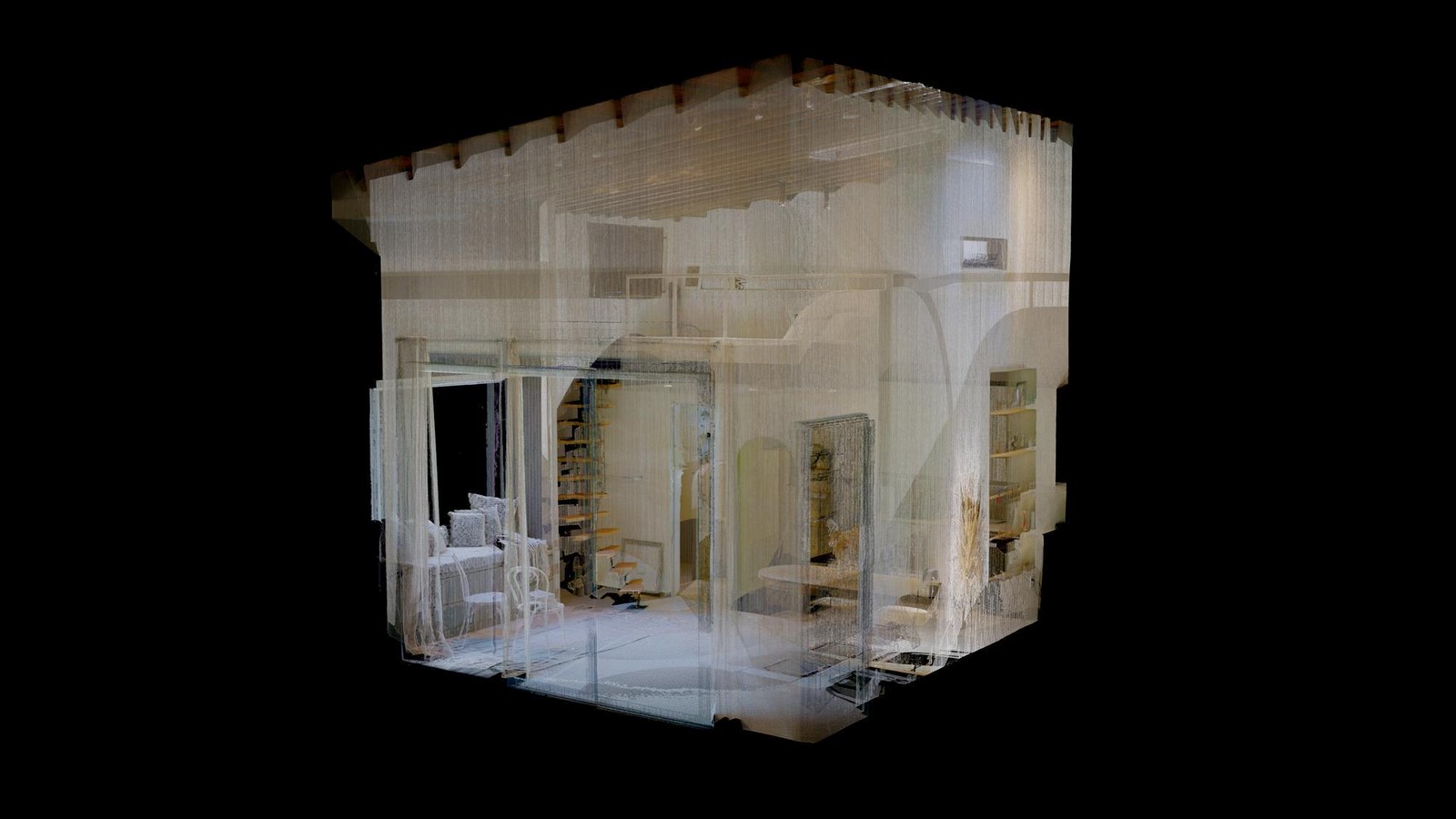
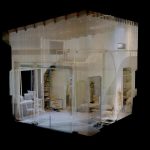
Documentation of what exists is a crucial part of learning and experiencing architecture. Traditionally, through sketches, measurements, perspectives and physical models. However, this method has its benefits for the purposes of education. In practice, when working on renovating and rehabilitating existing structures, time and money are of the essence. 3D scanning and point clouds help in this regard. Point clouds are billions and millions of individual measurement points on the surface of an object that is collected through, Lazer scanners, drones and 3D cameras. Each point comprises x, y, and z coordinates, as well as optical properties such as reflectivity and color. The same object is captured from multiple scanning positions, allowing the data collected to overlap and combine into a single, cohesive model.
This system also provides highly accurate results with a fraction of the price. Another implication of this system is the ability to document spaces. Significance in times of war, so it can be re-created with accuracy during peaceful times, ensuring that war doesn’t wipe out the identity and culture of a particular region.
Robotic Fabrication
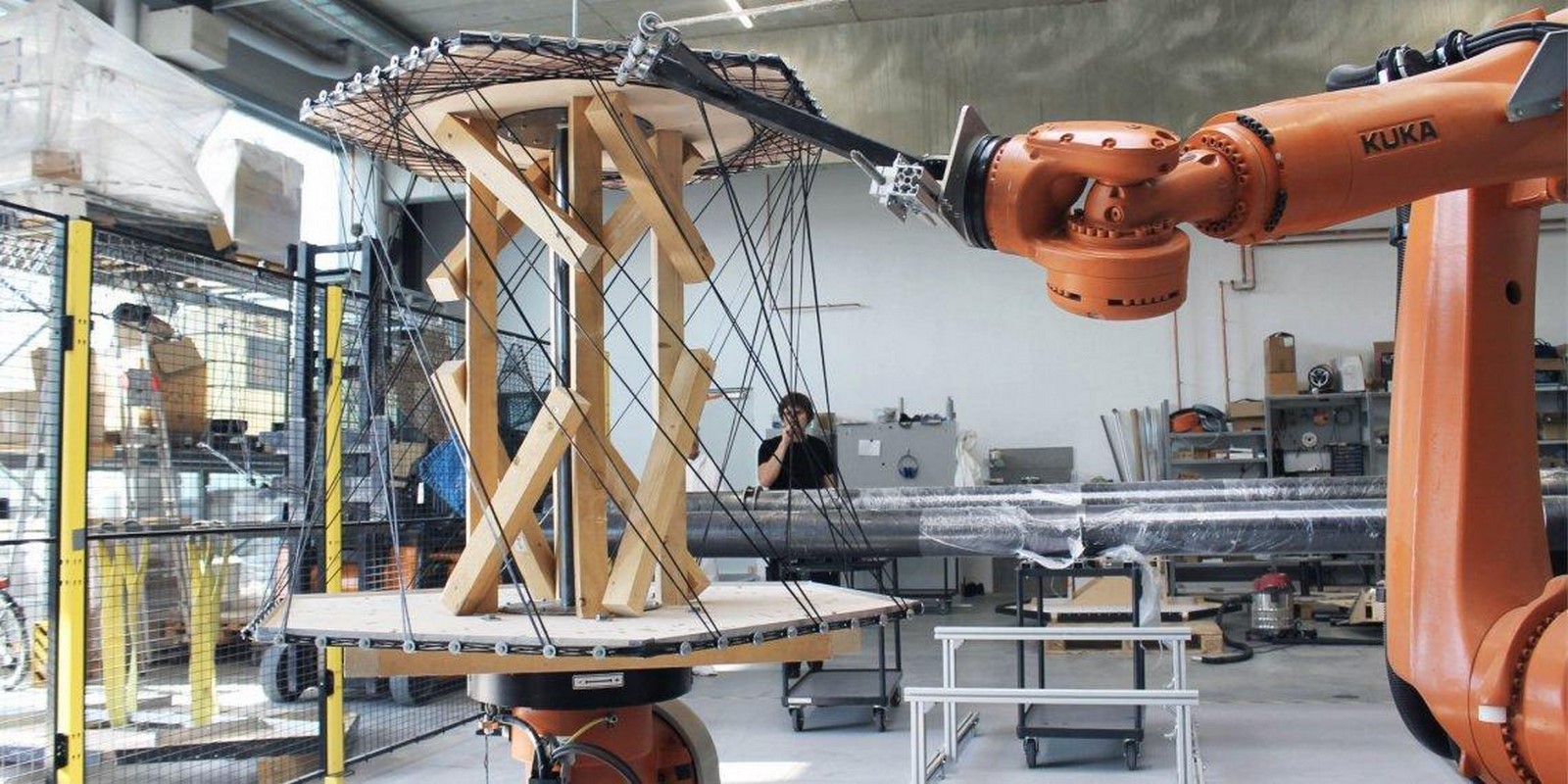
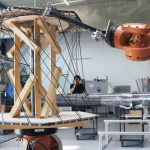
The construction industry has been facing labour shortages and high labour costs. This has created an interest in automation. Robotic fabrication offers a sustainable and accurate method with a significant return on investment in architecture and construction. It allows for material efficiency, structural grading, prevents over-engineering, and, most importantly, is highly accurate by reducing the chance of human error.
Robotic fabrication also provides significantly more design freedom, as the design is no longer dependent on the human fabricator. It helps in the construction of large-scale complex geometry with minimal labour.
Artificial Intelligence
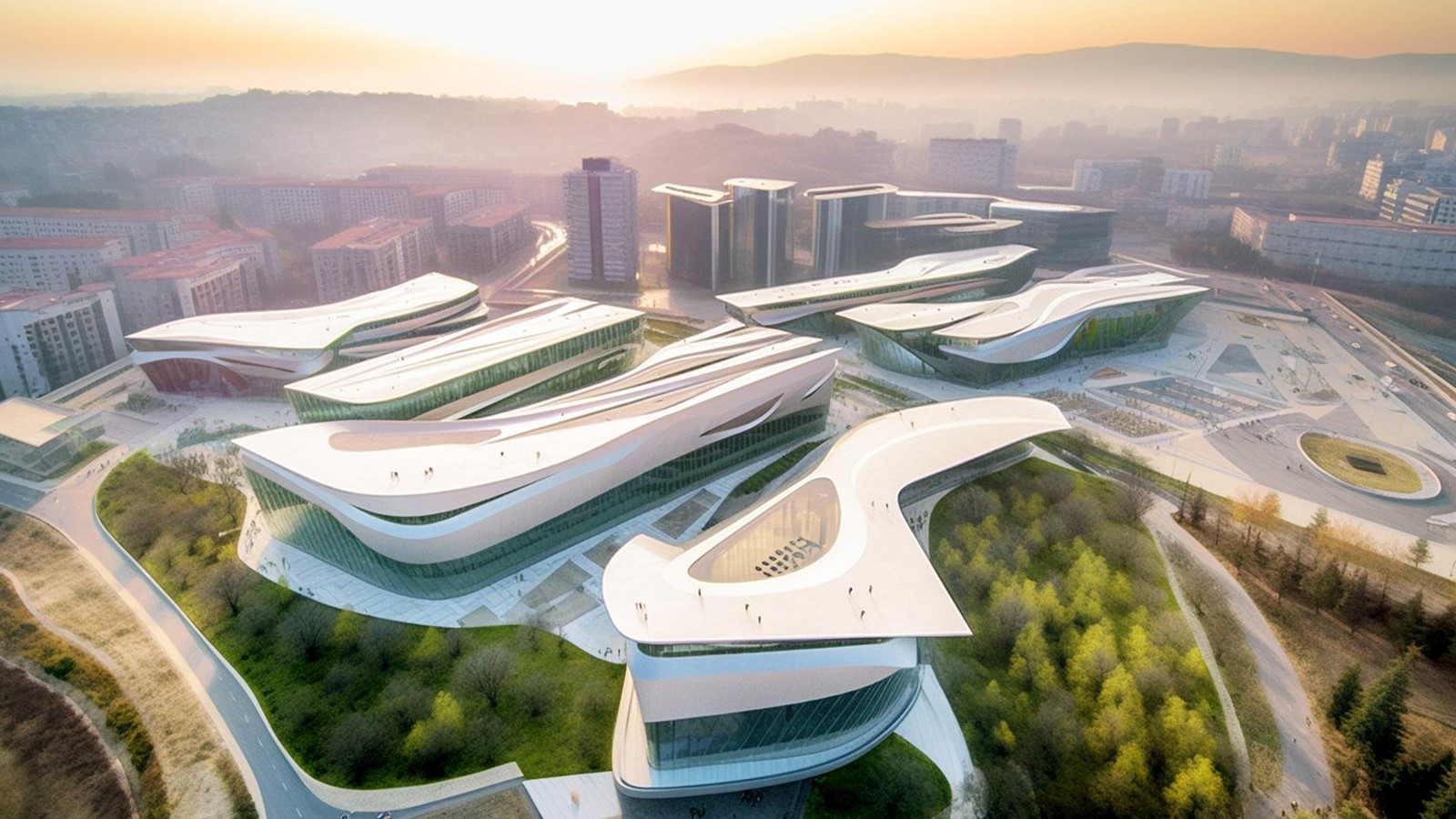
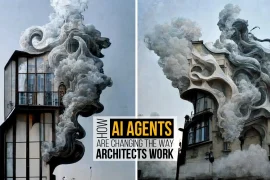
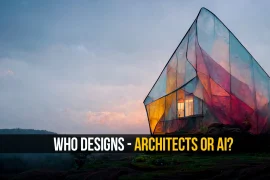
AI (Artificial Intelligence) works on a model that is trained with data, allowing it to anticipate the necessary outcomes based on informed predictions. AI is being used to create simulations for building designs and materials, which were initially extremely expensive and comprehensive. AI has also been actively used in the industry to generate photorealistic renders and images that serve as inspiration for designs. More comprehensively, AI is being trained with datasets of floor plans and sections to increase the efficiency with which multiple factors can be considered while iterating a particular project.
Technological Advancements are a factual occurrence in any field of architecture, meaning a shift in the definition of an architect itself. It refers to a time when designers go beyond form and functionality and are able to provide innovative solutions by gaining new skills and incorporating new systems into their practice.
References:
Calzoni, I. (2023) What Is Architectural Technology? How Technology Is Changing the Industry. ArchDaily. Available at: https://www.archdaily.com/1000647/what-is-architectural-technology-how-technology-is-changing-the-industry (Accessed: 21 April 2025).
Orttner, C. (2013) AD Classics: The Crystal Palace / Joseph Paxton. ArchDaily. Available at: https://www.archdaily.com/397949/ad-classic-the-crystal-palace-joseph-paxton (Accessed: 21 April 2025).
Chlebowski, C. (2020) Architecture 101: What is Parametric Architecture? Architizer. Available at: https://architizer.com/blog/practice/details/architecture-101-what-is-parametric-architecture/ (Accessed: 21 April 2025).
Rendair (2024) The Impact of BIM on Modern Architecture. Rendair Blog. Available at: https://www.blog.rendair.ai/impact-of-bim-on-modern-architecture/ (Accessed: 21 April 2025).
Siller, A. (2024) Navigating 3D Scanning and Point Clouds: Theory, Practice, and Real-World Applications. ArchDaily. Available at: https://www.archdaily.com/1012723/navigating-3d-scanning-and-point-clouds-theory-practice-and-real-world-applications (Accessed: 21 April 2025).
Forster, N. (2023) Rethinking Fabrication: Automation in Architecture. Architizer. Available at: https://architizer.com/blog/inspiration/industry/rethinking-fabrication-automation/ (Accessed: 21 April 2025).
Patrício, C. (2021) Automating the Construction Site. ArchDaily. Available at: https://www.archdaily.com/963301/automating-the-construction-site (Accessed: 21 April 2025).
InApp (2024) The Use of AR/VR in Architecture and Design: Visualizing Concepts in 3D. InApp Blog. Available at: https://inapp.com/blog/the-use-of-ar-vr-in-architecture-and-design-visualizing-concepts-in-3d/ (Accessed: 21 April 2025).