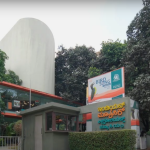
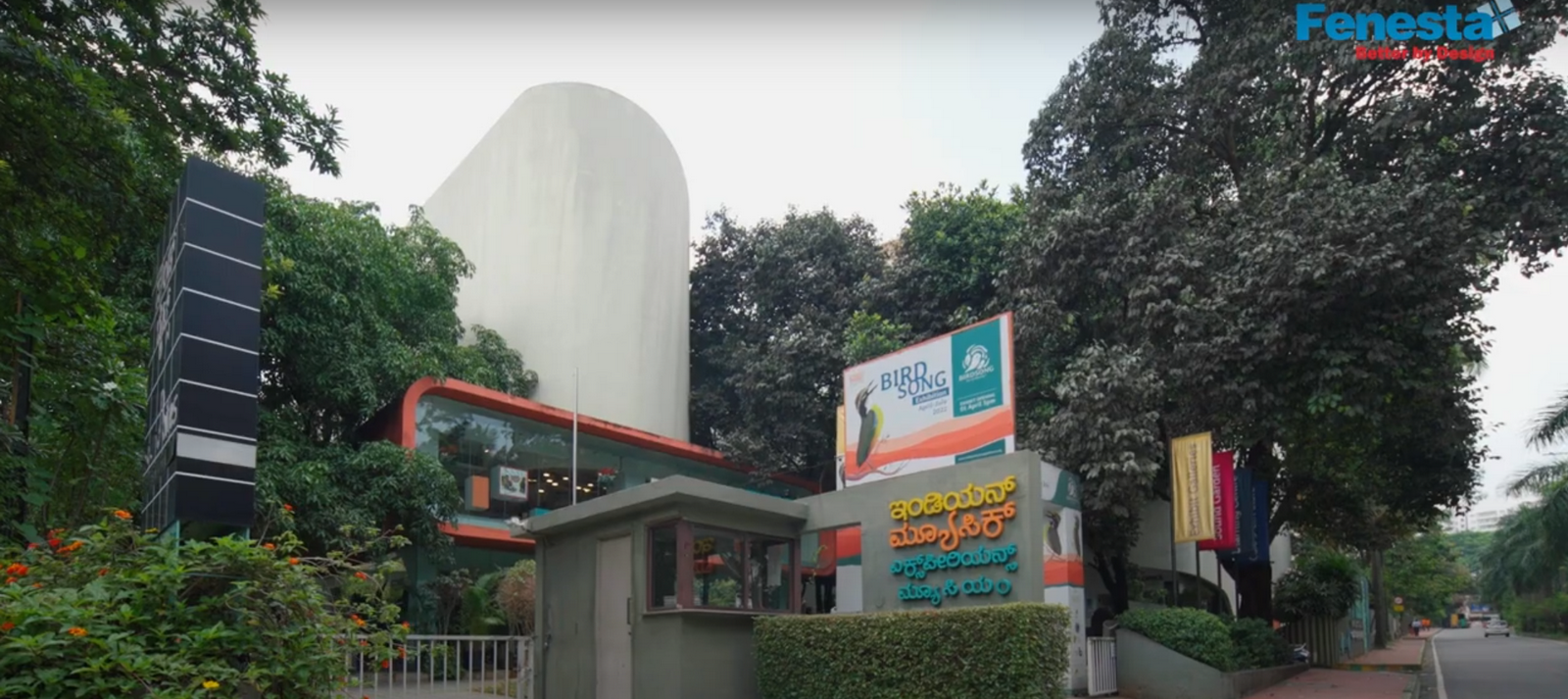
Nestled in the middle of a busy suburban area in Bengaluru, is the IME – Indian Music Experience, an interactive museum dedicated to the understanding, history, and production of Indian music, both contemporary and traditional. The IME aims to bring music closer to people, and the space acts as a cultural hub for people of all age groups.
For its design, eight architectural practices of Bengaluru were invited to submit proposals and the one by Architecture Paradigm was chosen as the winner, and thus executed. The displays within are designed by Gallagher and Associates.
The Museum sits on a 2-acre site located in JP Nagar and has an overall built-up area of about 50,000 square feet, distributed along 3 floors, a basement, and an open terrace space. The project was fully completed in 2018 and was inaugurated to the public in 2019.
Conceptualization
The design of the space is derived from understanding the structure of music. Principles of music such as rhythm, pitch, and volume can be observed in the final output.
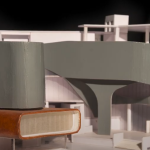
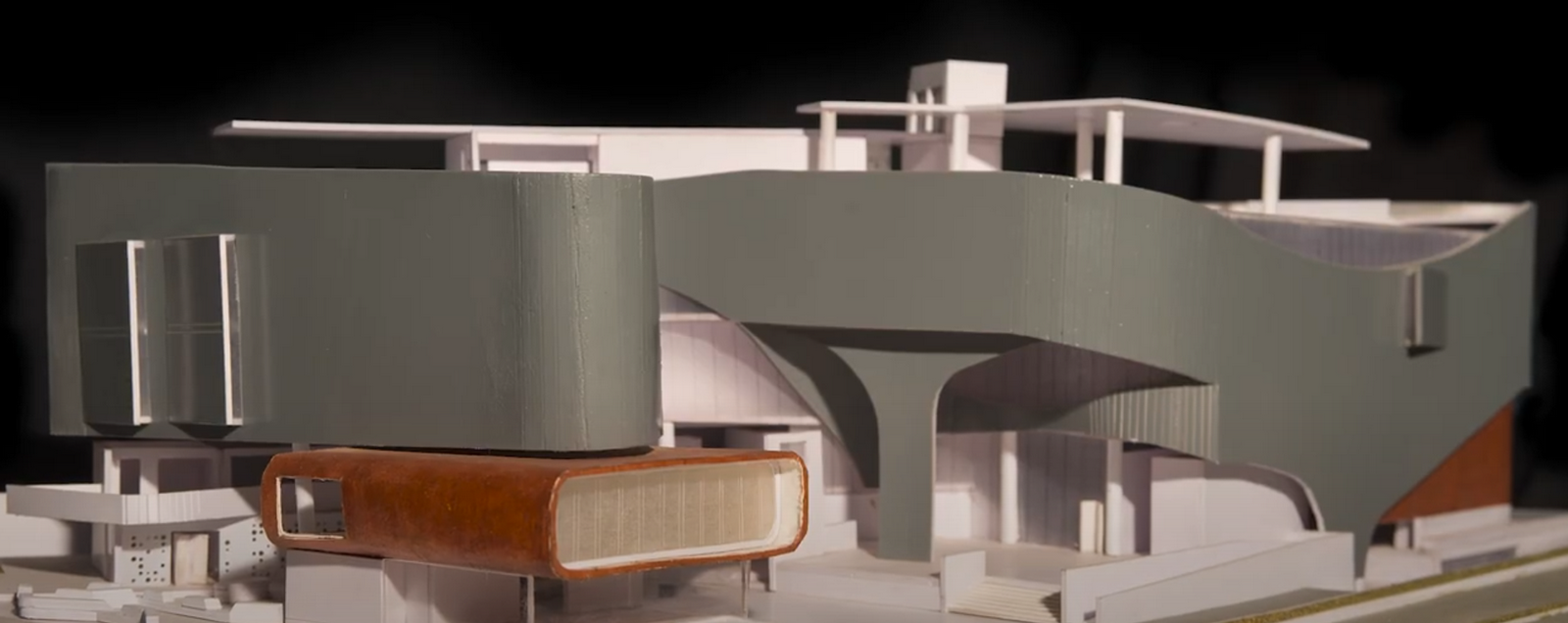
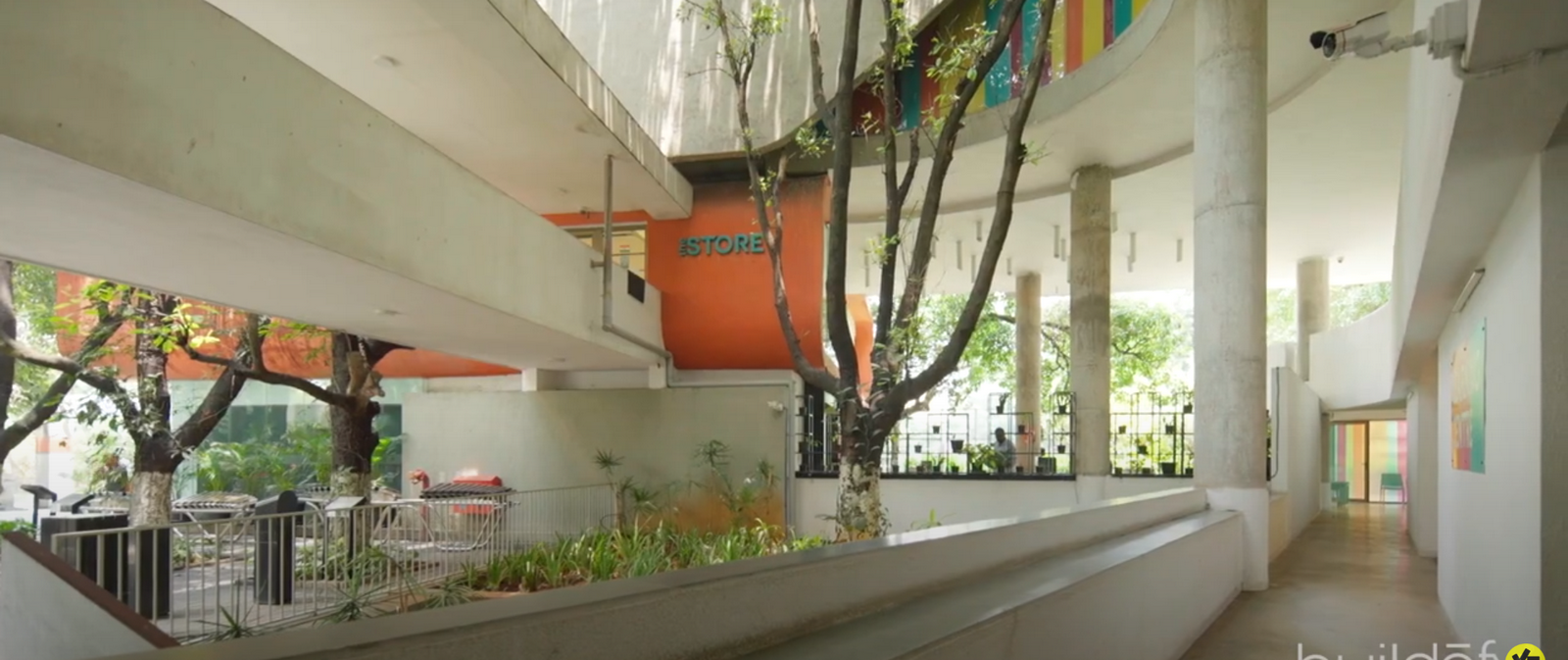
There are seven notes that form the basis of music. A combination of two or more of these notes construct the tune of the song. Similarly, the architects divided the site into multiple grids forming a framework, and each of these grids represented a unique relationship with the site and the design. These grids were later connected according to spatial requirements, and the form was derived. It wraps around the previously existing mango and jamun trees on site. The curvilinear form also represents the flowing nature of music.
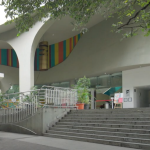
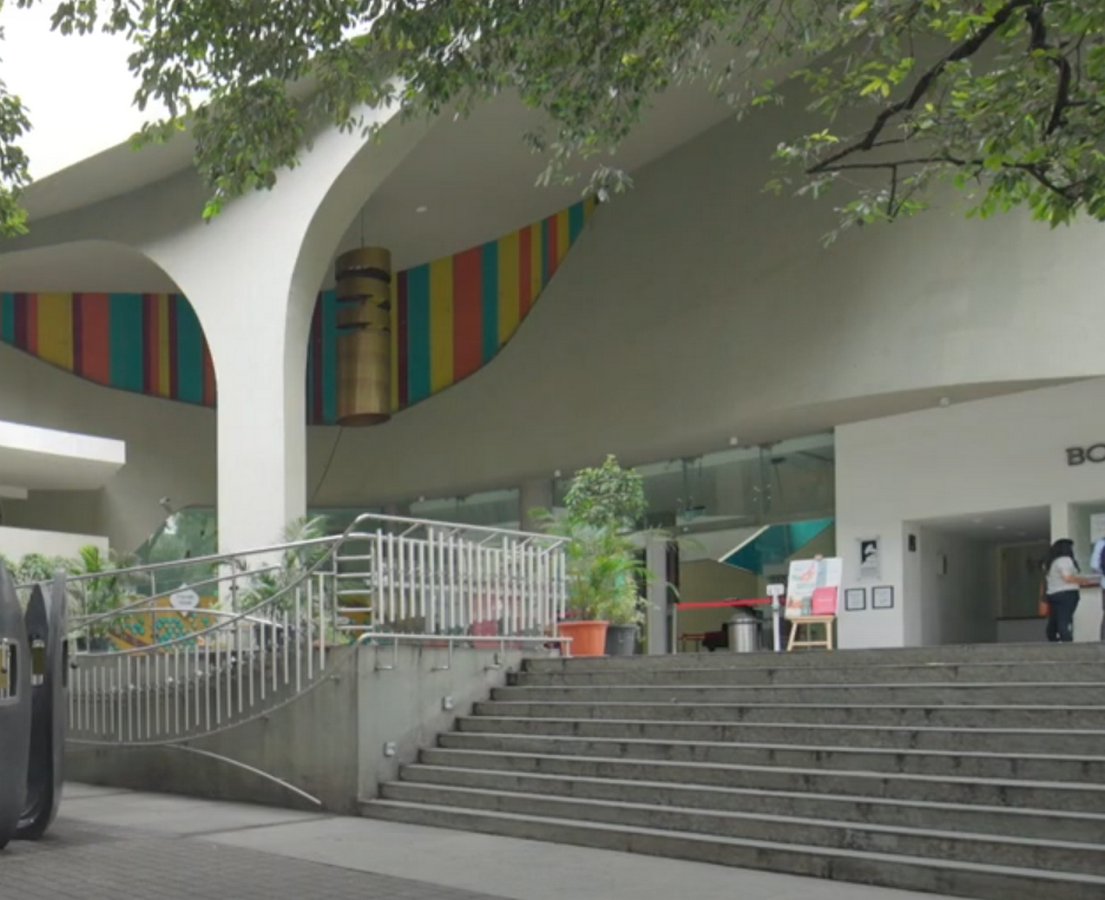
The overall form of the building is derived from the idea of a single surface splitting into multiple surfaces. An example of this, as given by the architects, is the design of the columns. The form of the columns, instead of being treated as rigid structural elements, is integrated into the flowy nature of the façade.
Program and Architectural Observations
There are three major sections in terms of spaces – the interactive exhibit area, which consists of eight thematic galleries; a learning center; and the outdoor sound garden. In addition, there is also an OAT on the terrace, auditoriums and seminar halls, a café, a retail unit, and temporary exhibition spaces. In terms of the zoning, most of the regularly accessed spaces such as the classrooms and offices are located on the ground floor for ease of movement.
The experience within the museum is designed to begin from the third floor. The users enter a lobby space consisting of a service core, where the lift can be taken. From the third floor, one descends into the lower levels one by one, consisting of all the galleries. By rigidly controlling the user movement within the museum, the idea of experiencing an overall narrative is retained.
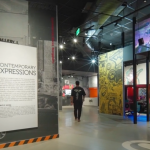
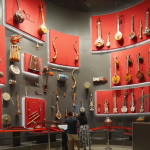
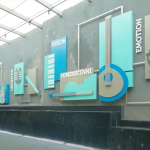
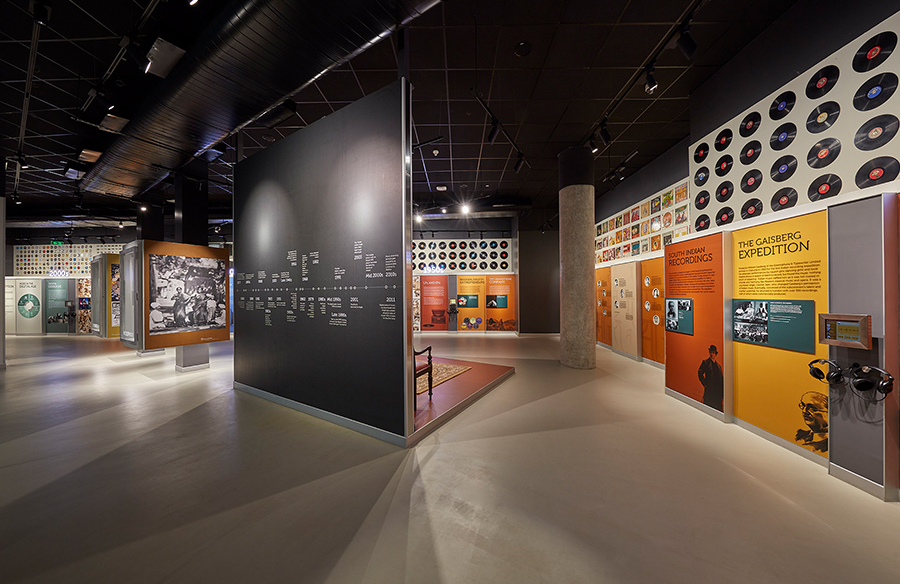
The galleries and the installations within are designed to continuously engage its users. They include exhibits related to multiple aspects of music such as Indie music, classical Carnatic and Hindustani music, Folk music, an instrument gallery, Pre-Independence music, the history of film in India and its relation with music, the evolution of music and musical devices, and evergreen musicians of India. The exhibits also feature memorabilia belonging to musical stars of India. Antiques such as gramophones are also displayed.
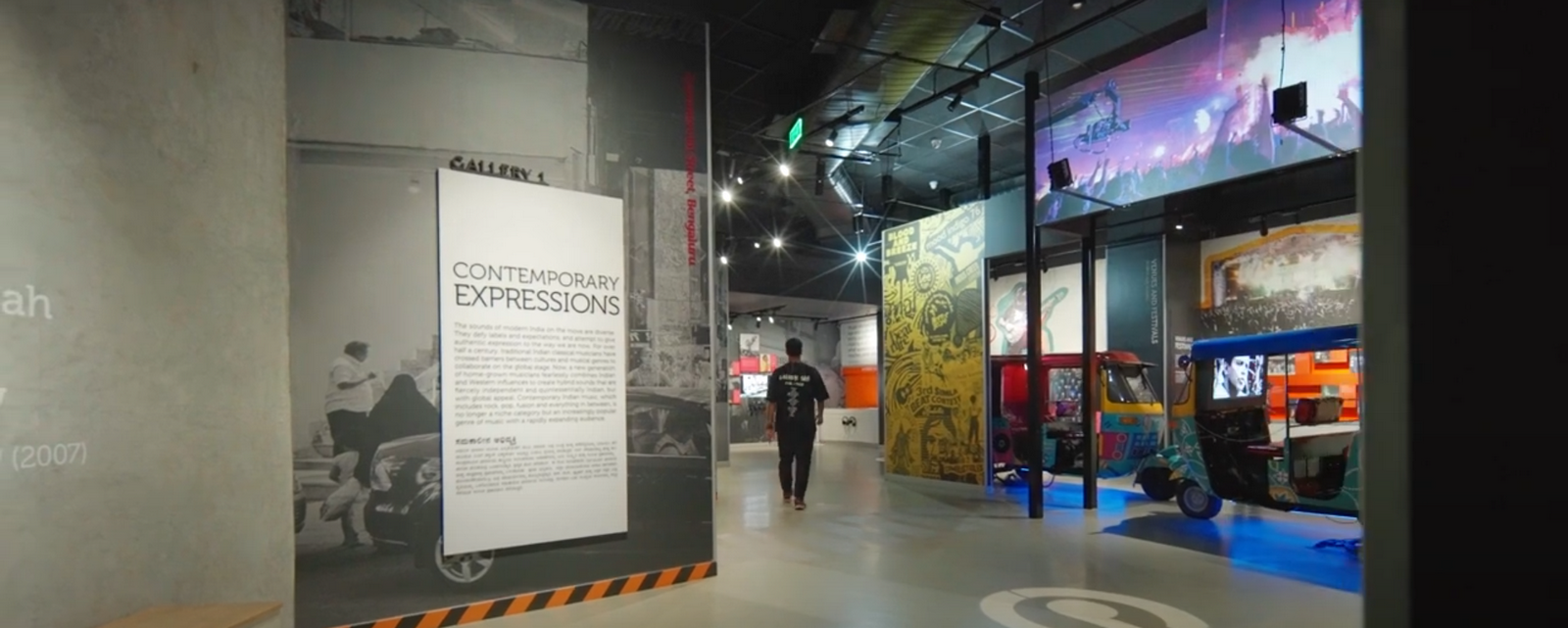
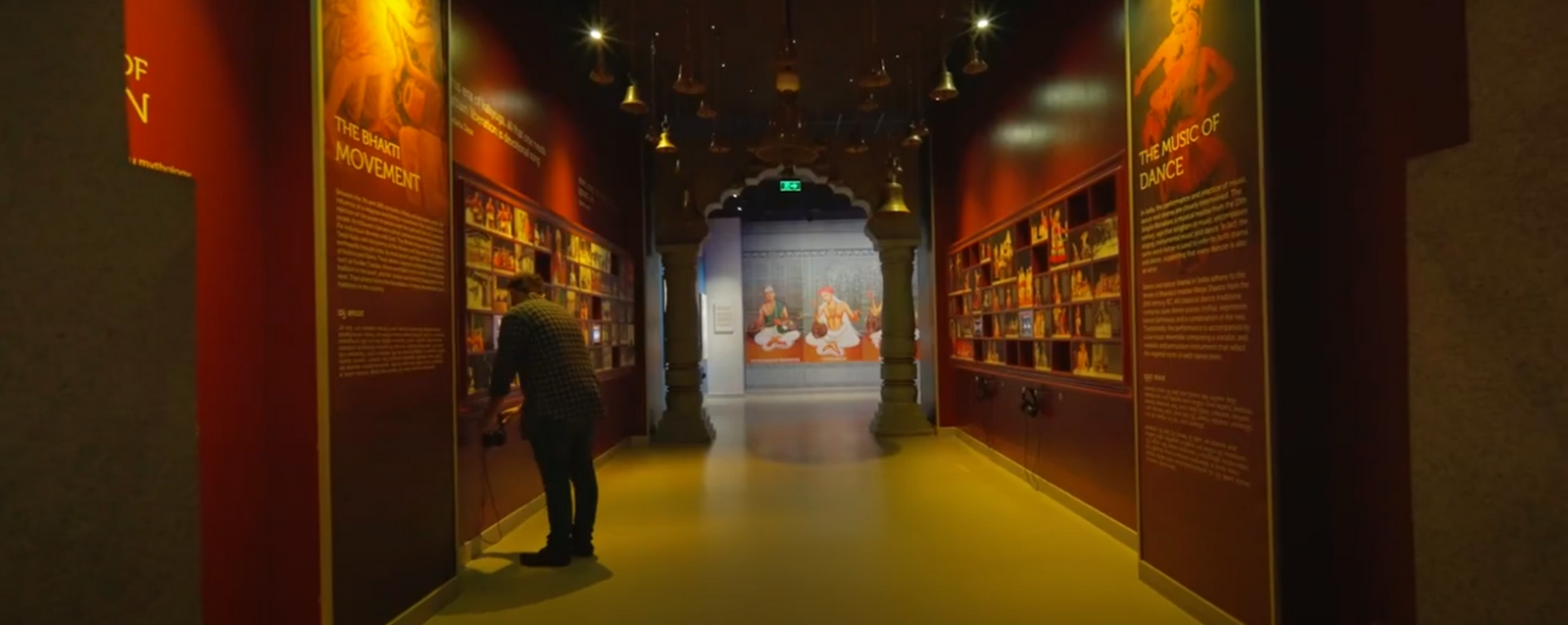
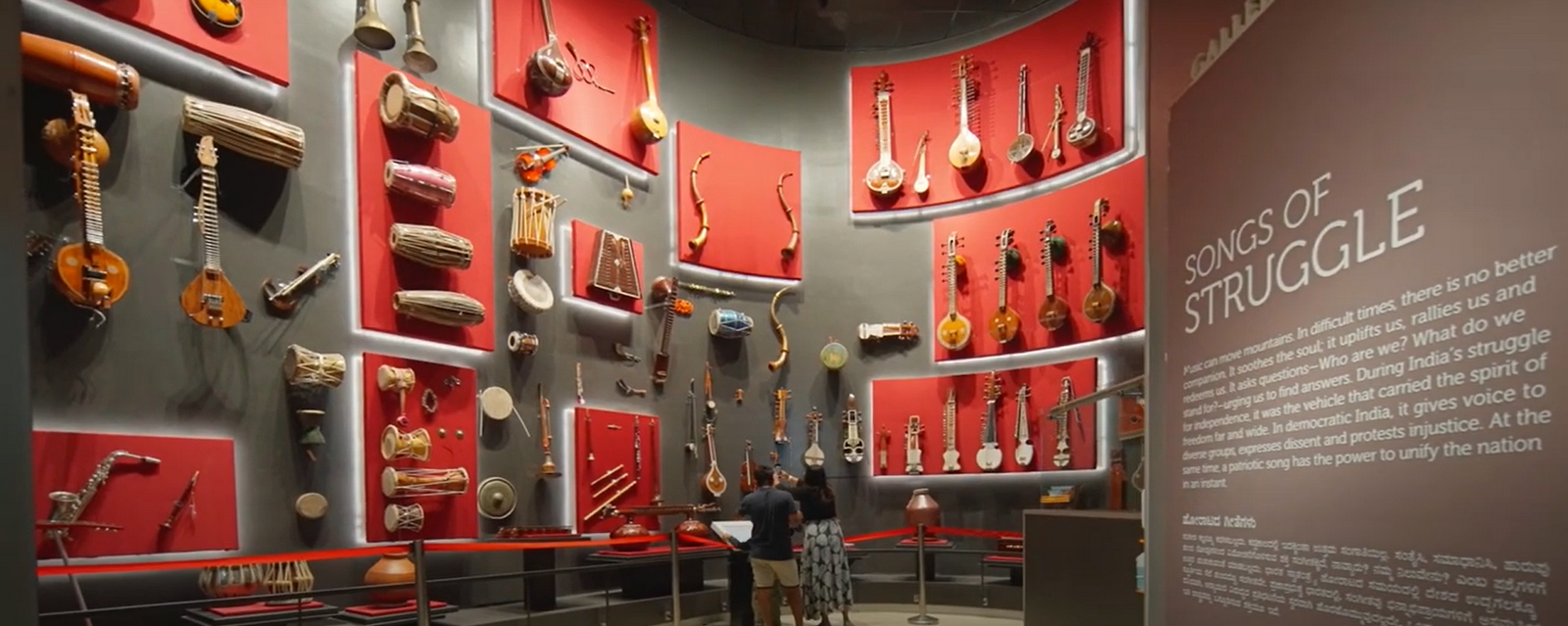
There is no clear demarcation between the different galleries. All spaces flow into one another.
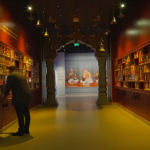
Circulation within the museum happens through a series of ramps connecting different galleries to one another, thus making the museum highly accessible. Spaces are also designed in a way that creates visual interest. By narrowing corridors, a sense of curiosity is created and forward movement is encouraged.
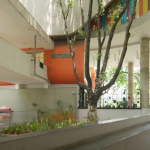
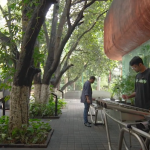
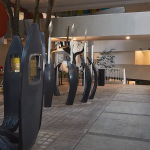
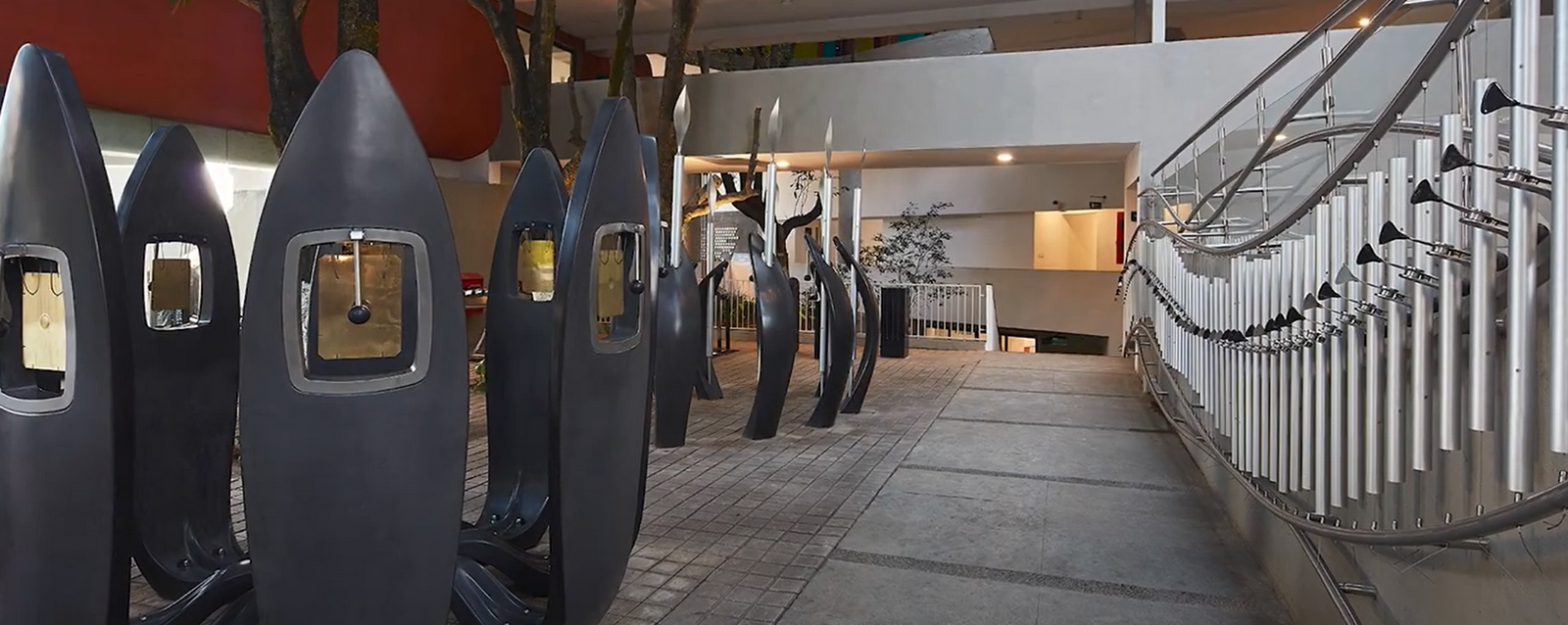
The experience ends with the interior spaces opening out to the lobby again. The space consists of a water body, that deafens the noise coming from the exterior. From the lobby, one can traverse a ramp that connects to the retail unit and outdoor interactive sound garden. The sound garden is one of the most unique exhibits of the museum. It consists of musical sculptures made out of reeds, chimes, tubular bells, plate gongs, and musical stones, that introduce users to the principles of music and sound. The entire area is shaded naturally by trees on the site.
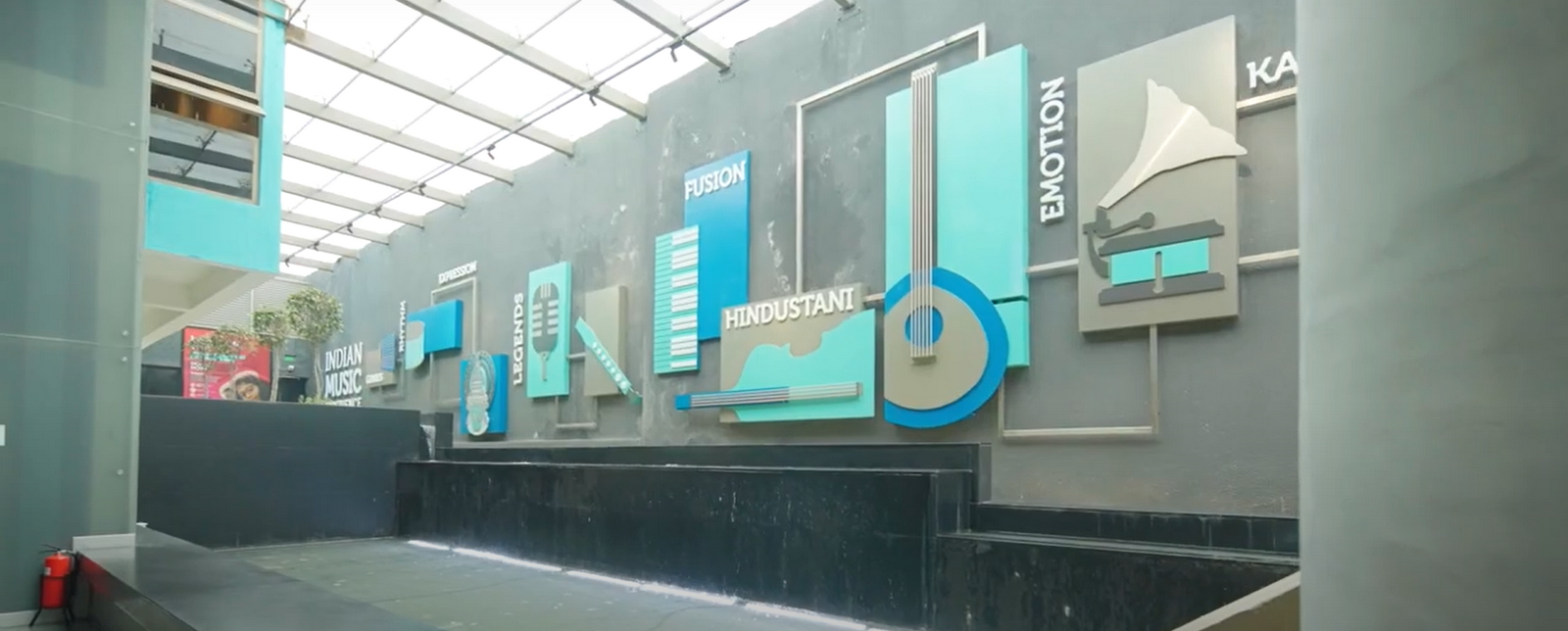
The sound garden is also the first section of the museum that is observed by the users, once entered into the site. According to the architects, the sounds from within the garden provide a transition from the noise of the busy street, to the idea of rhythm and music.
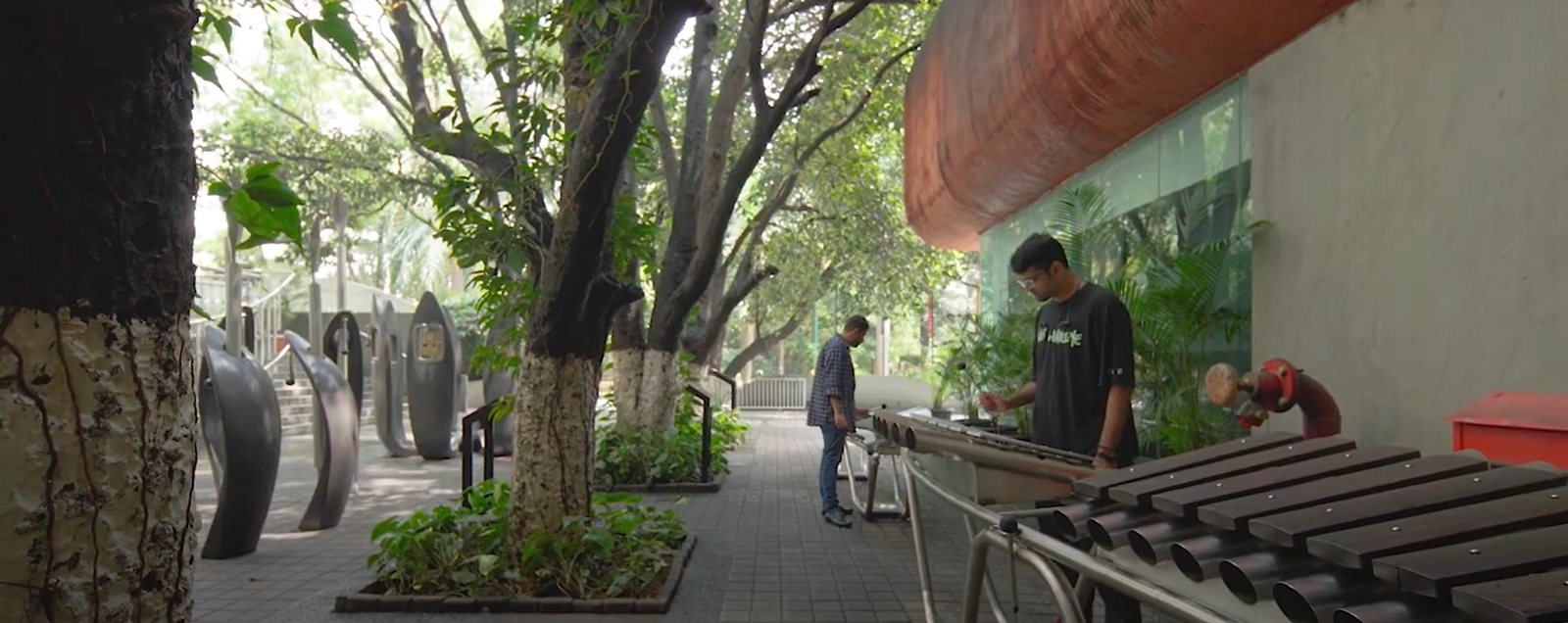
The learning center is the third section of the program. It provides curriculum-based musical education. It consists of five classrooms, seminar halls, and a library. Workshops and lectures are held on a regular basis for music enthusiasts to participate in.
The goal of designing public spaces should always be to encourage community, and the bringing together of like-minded people for a larger purpose, beneficial to society. The IME is not only able to achieve this, but also pays a homage to the culture and traditions of our country, and becomes a space that is able to inspire and educate people for generations to come.
References:
Buildofy (2022). India’s Only Interactive Music Museum in Bengaluru. [YouTube video]. Available at: https://www.youtube.com/watch?v=MV3EEQJmljc&ab_channel=Buildofy [Accessed 13 April 2025].
Indian Music Experience (2021). IME-Press-Note. [Press release]. https://indianmusicexperience.org/wp-content/uploads/2021/08/IME-Press-Note.pdf
Abrar Ahmed (2023). Ime 1. Online: Scribd. https://www.scribd.com/document/627863595/ime-1