Modern metropolises like New York City are known as the “concrete jungle”, evoking a bleak mundane picture of life in such cities where glass, steel, and concrete overpower all senses. Yet, this cliche is far from the truth. Cities are more than just what it’s made out of, it is a living breathing ecosystem that constantly adapts in unexpected ways. This overwhelming imagery of dense urban fabrics clouded in a mass of grey promotes the image of a lifeless ‘anti-nature” city, but that is a false binary.
To frame cities as lifeless is to ignore the moss creeping over brickwork, the midnight chatter of raccoons in alleyways, and the rooftop gardens blooming defiantly under smog-streaked skies. The real truth doesn’t lie in the concrete bones of the city, but rather in the way life manages to circumvent and thrive in them. Concrete, once a symbol of humanity’s dominance, has become nature’s unlikely ally — a scaffold for roots, wings, and claws to reclaim space. For every crack in the pavement, there’s a dandelion waving a flag of resilience, whispering: Life always finds a way. Cities, like reefs, remind us that survival isn’t about pristine wilderness — it’s about rewriting the rules, together.
Is the city alive in between all the concrete
Cities are eerily similar to coral reefs – human-made structures that unknowingly host life. Like the rocky reefs, cities are built on the bones of poured concrete and steel frames, rising from natural landscapes. Urban cityscapes are forever stuck in their rigid geometries, dominating over those who inhabit them. Yet they also are always steaming with diverse life. The artificiality of concrete cities leads to biodiversity. The tiny crevices and cracks form the breeding grounds for moss and microbes, acting as hosts to the urban-adapted life.
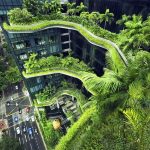
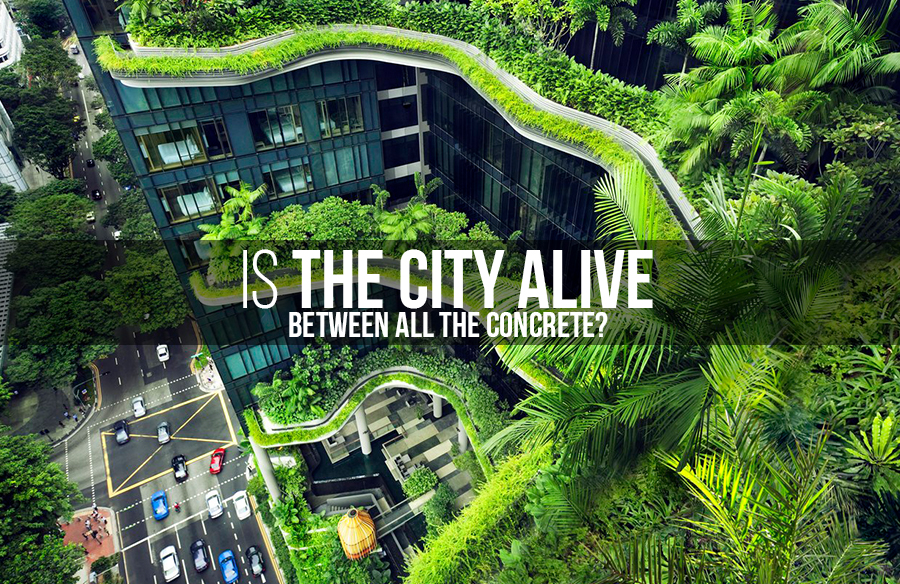
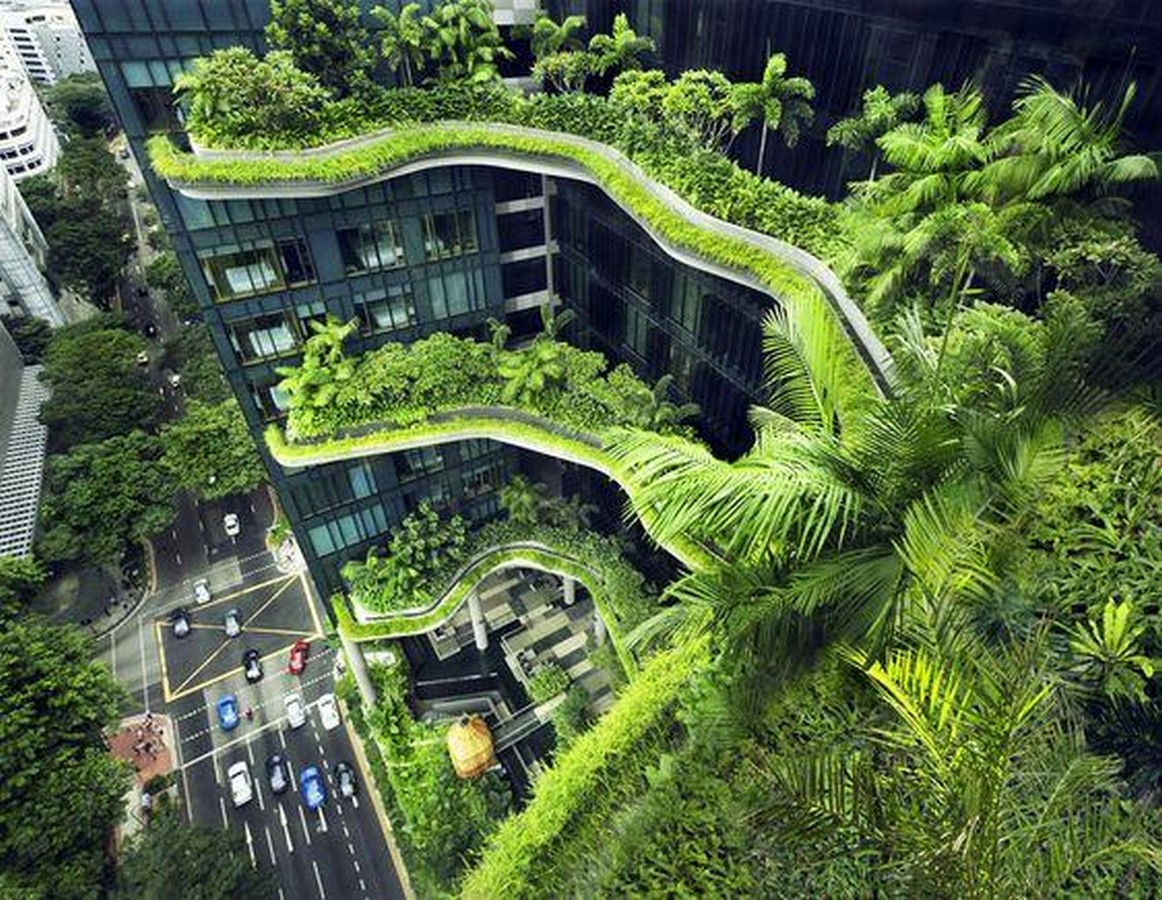
Singapore breaks the idea of the “sterile skyline” with its skyscrapers covered in vertical gardens, home to over 400 plant species. An island that was once stripped of 95% of its forests, it now stands tall and lush amid all the concrete buildings. The concrete structures blur the line between built and habitat.
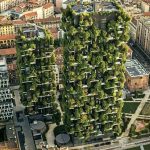
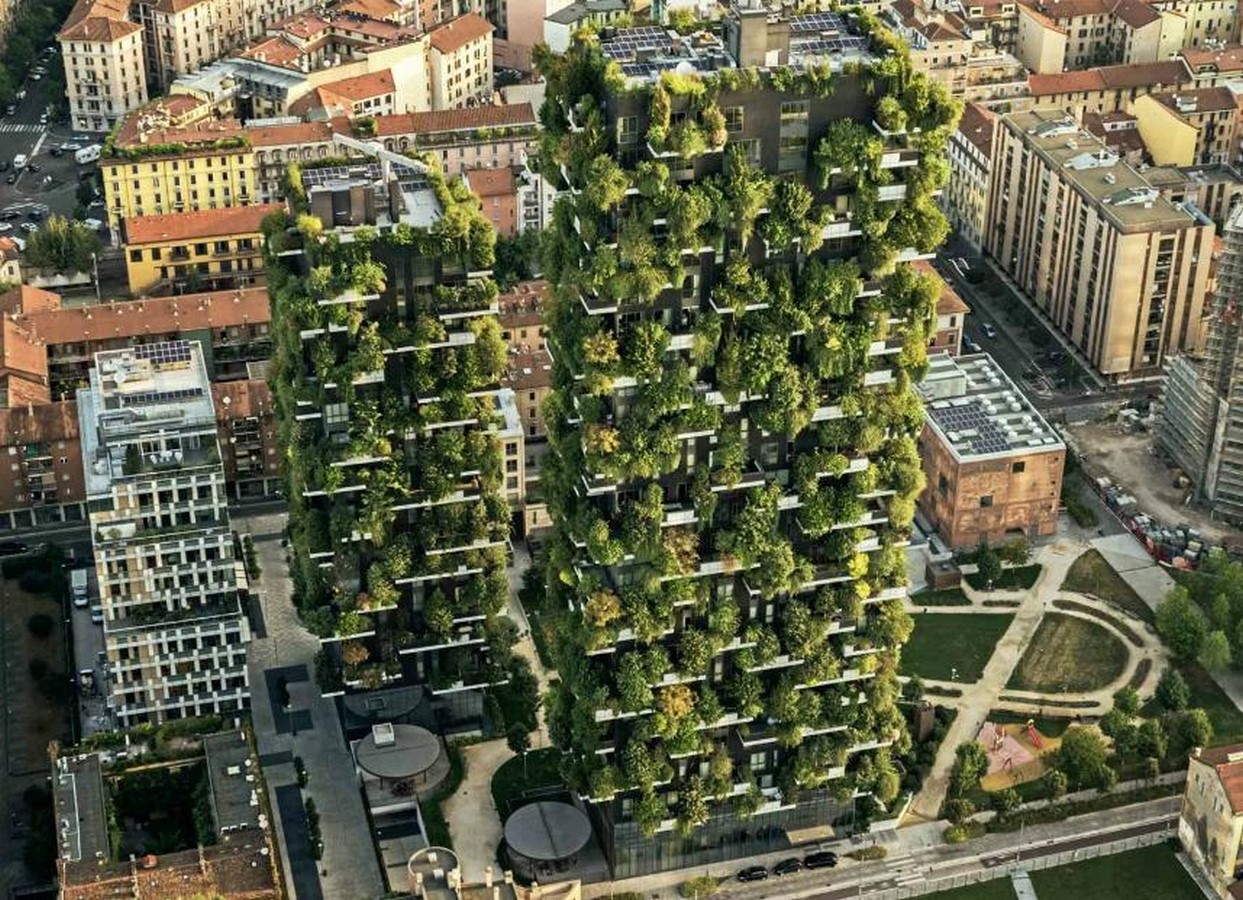
The Bosco Verticale towers (or The Vertical Forest) in Milan are flooded with 20,000 trees and shrubs which reduce the urban island heat effect, proving that architecture can still be artistic and serve an environmental purpose. The Vertical Forest increases biodiversity. It promotes the formation of an urban ecosystem where various plant types create a separate vertical environment, which works within the existing network, able to be inhabited by birds and insects (with an initial estimate of 1,600 specimens of birds and butterflies). In this way, it constitutes a spontaneous factor for repopulating the city’s flora and fauna.
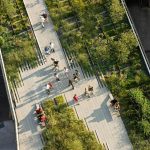
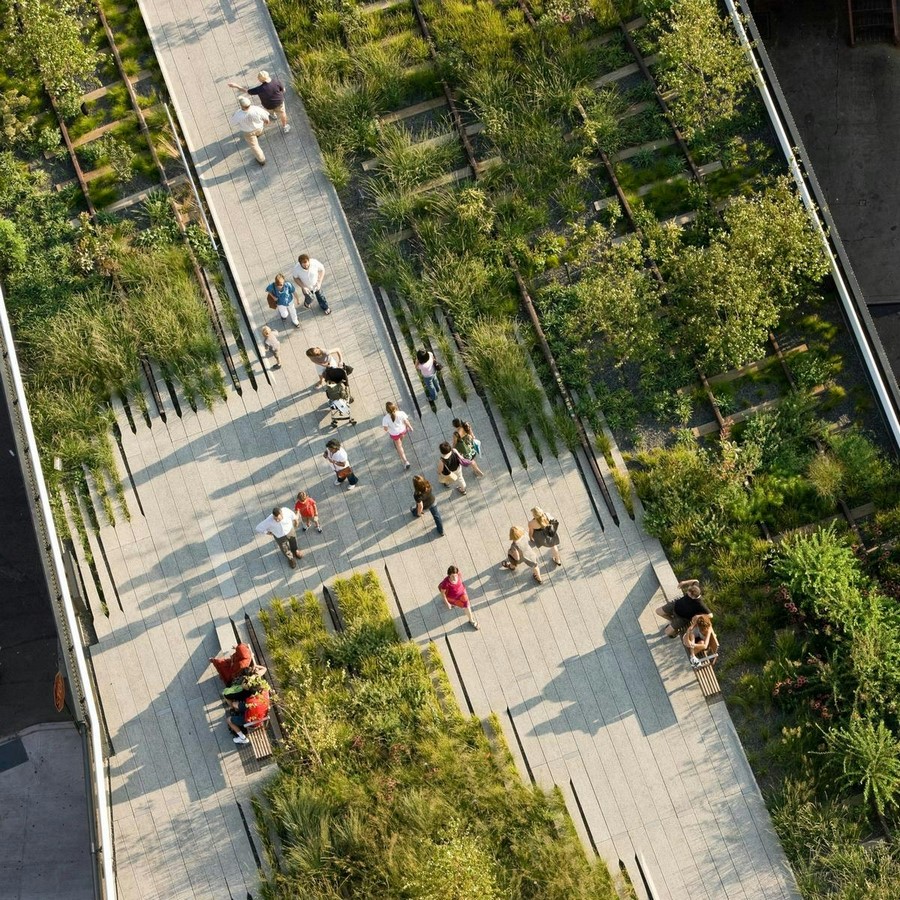
New York City’s Highline is surrounded by world-renowned architectural marvels, yet the abandoned railway line is home to thousands of wildflowers, butterflies, and insects. This elevated garden attracts wanderers to tread through the greens within the concrete.
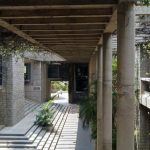
In a city like Bangalore, where rapid urbanization has erased lakes and green cover, IIMB’s campus is a radical counterpoint. The awe-striking campus is the perfect example of the coexistence of concrete and nature. Designed by architect B.V. Doshi, the brutalist concrete design gives way to lush green plantations that creep up on different nooks and crannies, proving that architecture can stand as the scaffolding for nature, rather than be the cause of its erasure.
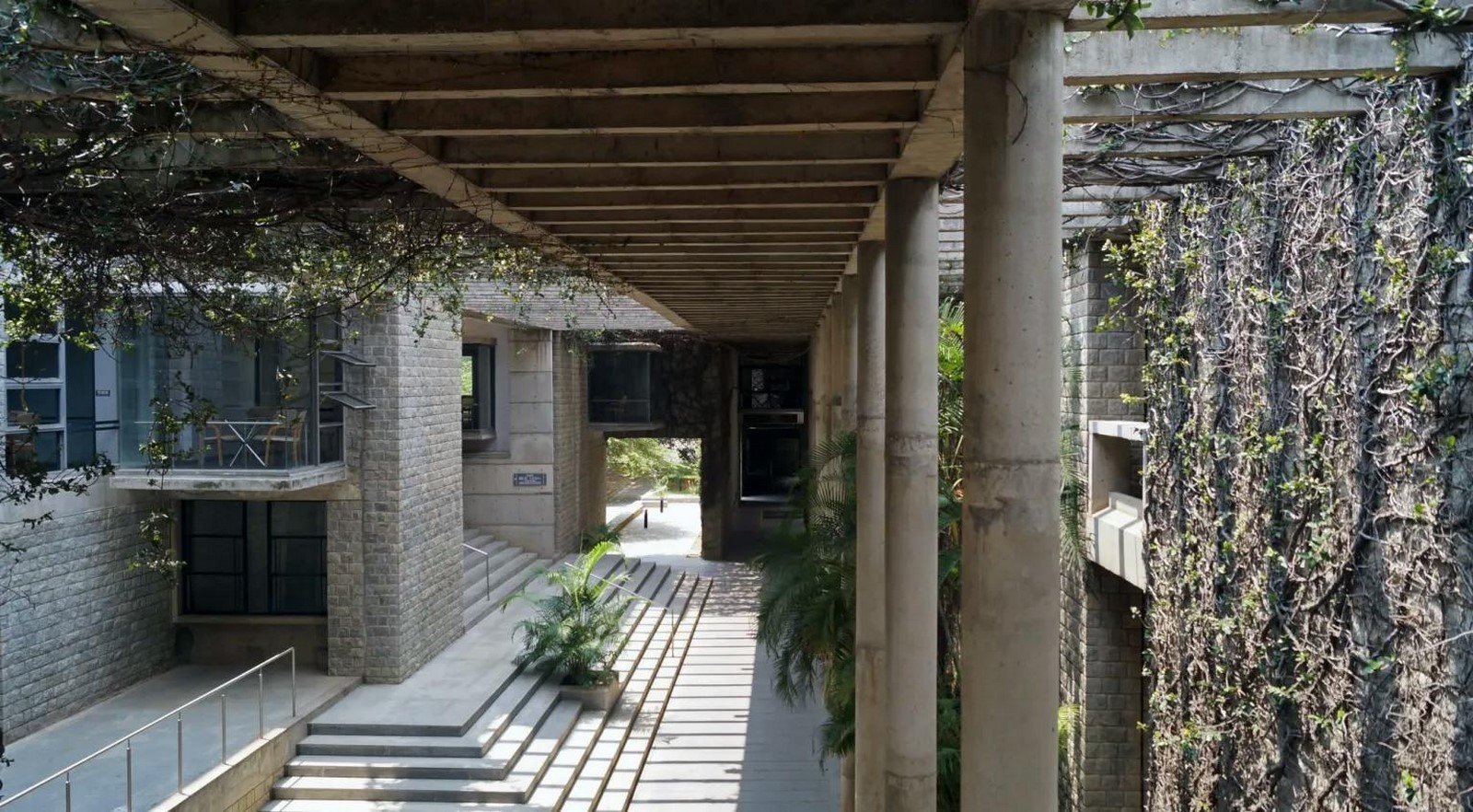
Laboratory of Coexistence
These examples aren’t mere exceptions; they’re blueprints. Just as reefs thrive through collaboration, cities function best when gray infrastructure collaborates with green resilience. The future of urban living isn’t about choosing between steel and soil but weaving them into a tapestry where subway stations shelter rare mushrooms, and falcons nest in church steeples. Cities, like reefs, remind us: that life doesn’t fight rigid structures — it dances through them, turning our grandest designs into something wilder, messier, and more alive than we ever imagined.
Concrete cities are the laboratories of coexistence where “living” doesn’t always mean enduring. Life is meant to be free, it transforms, collaborates, and mutates. Concrete is not a shroud, cast over the city, it sets the stage for future evolution. This future entails cities accepting their role as symbiotic habitats, amalgamating human-centric design and nature’s resilience. A flower emerging from the cracks on the concrete pavement isn’t a sign of nature bowing down – it’s a showcase of strength, demonstrating that life will always find a way to break free. The question isn’t whether cities are alive, engulfed in concrete, but whether the people will learn to see themselves as part of the ever-evolving story.
Just as reefs transform dead seabeds into biodiversity hotspots, cities are rewiring the myth of sterility. Concrete doesn’t smother life — it becomes its scaffold, a stage where nature and humanity choreograph an unscripted, urgent dance of survival. The future isn’t gray or green. It’s both, tangled in a riot of roots and rebar.
References:
Gallery of parkroyal on Pickering / WOHA – 5 (no date) ArchDaily. Available at: https://www.archdaily.com/363164/parkroyal-on-pickering-woha-2/51756334b3fc4b748700014c-parkroyal-on-pickering-woha-2-photo?next_project=no (Accessed: 04 April 2025).
Stoughton, J. (2017) Leafy tower sprouts in Singapore’s Central Business District, The Architect’s Newspaper. Available at: https://www.archpaper.com/2017/07/leafy-tower-sprouts-singapores-central-business-district/ (Accessed: 04 April 2025).
Baraniuk, C. (2024) The cities stripping out concrete for Earth and plants, BBC News. Available at: https://www.bbc.com/future/article/20240222-depaving-the-cities-replacing-concrete-with-earth-and-plants (Accessed: 05 April 2025).
Beiser, V. (2019) Concrete is the reason cities are hotter than rural areas, Time. Available at: https://time.com/5655074/concrete-urban-heat/ (Accessed: 05 April 2025).