A quiet debate unfolding in studios, universities, and design conferences worldwide, amidst an era of algorithmic perfection and rapidly expanding technology, goes like this: Is the designing field- particularly architecture- advancing towards its apocalypse? Or is it enabled, and driven toward a daring, creative future through Artificial Intelligence (AI)? Far from a simple yes or no, the answer lies in a nuanced interplay between AI’s capabilities and the irreplaceable essence of human creativity. Rather than heralding an end, AI is powering a renaissance in design skills- augmenting, challenging, and redefining what it means to be an architect in the 21st century.

Designing the Future: AI’s Role in Creativity
In its essential design- whatever be its discipline, architecture, graphics, fashion, or industrial- lies the act of solving puzzles in creative ways, AI is based on its capability to dissect patterns, work through humongous volumes of data, and provide outputs in response to the acquired logic. Where these two combine, the resultant paradigm we find ourselves in is a creativity that’s led by intelligence and sparked by creativity.
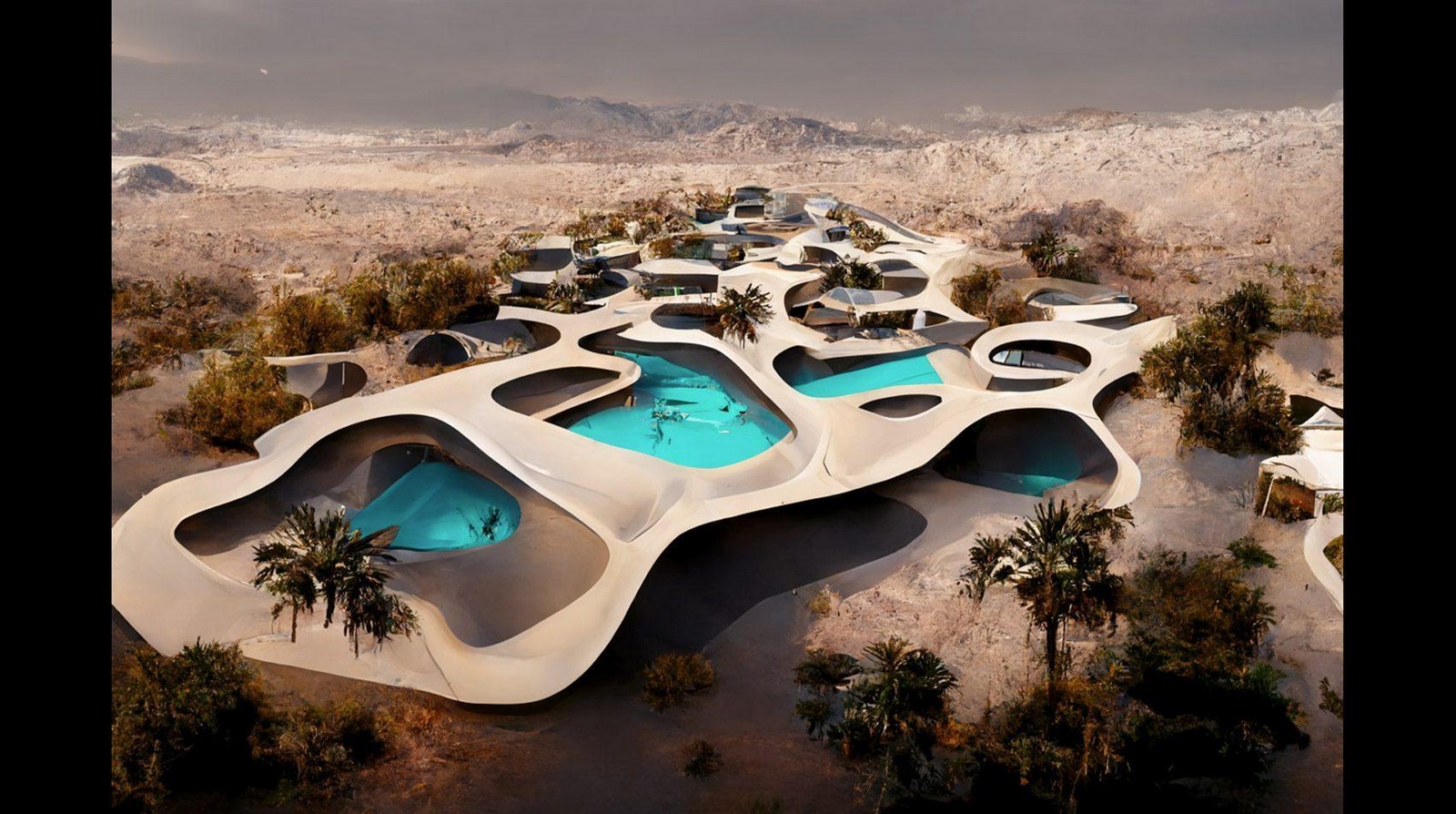
Within the field of architecture, utilities such as Midjourney, Autodesk‘s Generative design tools, and DALL-E are already changing working methodologies. One is now able to input design site parameters, material limitations, weather information, and user requirements into a machine and have it generate several optimized solutions within a minute accompanied by quantifiable performance metrics.
In addition to visualization, AI is best at data-driven design. Tools such as Space Maker examine site conditions, wind direction, and noise level to suggest layouts that optimize liveability and sustainability. For city planners, AI models predict traffic patterns, population growth, and climate effects, providing insights that no human could calculate on their own.

From Craftsmen to Curators
The craft of producing handcrafted drawings of architecture that are of manual origin is transitioning towards curated decision-making. With AI doing all the work-drafting, modelling, and simulations-designers now can think bigger.
Using the case of Zaha Hadid Architects, which has embedded AI in its computational design process. Their AI-designed forms are not mere visual spectacles; they’re supported by performance parameters that respond to airflow, light, and urban rhythm.
Here, the architect is not unnecessary-but more potent than ever. They become visionaries who steer the intelligence, shape the algorithms, and refine the narrative.
Rethinking the Design curriculum
One of the largest shakedowns will occur in design pedagogy. Schools of design and architecture now need to train for timely engineering along with sketching, data literacy with climate studies, and ethics in AI with theory of design.
The designers of the future must learn how to work with AI, not against it. Knowing how AI works will be as crucial as learning the Vitruvian rules of architecture.
Students are no longer designers alone; they are researchers, programmers, strategists and storytellers. The contemporary design curriculum must thus combine architectural theory with programming, AI ethics, human-computer interaction, and data visualization.

New Skillset for the AI age
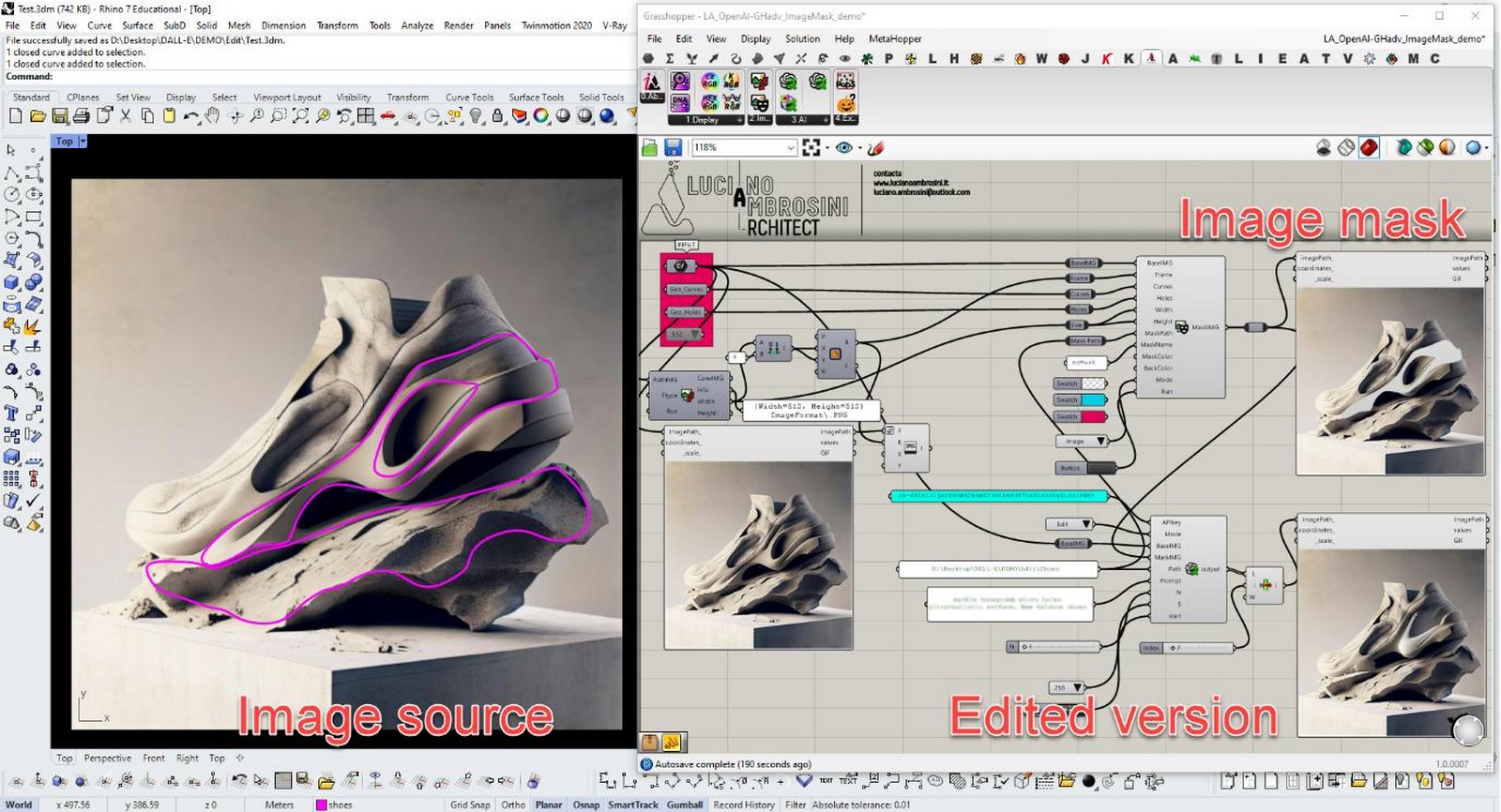
Instead of writing doom, AI is redefining the competencies architects need to become proficient in. Mastery of conventional drafting is being replaced by proficiency in computer-aided design. Software such as Grasshopper Rhino with added plugins based on AI, is now necessary, allowing designers to control intricate geometries as well as real-time information.
Critical thinking comes into the foreground. With AI churning out limitless possibilities, curating and honing becomes crucial. Architects have to question: Does this design fulfil its purpose? Does it inspire? This critical role brings the profession up, from production to strategy. The architects of 2025 are not only draftsmen but hybrid thinkers and coders, part visionary.
The Rise of AI Designer
With tools such as Runway ML and Adobe Firefly becoming part of mainstream workflows, a new class of designers is being born AI designers. This is the job of leading AI tools, converting vision to prompts, selecting outputs, and having a keen human aesthetic judgment.
In some sense, this is like being an orchestra conductor. The AI is a virtuoso violinist, perhaps even a genius one—but left to itself, it can’t produce harmony.
It also raises the bigger question: Who owns the design? If an AI system proposes a concept, and the architect refines it, is it a collaboration? Is authorship shared? As legal and ethical paradigms shift, the world of design will have to face these grey areas directly.
Not a Doomsday—A Design Renaissance
Far from it.
It’s a renaissance. A time of rebirth. A time when designers are no longer merely creators of form but curators of intelligence, weighing data against dreams, and algorithms against artistry. Just as the pencil did not substitute for imagination, neither will AI substitute for architects. It will just provide them with newer pencils with smarter tips. Design, in any case, is about sculpting experiences—and no AI, however advanced, can ever live life like a human. The doomsday of the design field is not around the corner; its next chapter is. As we sit in April 2025, the message is evident: accept AI, use it wisely, and design a future in which technology and humankind collaborate.