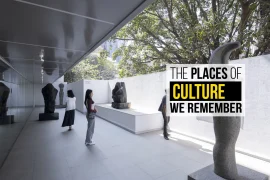
Cultural architecture represents places and spaces designed to enhance the human experience. It includes places for gathering, exchanges and other cultural facilities that bring people together. A few examples of Cultural Architecture include museums, theatres, and libraries. Like culture, the notion of these spaces changes over time. This article explores the future trends one can expect in ‘Cultural Architecture’.
Integration of Technology
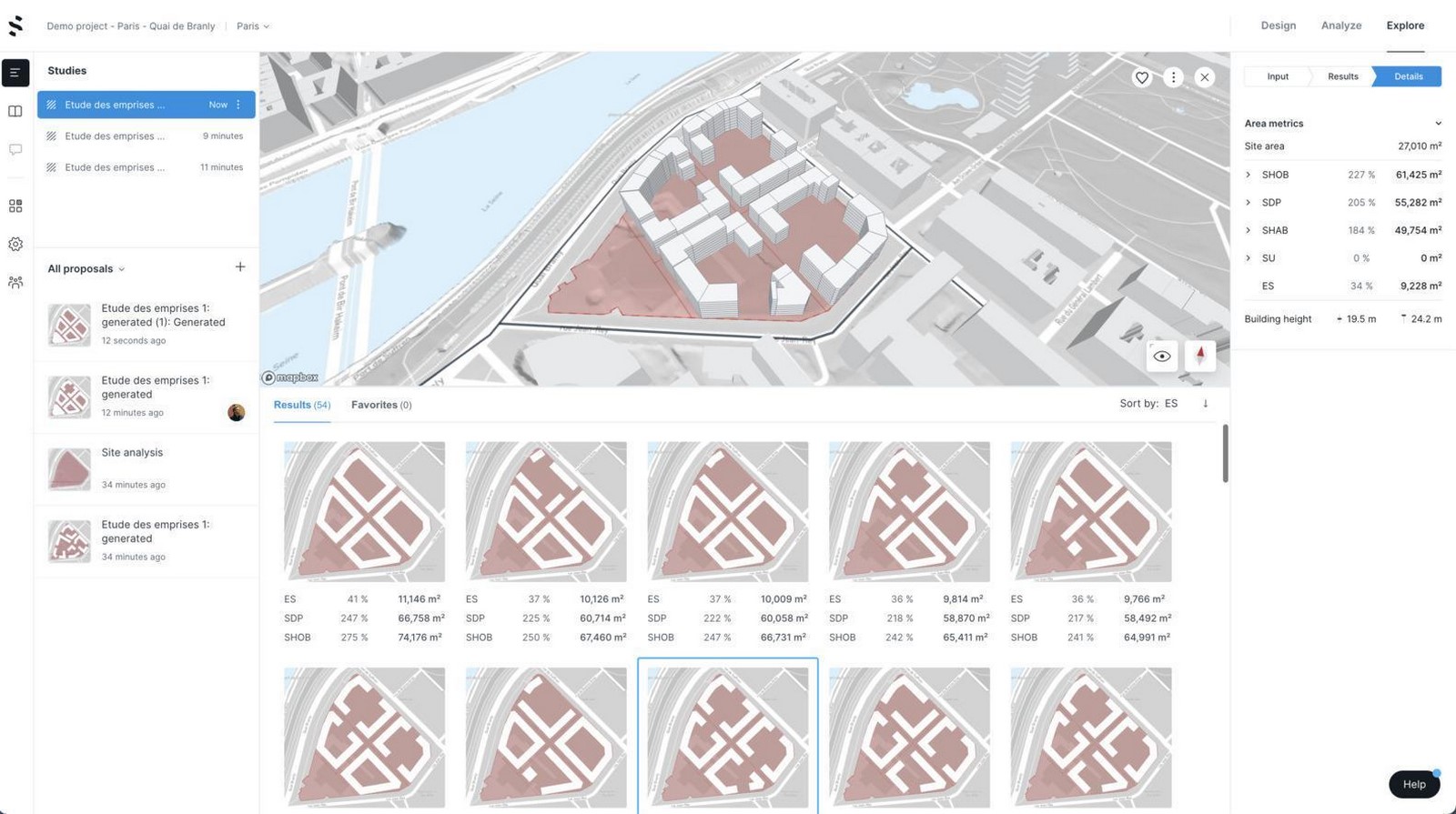
In today’s world, we are more often surrounded by screens, from mobile phones, laptops and tablets, to informative signages, LED billboards and biometric sensors. The integration of technology in our daily lives has exponentially grown over the last decade, and so it is reflected in the culture surrounding the human experience.
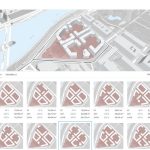
The aesthetic implications of technology and architecture developed from the digital tools adopted by architects like Frank Gehry and Zaha Hadid. Using parametric design to generate complex forms on the basis of algorithms that allude to a digitally aligned future. Today and in the near future we can expect the integration of technology in architecture to have gone ahead to influence the design of spaces on the basis of layers of behavioural, design and environmental data collected and analysed. This gives rise to a data-driven and unique architectural expression that forms a connection between the users, machines and designers.
Critical Regionalism
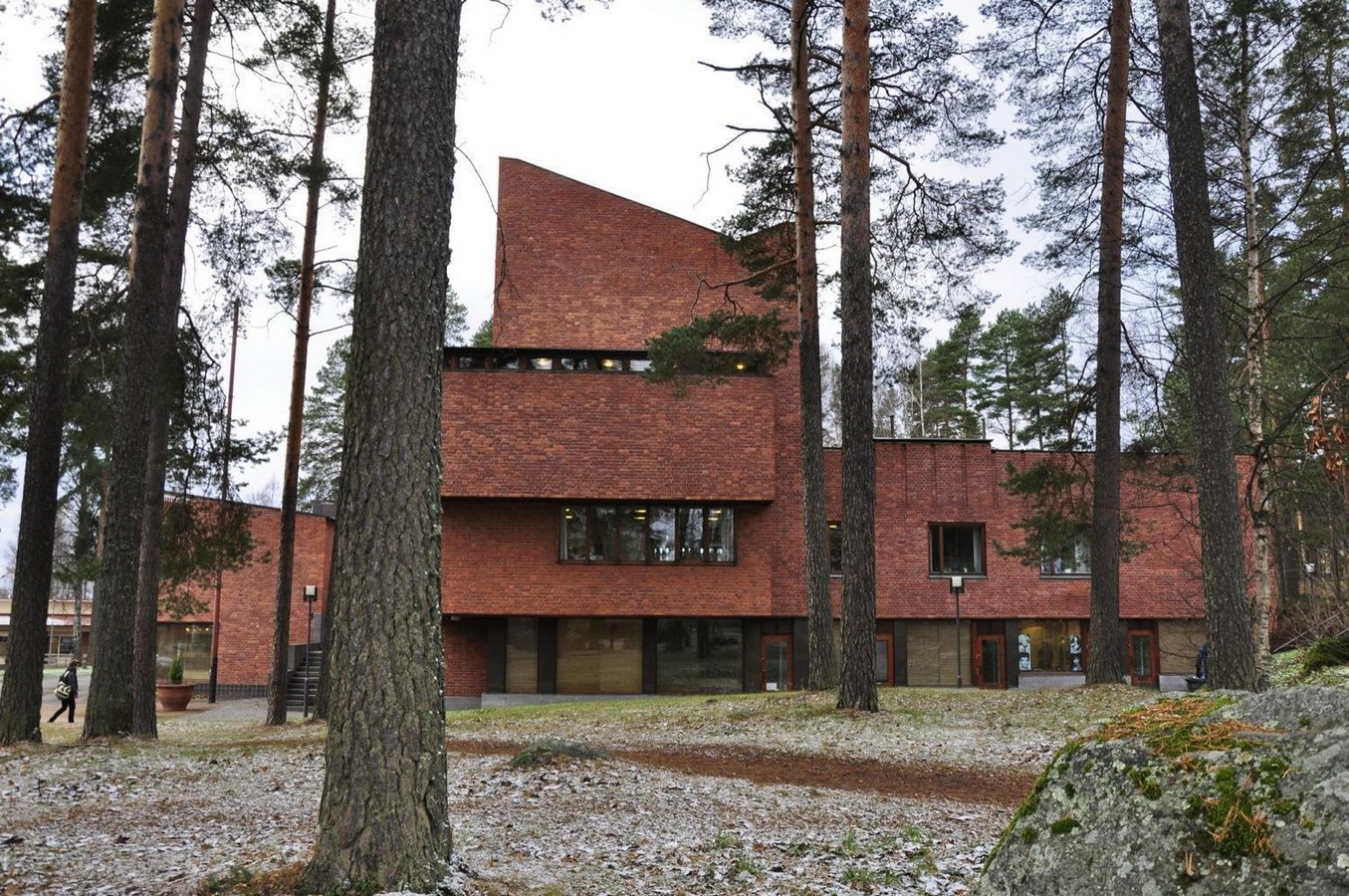
Places of Cultural relevance need to have a strong connection to the region in which they are based. This doesn’t suggest that buildings embody the symbolisms and direct identities of the place in a mimetic nature, but alludes to consciously including the context in a nuanced manner. During the ‘Modernism Era’, we lost a sense of identity where all buildings across the world looked the same. More recently, with the inclusion of parametric modelling, we have witnessed a similar trend as well. But with recent developments in fields like computer vision and scanning systems we begin to see the inclusion of cultural nodes into architectural details.
Another important aspect that one might see more of is Critical regionalism. Coined by architectural theorists Alexander Tzonis and Liane Lefaivre in 1981, and later used by Kenneth Frampton to define an attitude of resistance against globalised generic architecture. Here architecture is born out of the soil it’s built on, the materials, labour and design all conceived keeping intact the roots of the project, ensuring architecture forms an undeniable connection to the land it stands on.
Virtual Architecture
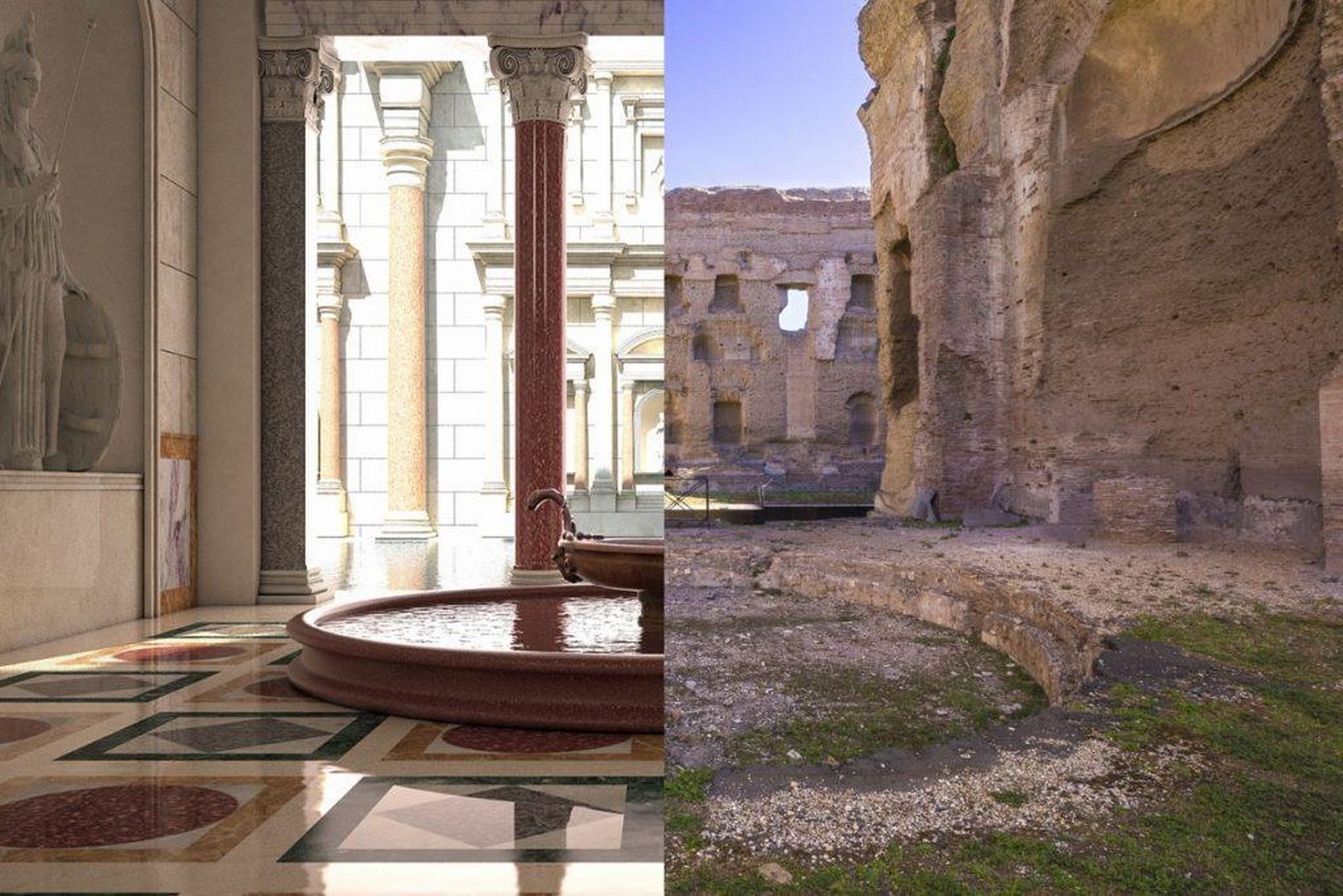
There has been a substantial increase in the amount of time individuals are spending in virtual worlds, apart from their applications in the gaming industry. Virtual and Augmented Reality programs help in exploring new ways to experience Architecture.
Apple’s Vision Pro Glasses, for instance, have features to rebuild old forgotten buildings, creating an innovative way for individuals to experience history and civilisations that have been lost over time. Imagine walking through the Roman Ruins and experiencing the architecture and civilisation in the way that it was intended. In addition to this application, one could also possibly explore places across the world from the comfort of one’s own home. It also makes the world a more accessible place
Virtual Reality has also found its way into the production industry, enabling communities to connect back to their disconnected roots through a guided virtual experience.
Hybridization of Function
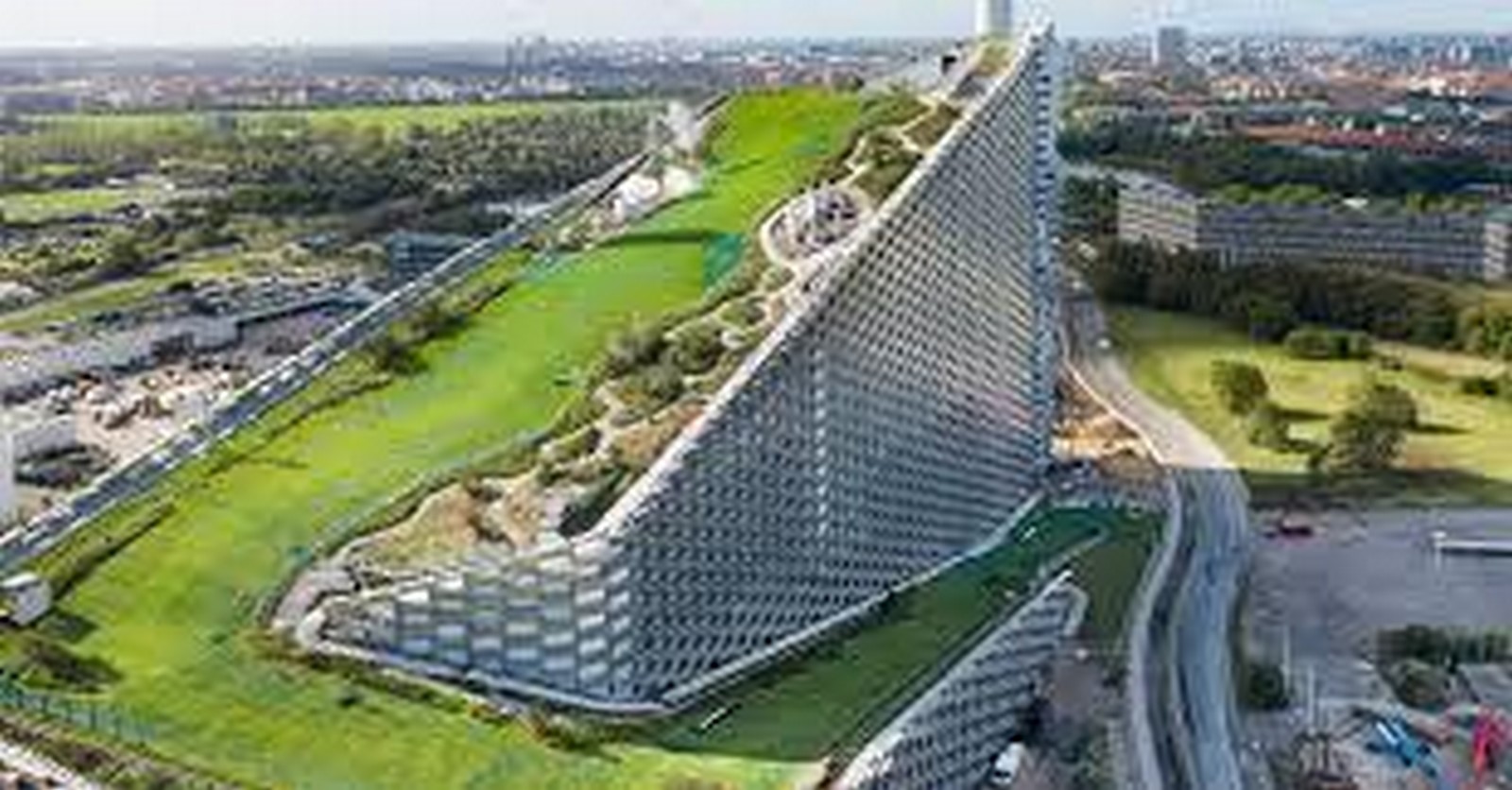
With the massive economic growth in different parts of the world, it is inevitable to begin witnessing an increase in infrastructure projects. With limited land space and a need for infrastructure, we are bound to see an increase in hybridised building typologies that help sustain cities and also provide a space for repose, experience and connection for its residents.
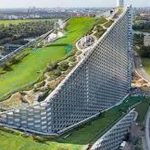
A great example of one such building is BIG’s Copen Hill project, also referred to as the Amager Bakke. It is essentially a waste-to-energy power plant that is topped with a ski slope, hiking trail, climbing wall, an urban recreation centre and an environmental education hub. Elevating the power station into a cultural and recreational hub for the city. It takes a more engaging route to educate people on the relevance and importance of infrastructure by providing them a space to come together as a community and engage in a myriad of different activities.
The future of Cultural Architecture is taking many new forms and changing at a rapid rate. It is therefore crucial that this becomes an exercise that keeps in mind the flexible nature of such buildings and, more importantly, the weight of possibilities riding on its conception and design.
References:
ArchEyes (n.d.) Cultural Architecture Buildings. Available at: https://archeyes.com/architecture/cultural-architecture/ (Accessed: 31 March 2025).
Wormald, J. (2023) Explore the Future of Architecture with Augmented Reality. ArchDaily, 26 July. Available at: https://www.archdaily.com/1004256/explore-the-future-of-architecture-with-augmented-reality (Accessed: 31 March 2025).
Cutieru, A. (2021) Re-evaluating Critical Regionalism: An Architecture of the Place. ArchDaily, 9 August. Available at: https://www.archdaily.com/966401/re-evaluating-critical-regionalism-an-architecture-of-the-place (Accessed: 31 March 2025).
BIG | Bjarke Ingels Group (n.d.) CopenHill. Available at: https://big.dk/projects/copenhill-2391 (Accessed: 31 March 2025).
Montjoy, V. (2023) How Can AI and Data-Driven Tools Help Architects Design Compact, Healthy Cities? ArchDaily, 23 February. Available at: https://www.archdaily.com/988710/how-can-ai-and-data-driven-tools-help-architects-design-compact-healthy-cities (Accessed: 31 March 2025).
Carta, S. (2020) Algorithms are designing better buildings. The Conversation, 18 June. Available at: https://theconversation.com/algorithms-are-designing-better-buildings-140302 (Accessed: 31 March 2025).