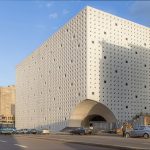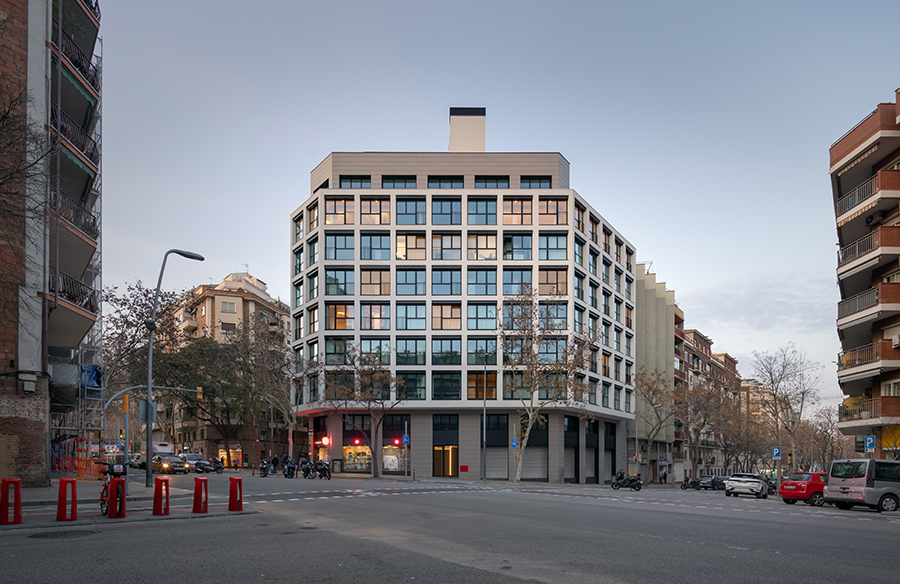
Located on a chamfered corner of a triangular block in Barcelona’s Eixample district, the
Navas 270 project transforms a former industrial building into 41 residential units and 5
commercial spaces.
Project Name: Navas 270
Studio Name: Vilalta Studio
Location: Barcelona
Status: Completed
Timeline: 2021-2023
Image Credits: Pol Viladoms
INDUSTRIAL CHARACTER
The project embraces the preservation of the industrial building’s aesthetics and identity,
both inside and out. Built in 1969, the structure has been fully rehabilitated while maintaining its proportions, recycling the existing framework, and adapting it to meet contemporary residential needs.
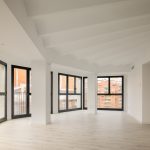
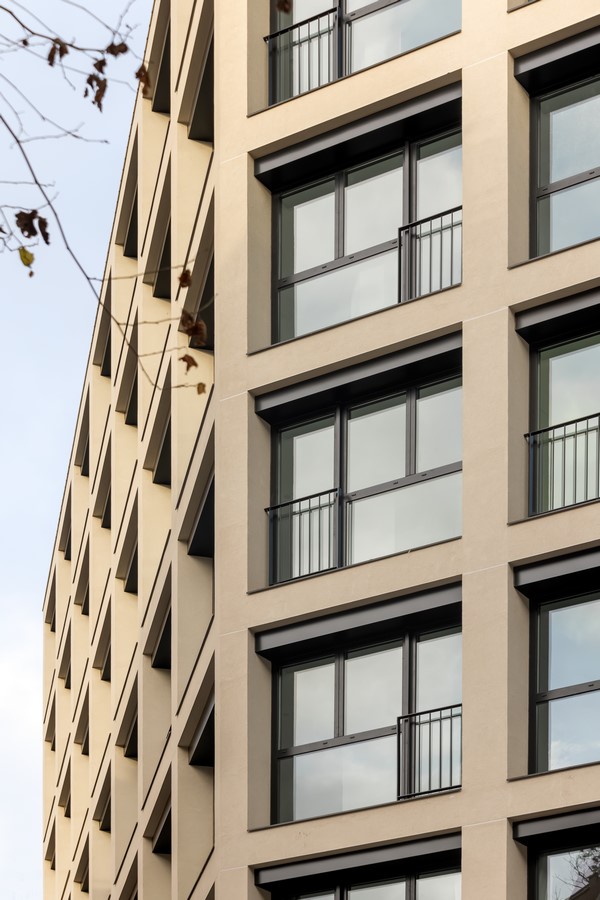
The façade design involved stripping back the structure to its core, exposing the pillars and
slabs. The spaces between were filled with glazed surfaces, allowing light to flood the
interior spaces, creating warmth and livability. This transformation adapts the façade to its
new residential purpose, with a new skin design that balances transparency and domestic
scale.
BIM TECHNOLOGY
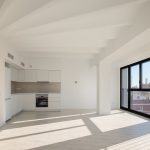
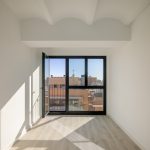
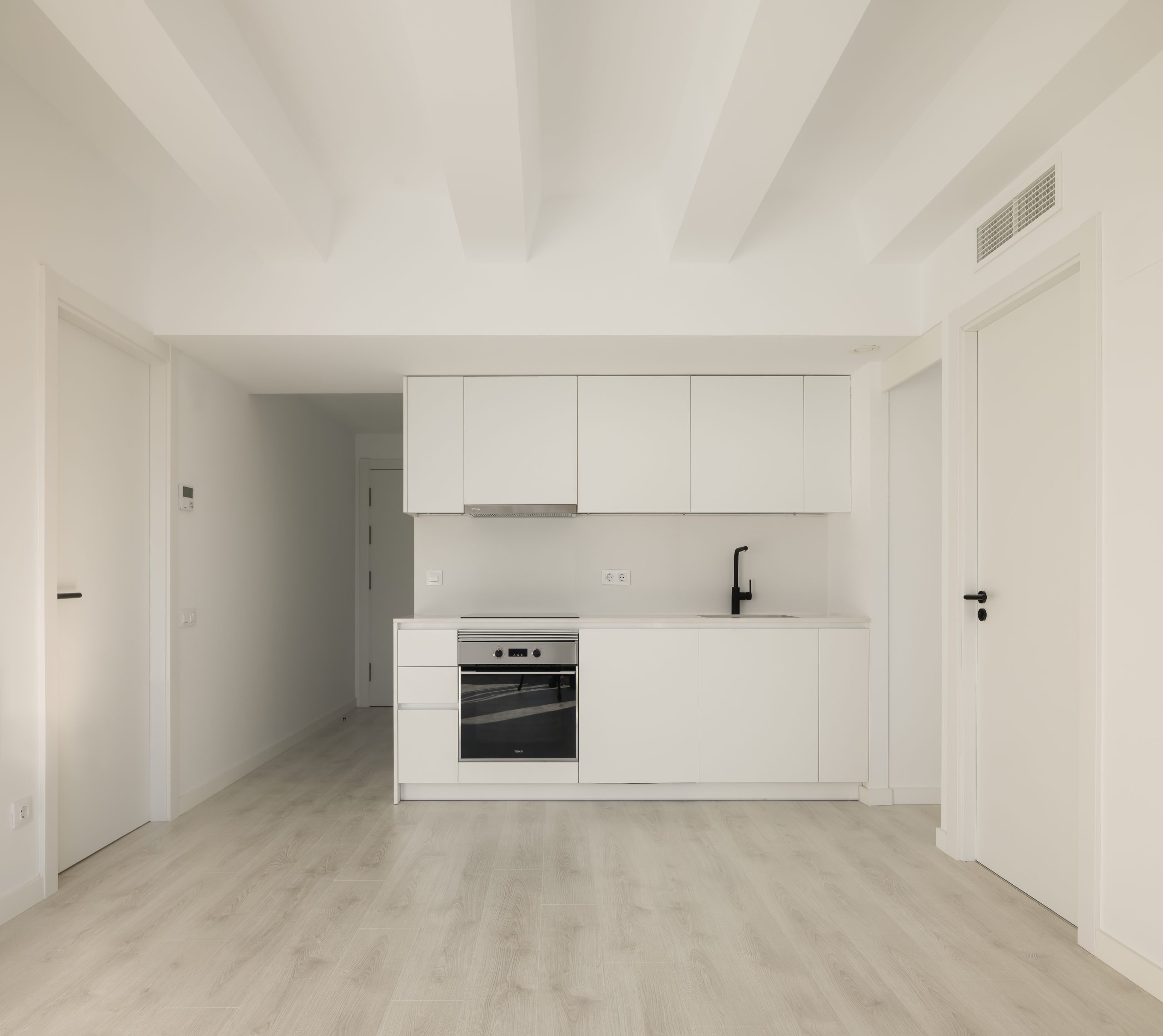
One of the key design decisions was to leave the vaulted ceilings exposed. By embedding
the mechanical systems into the walls, the project achieved greater ceiling heights, ranging from 2.80 meters to the bottom of the beam and 3 meters to the mid-point of the vault.
This approach posed a construction challenge that was meticulously managed using BIM
technology, which provided millimeter-level control of the spaces, ensuring the vaults
remained visible.
TYPOLOGICAL DIVERSITY
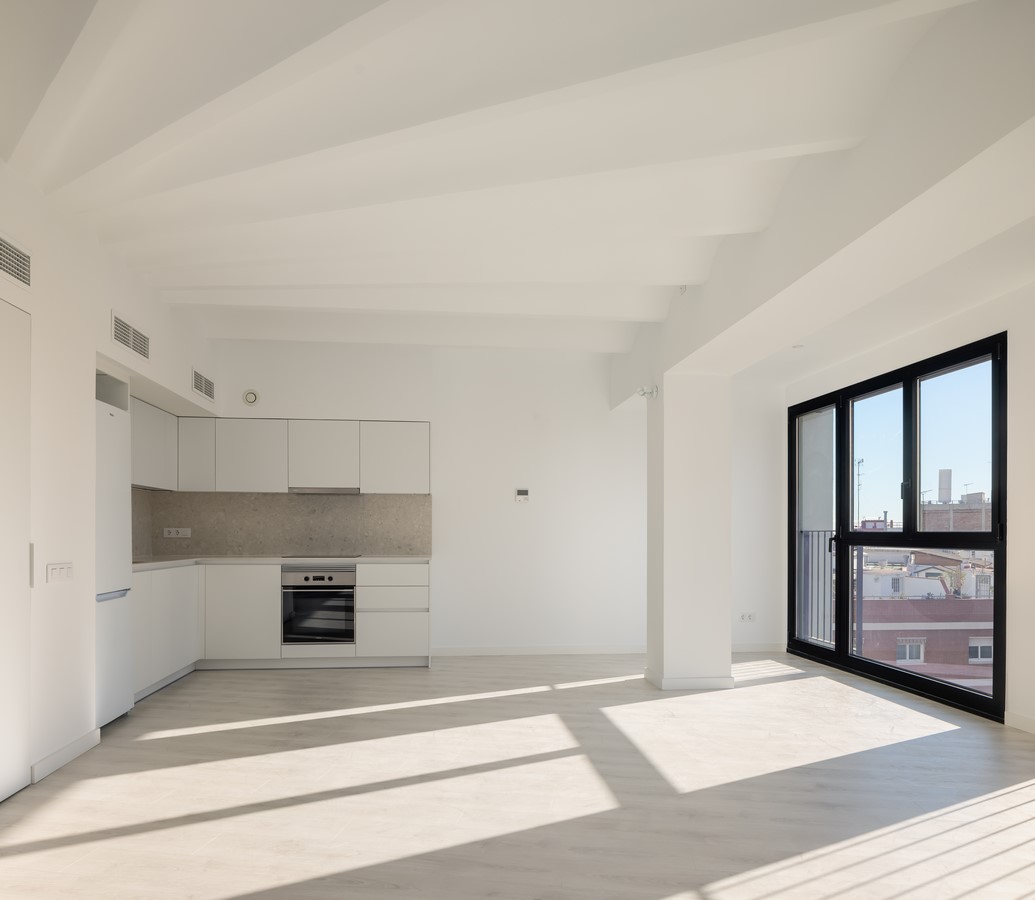
The building’s trapezoidal floor plan, with a chamfered corner, combined with varying floor
areas from the second to the seventh levels and setbacks on the eighth and ninth floors,
created a rich variety of housing typologies. These range from compact layouts on the first
floor to fan-shaped corner units optimized for the best views.
ENERGY EFFICIENCY
To achieve an A+ energy rating, the project incorporated thicker façade insulation and
low-emissivity glazing with a solar factor of 0.30, balancing natural light penetration with
thermal comfort.
Another key feature is the use of communal aerothermal systems, centralizing the building’s climate control to reduce energy consumption and free up rooftop space. Enhanced thermal insulation also improved the building’s acoustic performance.
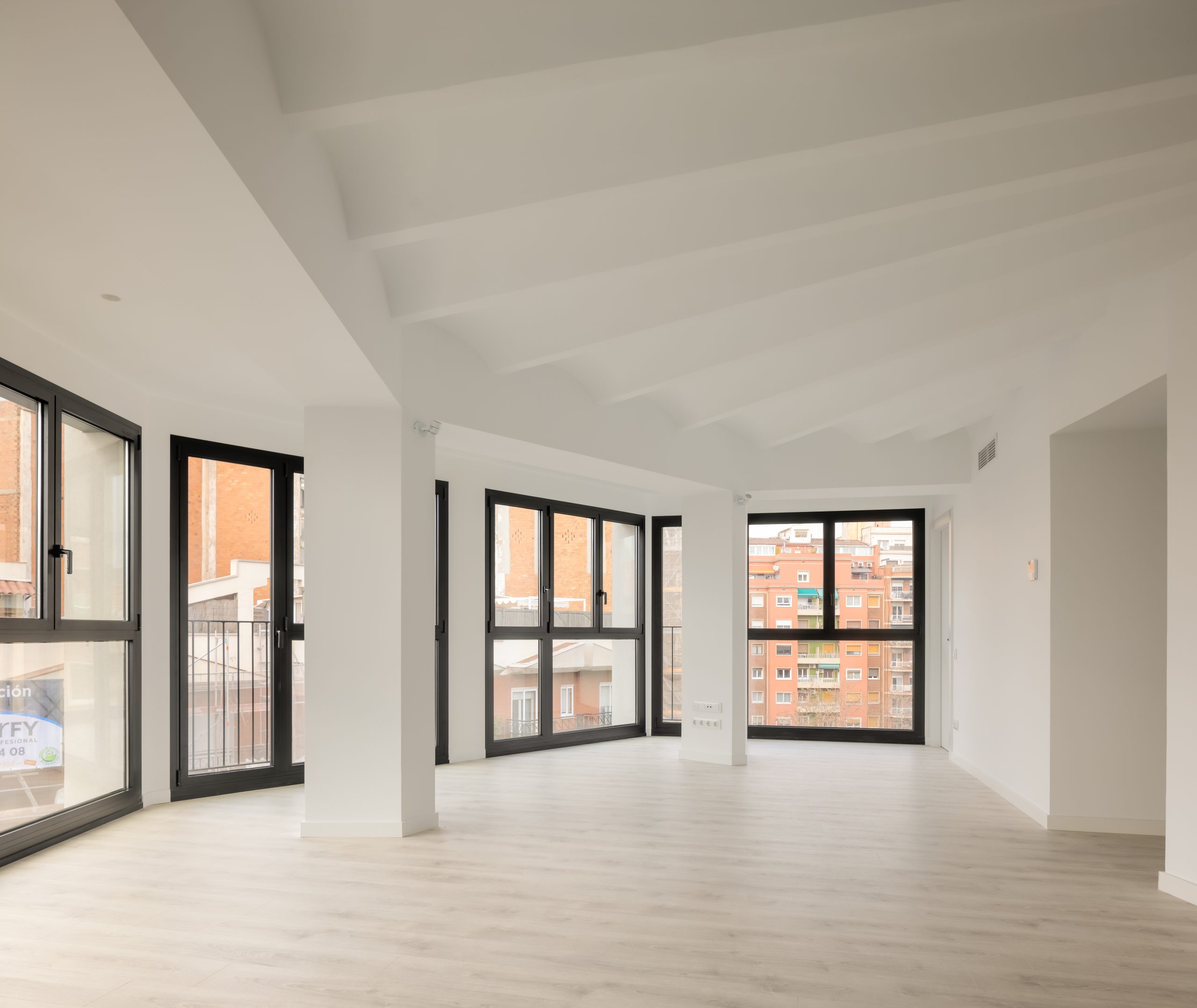
This reinterpretation and reuse of the existing structure allowed the project to preserve the
generous interior proportions of the industrial building, creating spacious and contemporary residential and commercial spaces that harmonize with the original materials.