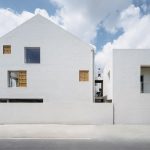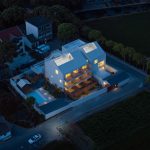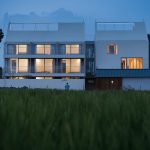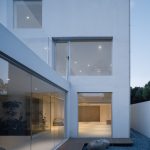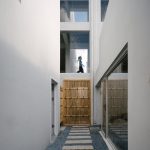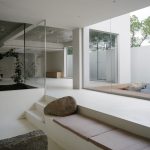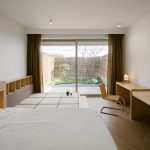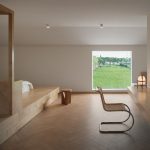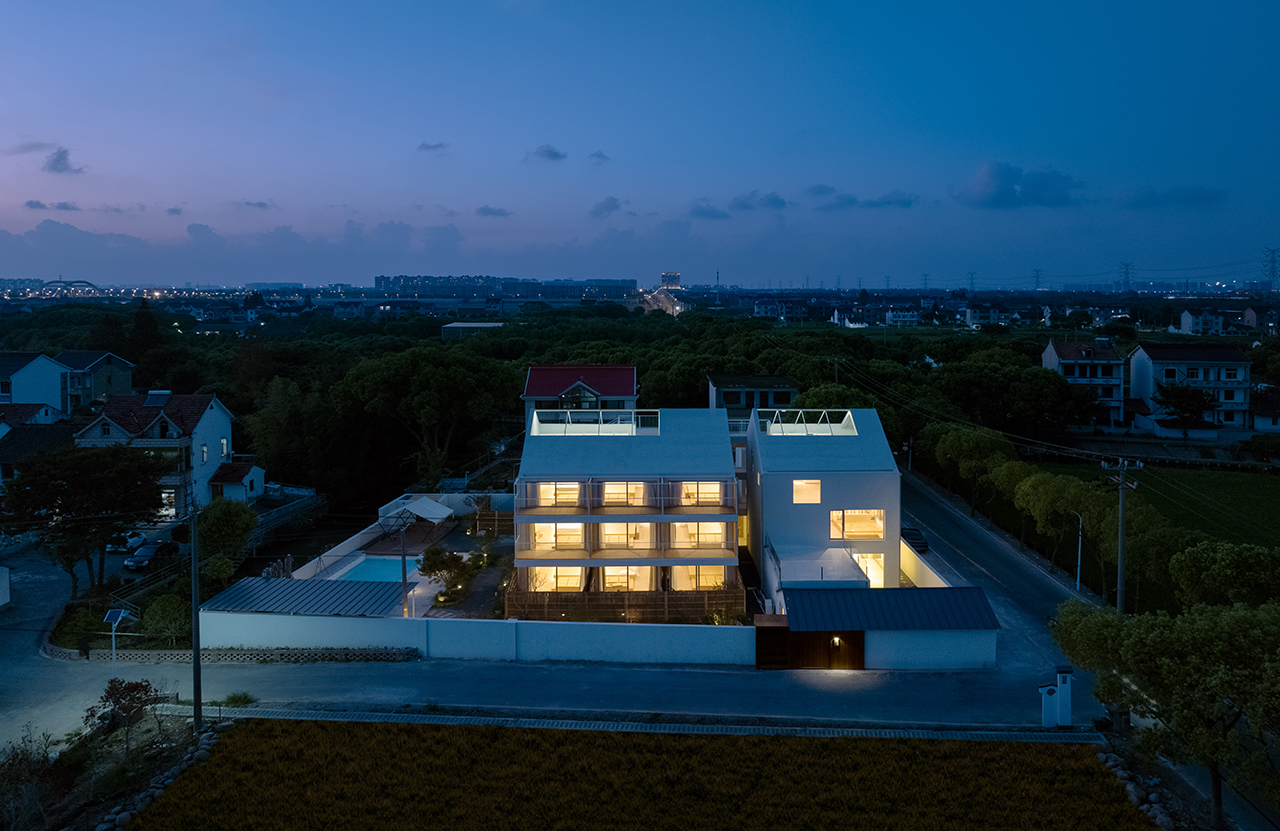
Chunli Guesthouse is situated near the ancient town of Xinchang on the outskirts of Shanghai. Upon first arriving at the site, the expansive rice fields offered a refreshing sense of openness. This boundless rural landscape became the starting point for the design, establishing a foundational tone of connection with nature.
Project Name: The Catcher Guesthouse
Studio Name: TEAM_BLDG
Location: Pudong, Shanghai, China
Status: Completed
Building Area: 897 SQM
Landscape Area: 773 SQM
Photographs: Hu Siyuan
Unlike brand-affiliated guesthouses with predetermined constraints, the client is a native of the area who later lived and worked in downtown Shanghai but had long wished to return home. During initial discussions, the client conveyed key requirements verbally under the constraint of an extremely low budget: meeting the guestroom count and public area functions while making full use of outdoor and terrace spaces. The target guests are primarily Shanghai residents seeking opportunities to connect with nature.
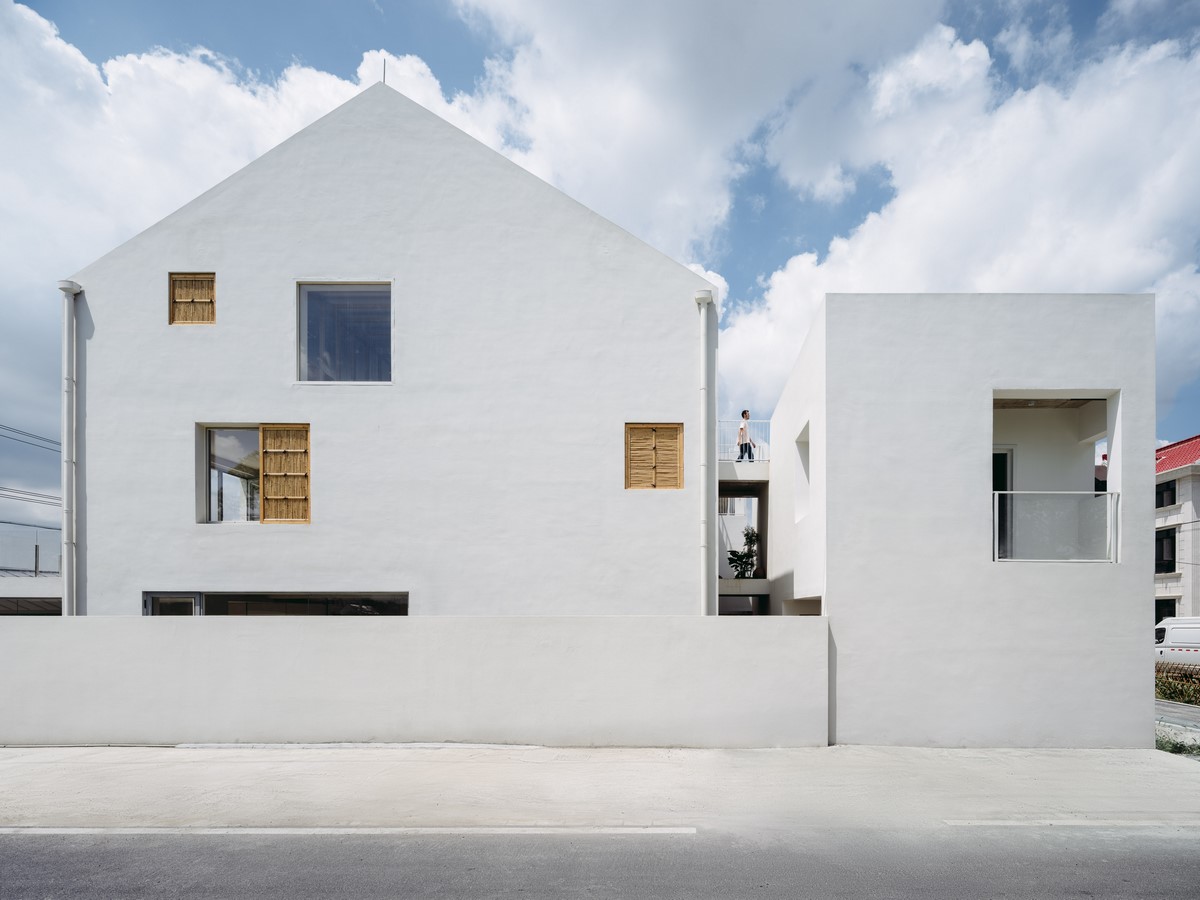
The site originally contained two independent self-built rural houses, whose forms and interior layouts were insufficient to meet the functional needs of a contemporary guesthouse. The renovation largely preserved the original structures—including the gable-roofed bungalow with a timber-framed entrance—adapting them to create a facility with 11 guestrooms alongside ancillary spaces such as a banquet hall and mahjong room. As a guesthouse rooted in its rural setting, the design also required flexibility to navigate uncertainties common in renovation projects, such as approvals and on-site construction challenges, striving to balance practical constraints with ideal aspirations.
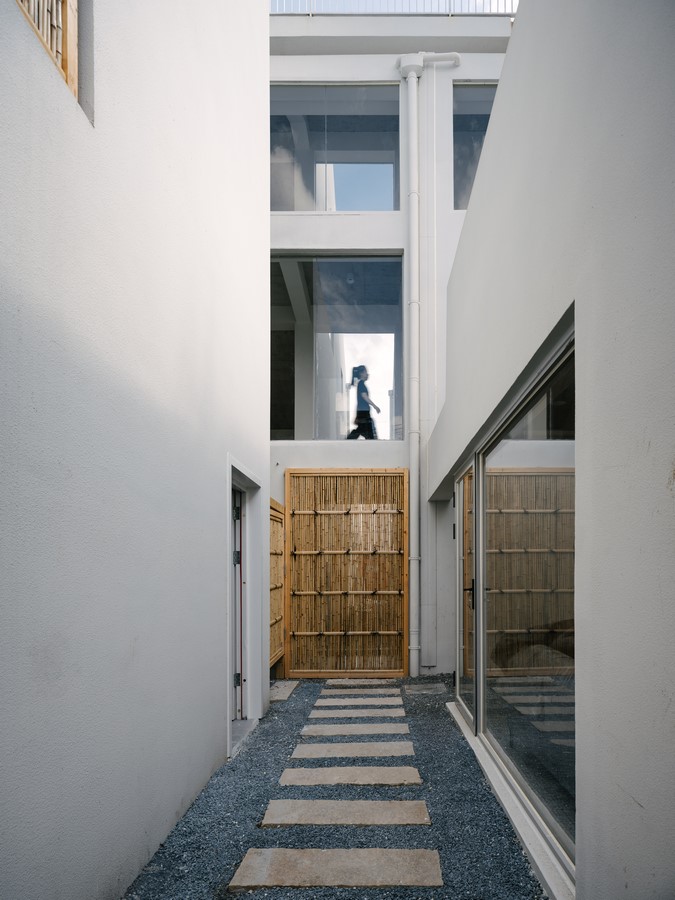
Catcher, Connected with Nature
The design takes “catching” as its conceptual anchor, emphasizing the relationship between architecture and the surrounding rice fields. Within a manageable budget, the original structures were largely retained. Through circulation pathways, framed views, and the interplay between indoor and outdoor spaces, the building establishes itself as an integral part of the landscape—like a “catcher in the field,” distinct yet reassuring.
Circulation serves as the spatial organizing principle, making movement through the property an engaging experience. A perimeter wall consolidates the two buildings and courtyards into a unified site. Three new volumes are introduced at three corners of the rectangular plot, housing public functions including the lobby, pavilion, and banquet hall. These volumes reinforce the courtyard’s sense of enclosure while enhancing indoor-outdoor connectivity. The volume behind the main building accommodates dining and leisure areas, allowing most guestrooms to be oriented south for optimal light, with circulation and service spaces placed to the north. This arrangement clarifies the logic between public and private zones while effectively linking interior and exterior.
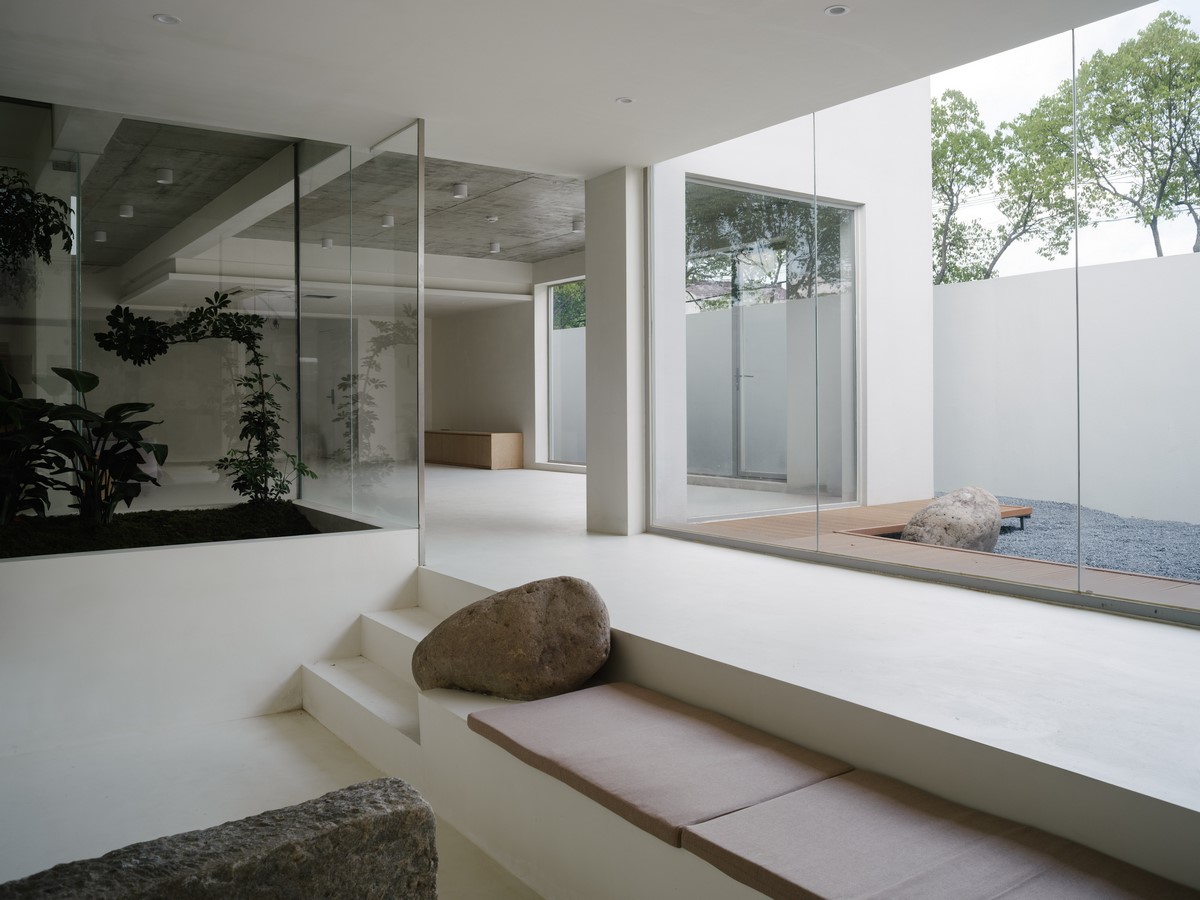
Following the original topography, a sunken seating area was created in the lobby—repurposing an existing depression from the old structure with functional upgrades—establishing a unique visual relationship with the adjacent courtyard while drawing natural light and garden views inward, enriching the layering of semi-outdoor space.
Old and New, Balancing Preservation and Intervention
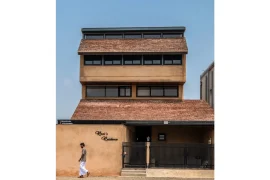
The design carefully negotiates the relationship between old and new. The original gable-roofed house at the entrance, though stylistically distinct from the new volumes, was largely retained, with only its roof replaced with aluminum-magnesium-manganese panels for safety reasons.
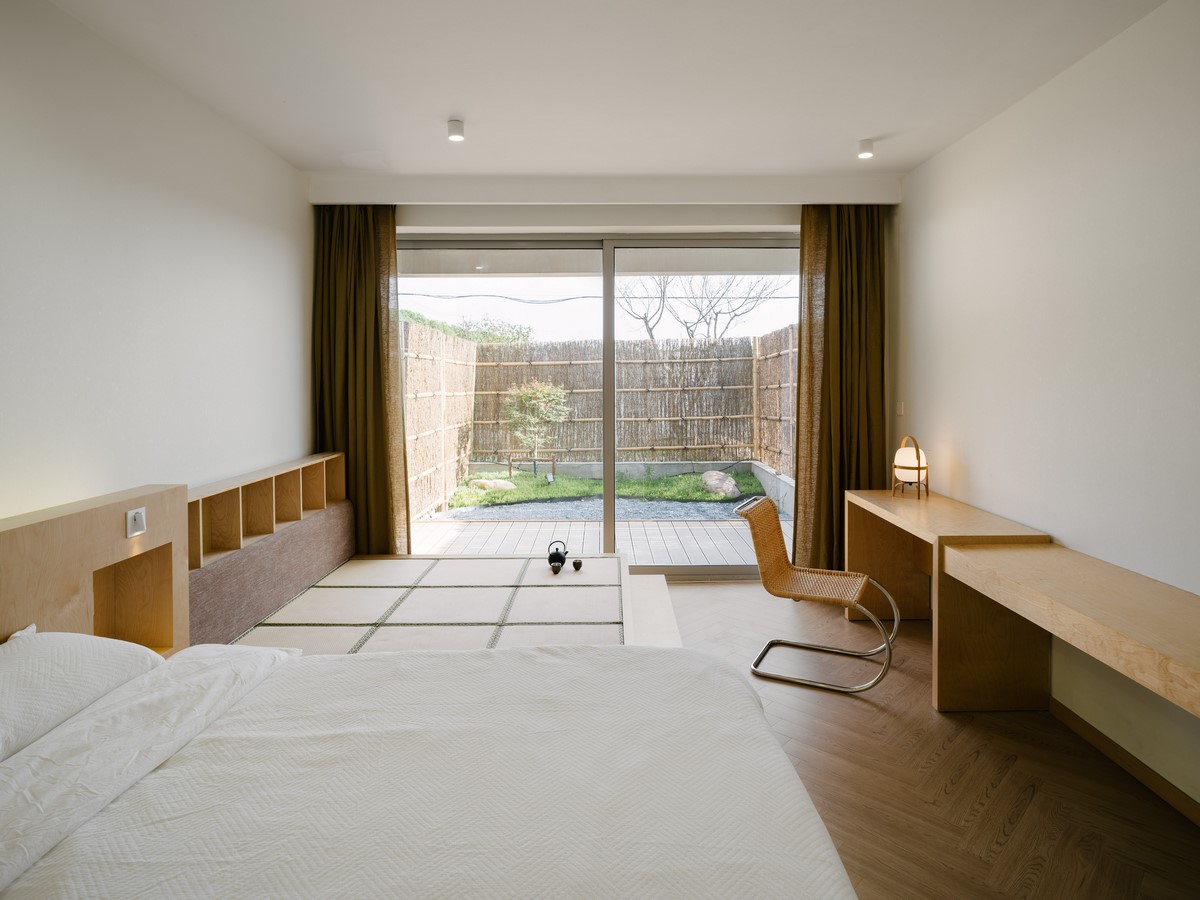
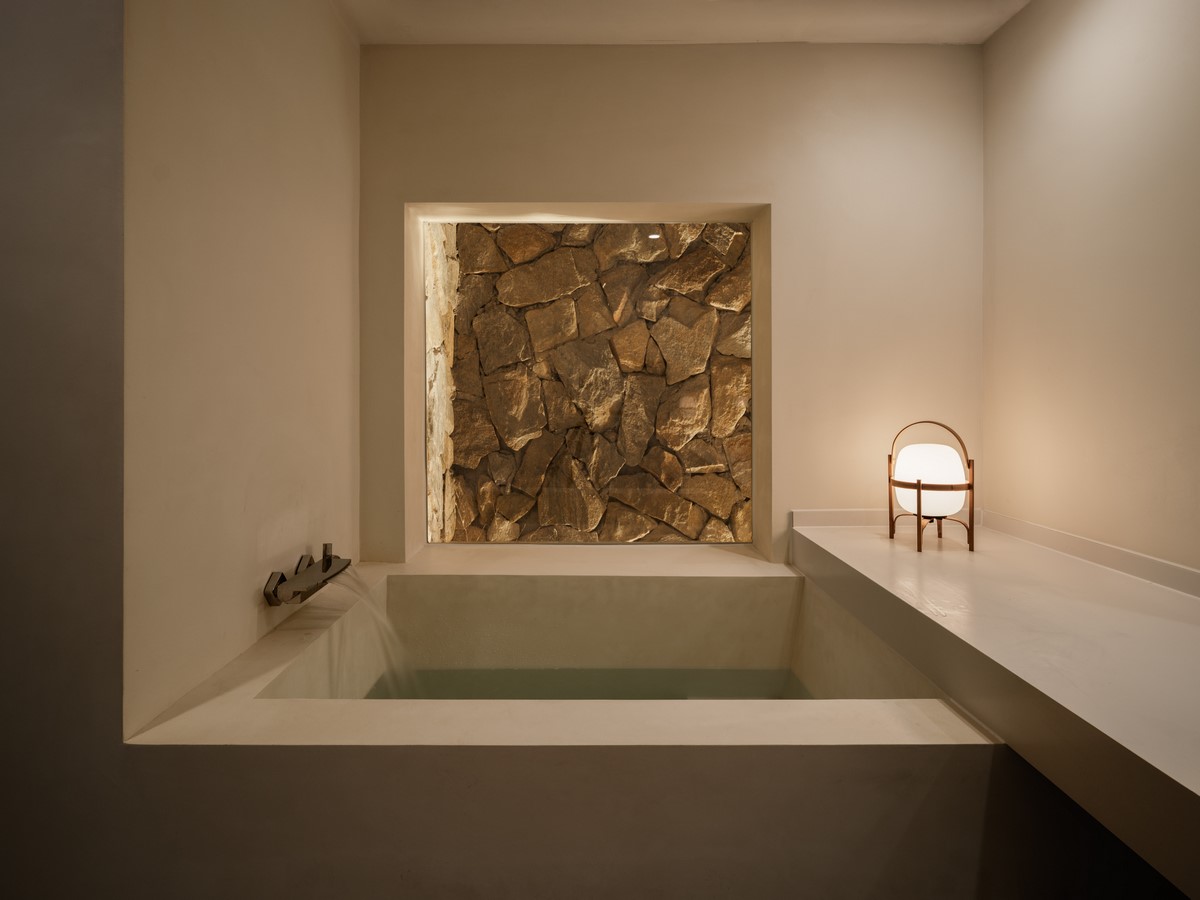
New interventions follow the principle that “every addition has a rationale.” For instance, the landscaped planting outside the soaking tub area in certain guestrooms is not purely decorative but also serves to conceal unsightly piping along the wall, reflecting the design’s commitment to authenticity and integrity.
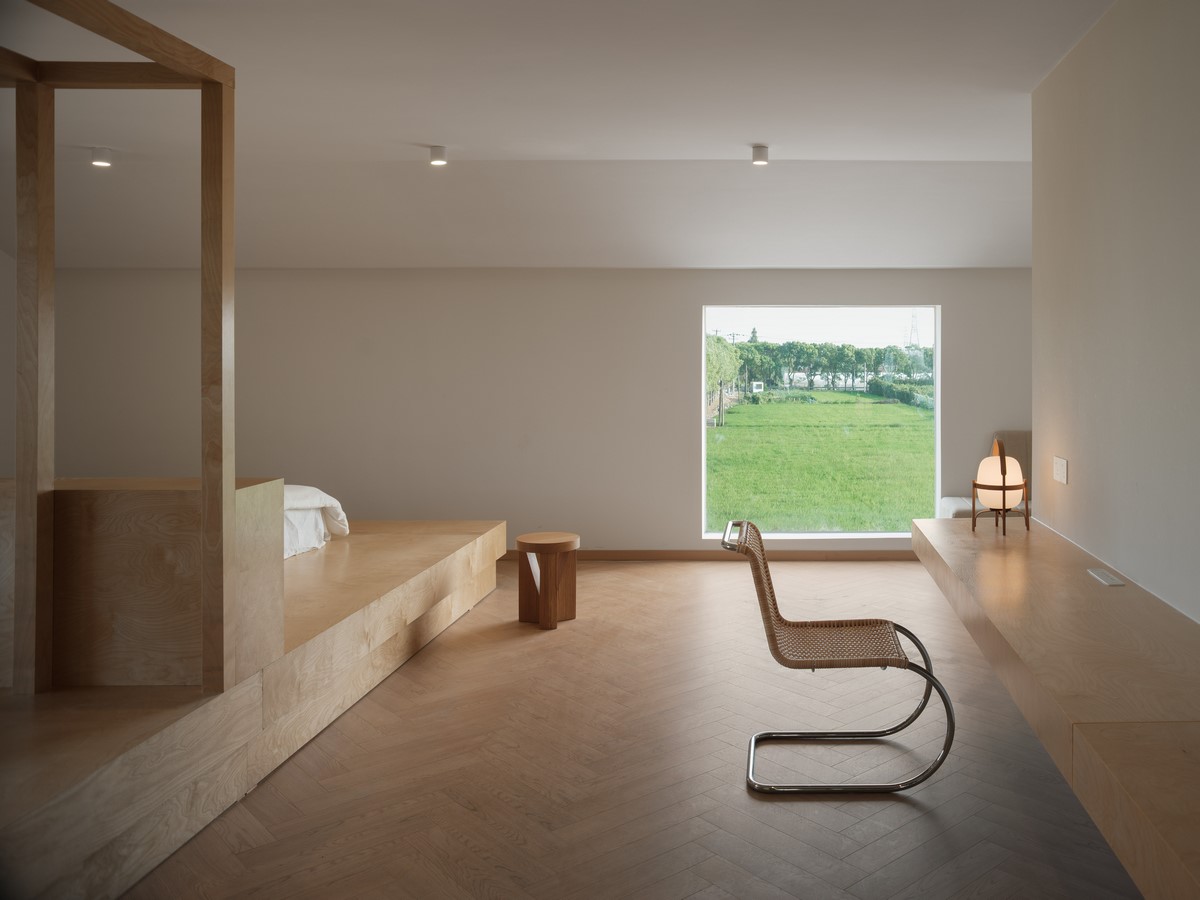
Like many renovation projects involving older structures, Chunli Guesthouse faced challenges including tight budget constraints and the need to work with local construction practices. Material selections were heavily influenced by budget considerations, leading to the predominant use of locally available options: the white exterior finish employs a textured water-borne sand finish commonly used in rural areas; stone cladding on utility shafts draws from local techniques typically applied to landscape walls; unfinished interior surfaces reflect common rural construction practices; and bamboo fences and gates are crafted using traditional local methods. A system of fixed, multi-functional furniture pieces was adopted to accommodate diverse family scenarios, consolidating functional needs and helping to control overall costs. Throughout the process, local construction methods were taken into account, with construction details simplified wherever possible to ensure feasibility and durability, resulting in a high level of completion for the design intent.
“Catcher in the Field” represents TEAM_BLDG’s response to nature, memory, and the spirit of place. Beyond fulfilling functional requirements, the building aims to serve as a medium connecting people with the land, the past with the future—watching over both the soil and time itself.