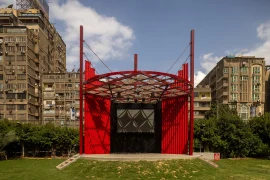
High Line Bangkok is a zero-waste thematic pavilion that reinterprets Bangkok’s urban infrastructure through a design approach that is both visually engaging and socially interactive. The project is led by architects Jenchieh Hung and Kulthida Songkittipakdee of HAS design and research.
Project Name: High Line Bangkok
Studio Name: Jenchieh Hung + Kulthida Songkittipakdee HAS design and research
Project Location: Bangkok, Thailand
Design Team: Jenchieh Hung, Kulthida Songkittipakdee, Darin Thonongtor, Vich Chinpraditsuk, Reefa Panawa, Sasitorn Sueatao
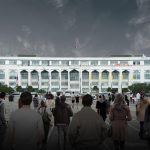
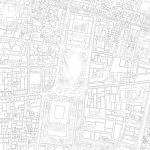
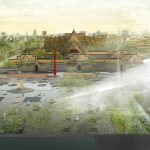
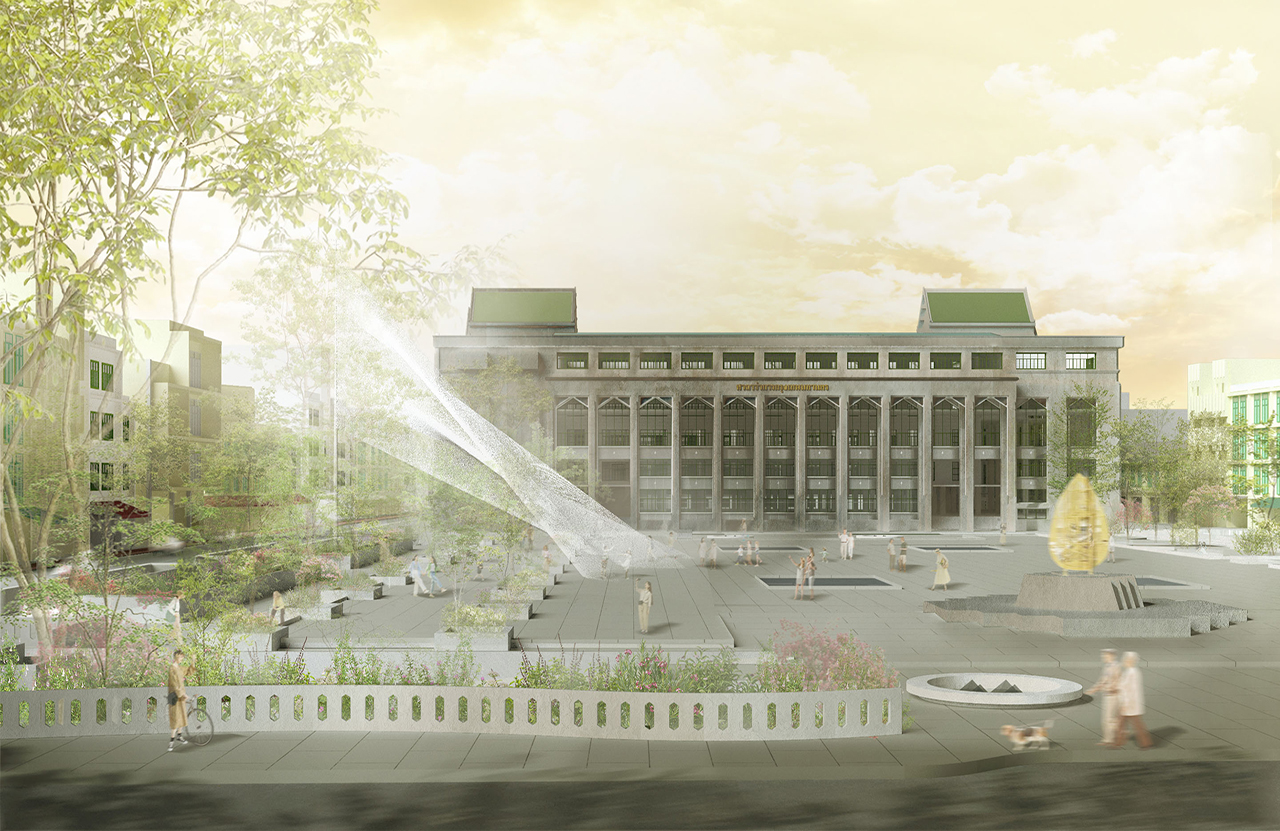
Presented during Bangkok Design Week 2026, the pavilion is located at Lan Khon Mueang Town Square, directly in front of Bangkok Metropolitan Administration City Hall. This prominent public space has previously hosted installations by internationally recognized designers, including MVRDV. For this edition, HAS Design and Research was invited to contribute a large-scale public installation in collaboration with Urban Ally. The project reflects Bangkok’s growing presence on the global design stage and emphasizes Thailand’s cultural influence through architecture, art, and urban innovation.
The pavilion occupies a major civic plaza that functions as both an extension of City Hall and a key public gathering space in Thailand. Over time, the site has hosted cultural events and public commemorations, including tributes to Queen Sirikit. As the administrative center of the capital, the Bangkok Metropolitan Administration uses this space to communicate its vision for urban development, sustainability, and civic life.
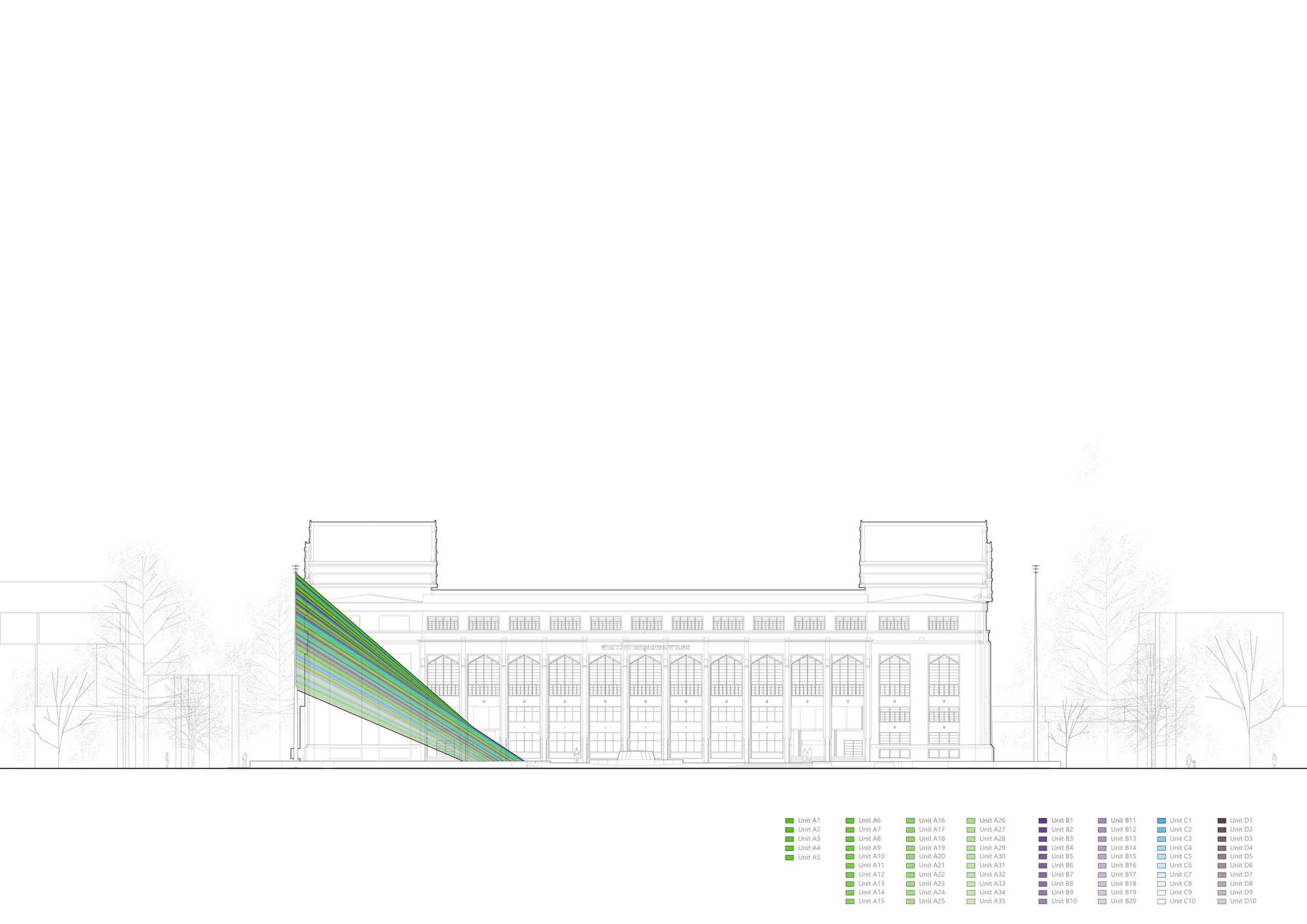
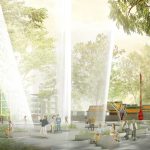
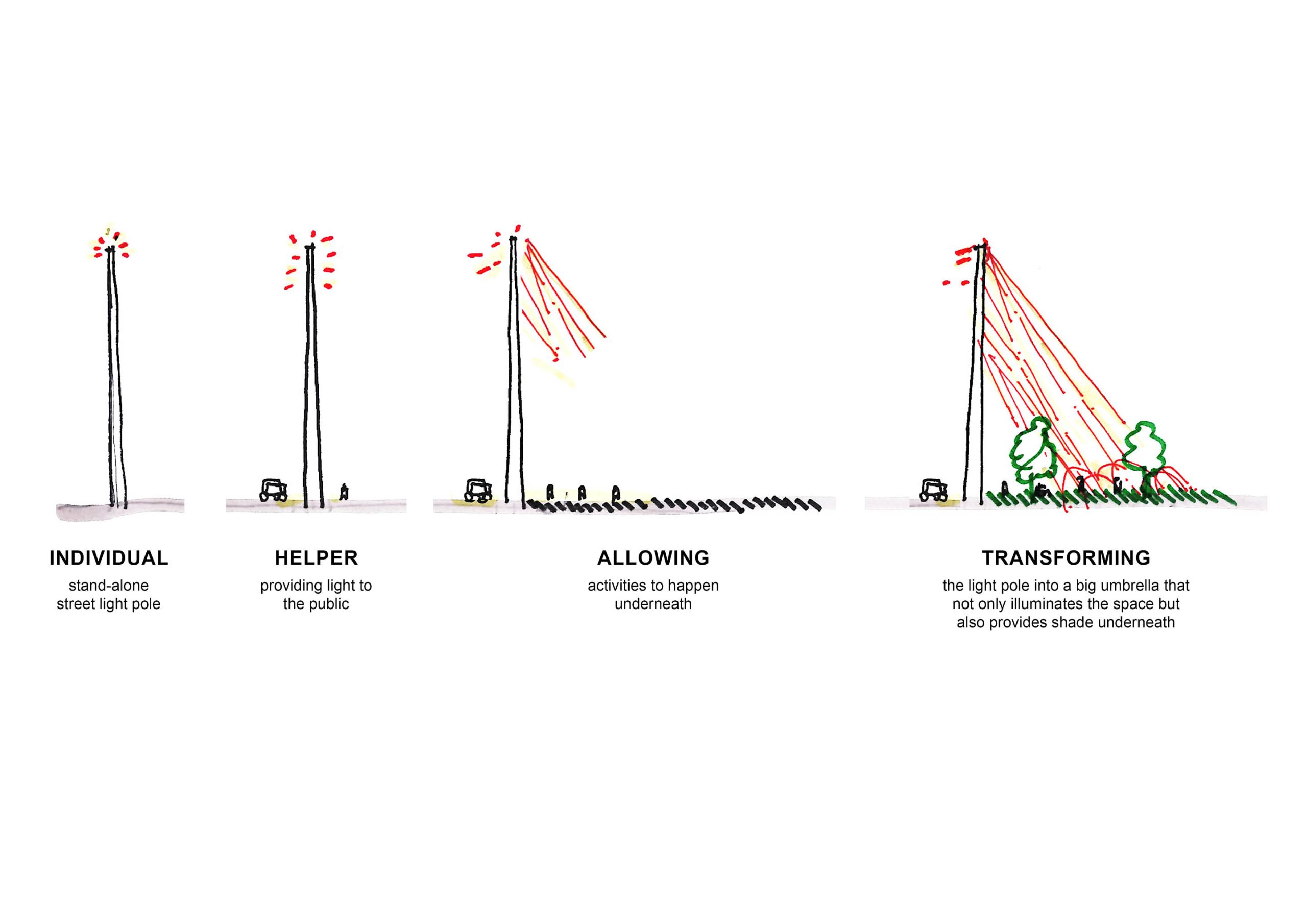
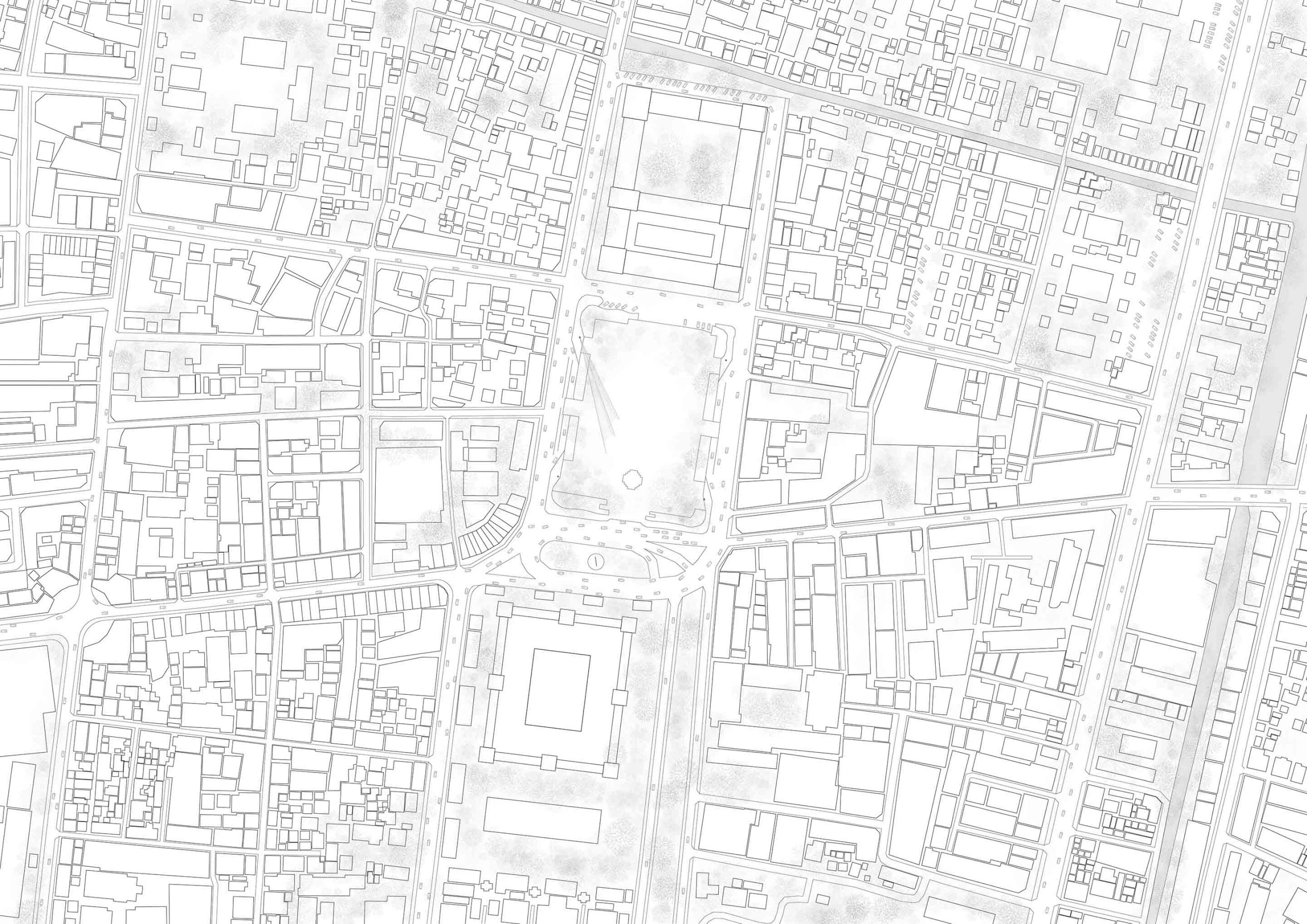
Through detailed site analysis, Hung and Songkittipakdee observed how Bangkok’s tropical climate shapes public behavior. During the daytime, people seek shelter under shaded areas created by trees and urban elements. In contrast, nighttime activity gravitates toward illuminated zones around streetlights. These patterns highlight the importance of shade and artificial lighting in supporting daily life and activating public space in a tropical environment.
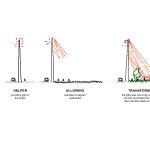
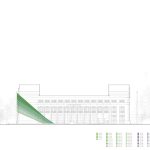
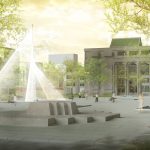
Responding to these observations, the design reimagines the role of existing streetlights by using them as the primary structural framework for the pavilion. This approach avoids the need for new permanent construction, significantly reducing material use while supporting a zero-waste strategy aligned with the city’s sustainability goals. The project demonstrates how existing infrastructure can be adapted into functional and experiential architectural elements.
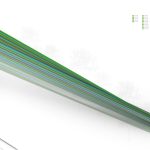
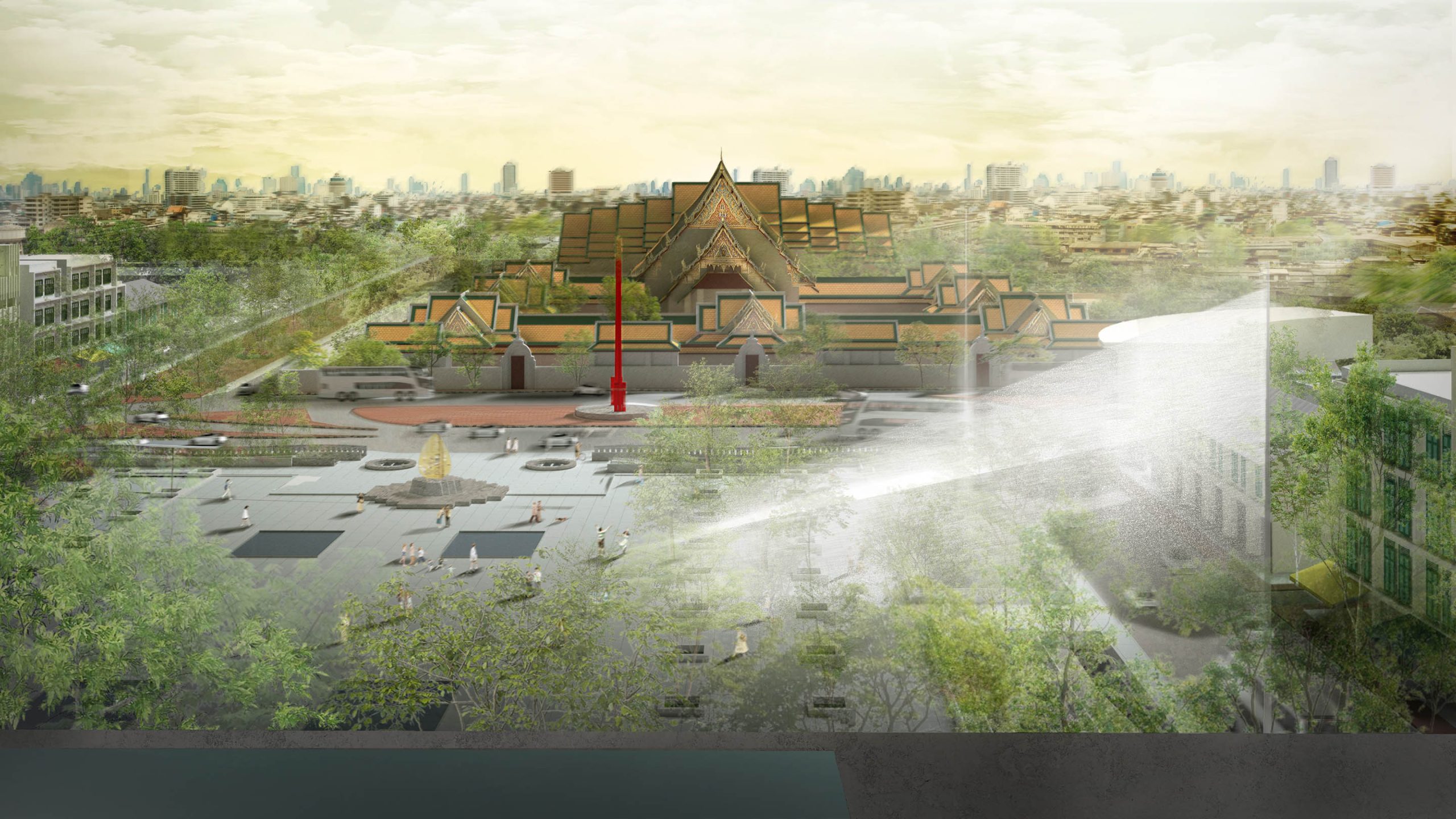
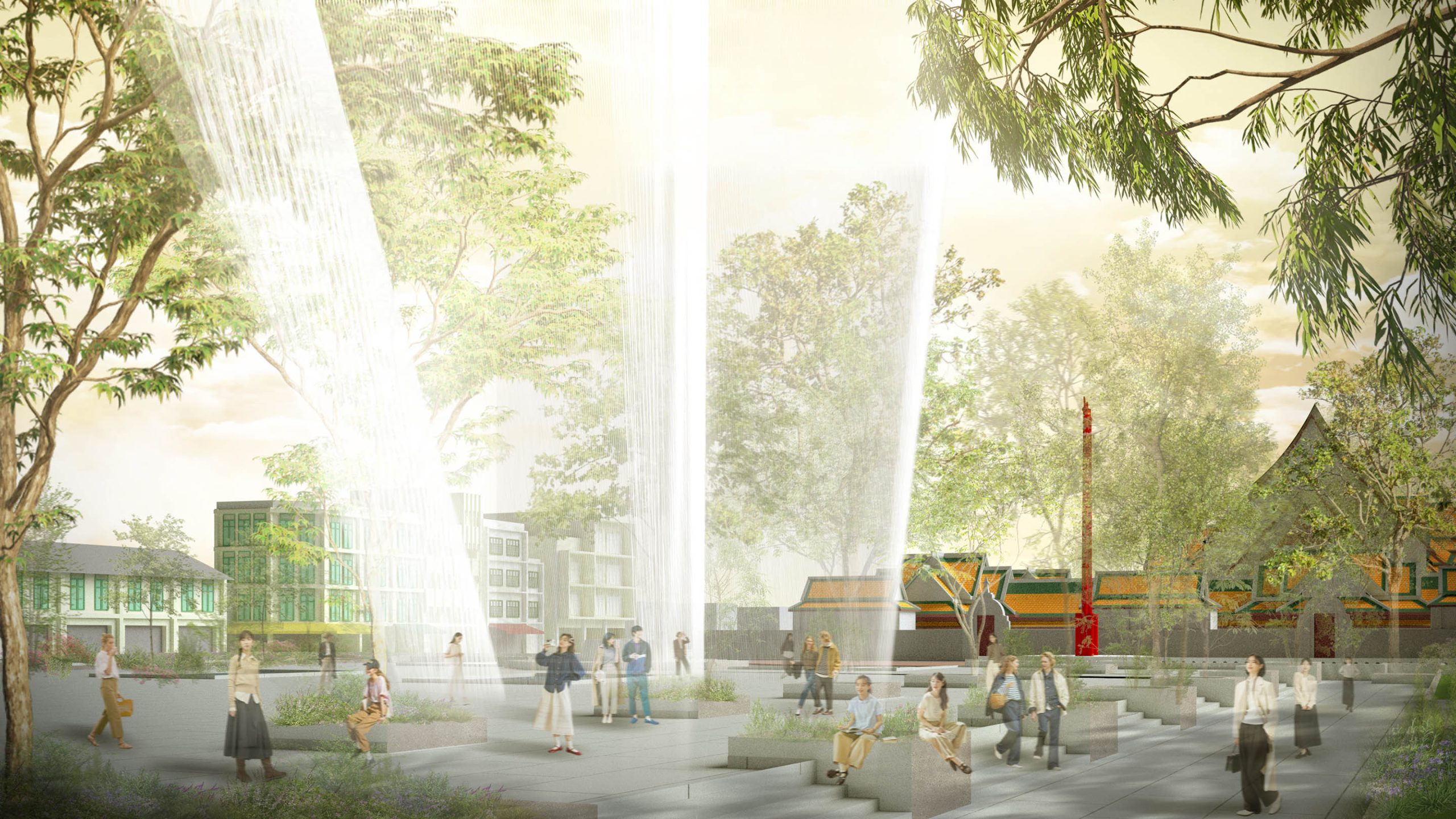
Throughout the day, High Line Bangkok offers a dynamic spatial experience. In daylight, it creates a vibrant, rainbow-like canopy that filters sunlight and casts colorful shadows, forming a comfortable shaded environment for public use. At night, the installation transforms into a luminous structure that amplifies and extends existing lighting, turning ordinary streetlights into a shared visual and social feature of the city.
Beyond its visual impact, the project introduces a replicable design strategy that enhances infrastructure while incorporating key principles of tropical architecture, including shading, airflow, and transitional semi-outdoor spaces. More importantly, it redefines public architecture as an accessible experience, allowing people to directly engage with design and its impact on everyday urban life.
High Line Bangkok embodies the collaborative vision of Jenchieh Hung + Kulthida Songkittipakdee / HAS design and researchh, Urban Ally, and Masco Enterprise Thailand, while
also reflecting the commitment of the Creative Economy Agency and the Bangkok Metropolitan Administration to creating a more sustainable and people-centered urban future.