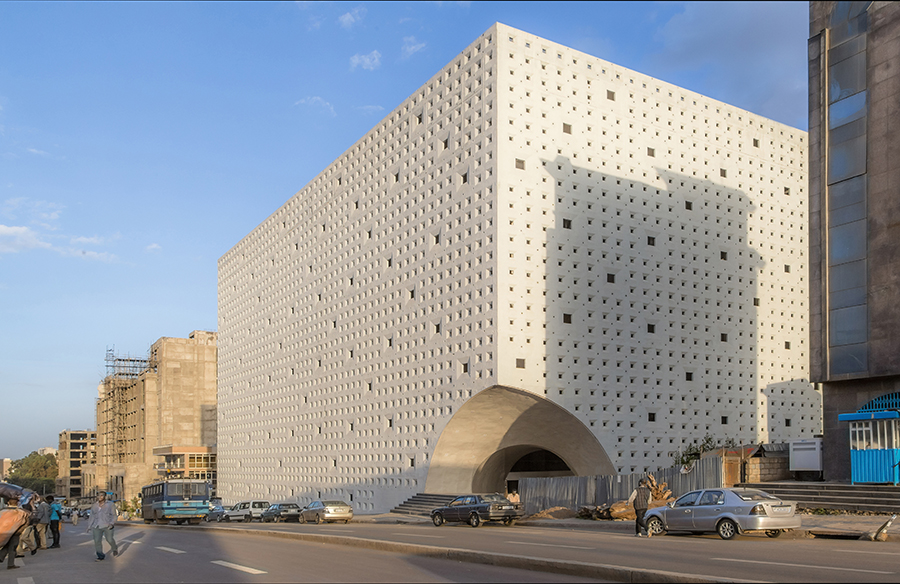
The Lideta Mercato was intended to be a shopping center similar to many others in the city
of Addis Abeba. To avoid this, the initial analysis addressed both the existing buildings, old
and new, as well as the characteristics of the local climate and Ethiopia’s rich culture.
Project Name: Lideta Mercato
Studio Name: Vilalta Studio
Location: Addis Abeba, Ethiopia
Size: 14,200 m²
Status: Completed
Time: 2011-2017
Image Credits: Gonzalo Guajardo
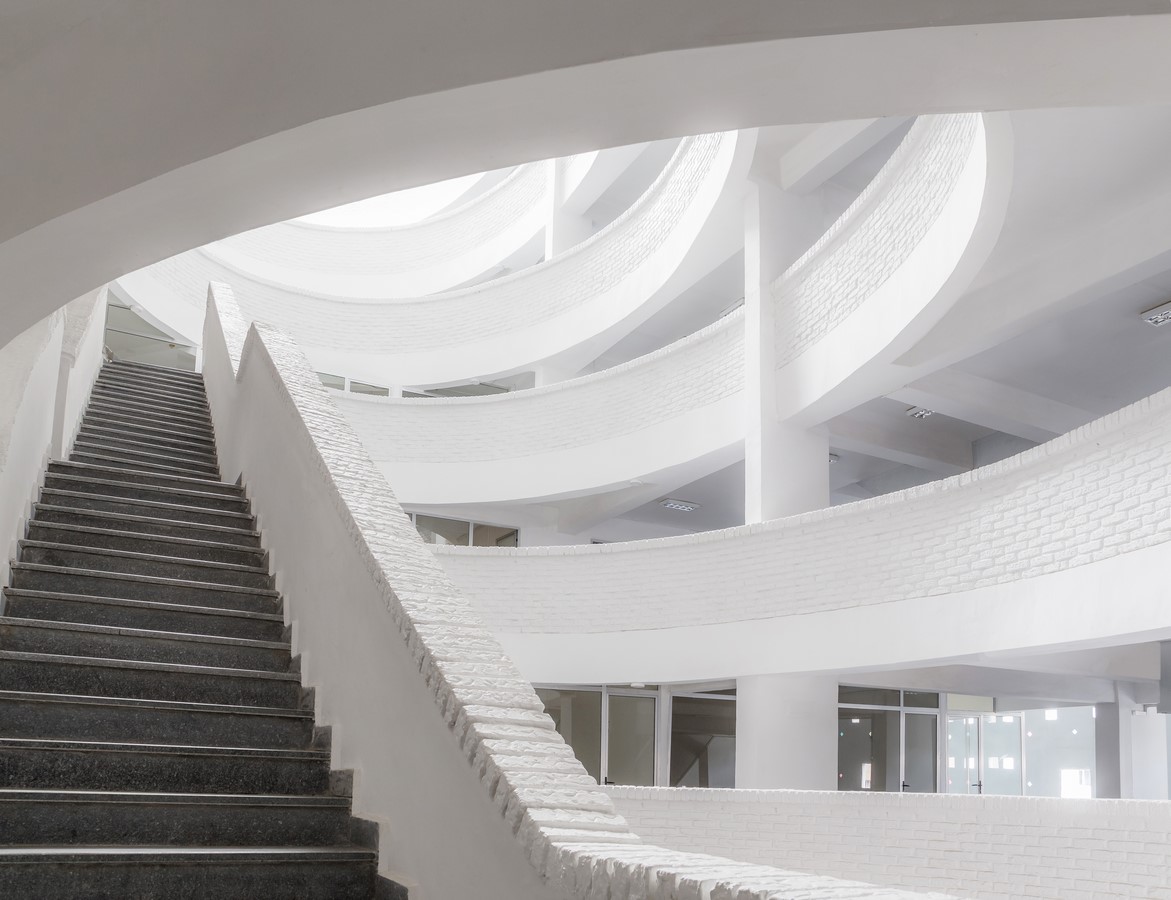
This process led to the creation of a contemporary project that is, in turn, rooted in local
tradition. In this way, a commercial space was conceived where the local population could
identify and feel connected, merging modernity with cultural heritage.
REINTERPRETING THE MARKET PROGRAM DESIGN
Through a rigorous analysis, the main problems of the city’s shopping centers, mostly built
with glass curtain walls, were identified. As a result, the buildings suffer from uncomfortable thermal conditions in a climate with temperatures ranging from 18 to 25 degrees year-round, excessive natural lighting, and unaffordable rents. Visits to the Old Market, Africa’s largest open-air market, were a great source of inspiration for redefining the building’s program into a contemporary, vertical market rather than a conventional shopping mall with large stores.
BETWEEN INNOVATION AND TRADITION
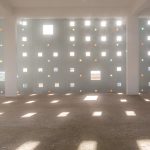
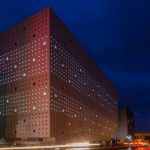
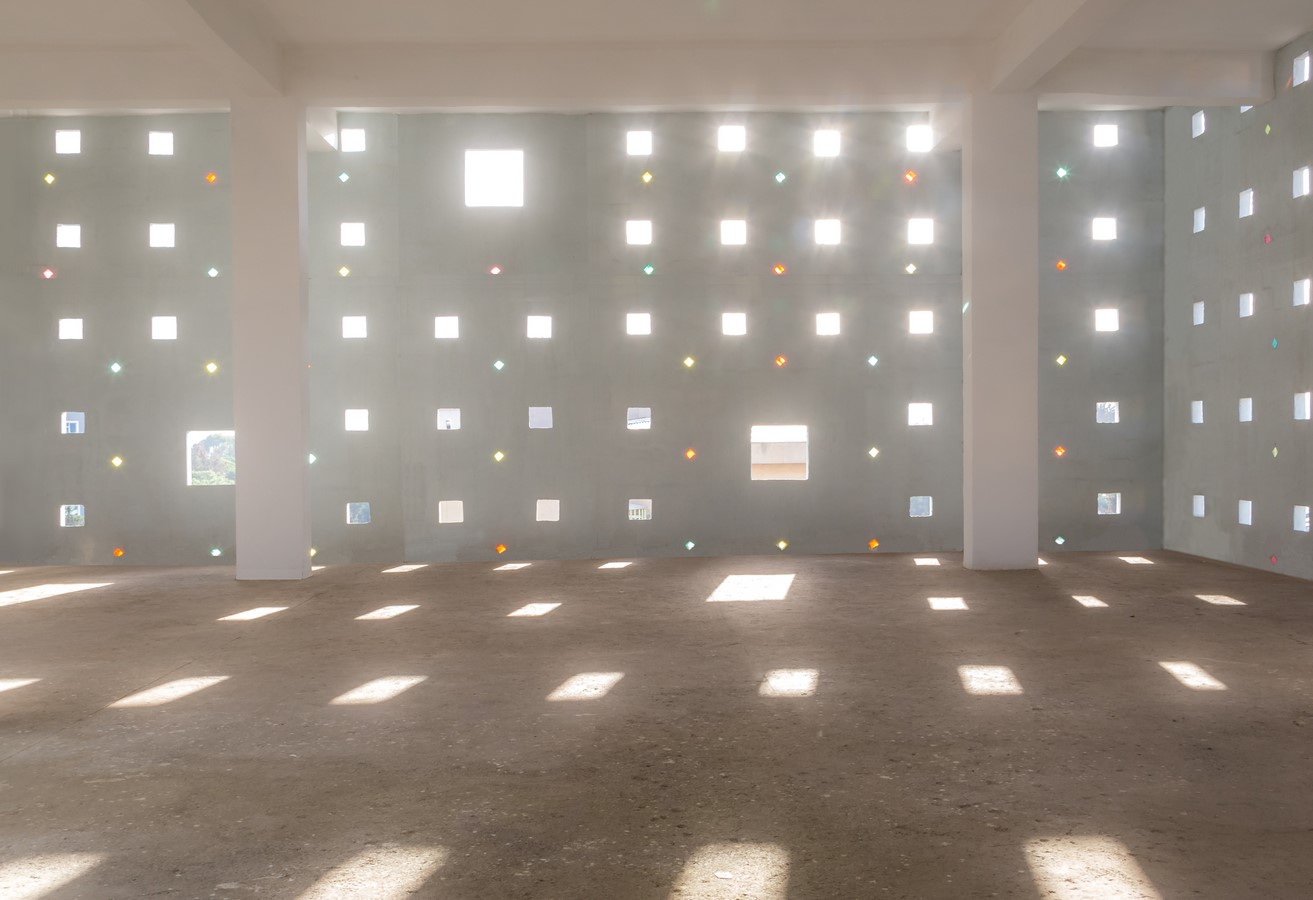
The building’s skin was designed with local traditions and climate conditions in mind. The facade acts as a sunshade, controlling natural light and ventilation in the interior spaces.
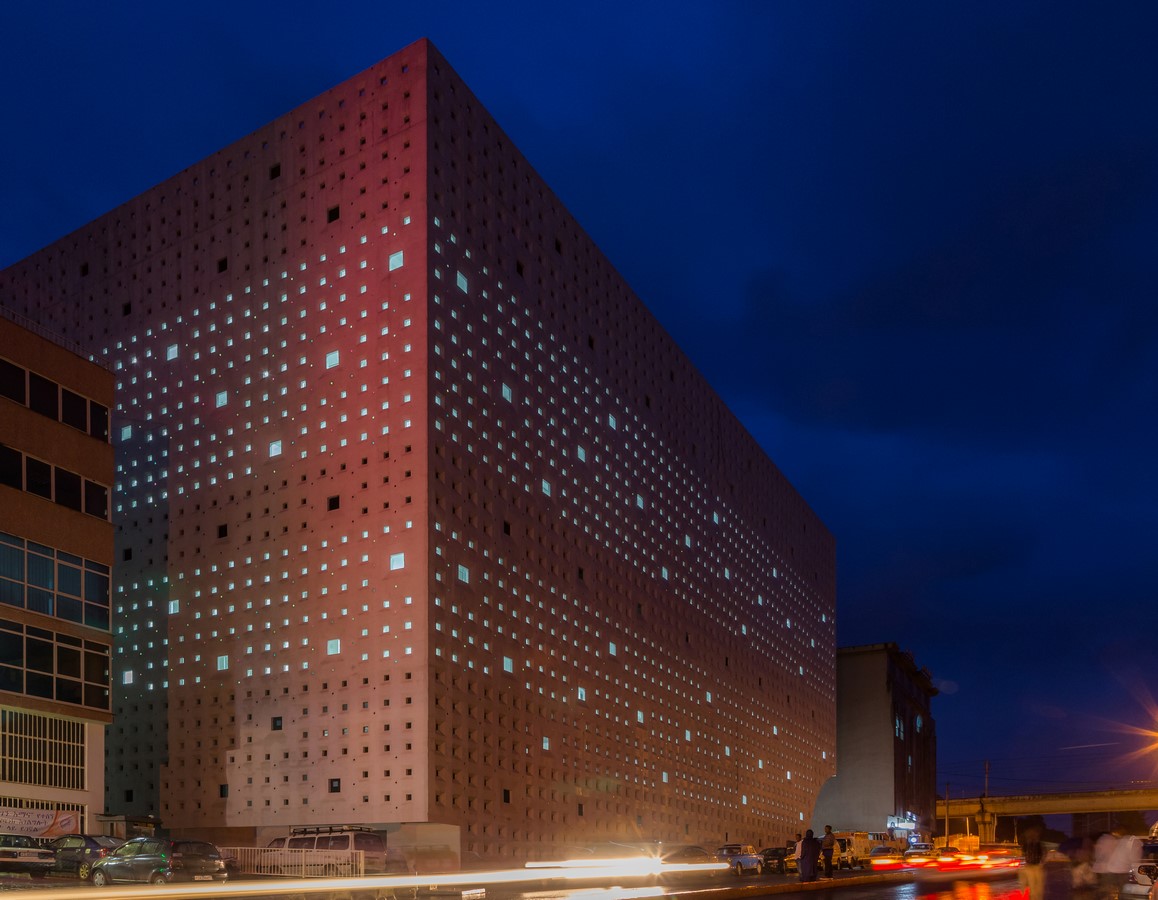
It was built with a custom prefabricated lightweight concrete system and designed with a traditional pattern, which has fractal geometry properties commonly found in local fabrics. The two window sizes are combined and complemented with colored glass, creating an atmosphere inside during the day and highlighting the building at night by utilizing interior light.
CREATING THE VOID
The perforated volume connects two parallel streets that define the project plot. This
diagonal connection creates direct access for pedestrians, concentrating all building entrances. This path extends to an inclined atrium in the center of the building, where all floors can be seen from the ground floor, connected by a series of stairs.
Additionally, these connections allow for natural cross-ventilation and controlled natural lighting indoors. In this way, Lideta Mercato is an open-air space with a continuous flow of air and light.
PROGRAM DEVELOPMENT
As we move forward, around the void, there are cafes and services that shift with the open
space, generating a different layout on each floor. A total of 316 small stores are located
from the ground floor up to the 6th level. A multipurpose space is located on the 7th floor.
On the rooftop, under circular porches containing photovoltaic panels to protect from the
sun, there are cafes and bars. The umbrellas also function as a rainwater collection system,
draining and storing rainwater in basement tanks, which will later be filtered for reuse in
faucets and toilets throughout the building.