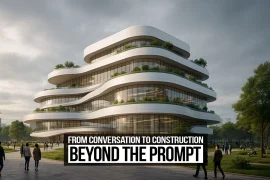
Architecture is neither merely art nor a natural science. Unlike the natural sciences with an excellent foundation architecture balances both creativity and structure and unlike pure art, it includes functional implications that extend beyond aesthetics. Many architects encounter theory and reasoning in their careers and either embrace them or deny their importance in design. Sometimes, theory can also distance people from discussing it. (Brady, 2018) Nevertheless, theory is not solely an academic virtue. Designers can extend theory into practice through experimentation, using it as both a tool and a means of counterfactual thinking to reinforce ideas and supplement the reasoning behind decisions (Cash, 2018; Oulasvirta and Hornbæk, 2022)
Influence of Theory in Practice
Architects and designers debate the importance of theory and value intuition over theory when informing design decisions. While this argument is partly sound, a psychological counterargument is that one’s intuition has an internalised theory that functions on pattern-matching and empirical experiences. Instead of analyzing whether theories inform design, it is meaningful to consider if theories can help us advance in design ventures and how they can frame the real-world problems we face today. After all, theories, more than explaining, also act as principles to guide and inform practice. (Beck and Stolterman, 2016)
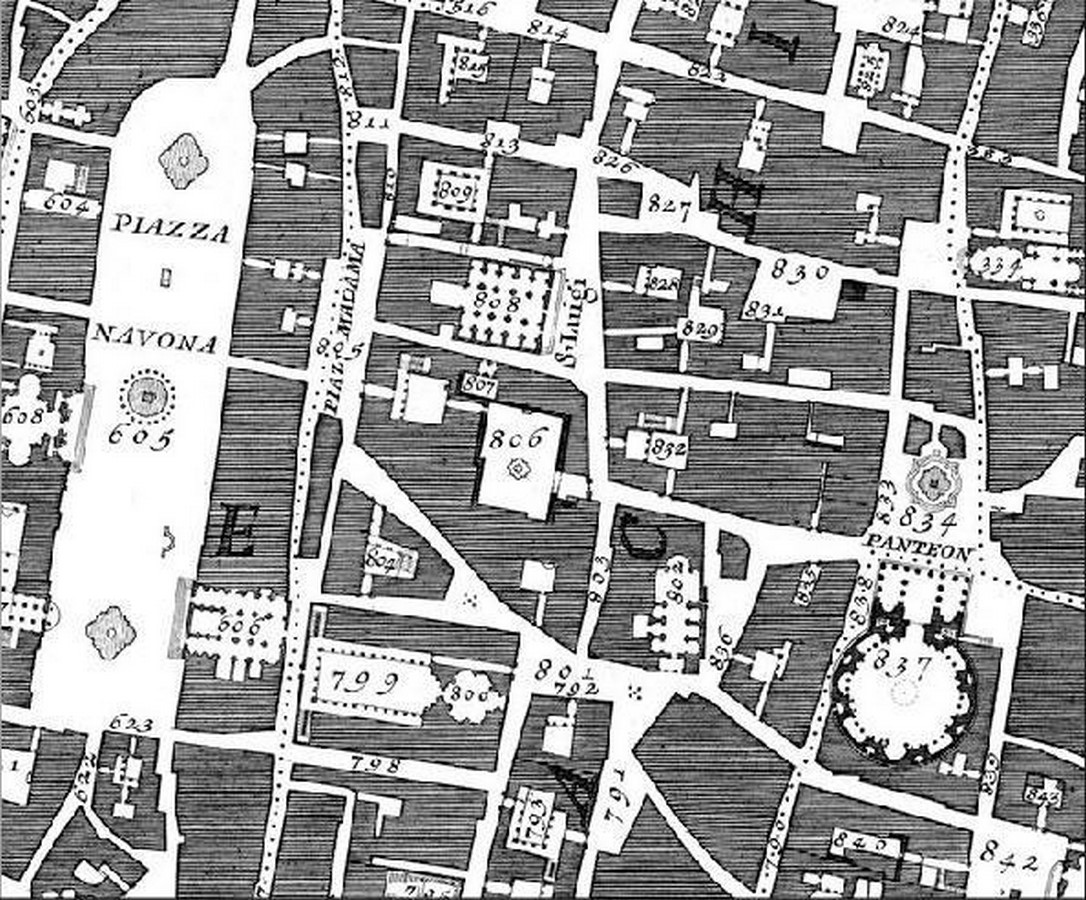
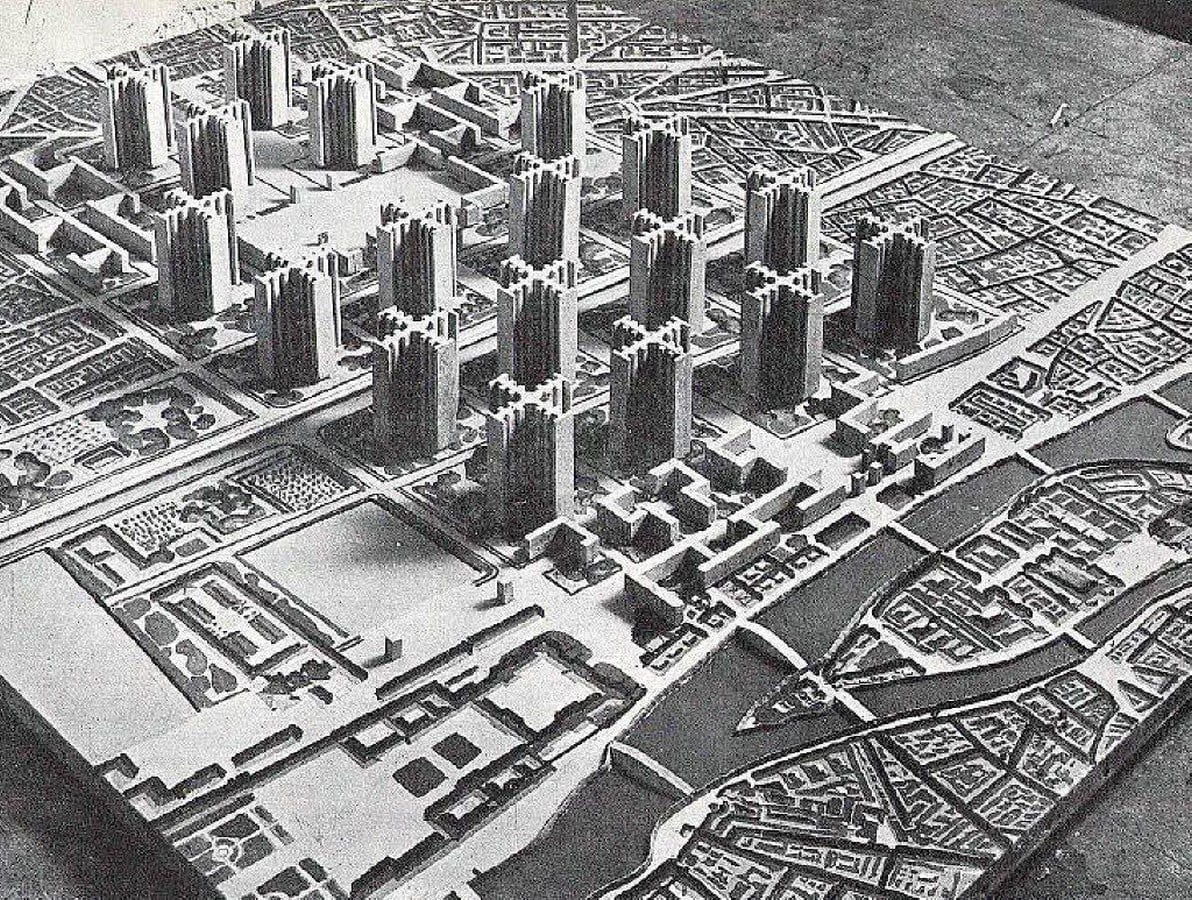
Architecture is a cultural phenomenon influenced by various factors such as economics, necessity, aesthetics, function, construction, resources, and materials, among many others. Theories can have a huge impact on how architecture is practised. (Munasinghe, 2010) Small ideas can transform into large outcomes. One example is the application of modernism. The pursuit of function without ornamentation was a strong theoretical argument that prioritized resource efficiency and skill implementation. Manifestos from famous architects such as Mies van der Rohe’s “Less is More” and Louis Sullivan’s “Form Ever Follows Function” still play a huge role in architectural pedagogy today. While many designers consciously adopted modernism, it became a cultural norm. Globally, governments, politicians, and many smaller actors drove modernism.
Theory as a Tool for Design
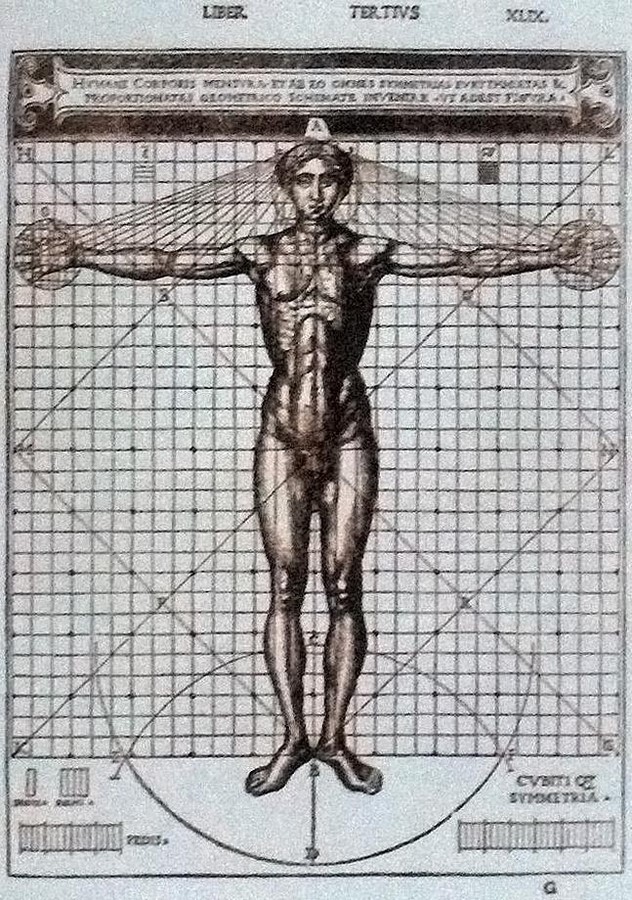
Theory can take many different forms, making it difficult to categorize. It can be process-based, tool-based, object-based, or speculative. Vernacular architecture is also, in its own right, a theory—a theory learned through experience and ideas passed down through generations of experimental research. One can use theory as a tool, then, to inform decisions.
Architecture is often compared with disciplines such as law and medicine, as it is at the base of Maslow’s hierarchy of needs. Research can be conducted through practice, but theories need to be discussed and compiled. Without theory, one risks repeating the mistakes of the past or spending time reinventing concepts. As a tool, theory can help inform design. A tool means something that several people can use for different purposes. In that light, theory can help solve different problems through various applications. (Beck and Stolterman, 2016)
As a tool, theory challenges existing norms. Contemporary discussions regarding post-colonial architecture and feminist studies demonstrate how theory engages in spatial discussions about ideas larger than itself and contributes to design by empowering minority groups. Theory, therefore, acts as a pillar for defence and as a basis for just design decisions. Theory can also be built upon and advanced. Vernacular architecture and critical regionalism were built on the foundations of modernist theory, evolving and making the theory more complex.
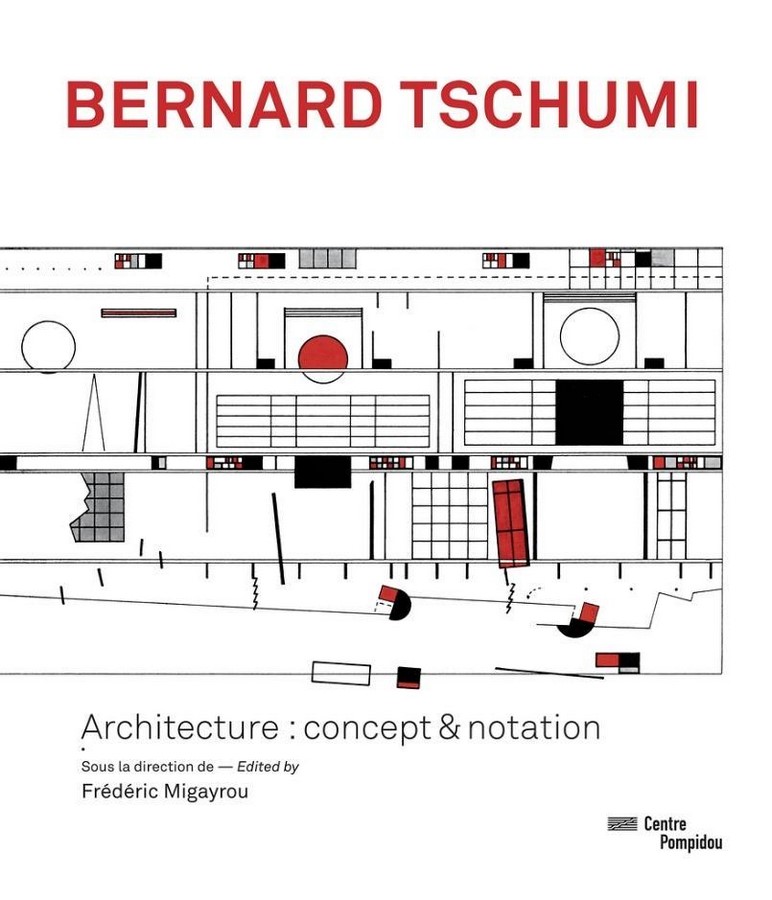
A Way Ahead
A significant role of design theory lies in its ability to use counterfactual thinking to develop ideas. Deduction, induction, and abduction may have their roles in the natural sciences, but counterfactual thinking becomes essential if we want to discuss design ideas and generate theories. (Oulasvirta and Hornbæk, 2022) As design both affects and is affected by culture, it becomes impossible to rely solely on facts. Speculative designs and operative techniques, on the other hand, consider different outcomes for different applications, broadening the scope of design theory. Multiple futures and an interdisciplinary approach to design can enhance how we theorize design today. Research is important in this discussion because it allows for mapping, visualizing, conceptualizing, and debating before actualizing.
Such drawn-out processes are not the go-to mechanism for architects, as architects today still prioritize individual designs and original ideas. The difference in tempo between research and practice is well discussed in architectural theory. It is not that architects do not want to use theory, but that a universal theory for architecture would mean losing cultural, contextual, regional, and situated experiences—without which architecture becomes solely a mathematical exercise. Today, one missing link is the transparency of design research studies. (Beck and Stolterman, 2016)
A Continuous Dialogue
Theories in architecture are not about universal applicability, and we are not searching for theories like those in medicine, where there are definitive answers. Rather, we seek varied theories that are intersectional and wide-reaching. Some may argue that theories complicate intuitive design processes or practical techniques. However, it is not the role of theory to dictate solutions but rather to form the basis of thinking through discussions. Discussions on feminist theories and situated thinking make it possible to consider different actors and their needs. They do not dictate specific outcomes but instead, increase the scope of design to include disadvantaged groups in urban life. Discussions on energy lead to an emphasis on passive design strategies that help reduce operational costs and other expenses.
On the other hand, not discussing theories could lead to designs isolated from society and culture. Theories enable architects to stay in constant dialogue with ongoing social issues and also provide the basis for thinking about design. A designer who ignores theory is not free from its grasp but merely unaware of it. Engaging with it opens up new avenues in the design process, and whether we expand our horizons depends on how much we are willing to learn and apply. Architectural design also can include elements outside of what is part of its theory. (Bardt, 2022) In a world influenced by market forces, technological innovations, and various regulatory frameworks, we, as designers, must emphasize theory in our work—not as dogma but as a navigational tool to overcome complexities and wicked problems.
References:
Bardt, C. (2022) ‘Recapturing meaning: Toward a new material-based design theory for architecture’, Frontiers of Architectural Research, 11(4), pp. 609–617. Available at: https://doi.org/10.1016/j.foar.2022.03.005.
Beck, J. and Stolterman, E. (2016) ‘Examining Practical, Everyday Theory Use in Design Research’, She Ji: The Journal of Design, Economics, and Innovation, 2(2), pp. 125–140. Available at: https://doi.org/10.1016/j.sheji.2016.01.010.
Brady, R. (2018) How Architectural Theory Distances People from Design, ArchDaily. Available at: https://www.archdaily.com/903947/how-architectural-theory-distances-people-from-design (Accessed: 5 March 2025).
Cash, P.J. (2018) ‘Developing theory-driven design research’, Design Studies, 56, pp. 84–119. Available at: https://doi.org/10.1016/j.destud.2018.03.002.
Munasinghe, H. (2010) Introduction to an Architectural Theory: Design as Theory Application, ResearchGate. Available at: https://www.researchgate.net/publication/274691054_Introduction_to_an_Architectural_Theory_Design_as_Theory_Application (Accessed: 5 March 2025).
Oulasvirta, A. and Hornbæk, K. (2022) ‘Counterfactual Thinking: What Theories Do in Design’, International Journal of Human–Computer Interaction, 38(1), pp. 78–92. Available at: https://doi.org/10.1080/10447318.2021.1925436.