As young architects or students, the first thing we learn in architecture or design schools is to “observe.” At first glance, the word or the act itself might feel obvious, banal even. However, with the passage of time, we realise its importance. As designers, it is imperative for us to keep our minds open and our senses receptive to the myriad notions and stimuli we encounter in our journey. Through the simple act of observation, we can glean essential and minute details about an individual, a community or even an entire region. In turn, this expands our knowledge about the users, helping us to offer suitable solutions to cater to their needs.
George R.R. Martin once said, “A reader lives a thousand lives before he dies.” — a truly apposite remark indeed. Reading books—fiction in particular—helps a reader to understand and empathise with people or entities that come from different walks of life. They offer meaningful insights about the culture, tradition and the stories of the regions, fictional or otherwise. This opens up the mind to different possibilities, fostering both intellectual and emotional development. Furthermore, the introspective, detailed descriptions evoke vivid, fantastical imagery that is unique to the reader, stimulating their imagination, visualisation and analytical skills. The discourses and interactions between the characters incite debate and criticism, broadening our perspectives and allowing us to approach the matter at hand from different angles. Thus, reading instils a strong sense of empathy within us, inspiring us to create phenomenal yet accessible designs that prove beneficial to its user.
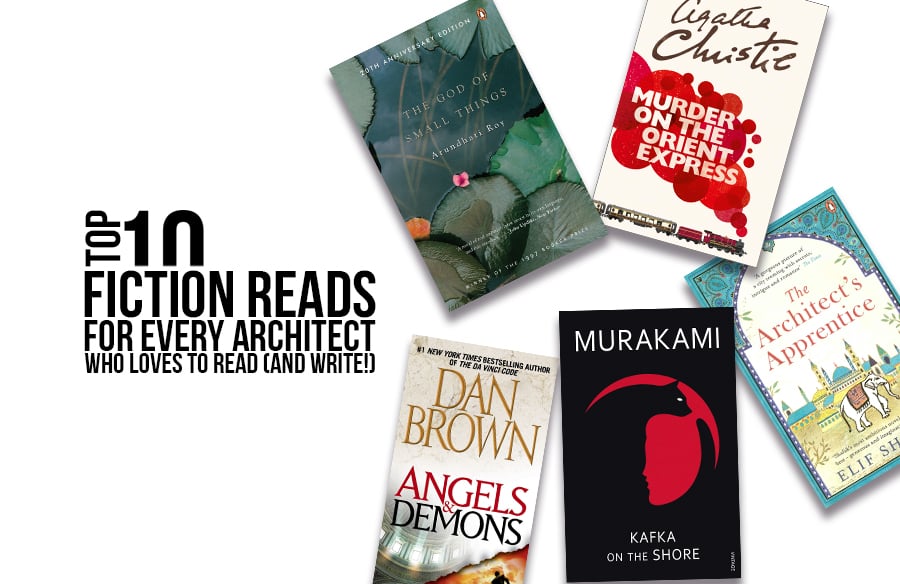
Today, we will be looking at some awesome examples of fiction novels and series that can inspire you to don your reading glasses and pick up your pens & paintbrushes to explore and learn about worlds old and new. These works will discuss how fiction can help young architects and designers to observe, analyse and ideate. They will also help you to understand how “detailing” in writing helps weave effective, impactful narratives whilst leaving a lasting impression on the reader’s mind.
So, here’s to happy reading!
-
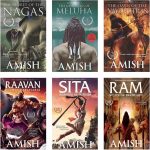
The Shiva Trilogy and The Ram Chandra Series by Amish Tripathi
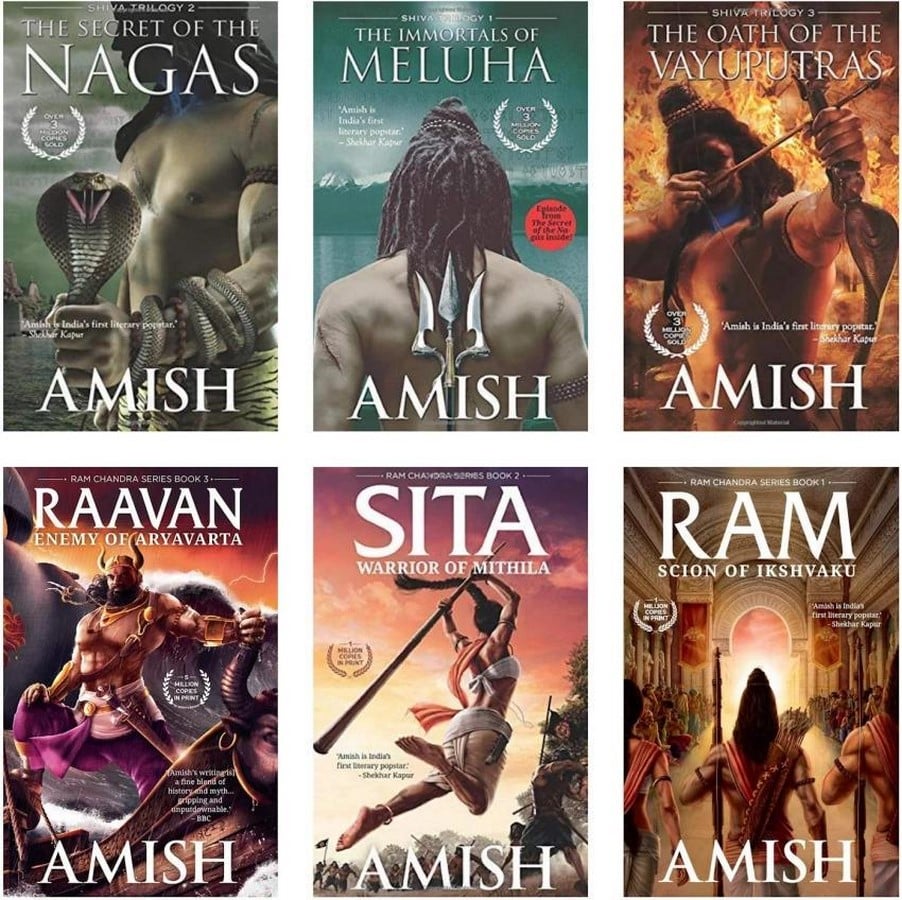
The Shiva Trilogy by Amish is a fantasy fiction novel series that combines the burgeoning treasure trove that is India’s mythology along with fiction. The story chronicles the journey of Lord Shiva from a mere mortal to the Mahadev as he strives to rid people of the “evil” and free them from their sufferings. Hailing from the icy foothills of the Himalayas, he is introduced as the Neelkanth to the inhabitants of Meluha. The series follows his adventures along with his comrades and Princess Sati, his beloved wife, as they try to figure out the mysteries and secrets lurking behind this destructive force.
Amish delivers a phenomenal story, with his impassioned and detailed narration transporting us back to ancient India. Borrowing from the Harappan civilisation and Vedic civilisation, the descriptions of the architecture and designs of the cities of Devagiri & Ayodhya paint a spectacular picture of India’s glory and beauty. The fascinating discourses on ‘good vs. evil’, ‘feminine vs masculine’, and ‘family, love and friendships’ make for an enlightening read. The story of the Somras and the narrations of warfare and military tactics are a testament to ancient India’s scientific and technological prowess. The story also touches upon the themes of caste systems, social hierarchy and other traditions, commenting on their merits and drawbacks and their impact on the people.
A perfect amalgamation of mythology, philosophy, action, romance and suspense, the Shiva trilogy is a power-packed read for every enthusiastic reader out there.
Similarly, the Ram Chandra Series—the second series in the ‘Amishverse’ and the prequel to the Shiva Trilogy—is a revolutionary take on the Ramayana (one of the most celebrated epics of India). The series traces the journey of the three central characters—Ram, Sita & Raavan—from their childhood to the events that led to the epic battle between Lord Ram and Raavan. Two fascinating aspects of this series are the style of narration and the inclusion of modern events within the story. Each book is written through the respective protagonist’s point of view (i.e., the first person’s perspective), providing us with a deeper understanding of their persona and the rationale behind their decisions in various circumstances. The inclusion of current events such as the ‘Nirbhaya’ case and the ‘Jallikattu’ debate also adds an intriguing twist to the story while enlightening the people about the social and communal issues around us. The detailed accounts of the cities of Ram’s Ayodhya, Sita’s Mithila and Raavan’s Lanka not only speak volumes about their architectural magnificence but also establish a profound relation between the characters and their families & homelands and its indirect influence on their perceptions.
On the whole, the Shiva Trilogy and the Ram Chandra Series certainly make for an engaging read by sweeping you off your feet and taking you on a journey through ancient India!
-
Angels and Demons by Dan Brown
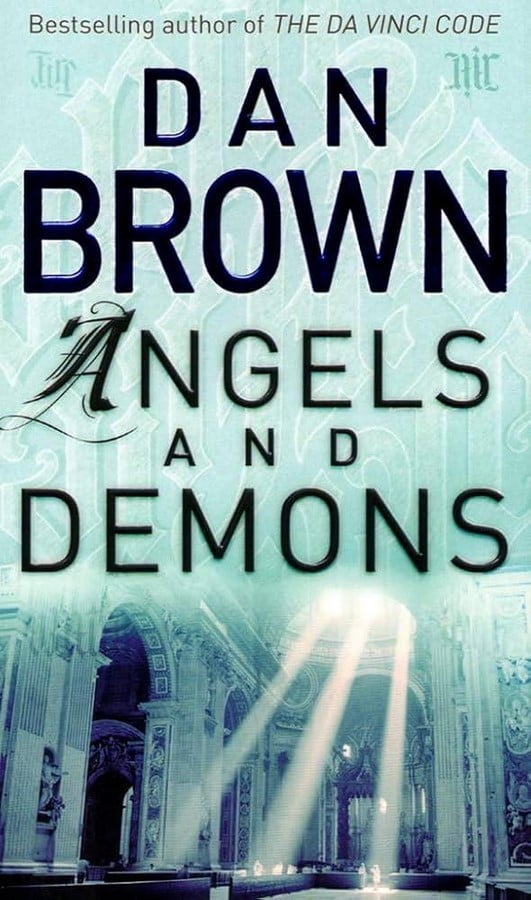
A mystery-thriller novel by Dan Brown, Angels and Demons follows the protagonist, Robert Langdon—the professor of Symbology at Harvard University—as he tries to solve the murder mystery of the CERN scientist Leonardo Vetra. Referencing elements such as ancient history, architecture and symbology coupled with the ever-present conflict between science and religion, the novel is an amazing literary piece that compels you to question conventions at every turn. The book features many architectural masterpieces of Rome & the Vatican City, such as the St. Peter’s Basilica, the Pantheon, the Fontana Dei Quattro Fiumi, the Castel Sant’ Angelo, the Santa Maria del Papolo, the Santa Maria Della Vittoria, and many more. Brown’s masterful blend of historical events and architectural symbology and its significance concocts a scintillating tale abounding with mystery, conspiracies and politics. Although the book bears its fair share of controversy regarding its take on the Catholic Church and mentions of historical conspiracies, it undoubtedly makes for an unputdownable book. It is a must-read for every architect and fiction enthusiast!
-
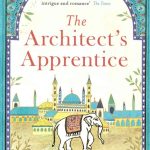
The Architect’s Apprentice by Elif Shafak
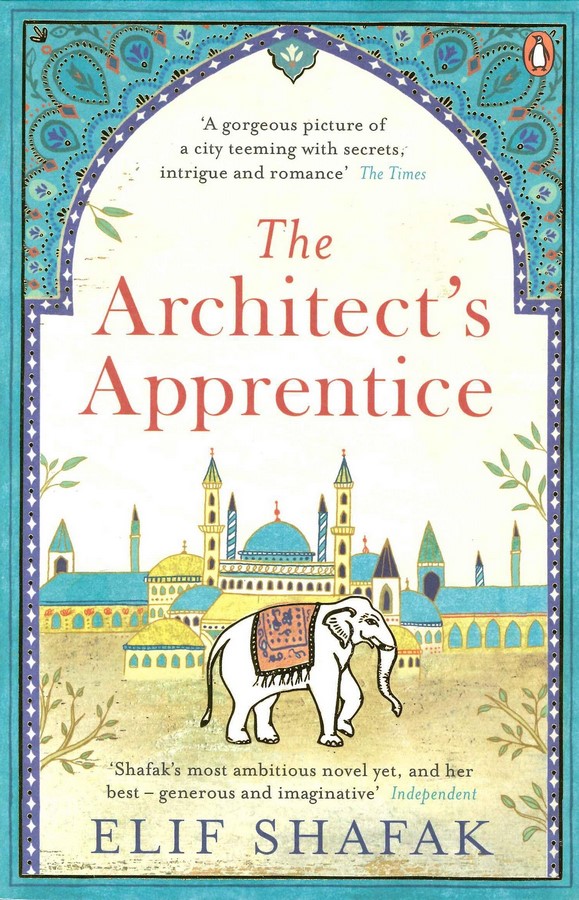
Emotional, poignant, multilayered and intricate, Shafak’s historical fiction novel is an ode to art, architecture, culture and life. Set in the 16th-century Ottoman Empire, the story traces 112-year-old Jahan’s journey from an elephant keeper to working as an apprentice for the famed Turkish architect Mimar Sinan. Through her rich, detailed accounts of the architectural masterpieces that dot the Ottoman Empire and her moving conversations between the characters, Shafak weaves a compelling tale about the fragility of life. She uses architecture as a motif or an analogy to explain how relations in our lives depend on love and patience to “bridge” different worlds and cultures and how envy and hatred can destroy the same in a fleeting moment. Life, when filled with grief, caprice, greed or ego, can only become a fractured shell, destined for ruin. But when it is forged through love, harmony and balance that are reflected within and outside, it stands as resplendent as a temple dedicated to God. Where life, love and philosophy intertwine, ‘The Architect’s Apprentice’ is a powerful literary masterpiece; one that shouldn’t be overlooked by readers.
-
Murder on the Orient Express by Agatha Christie
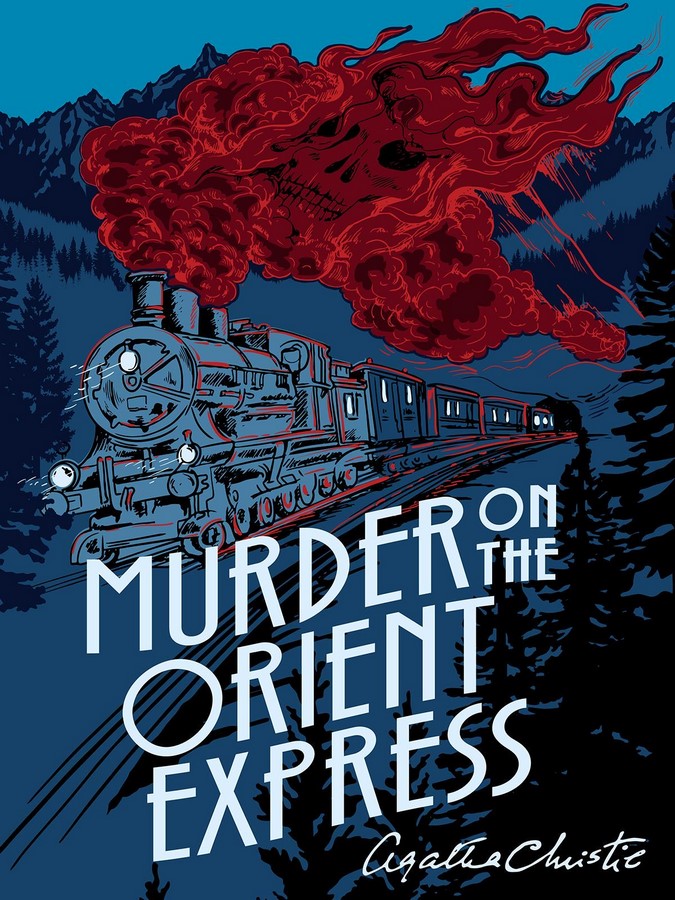
Walt Disney once quoted, “There is no magic in magic; it’s all in the details.” Agatha Christie’s widely acclaimed novel ‘Murder on the Orient Express’ is a true testament to the above words. Although classified as a murder mystery novel, architects and designers can surely derive inspiration from Christie’s meticulous attention to detail and her impeccably structured narrative. Using keen observations and drawing information from the suspect’s habits and behaviours, she artfully builds and maintains the suspense till the very end. Throughout the case, she establishes several possibilities by shedding light on innumerable details ranging from the macroscopic to the microscopic. By doing so, she creates a gripping tale that is strongly based in research, common sense and logic.
The same is true even for architects and designers. When it comes to design, one needs to pay careful attention to every detail — whether a gesture on a large, urban scale or a minute joinery detail in the structure.
-
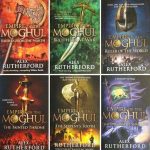
Empire of the Moghul Series by Alex Rutherford

The Empire of the Moghul Series is a six-book historical fiction series co-authored by Diana Preston & Michael Preston under the pen name ‘Rutherford’. Each book in this enchanting series chronicles the reign of a Mughal emperor—from Babur to Aurangzeb—recounting its tumultuous origins, its glorious peak, and finally its ill-fated demise. The series is a wonderful literary piece that gives a detailed record of all the historical occurrences, ranging from the bloody battles to the luxurious lifestyle of the rulers and their contributions towards art and architecture that are still widely appreciated by people worldwide. If you have a penchant for architecture & history, this is definitely your go-to book!
-
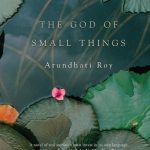
The God of Small Things by Arundhati Roy
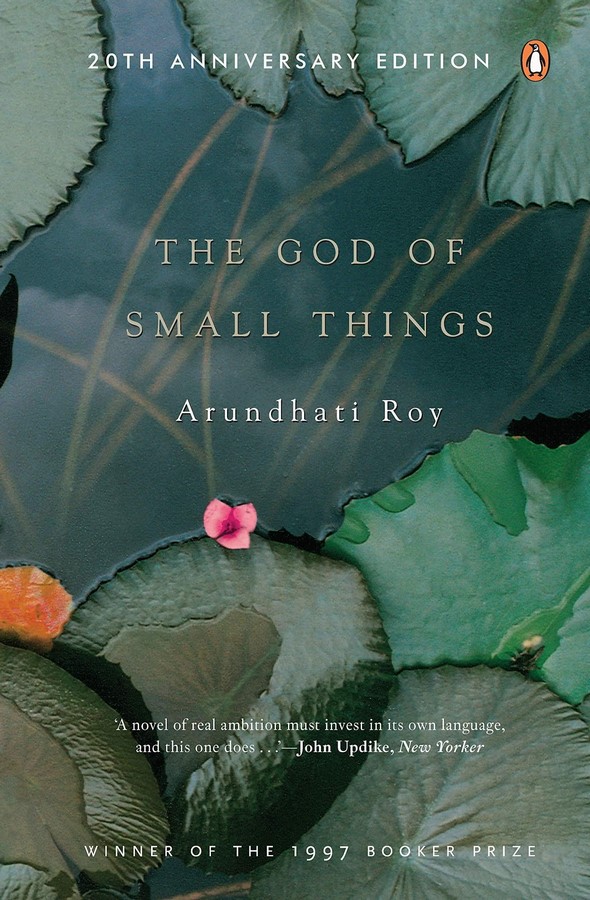
Written by the internationally acclaimed Indian author Arundhati Roy, ‘The God of Small Things’ is a family-drama novel based in the 60s period of Kerala. The story covers the childhood experiences of fraternal twins whose lives are turned upside down by the ‘Love Laws’ prevalent in the 1960s in Kerala. The disjointed storyline, shifting between 1969 and 1993, focuses on the lives of Rahel and Estha. The deeply introspective and commentary work beautifully captures and notes how small, seemingly trivial happenstances, experiences and decisions can impact an individual’s behaviour and personality.
Trained as an architect herself, Arundhati recalls the influence of the same on her writing. In one of her interviews, she mentions, “…woke up and graphically sketched out the entire storyline. That’s how I knew what I was getting at.” She likens the patterns in writing to architectural motifs, explaining how these recurrent elements establish a ‘style’ or a ‘design’ of their own. This analogy is very well transmuted into the playful conversations between Rahul and Estha in the story. The novel also navigates the detrimental effects of casteism and social hierarchy in India while criticising the oppressive rule of British colonialism in India. Critical and emotionally forceful, ‘The God of Small Things’ is an inspiring work. The novel was awarded the Booker Prize in 1997.
-
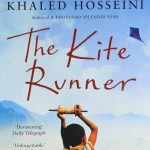
The Kite Runner by Khaled Hosseini
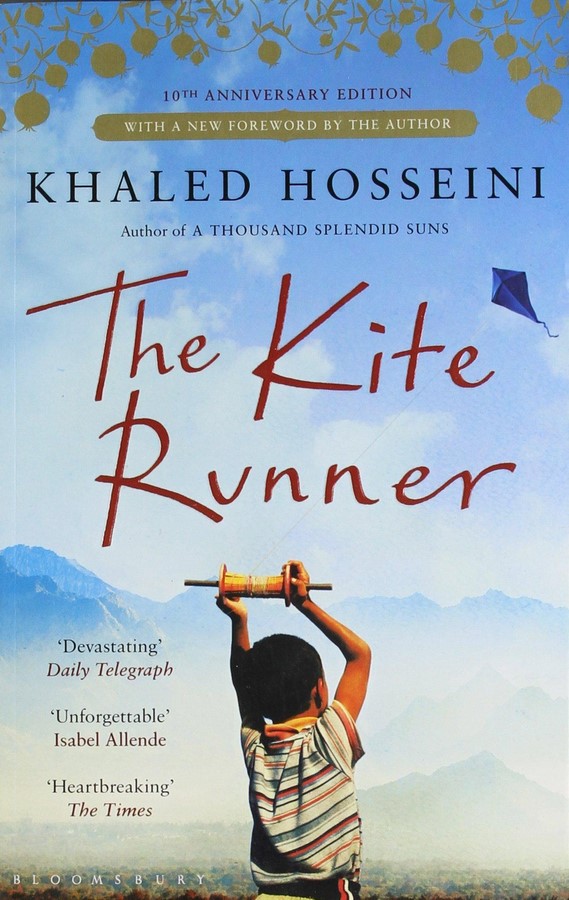
Khaled Hosseini’s ‘The Kite Runner’ is yet another fictional masterpiece that deserves appreciation for its sensitive depiction of familial bonds amidst a tumultuous backdrop. Set in a period of political turmoil, the story focuses on two boys, Amir and Hassan, who grow up together in Afghanistan. The story revolves around several themes, such as family, friendship, guilt, strife, war and redemption. The timeline within the novel captures the downfall of Afghanistan’s imperialism, the events related to the Soviet-Afghan war, the mass exodus of Afghani refugees and the rise of the Taliban militia. Khaled even mentions how he ideated and expanded upon certain aspects of the story through doodling. For example, Hosseini decided to write Amir and Hassan as brothers after he sketched out the idea.
Khaled’s sensitive portrayal of the sufferings people undergo amidst such cruel, vicious circumstances garnered him immense appreciation from readers and critics alike. The novel, replete with heartbreaking and wholesome moments, is a tearjerker that will stay with readers long after they have finished reading it.
-
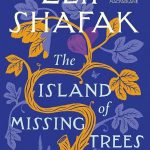
The Island of Missing Trees by Elif Shafak
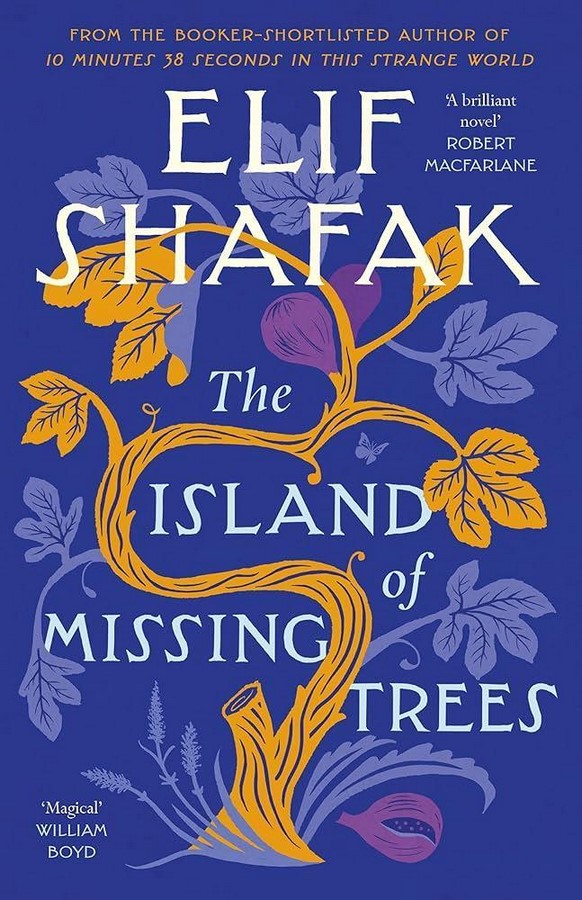
Another work of Elif Shafak that deserves mention in this list is ‘The Island of Missing Trees’. The narration of the story is split between two timelines—one in the 2010s, following 16-year-old Ada Kazantzakis in London, and the other in the 1970s that focuses on Ada’s parents, Defne & Kostas’s relationship in Cyprus, a land divided by war. Shafak, in an unconventional move, breathes life into an old fig tree (former resident of a tavern in Cyprus), turning it into the third narrator of the story. The novel is a great example of how people, despite moving away from their roots, always long to return to them. Cultural identity, traditions, memory, freedom and family are some elements that have been brilliantly woven together to create a moving tale. Through her works, Shafak impresses the need to preserve your memories and pass them on to the future generations so they can learn the stories of their families and communities. By doing so, we ensure that the mistakes of the past are not repeated in the future, thereby creating a healthier and peaceful environment for posterity.
-
Kafka on the Shore by Haruki Murakami
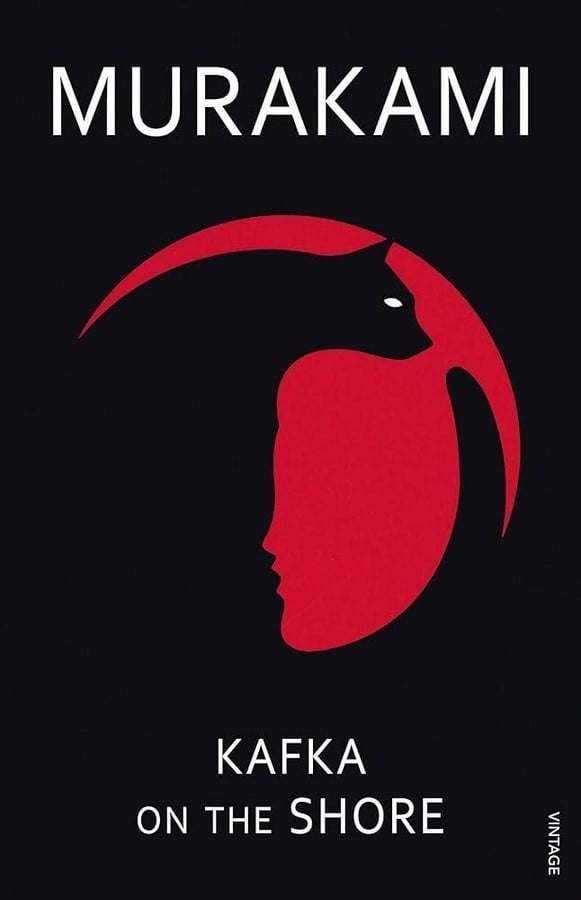
‘Kafka on the Shore’ by Murakami is a fiction novel with an uncanny mix of elements that blend together to create two distinct yet interrelated stories. The odd chapters of the book follow young Kafka Tamura’s journey as he struggles to escape the Oedipal prophecy and ends up finding respite in a private library in Takamatsu. The even chapters focus on the story of an old illiterate man, Nakata, who works part-time as a finder of missing cats. Murakami’s motley of themes, comprising the concept of metaphysics, the connection between the subconscious and the reality combined with elements like popular culture, sexuality, music, suspense, magical realism, perversion and religion, results in a unique, thought-provoking literary piece. The book pushes on the boundaries of our imagination with mentions of strange, chimeric instances and opens our mind to the infinite possibilities of time, space and existence. For every fan of metaphysics and psychology out there, seek out Murakami and you won’t be disappointed!
-
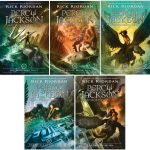
Percy Jackson & the Olympians by Rick Riordan
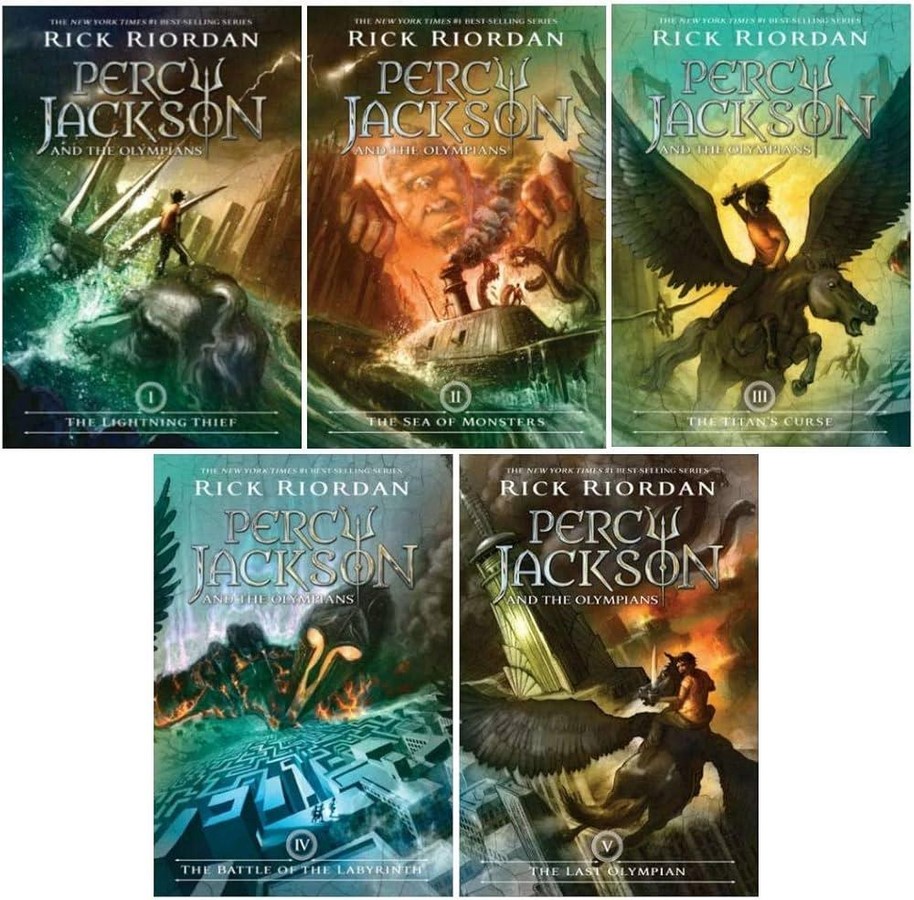
Last but not least, the final item to make the cut on our exciting list is ‘Percy Jackson & the Olympians’ by Rick Riordan, a.k.a. Uncle Rick. Although some might argue that this mythological fiction series is for a younger age group, the subjects would argue otherwise. Packed with action, sass, humour and immortality, Rick Riordan uses stories and characters from Greek mythology to create a witty, adventurous, riveting story about love, life, bravery and heroism. The eponymous series features the various dangerous quests Percy Jackson and his friends embark upon to fulfil the prophecies issued by the Oracle of Delphi. The story is set in modern times where the Greek deities and monsters coexist with mortals. The gods’ children, known as demigods or half-bloods—a result of their occasional affairs with mortals—are taken to Camp Half-Blood (a fictional Greek training camp) to be trained by the immortal teacher Chiron. Percy Jackson, the son of Poseidon destined to fulfil the Great Prophecy, is taken in by the camp and trained for the future.
Rick Riordan’s treatment of issues like ADHD, dyslexia, etc., as redeeming traits has motivated lots of kids, including his own son (based on whom he modelled the character Percy), to look beyond and explore new opportunities in their lives. His inclusive representation of various cultural communities and sexual orientations (LGBTQ+ community) has also been an influential factor for the book’s popularity among different age groups. If you’re looking for some action, dry sass and rib-tickling humour, with loads of enjoyable facts about Greek history, pick up a Percy Jackson novel and dive right into it!
Reference list:
- Wikipedia Contributors (2019a). The God of Small Things. [online] Wikipedia. Available at: https://en.wikipedia.org/wiki/The_God_of_Small_Things [Accessed 14 Mar. 2025].
- Wikipedia Contributors (2019b). The Kite Runner. [online] Wikipedia. Available at: https://en.wikipedia.org/wiki/The_Kite_Runner [Accessed 14 Mar. 2025].
- Wikipedia Contributors (2022). Kafka on the Shore. [online] Wikipedia. Available at: https://en.wikipedia.org/wiki/Kafka_on_the_Shore [Accessed 14 Mar. 2025].