Nothing in the world has an origin without a precedent. From the evolution of various species in nature to the development of human civilization, all progress comes from the point of reference found in the past. History provides context, it provides nuances of what was important to different cultures, and it traces the origins of traditions that are relevant to societies around the world even today.
As designers, we often cater to a particular community to solve problems and create better lives. Here, history becomes extremely important to understand people and patterns,especially ones that are extremely different from those of the designers.
Here are a few ways in which History has influenced modern design
History as inspiration
History often acts as a precedent that influences the artistic and design expression of today. It creates a familiarity with the users and creates a link between modern times and visual and tactile elements from the past. Its influence also extends to construction methodologies and material selection and helps craft with innovation yet leaves traces of an existing typology behind.

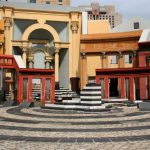
When history is treated as inspiration, it often brings back a certain character and symbolism and connects communities to their roots. The importance of designers using history as inspiration can be seen in the postmodernist movement, where classical orders, pediments and balustrade details were brought back to bring focus to the formal character and shine a spotlight on the beauty and importance of ornamentation in design
History as contrast
For some designers, history plays the role of a point of reference to display the development and changed times. It is used as a way to demonstrate the scientific and technological strides made by mankind and focuses on the differences between a time in the past and the present. This is often expressed by the choice of material, characteristics of spaces designed and the use of form-making that is in direct contrast to those chosen and expressed in history.
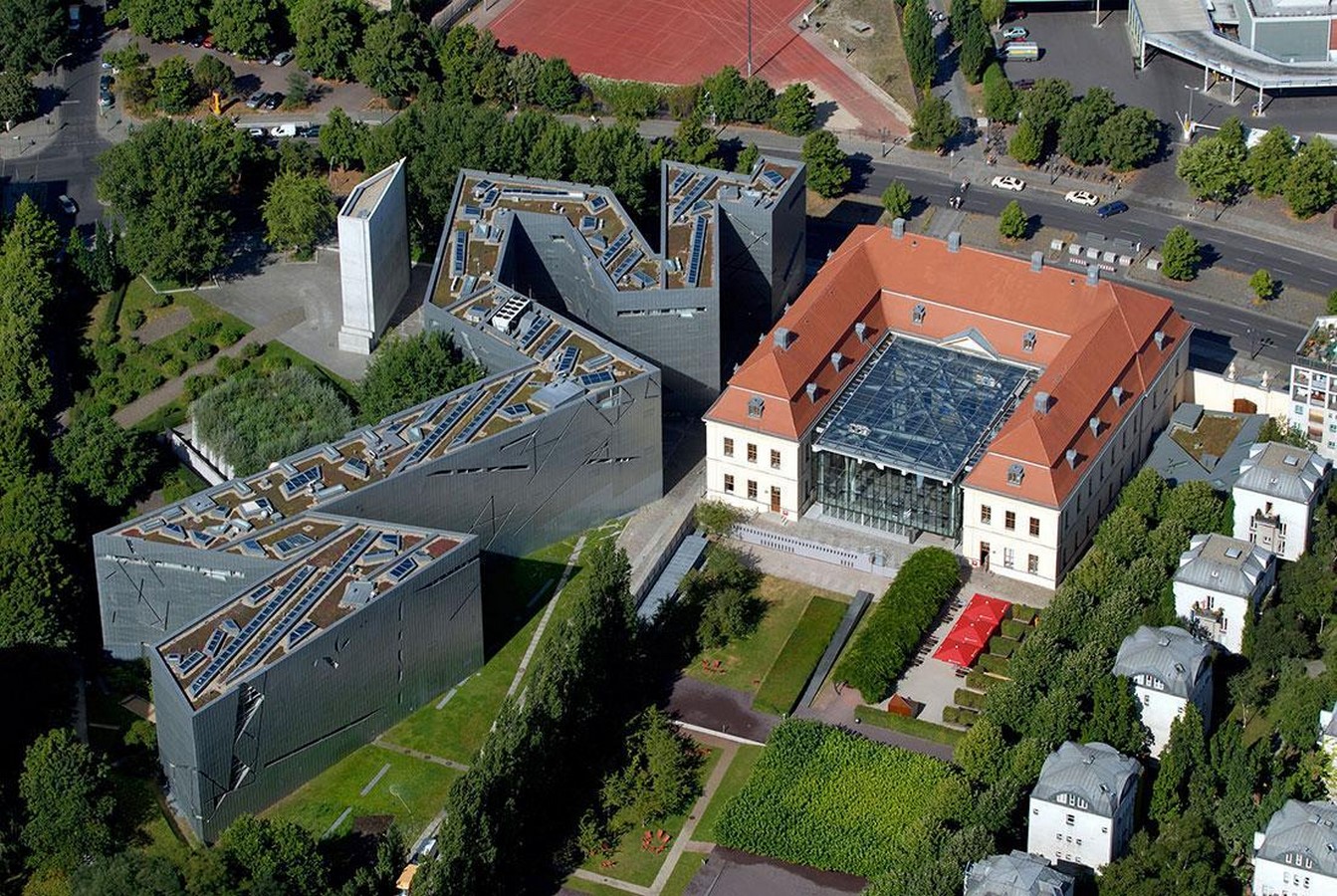
A good example of such work is Daniel Libeskinds’ Jewish Museum, Berlin. Here, the architect uses materials like steel, concrete and glass to create dynamic shapes that are asymmetrical and sharp to show direct contrast to the existing Jewish museum on site that was built keeping in mind the classical order with materials like brick, stone and lime, plaster and following a symmetrical plan involving ionic columns, arches and pediments.
History as memory
History provides significance to certain design projects by shining light on the gravity of an event. It creates a point of communal memory for humanity at large. It provides a chain of events that allows society to process actions and drastic changes in the course of civilization. These are often observed in the aftermath of unjustified incidents such as war, terror attacks, acts of god and genocide.
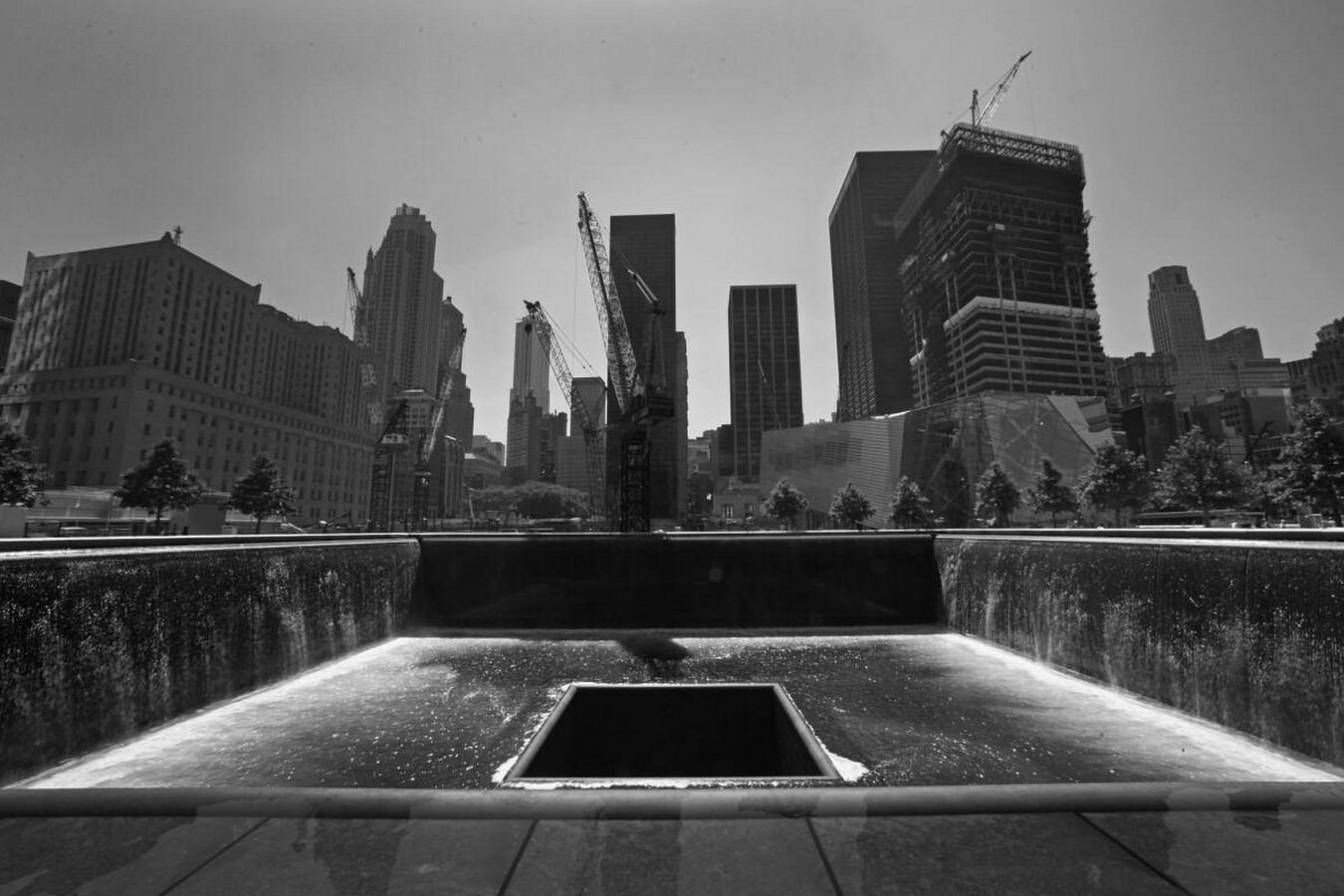
Reflecting Absence, designed by Michael Aradhya and Peter Walker, commemorates the lives lost during the 9/11 attacks on the Twin Towers. A moving piece of architecture that pays respect to history by preserving the footprints of the Twin Towers by converting them into recessed pools, using water as a physical and symbolic gesture to help families of individuals who lost their lives in the horrific incident
History, in some cases, can also jog memories of happiness, like designing inspired by one’s childhood memories of a grandparents’ house.
History as connection
History offers so much in terms of symbolism across different cultures. Arches and domes in Islamic architecture, flora and fauna iconography in Southeast Asian cultures, and Corinthian leaves and fluted columns in Greek and Roman-influenced regions. Designers use this symbolism and iconography to create architecture and designs that form a connection between the people who are the stakeholders of a project and the architecture itself. It also helps create an identity for individuals who are curious about other cultures.
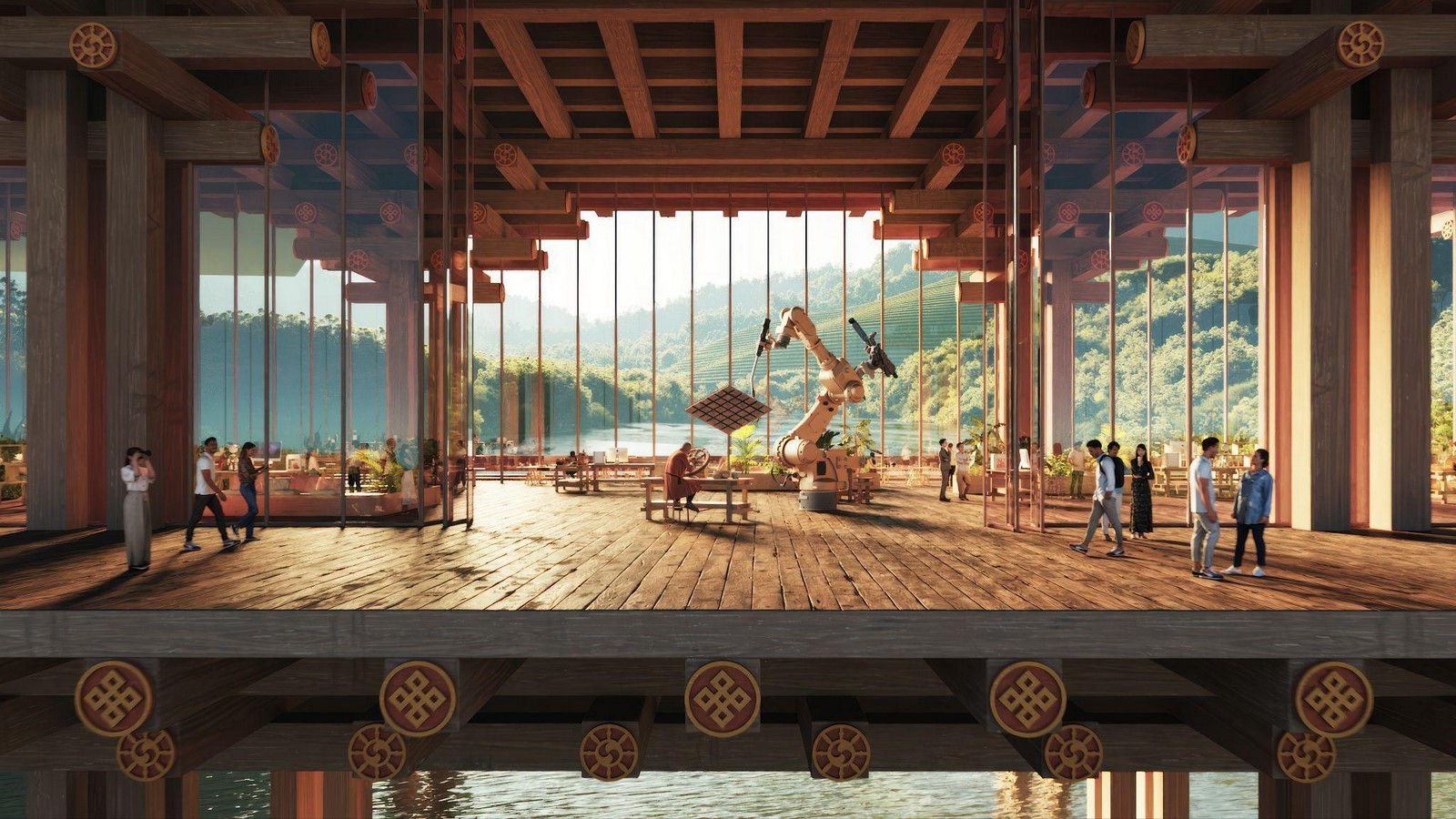
An example of this can be seen in BIG Architects’ proposal for Bhutans’ mindfulness city, which aims to promote development and economic opportunities while creating architecture inspired by Bhutanese architecture in terms of ornamental details and materials. Creating a narrative that development doesn’t always mean abandoning roots and traditions
History as relevance
History sometimes leaves a marker on its own that survives several generations. It becomes evidence of points in human civilization. In these cases, as designers, one does not build but instead conserves what exists so future generations have the ability to access and understand what human potential can achieve
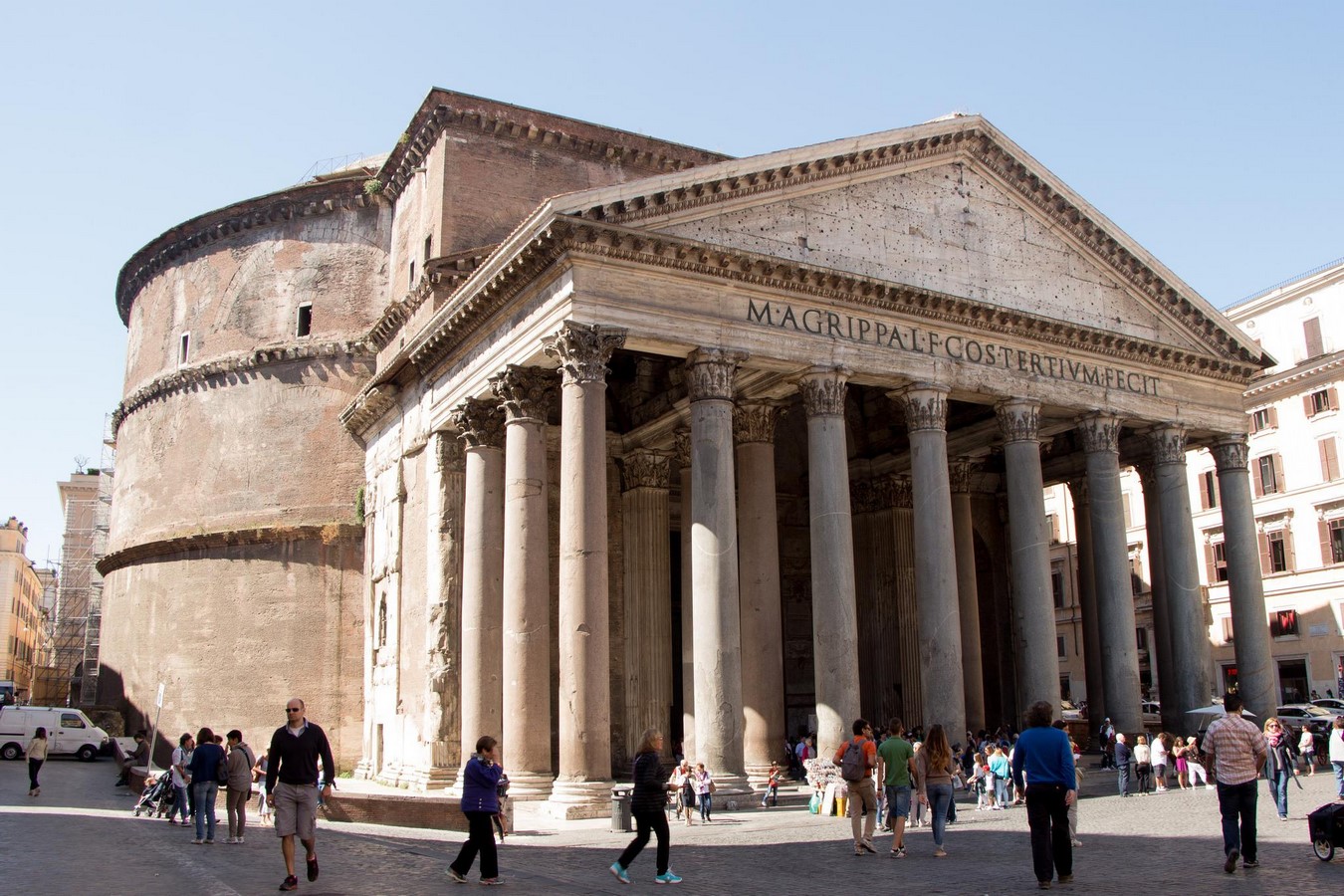
Preservation of the pyramids sheds light on the ability to build humongous monuments with primitive technologies, temple architecture in the Indian subcontinent reminds us of rich craftsmanship and the possibilities of functional ornamentation, and the Roman ruins emphasise the importance of design logic and its effects on the aesthetic appeal and function of built spaces
Relevance of History in Modern Design
Design and designers need a point of reference. Just like the human mind cannot dream of faces it hasn’t seen, designers cannot produce pieces of design that are impactful and relevant without appealing to or rejecting a sense of familiarity that history subconsciously leaves an imprint of. As Designers, we can choose to engage with history or oppose it, but history cannot be ignored.
Source:
About the memorial (no date) About the Memorial | National September 11 Memorial & Museum. Available at: https://www.911memorial.org/visit/memorial/about-memorial (Accessed: 25 February 2025).
Allen, E. (2016) 14 forward thinking buildings by Daniel Libeskind, Architectural Digest. Available at: https://www.architecturaldigest.com/gallery/daniel-libeskind-architecture (Accessed: 25 February 2025).
Astbury, J. (2022) Daniel Libeskind’s Jewish Museum is a ‘foreboding experience’. Available at: https://www.dezeen.com/2022/05/20/daniel-libeskind-jewish-museum-deconstructivist-architecture/ (Accessed: 25 February 2025).
BIG (2023) Gelephu Mindfulness City: Big: Bjarke Ingels Group, BIG. Available at: https://big.dk/projects/gelephu-mindfulness-city-16791 (Accessed: 25 February 2025).
Brake , A.G. (2015) Postmodernism in architecture: Piazza d’italia by Charles Moore, Dezeen. Available at: https://www.dezeen.com/2015/08/21/postmodern-architecture-piazza-d-italia-charles-moore-new-orleans/ (Accessed: 25 February 2025).
Pantheon ‑ rome, age & dome (no date) History.com. Available at: https://www.history.com/topics/ancient-rome/pantheon (Accessed: 25 February 2025).
Toral, J. (2017) The importance of design history, Medium. Available at: https://medium.com/johns-portfolio/the-importance-of-design-history-cd8d651c454e (Accessed: 24 February 2025).