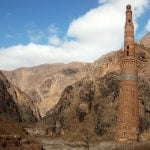
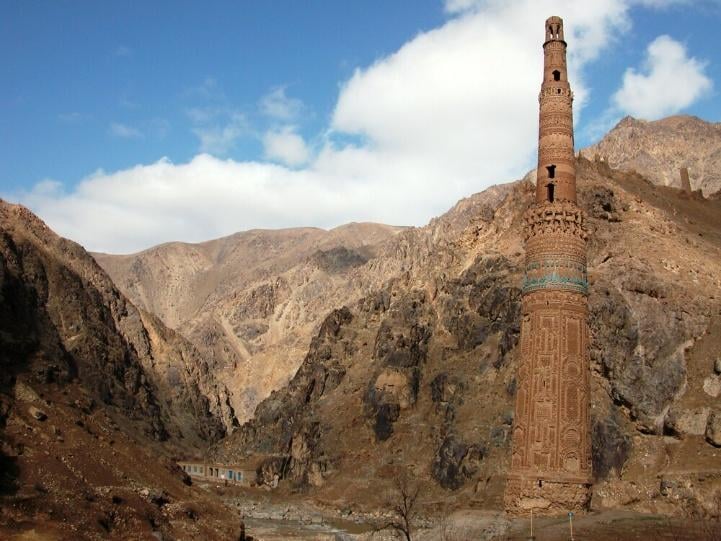
Nestled deep within the breathtaking yet harsh terrain of Afghanistan’s Ghor Province, the Minaret and Archaeological Remains of Jam stand as a silent witness to a once-thriving civilization. Rising proudly at 65 meters (213 feet), the minaret is an architectural masterpiece built in the 12th century, during the reign of the Ghurid Dynasty. Though largely forgotten by the modern world, this UNESCO World Heritage Site tells a rich story of artistic brilliance, religious devotion, and imperial grandeur.
For centuries, this towering structure has defied time and nature, yet it remains largely unknown to the wider public due to its remote location, ongoing political instability, and environmental threats. In this article, we explore the history, architectural beauty, cultural significance, and the urgent need for conservation of this remarkable site.
A Journey Through Time: The History of the Minaret of Jam
Imagine walking through a vibrant city in medieval Afghanistan, bustling with scholars, traders, and craftsmen. This was likely the world in which the Minaret of Jam was born. It was constructed around 1190 CE, during the reign of Sultan Ghiyath al-Din Muhammad of the Ghurid Dynasty, a powerful empire that ruled vast territories spanning Afghanistan, Iran, and northern India.
Historians and archaeologists believe that the minaret may have once been part of Firuzkuh, the fabled capital of the Ghurids, which mysteriously disappeared from historical records after the Mongol invasion in the early 13th century. The city was likely destroyed, its remains buried beneath layers of time and conflict. The minaret, however, survived—standing tall and solitary, a reminder of an empire’s lost glory.
The Architectural Marvel of Jam
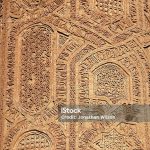
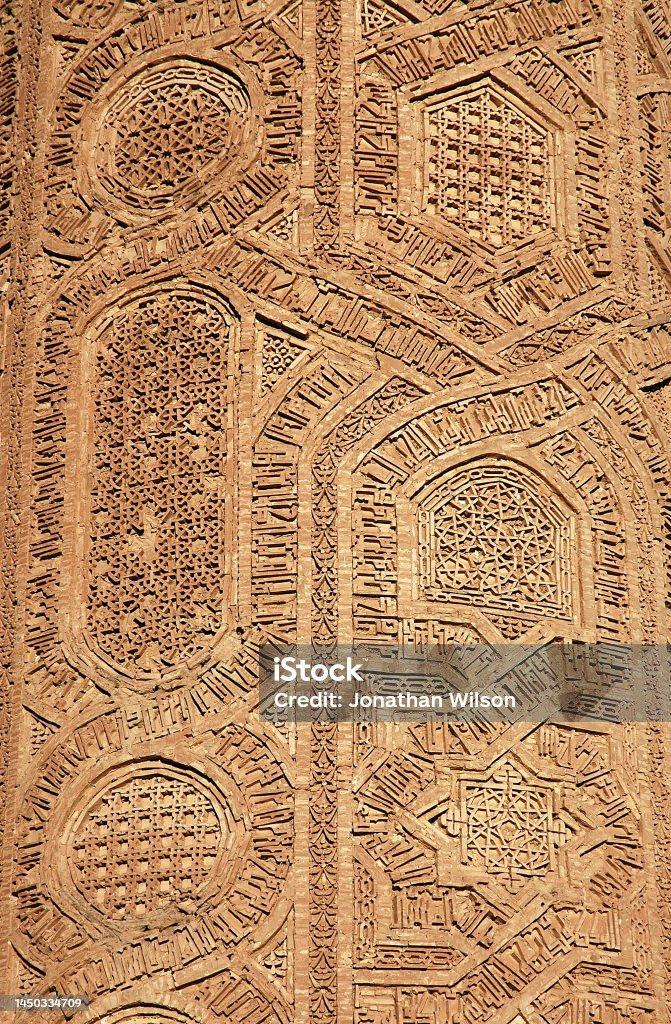
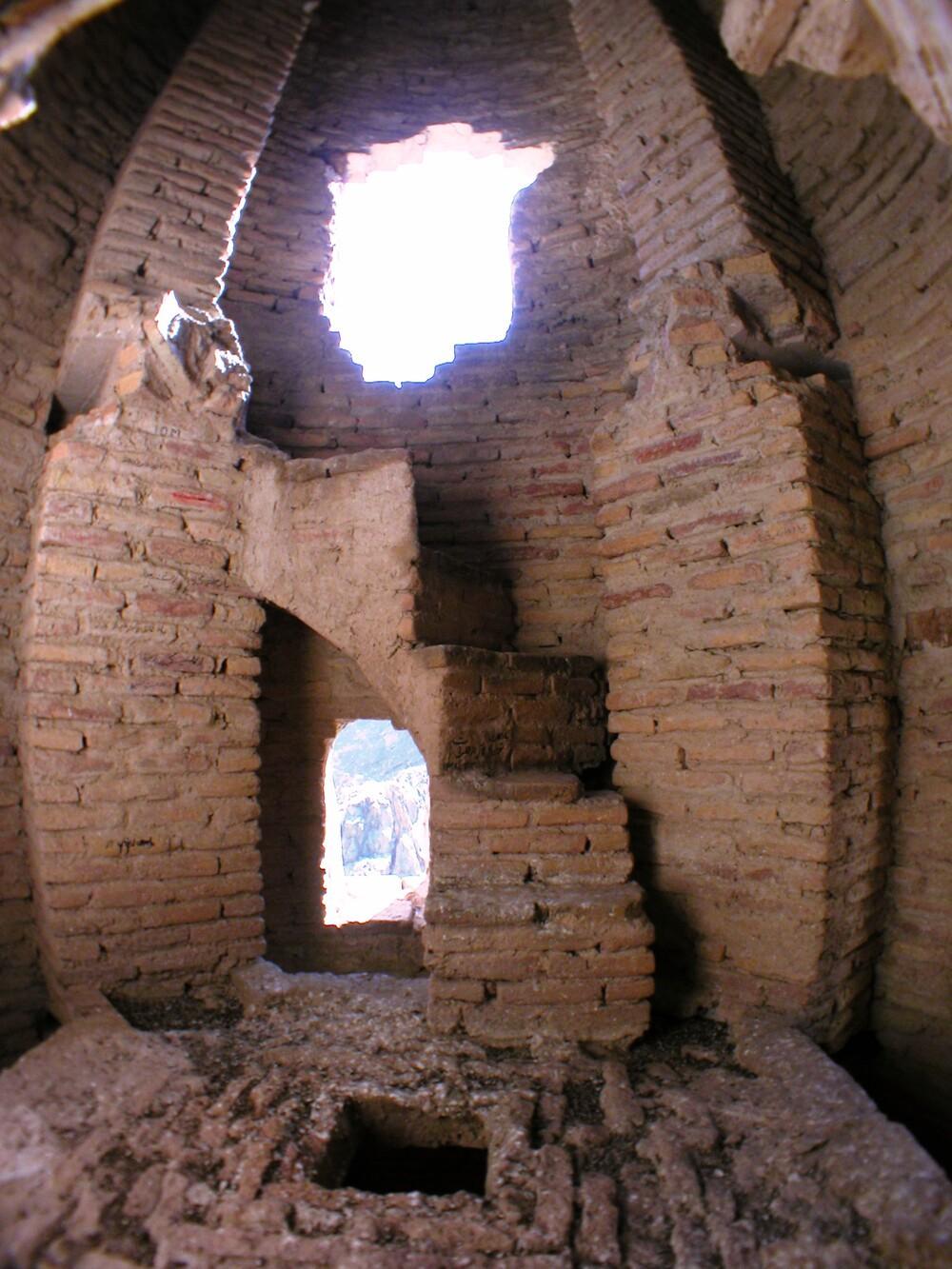
What makes the Minaret of Jam so extraordinary? Unlike many other Islamic minarets, which were attached to mosques, this one stands alone, commanding attention with its intricate craftsmanship and perfectly proportioned cylindrical form. Built entirely of baked bricks, the minaret is adorned with dazzling geometric patterns, Kufic and Naskh inscriptions, floral motifs, and bands of calligraphy that wind around its surface like an elegant tapestry of stone.
One of the most remarkable features is the continuous band of Quranic verses decorating the tower. Among them is Surah Maryam, a chapter that speaks of faith, divine mercy, and the rewards of righteousness. Some historians believe that the minaret may have been built to commemorate the Ghurids’ victory over the Ghaznavids, a rival dynasty, or as a religious and political statement of their supremacy in the region.
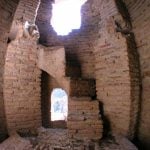
The four stacked octagonal balconies at different levels, supported by intricate muqarnas (stalactite-like carvings), showcase an advanced level of architectural skill. When viewed up close, the detailed brick relief work—so precise and symmetrical—reveals the extraordinary craftsmanship of the Ghurid artisans. Even in its weathered state, the minaret remains one of the most beautiful and sophisticated examples of Islamic architecture ever created.
A Forgotten Jewel in the Islamic World
The Minaret of Jam is not just an architectural wonder—it is an embodiment of the Ghurid Empire’s artistic, religious, and intellectual achievements. Yet, despite its historical significance, it remains one of the least-visited UNESCO sites in the world. Unlike the bustling Qutb Minar in Delhi, India—which was directly influenced by Jam’s design—the minaret in Afghanistan remains largely hidden from mainstream recognition.
The site’s isolation has contributed to its mystique but also to its neglect. While other Islamic monuments receive millions of visitors annually, Jam stands alone in the Afghan wilderness, with only a few scholars, locals, and preservationists venturing to admire its fading grandeur.
Challenges to Preservation: A Race Against Time
Although the Minaret of Jam has endured for over 800 years, it is now in a precarious state. A combination of natural, environmental, and human-induced factors threatens its survival:
- Erosion and Flooding: Located at the confluence of the Hari Rud River and a smaller tributary, the minaret is at constant risk of flooding. Water has gradually eroded its foundations, making it structurally vulnerable.
- Seismic Threats: Afghanistan lies in a seismically active region, and earthquakes have further weakened the already fragile monument. Without urgent reinforcement, a strong tremor could cause irreversible damage.
- Looting and Illegal Excavations: The surrounding archaeological remains have been plundered by looters and treasure hunters, resulting in the loss of precious artifacts that could have provided deeper insights into the Ghurid civilization.
- Political Instability and Neglect: Years of conflict in Afghanistan have made conservation efforts difficult. The lack of proper security has discouraged both researchers and preservation teams from working consistently at the site.
- Limited Funding and Awareness: Unlike other major UNESCO sites, Jam has received minimal international attention or financial support. The absence of tourism due to safety concerns has further contributed to its neglect.
Global Conservation Efforts and the Road Ahead
Despite the overwhelming challenges, some efforts have been made to preserve and document the Minaret of Jam. Organizations like UNESCO and the Aga Khan Trust for Culture have conducted surveys, stabilization projects, and digital documentation to safeguard its legacy.
Recent conservation measures include:
- Reinforcing the foundations to prevent further erosion.
- Creating detailed 3D maps to digitally preserve the structure.
- Encouraging local authorities to implement flood protection strategies.
- Raising awareness about the minaret’s significance through international heritage programs.
However, these efforts remain fragmented and underfunded. To ensure the long-term survival of this priceless heritage site, stronger international collaboration and investment are needed.
Why Should the World Care?
One might ask—why should people, thousands of miles away, care about a lonely minaret in Afghanistan? The answer is simple: the Minaret of Jam is not just an Afghan treasure—it is a part of world heritage. It represents a time when Islamic civilization thrived as a hub of architecture, science, and art. It serves as a link between different cultures, inspiring structures like the Qutb Minar in India and influencing later architectural styles across Central and South Asia.
Moreover, the destruction of cultural heritage is a loss for all humanity. Every monument, every inscription, every carved brick tells a story of our past. If we allow such masterpieces to crumble due to neglect, war, or indifference, we erase a part of our collective history.

A Call for Action
The Minaret and Archaeological Remains of Jam are a powerful symbol of Afghanistan’s rich history and the brilliance of the Ghurid era. But without immediate and sustained action, this architectural gem may not survive the next few decades.
We must advocate for greater awareness, conservation funding, and international cooperation to protect this irreplaceable monument. If preserved, the Minaret of Jam could stand not just as a relic of the past, but as a beacon of hope—proving that, even in the face of time and adversity, history can endure.
As travelers, historians, and global citizens, it is our responsibility to ensure that the stories of places like Jam are not forgotten. The minaret still stands, waiting to be rediscovered, waiting to inspire, and waiting to remind the world of the grandeur of the past.