UNESCO World Heritage Sites
Heritage is our carried legacy from the past. It is what we live with in the present, and what we pass on to the upcoming generations. Our rich cultural and natural heritage are both irreplaceable sources of our lives and inspiration. The United Nations Educational, Scientific and Cultural Organization (UNESCO) thrives to encourage the identification, protection and preservation of such cultural and natural heritage around the globe, that is considered to be of outstanding value to humankind. This is substantiated in an international treaty called the Convention, concerning the Protection of the World’s Cultural and Natural Heritage, adopted by UNESCO in the year 1972.
What makes the concept of World Heritage extraordinary is its universal application. World Heritage sites belong to everyone across the world, irrespective of the territory or the region in which they are located.
Bamiyan Valley
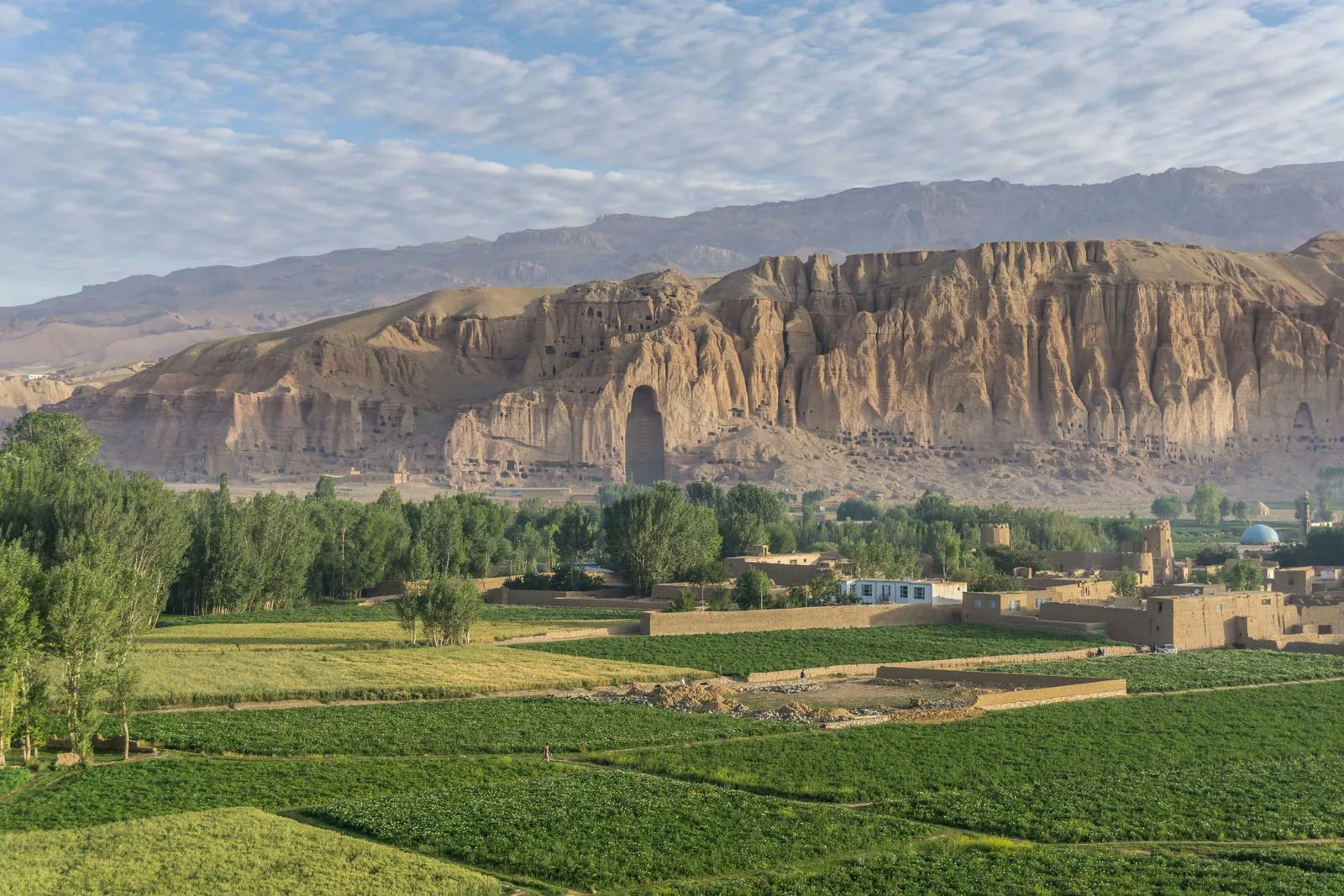
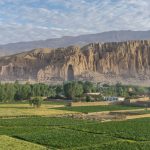
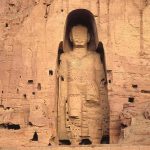
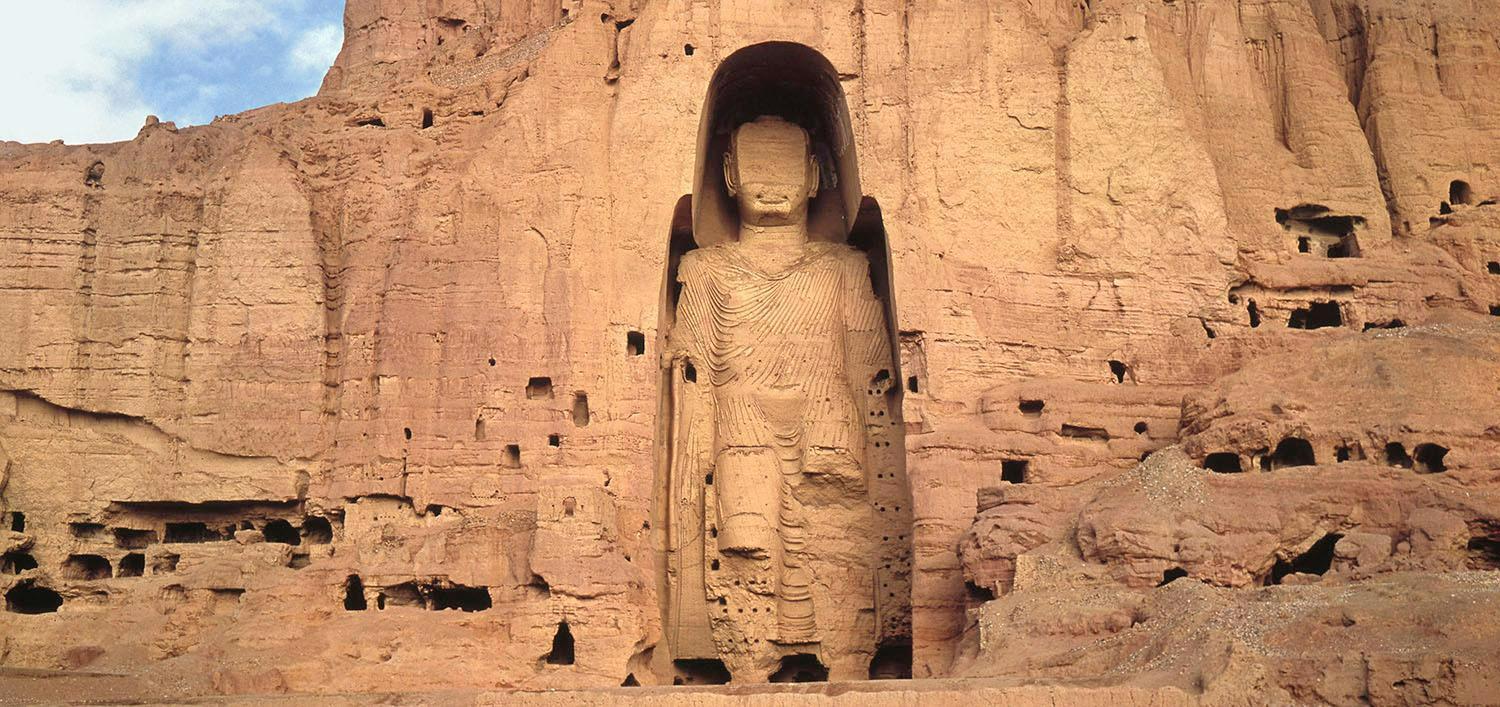
Bamiyan, a town located in the heart of Afghanistan. Bamiyan was first visited by the Chinese Buddhist monks and pilgrims Faxian and Xuanzang. It had become a center of commerce and Buddhism by that time. In Bamiyan, two enormous figures of the Buddha were created in the 4th and 5th centuries; the larger was 175 feet i.e. 53 meters high, and the smaller was 120 feet, about 40 meters high. The statues were carved from a rock, finished with fine plaster and then painted. The two Buddha figures, together with various ancient man-made caves in the cliffs, make Bamiyan a major Afghan archaeological site. However in 2001, Afghanistan’s then ruling Taliban regime destroyed the statues, despite the worldwide pleas to save them.
The caves at Bamiyan are of various forms, and their interiors bear the traces of fine murals that connect them with the contemporary caves in Xinjiang, China. Some of these paintings were also destroyed during the heartbreaking incident of 2001. A careful analysis and research of these murals revealed that they were made with oil-based paints. Thus, making the 7th-century murals some of the earliest examples of oil paintings in the world. The precinct and archaeological remains were recognised as a UNESCO World Heritage site in 2003.
Silk Road
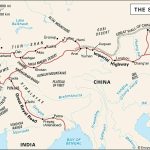
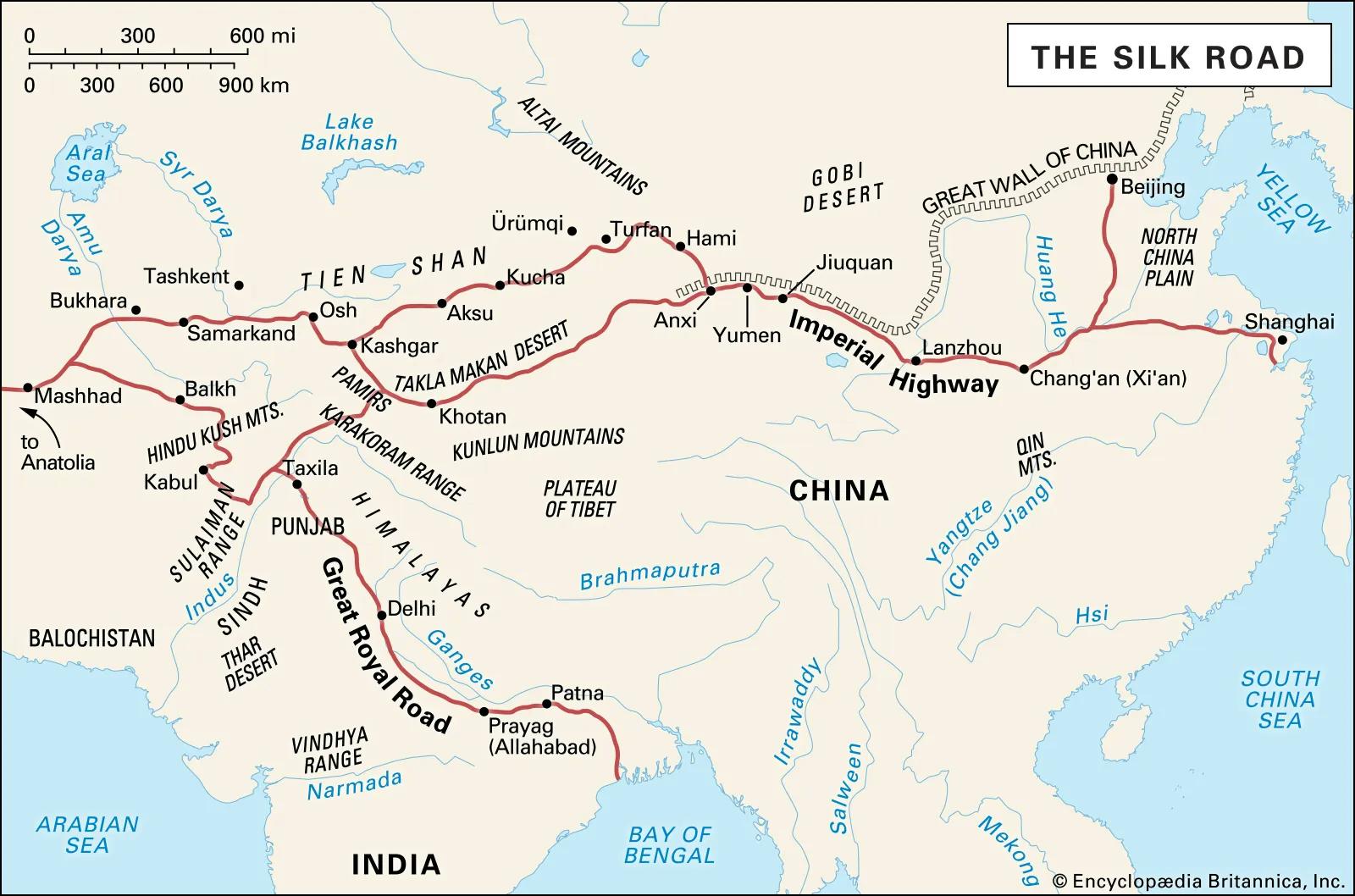
The popular Silk Road, an ancient trade route linking China with the West, carried the goods and ideas between the two great civilizations of Rome and China. Silk went westward, while on the other side wool, gold, and silver went east. China also gained Nestorian Christianity and Buddhism from India via the Silk Road. Originating at Xi’an in China, the 6,400 kilometre long road, actually a caravan tract, followed the Great Wall of China to the northwest, bypassed the TaklaMakan Desert, climbed the Pamirs (mountains), crossed Afghanistan, and went on to the Levant. From there the merchandise was shipped across the Mediterranean Sea.
Cultural Landscape and Archaeological Remains of the Bamiyan Valley
The cultural landscape and archaeological remains of the Bamiyan Valley mirror the artistic and religious developments from the 1st to the 13th centuries that characterized ancient Bactria civilization, integrating different cultural influences into the legendary Gandhara School of Buddhist Art. The precinct comprises numerous Buddhist ensembles from the monasteries and sanctuaries along with fortified monuments from the Islamic period testify to the interchange of Indian, Hellenistic, Roman, Sasanian and Islamic influences. The site is also testament to the recurring threats to iconic ancient art, the most recent being the globally criticized cold-blooded destruction of the two standing Buddha statues in March 2001.
The rich culture and heritage of Bamiyan Valley has suffered from numerous disasters and the condition of some parts of it is very fragile. However, a significant ratio of all the factors that elaborate the Outstanding Universal Value (OUV) of the site, such as Buddhist and Islamic architectural forms and their setting in the Bamiyan landscape, remain somewhat the same at all the sites within the boundaries; including the monumental Buddhist monastery in the Bamiyan Cliffs with the two enormous sculptures of the Buddha.
The cultural landscape and archaeological remains of the Bamiyan Valley prolong to testify to the different cultural phases of our history. If seen from the point of view of cultural landscape, the Bamiyan Valley, with its artistic and architectural remains, the traditional use of land and the simple mud and brick constructions continues to express its Outstanding Universal Value (OUV) with respect to the form and materials, location and context, but may be vulnerable in the sense of development and requires careful conservation and management.
Conservation and Restoration
Since the destruction of the two Buddha statues by the Taliban in March 2001, followed by the fall of the regime and the formation of the Afghan Interim Administration, UNESCO has conducted several missions to the Bamiyan site, producing alarming derivations on the condition of the site of conservation.
The current project aims at the consolidation of the cliff face at Bamiyan with its niches and Buddhist caves, the conservation of the remaining pieces from the two large statues, the protection of the wall paintings and the preparation of a site map and provisional Master Plan.
The main positive outcome of all these missions since 2004 is the blending of the long-term experience of the Bamiyan staff with international standards and concepts of restoration and cultural heritage preservation. The combination of a long-term and stable crew of local staff, the involvement of students of the Bamiyan University, and the support of the Bamiyan cultural office has enabled the staff members as well as the project management team to gain a high level of expertise. This has enabled the development of a reliable and well-functioning framework within which the restoration tasks at Bamiyan are being carried out.
Furthermore, the strong involvement of the staff members of Bamiyan with their own cultural heritage, in addition to their training over several years, has led to an increased appreciation and acknowledgement for historical and cultural values amongst the natives. By integrating cultural events such as performances of traditional music and poetry readings in the restoration process, these missions were considerably able to expand their public outreach, including to representatives of the Afghan government. Working jointly on heritage projects fostered a sense of a common identity, independent of specific religious and ethnic backgrounds.
So it is to hope that international experts, local cultural expertise, and civil society will soon find a common platform to develop a suitable conservation plan for the Giant Buddhas, which will pay respect to history, the authenticity of the site and the demands of the people of Afghanistan.
References:
www.worldheritagesite.org. (n.d.). Bamiyan Valley | For UNESCO World Heritage Travellers. [online] Available at: https://www.worldheritagesite.org/list/Bamiyan+Valley.
Britannica (2021). Silk Road | Facts, History, & Map. In: Encyclopædia Britannica. [online] Available at: https://www.britannica.com/topic/Silk-Road-trade-route.
UNESCO (2019). World Heritage. [online] Unesco.org. Available at: https://whc.unesco.org/en/about/.
UNESCO World Heritage Centre (2011). Cultural Landscape and Archaeological Remains of the Bamiyan Valley. [online] Unesco.org. Available at: https://whc.unesco.org/en/list/208/.
Emb-japan.go.jp. (2025). Preservation of the Bamiyan Site, Afghanistan. [online] Available at: https://www.unesco.emb-japan.go.jp/htm/bamiyan.html
Praxenthaler, B. and Matthias Beckh (2020). Safeguarding and Preservation Activities at the Giant Buddhas and Other Monuments in the Bamiyan Valley 2004–2017. Springer eBooks, pp.31–49. doi:https://doi.org/10.1007/978-3-030-51316-0_3.