
“Architecture arouses sentiments in man. The architect’s task, therefore, is to make those sentiments more precise.”- Adolf Loos
As stated by Adolf Loos architecture influences how people behave and think in built environments. For instance, an office space with an open plan helps foster collaboration but increases stress and reduces productivity. However a closed working space, natural light, and flexible seating arrangement help in focusing, reduce anxiety, and increase overall job satisfaction.
Design has a way of influencing mood, actions, and thoughts. It can make a person relaxed or tense, encourage interaction or isolation, or enhance productivity and creativity in the spaces that the user occupies.
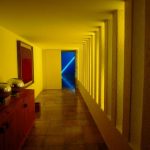
Certain factors in architecture that influence human minds are colour, natural light, the scale or layout of the spaces, etc… Certain colour makes the human mind calm while some can stress people. In hospitals, colours are used to make a homely atmosphere which helps in the faster healing of people. Similarly, natural light significantly influences, making a person calm or stressed – natural light contributes to higher productivity. Large spaces make humans feel tiny and insignificant, while congested spaces cause discomfort. Ideal design decisions are important in architecture for human comfort as buildings are for human use.
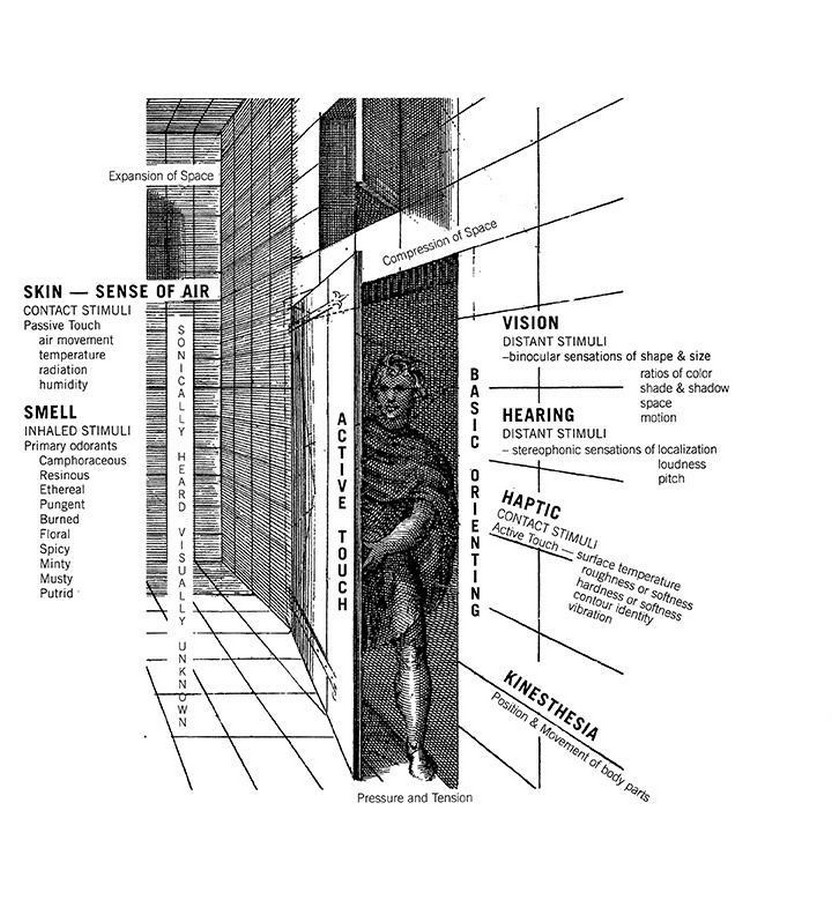
Sensory design is a significant aspect that merges architecture and psychology. It consists of strategies on how various senses – touch, smell, sight, sound – affect the human experience of a space. By integrating these sensory aspects, designers create environments that enhance various emotional responses that may be positive or negative like comfort, relaxation, stress, confusion etc….
The psychological effects that can be achieved through sensory design include mental well-being – the feeling of comfort and relaxation, increased productivity and creativity, an emotional connection and attachment to spaces etc…The key elements of sensory design are colours, lighting, acoustics, and textures. Colour can create a sense of volume or show constructive details to an extent. It can also provide a set of emotions and visual effects. Colour is intimately linked with psychological stimuli and can be used according to the volume and shape of the project. for example, cheerful and bright colors play an important role in putting children in a positive mood and the colour design of hospitals helps patients recover faster and provides a homely atmosphere.
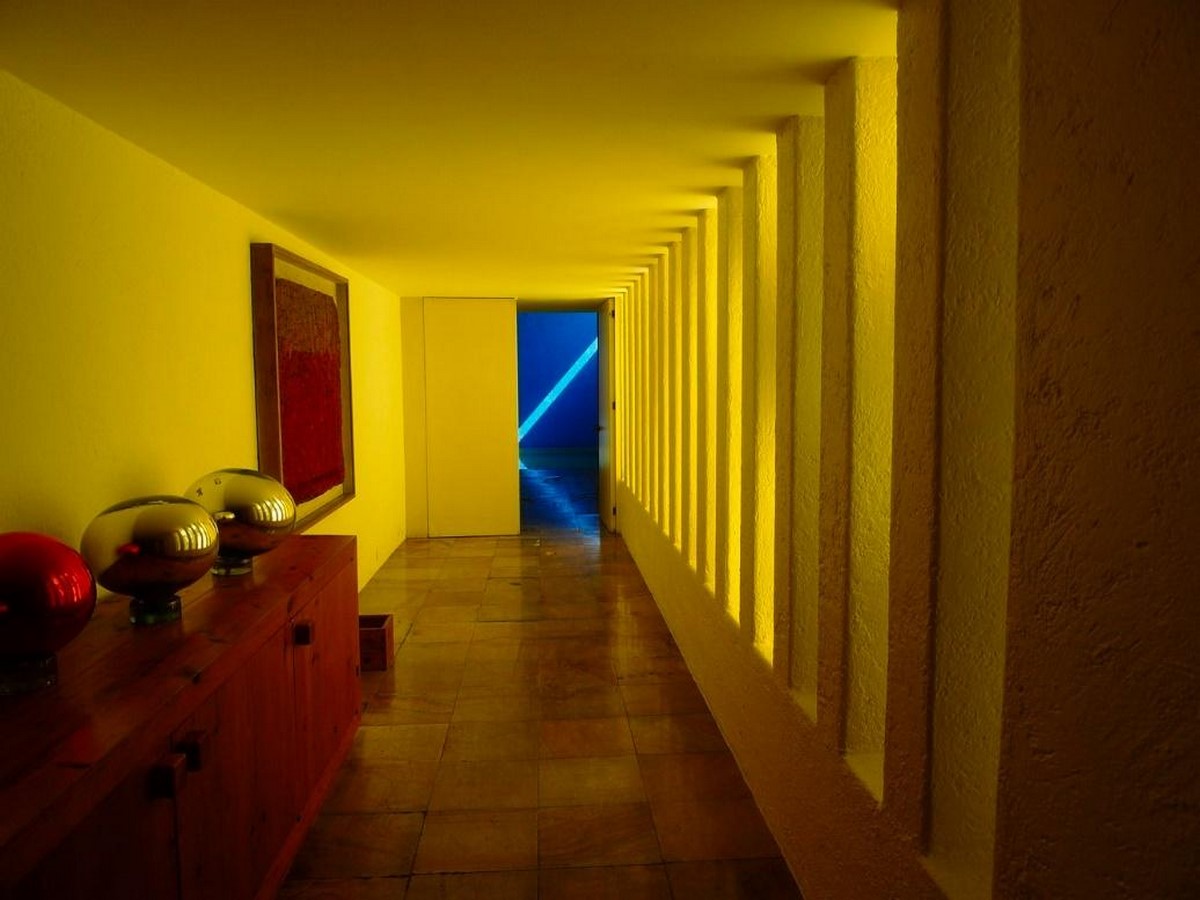
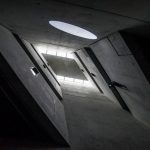
Natural light creates a sense of tranquility and openness while artificial lights impact the mood and energy levels. Light interacts with various materials in different manners affecting the overall design. For example, soft flooring creates a sense of warm, inviting environment. Also, a healthy audio ecosystem is essential in controlling the noise pollution of the current technology-driven world. Sound connects to powerful emotional and sensory receptors of our brain affecting our perception of a space. Well-designed acoustics can elevate the experience of a space that is accessible to the occupants. The tactile elements also play an important role in the sensory experience of a space. Flooring contributes a major part to influencing the overall experience of a space.
Some examples of spaces that evoke positive and negative emotions are:
1.Therme Vals, Switzerland.

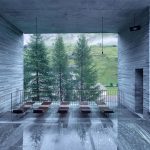
Therme Vals designed by Peter Zumthor evokes various senses that are to be experienced slowly, immersing the visitors in the interplay of light, shadow, sound, and texture. Natural light is allowed to penetrate the spaces through small gaps, creating shifting patterns across the walls, a reminder of the passing of time, connecting the users to the outside world.
The slight, muffled, and soft acoustics inside the baths are another important sensory aspect of Therme Vals. It enhances the feeling of peace and serenity.
- Church of Light, Japan

Church of Light designed by Tadao Ando embraces light to create and define various spatial perceptions. The duality of light-darkness and solid-void raises a sense of spirituality and secular thoughts in occupants. The solid concrete shell adds to the humble, meditative sense inside the church. The approach to the light and concrete in this project, like other projects of Tadao Ando, adds to the surreal effect of the space.
- Memorial to the Murdered Jews of Europe, Germany

The memorial, located in Berlin built across an expanse of 19,000 sq.ft open plaza stands as the solemn reminder of one of the largest human tragedies. It consists of 2711 concrete steles, each with unique heights creating an undulating grid-like pattern, crookedly rising from the earth at different angles. The site has an uneven ground created along with the forest of concrete steles to create a sense of instability, confusion, insecurity, and loss of orientation. The 41 dispersed trees including lime trees, antlers, and pines contribute to the transition to the zoo of Steles and add to the feeling of fragility.
- Jewish Museum, Berlin.

The Jewish Museum designed by Daniel Libeskind is another example of architectural influence on psychology. The design of the museum expresses conceptually the life of Jews before, after, and during the Holocaust. The design expresses feelings of absence, emptiness, and invisibility that present the disappearance of the Jewish culture. The building design acts as a way of expressing to the visitors the aftermaths of the Holocaust on both the Jewish culture and the city of Berlin. The cold concrete walls add to the overwhelming atmosphere, where there is light only from a small slit at the top of the space.
The fusion of architecture and psychology has gained attention over recent years in the realm of design. The focus is to bridge the gap between architectural spaces and the mental well-being of the occupants. By considering spaces from the human psychological perspective, addressing the need of the space and designing according to the user’s perspective like an office space that is stress free, while a library a relaxing space, designers can create spaces that are not only functional but also nurture mental and emotional beings.
1. Online Sources
Team, A. (2024). Peter Zumthor’s Therme Vals: Sensory Architecture in an Alpine Retreat. [online] ArchEyes. Available at: https://archeyes.com/peter-zumthors-therme-vals-sensory-architecture-in-an-alpine-retreat/.
Kroll, A. (2011). AD Classics: Church of the Light / Tadao Ando Architect & Associates. [online] ArchDaily. Available at: https://www.archdaily.com/101260/ad-classics-church-of-the-light-tadao-ando.
OLIN. (n.d.). Memorial to the Murdered Jews of Europe. [online] Available at: https://www.theolinstudio.com/memorial-to-the-murdered-jews-of-europe.
Pereira, M. (2018). The Role of Color in Architecture: Visual Effects and Psychological Stimuli. [online] ArchDaily. Available at: https://www.archdaily.com/895498/the-role-of-color-in-architecture-visual-effects-and-psychological-stimuli.
2. Images
Fouillet, F. (2024). Peter Zumthor’s Therme Vals: Sensory Architecture in an Alpine Retreat. [online] ArchEyes. Available at: https://archeyes.com/peter-zumthors-therme-vals-sensory-architecture-in-an-alpine-retreat/.
Fuijii, N. (2011). AD Classics: Church of the Light / Tadao Ando Architect & Associates. [online] ArchDaily. Available at: https://www.archdaily.com/101260/ad-classics-church-of-the-light-tadao-ando.
OLIN. (n.d.). Memorial to the Murdered Jews of Europe. [online] Available at: https://www.theolinstudio.com/memorial-to-the-murdered-jews-of-europe.
Lupton, E. and Lipps, A. (2018). Why sensory design? | Cooper Hewitt, Smithsonian Design Museum. [online] Cooper Hewitt Smithsonian Design Museum. Available at: https://www.cooperhewitt.org/2018/04/03/why-sensory-design/.
Pereira, M. (2018). The Role of Color in Architecture: Visual Effects and Psychological Stimuli. [online] ArchDaily. Available at: https://www.archdaily.com/895498/the-role-of-color-in-architecture-visual-effects-and-psychological-stimuli.