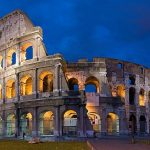
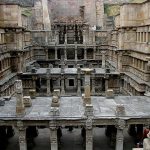
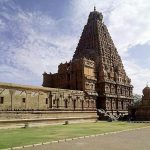
Even though it is a service-based profession, the field of architecture continues to develop along the tracks of a physical embodiment of the past history, culture, and progress of civilization. If we learn from the past, we may be able to imagine, assess, and know what the constructors expected, desired, and achieved. The idea that as a gallerist architecture over centuries has constructed the narrative of culture and civilizations, seems to be better represented by iconic architecture (such as the Colosseum of Rome or the temples in India). Architectural preservation safeguards each of the embodiments of cultural heritage at the core of social cohesion and creativity, representing what it means to share a common history.
Buildings as History
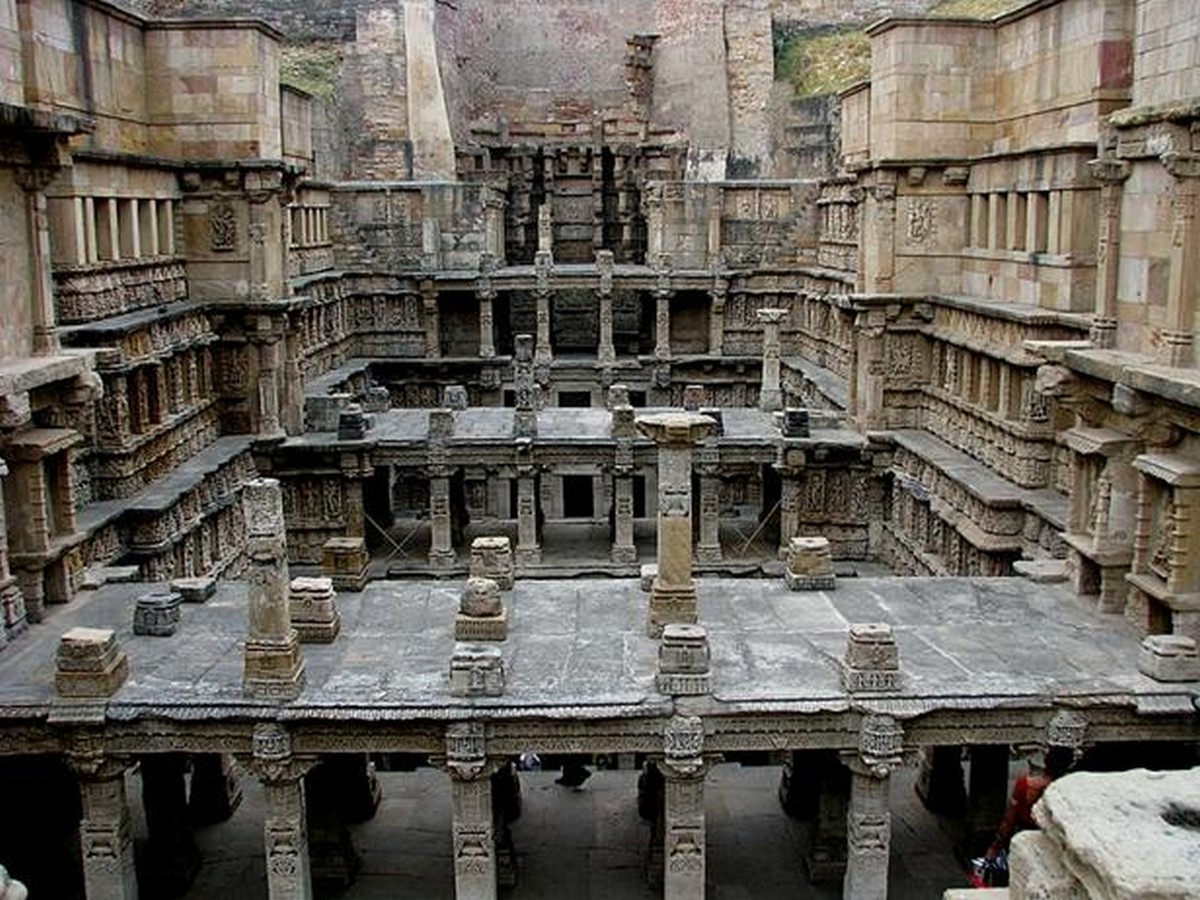
Every building has a backstory and architectural preservation plays a crucial role in revealing it. Architectural finishes, structural materials, and design elements may disclose a vast amount of information about the age of a building. This is also the case for Gothic cathedrals, another iconography of medieval European landscapes, and the church itself represented not only the site but also the pinnacle of artistic and engineering excellence in the medieval arts. The step-wells (e.g., Rani ki Vav), Gujarat, India, illustrate a new water harvesting structure and extraordinary craftsmanship art. These are rich sources of human history, from which it is possible to learn about economic conditions, technological advances, and societal concepts.
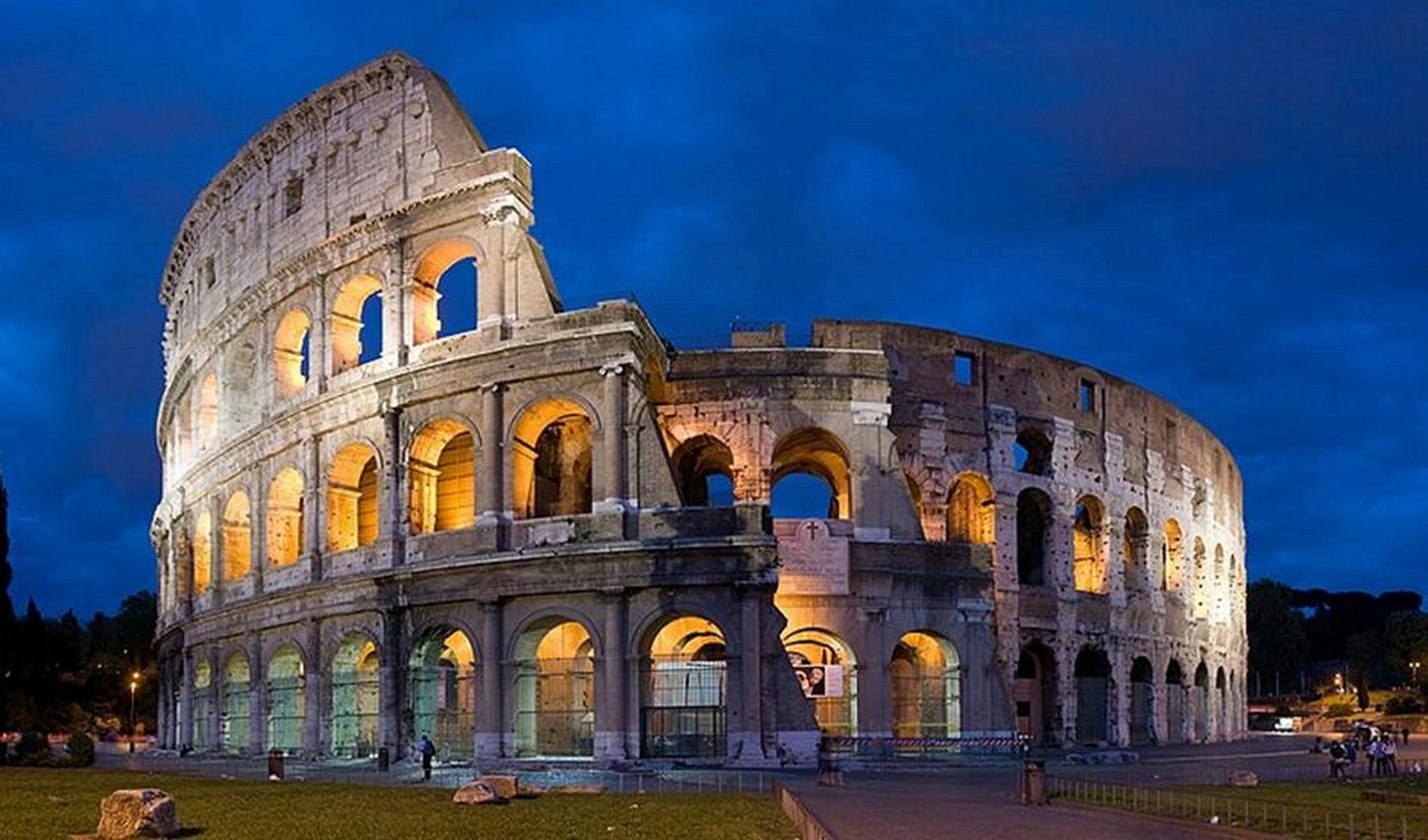
The most common form of construction in ancient Rome is the Colosseum and it is a fairly typical model of how architecture may be used to furnish evidence of remote past events. Completed between 70 and 80 AD, this amphitheater is a good representation of Romanism and the value placed on public life, and public entertainment which ensured the integrity of social order. Its robustness, existing despite millennia of human modification along with natural catastrophes, emphasizes the etiological value of architectural preservation, not only as a means of safeguarding these historical documents but also as a means of safeguarding the history and construction records of man.
Identity and Cultural Heritage
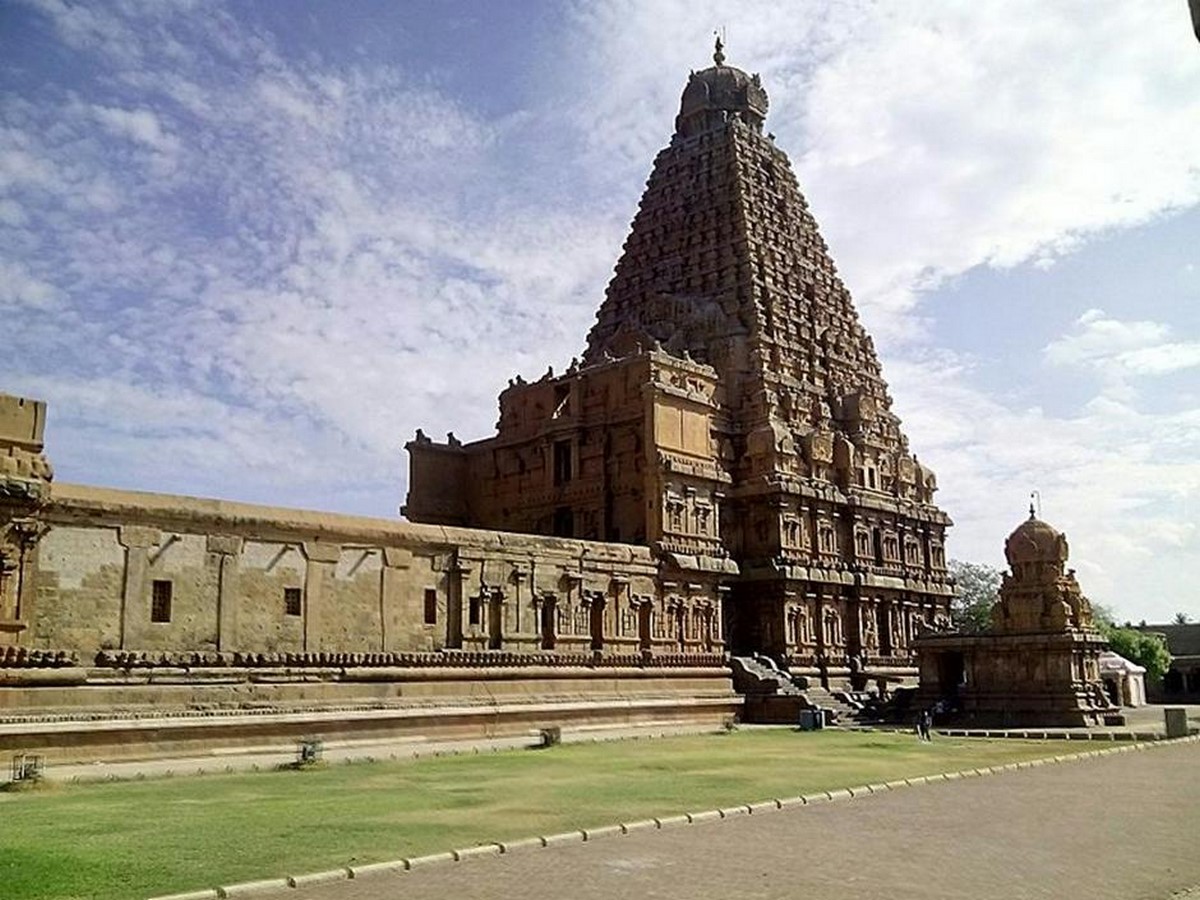
Cultural identity is preserved through the preservation of architecture. Temples in India are more than just shrines, they are many things as well. They stand for culture, artistic brilliance, and spiritual beliefs. Molds not only are sanctuaries of spirit for billions of individuals, the Brihadeeswarar Temple in the State of Tamilnadu is a temple of architectural skill of the Chola period. People of the world recognize the Great Wall of China/the Taj Mahal because they represent the spiritual and physical peaks of human civilization. These are the types of landmarks that draw attention from all over the world, but they beckon to a central space of mutual cultural debate and understanding and tolerance of the other. Rebuilding of these memorials may, moreover, be secured by architectural preservation of those memorials (future generations will be motivated by the stories).
Role of Restoration in Architectural Preservation
Restoration is the most significant aspect of protecting and preserving historic buildings. These invaluable resources face obstacles from human negligence, natural calamity, and urban expansion. Restoration reduces that risk. Setting the benchmark for restoration projects is the preservation of the Sistine Chapel in the Vatican City, for example. The frescoes painted by Michelangelo became darkened and dulled by pollution and candle smoke. It took painstaking cleaning and restoration efforts for the conservators to overpower the sheer volume of deterioration that the chapel had suffered and return it to its former wonder, allowing posterity to grasp the scope of its artistry.
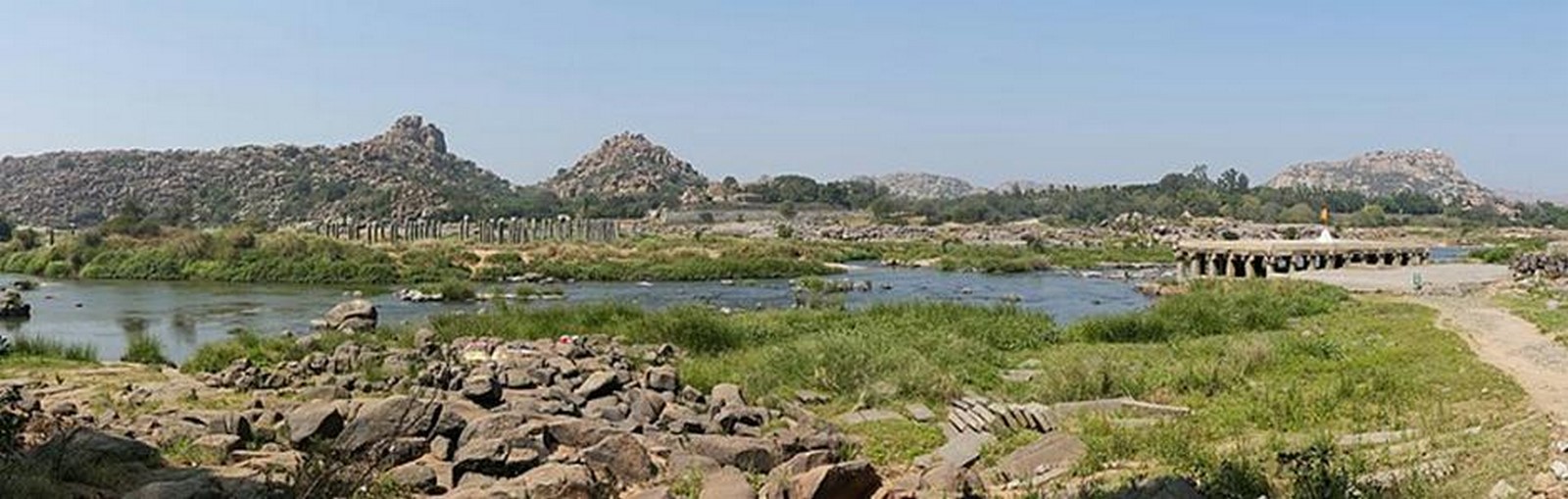
Likewise, the Hampi minutes, Kannada, India are also extravagant. The Vijayanagara Empire is illustrated with the ruins of Hampi, which have been recognized as a World Heritage Site by UNESCO. To maintain these ancient assets’ authenticity, conservation operations in the region have centred on strengthening buildings and resurrecting traditional techniques for building.
Challenges in Architectural Preservation
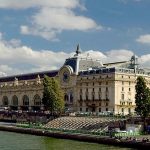
Notwithstanding its significance, architectural preservation is plagued with obstacles. Historical accounts are not uncommonly pulled apart to explain fresh findings due to modernization, urbanization, etc. Restoration, however, may be hampered by a resource deficit as many historic monuments are in dire need of imagination. It can be archived in the past and present, without clashing, as has been the case for the historical adaptation of the visual experience of Paris’s Gare d’Orsay which now houses a stunning 19th century Musée d’Orsay. An additional level of complexity is then achieved by climate change e.g. Coastal and fluvial heritage is threatened by sea level rise, extreme precipitation, and heat waves. To counter these challenges and to ensure the survival of architectural heritage, new approaches to preservation and greening are required.

The Prospects for Architectural Preservation
Technological innovations have opened new possibilities for architectural conservation. Digital methods of comprehensive chronicling of heritage structures (e.g., 3D slicing, virtual reality (VR), and Building Information Modeling (BIM) increase the accuracy and efficiency of the reconstruction work. Engagement with the community is also a very important part of cultural heritage sustainability. Working together with members of the community in restoration activities develops a sense of responsibility and ownership and that’s why there are efforts to protect the historic buildings. The campaigns for awareness and educational programs should emphasize the importance of architectural preservation in saving the heritage of the world. It is more than just protecting endangered buildings – it is a scrabble to protect the human civilization itself. Preserved monuments, historic sites, buildings – every construction that is being restored is a part of the holistic endeavor to preserve the history and allow for development.
Architecture is a time capsule that documents the past against the present. It may at least provide a notion of what the former inhabitants led, believed, and aimed at, i.e. Indian temples, the Colosseum and other great structures of the world are vastly different from their constructions in reality. These are representations of culture and history. Works of art having aesthetics and design values, are conserved to prevent them from decaying, and being designed to have a permanent legacy for posterity. And it is through this, that society protects, the cultural heritage from whence they derive, their commonwealth.