Architectural practice, like all other fields, is termed to be in a global marketplace owing to its cross-border mobility in the current epoch. Yet, this globalization of design does raise several pertinent questions regarding the delicate borderline that exists between the appropriation of culture, and the appreciation of it. There is a moment in which designing from a wide repertoire of history is acceptable since it facilitates the task of an architect. Still, then dilemmas such as ethics, authenticity, and respect arise, as some elements are borrowed from other traditions or styles. This paper seeks to delineate the boundaries of appropriation vs appreciation within architectural practice and their respective nuances, as this seeks to provide the reader with the agency to plan for these environments wisely.
Defining Cultural Appropriation and Appreciation
Cultural appropriation is taking or using some or all aspects of one culture and applying them as one’s own, frequently with little, if any, credit, or consideration as to origin and context. As a result, cultural practices or symbols become diluted, distorted, or reduced to their lowest economic denominator merchandise. This situation is often especially evident in architectural appropriation where cultures are utilized and applied on building facades using motifs unrelated to their histories, spiritual purposes, or other appropriate contexts.
Cultural appropriation occurs when members of one culture take elements of another, often without proper understanding, credit, or context, leading to misrepresentation or commodification. In architecture, this can manifest as a superficial use of cultural motifs without regard for their historical, social, or symbolic significance. Cultural appreciation, in comparison, means doing things in appreciation of the use of cultural material, that stresses cooperation, realization, and a recognition of those origins. A practicing appreciating architect honors the depth or meaning behind this cultural influence by ensuring its exploitation does not destroy the meaning involved in its applied design narrative.

Examples of Cultural Appropriation in Architecture
The exoticism of Colonial Architecture: Colonial buildings that used local elements to create an exotic look for Westerners are also a few. For example, British colonial buildings frequently incorporated Indian-inspired designs purely for their aesthetic appeal.
Exploitation of Native Iconography: Contemporary buildings often incorporate indigenous structures or materials yet dismiss their historical, spiritual, or territorial relevance to the native peoples. In doing so, not only is the original context denied, but historical marginalization continues to be reinforced.

Recognizing Cultural Appreciation in Architectural Practice
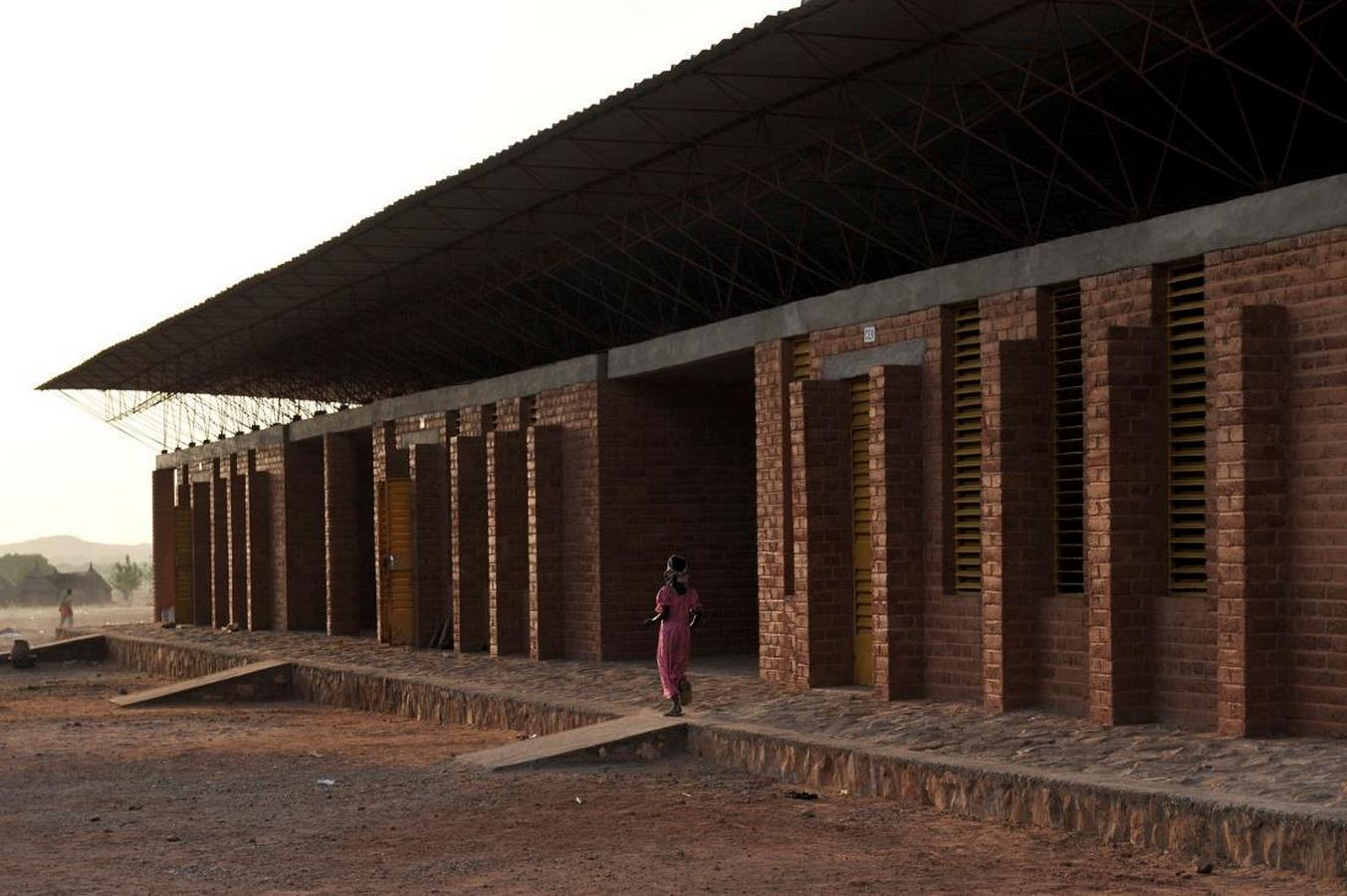
Cultural appreciation in architecture is not a mere display of traditional elements on the surface; it’s rather a careful involvement that sustains cultural identity with innovation in contemporary settings. For instance, Francis Kéré’s use of local materials and traditional techniques for the Gando Primary School in Burkina Faso showcases how architectural design can involve cultural identity, sustainability, and functionality. In addition, cultural understanding builds community capacity. Heritage regeneration programs, including a restored version of the Chhatrapati Shivaji Terminus in Mumbai, involve public sensitivities on design, as well as cultural activities through strengthening local networks. It promotes sustainability principles while preserving heritage wisdom by incorporating natural materials, adobe, or bamboo, reducing damage to the environment.
Ethical Guidelines for Navigating Cultural Influences
Research and Respect:
Deeply understanding the multifaceted narratives, circumstances, and implications underlying societal components is indispensable. One must engage with specialists indigenous to the location, chroniclers of events, and representatives of cultures. Variations in sentence length and complexity help convey ideas in a human-like manner.
Collaboration with local Communities:
Working jointly with artisans and community developers ensures authentic reproduction and mutual esteem. It moreover offers monetary advantages and aids the preservation of traditional practices. Burstiness in sentence structure shows thoughtful consideration of multiple viewpoints.
Credit and Acknowledgment:
Providing attribution to the cultural origin or community behind an influence is a simple yet impactful step. Transparency in design motives fosters trust and respect among all groups. Complexity and variation enhance readability and engage the audience.
Avoiding Stereotyping and Simplification:
Architects must be wary of using cultural symbols as aesthetic embellishments. Each pattern, structure, shape, or color carries deeper significance that should be thoughtfully considered.
The Role of Institutions and Policy
Architectural bodies must thoughtfully consider their role in cultivating responsible design. Revised guidelines emphasizing cultural understanding and principled participation can steer the field toward respecting all people. Architecture schools should interweave ethical awareness spanning differences into education, nurturing sensitivity from students’ beginnings. Policymakers also shape how buildings and places affect communities; revised policies establishing respect and empowerment can further just design.
The subtle boundary between appropriation and appreciation of culture in architecture calls for sensitive knowledge of cultural contexts and adherence to ethical practice. By setting respect, collaboration, and authenticity at the core of architectural contributions, architects will contribute to a richer, more inclusive built environment that celebrates diversity without exploitation. As global design trends continue to evolve, so must the profession, vigilant and accountable, with the power of architecture uniting rather than dividing.
Citation:
- KORKMAZ, C. (n.d.). CULTURE OF ARCHITECTURE: AN INQUIRY INTO FRAGMENTS OF PERCEPTION, CONCEPTION, AND REASON.
- Anderson, A. T. (1996). Appreciation and appropriation, Art and architecture. In 84TH ACSA ANNUAL MEETING THEORY AND CRITICISM 1996 (Vol. 2, pp. 6–264). https://www.acsa-arch.org/proceedings/Annual%20Meeting%20Proceedings/ACSA.AM.84/ACSA.AM.84.65.pdf