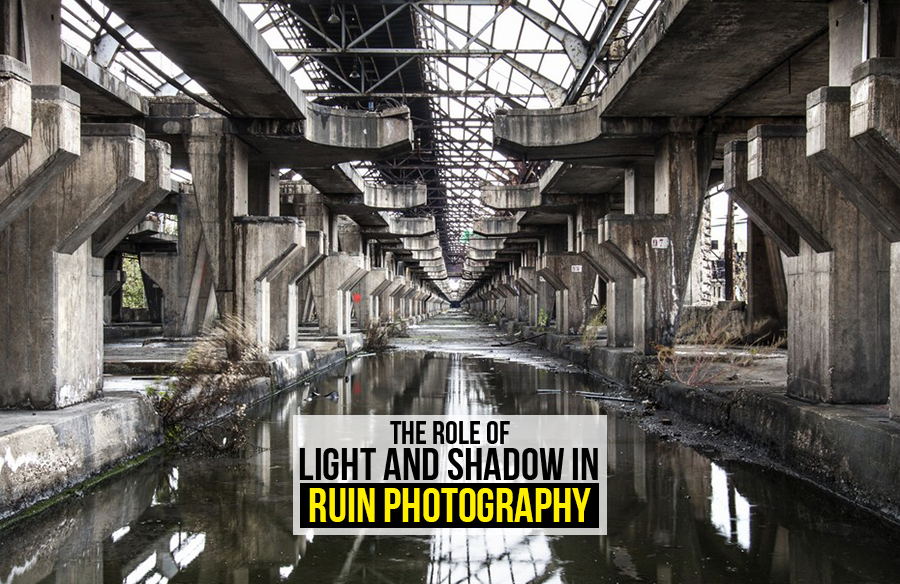
Light is the testament that Life exists, it gives meaning to any object that opts to survive. Light is cognizant of its true identity and nature. The creativity in taking the picture is also equally important, the perspective brings out the true intention behind the picture, emphasising the character, texture, and emotion of abandoned or ancient spaces. When capturing the ruins, light and shadow can dramatically affect the atmosphere, highlighting the timeline, the decay, and the beauty of abandoned structures.
Light and Architecture
Lighting in architecture shows the mood, ambience, and visual language of a space. Light architecture incorporates not only artificial light sources but also natural light. The magnitude, direction, and colour of light are paramount in altering the perception of the building and governing how an individual interacts and views the structure. Building orientation, the position of light wells & windows, and the use of reflective surfaces are among a few ways that may expand and optimise natural light.

Shadow Architecture
The play of light and shadow can create a mood of nostalgia, solitude, or eeriness in ruins. The nature of light i.e., Soft, diffused light often enhances a sense of pensiveness, while harsh shadows can add mystery, emphasising the concealment and abandonment of the place. Brawny contrasts between light and shadow in ruins accentuate textures and imperfections, giving viewers a deeper sense of the history and the age of the structure. The interplay of light and dark shadow (vivid contrast) creates a dynamic atmosphere, inviting viewers to explore the hidden stories of the ruins.

Showcasing Detailing and Texture
When Light hits the surfaces of Buildings from different angles, it reveals the rough textures of stone, brick, and metal, showcasing the wear and decay of the materials over time. Low-angle lighting, such as during early morning or late afternoon, emphasises cracks, moss, and weathered patterns, making the viewer feel closer to the materiality of the ruin. Ruins often have carvings, inscriptions, or architectural details that may be obscured by time. Shadows cast by these elements can make the details more visible, giving a three-dimensional effect and revealing the artistry of the past. Shadows create the layers within the scene, which helps to define the depth of the space in ruins. The shadowed areas draw the eye of the viewer further into the image, creating a sense of depth and intrigue as if the viewer is trying to see into the hidden spaces. Light and shadow guides the viewer’s gaze through the image. Light falling on specific areas, such as a doorway or an ancient artefact, can direct attention to those points of interest. This makes the image feel like a journey through the ruin, with the light leading the way.

Emphasising the Architectural forms
Shadows can accentuate architectural lines, shapes, and forms, helping to define the overall composition of the photograph. For instance, sunlight casting shadows through broken windows or arches creates strong lines and geometric patterns, adding drama to the scene. Light and shadow always go hand in hand to balance the composition. A well-composed picture uses light to define focal points and shadow to frame or balance the image and draw attention to elements while preserving the beauty of the ruin.
Capturing timeline
Light reveals the effects of time on structures. For example, sunlight shining through a collapsed roof or an open window may highlight dust particles or moss, suggesting nature’s reclaiming of the space. Shadows around the broken walls and overgrown vegetation add up to a sense of transition and decay, reflecting the inevitable passage of time. The changing angle of sunlight throughout the day will reflect the natural rhythms of the environment around the ruins.

Pattern of Light and Shadow
Ruins often have broken or irregular structures that create captivating patterns when light passes through them. For example, light filtering through cracked windows, holes, vegetation can produce intricate patterns on floors and walls, which adds a sense of abstraction and visual interest to the image. Sometimes, strong shadows can create silhouettes of architectural features or characteristics or objects within the ruin, adding to the mystery and mood. Silhouettes offer an outline of the form, allowing the viewer’s imagination to fill in details, adding an element of intrigue.

Communication with the Ruins
Many ruins are exposed to natural/artificial elements, natural light plays a crucial role in capturing their essence. Sunrise/sunset – when the light is soft, bright and golden, can evoke warmth and serenity. In contrast, cloudy or stormy lighting can add a bleak, even ominous tone, emphasising the ruin’s connection with the environment. Shadow patterns change based on weather conditions and time. For instance, shadows cast by clouds moving over the ruins can create an ephemeral, dynamic play of light that enhances the dramatic impact of the photograph.
Picture Speaks
When the ruins are pictured the shadows can create an illusion of secrets, hidden within the ruin, symbolising forgotten stories or memories. Light illuminating specific areas might imply remnants of life that once existed there, inviting the viewer to imagine the history and purpose of the space. Light falling on particular objects—such as a broken statue, an abandoned chair, or crumbling walls — can evoke emotions tied to human presence and absence. Shadows around these objects amplify the sense of loss, nostalgia, and transience, making the photograph more impactful.
Reference :
https://abirpothi.com/the-exquisite-interplay-of-light-and-shadow-in-architecture/