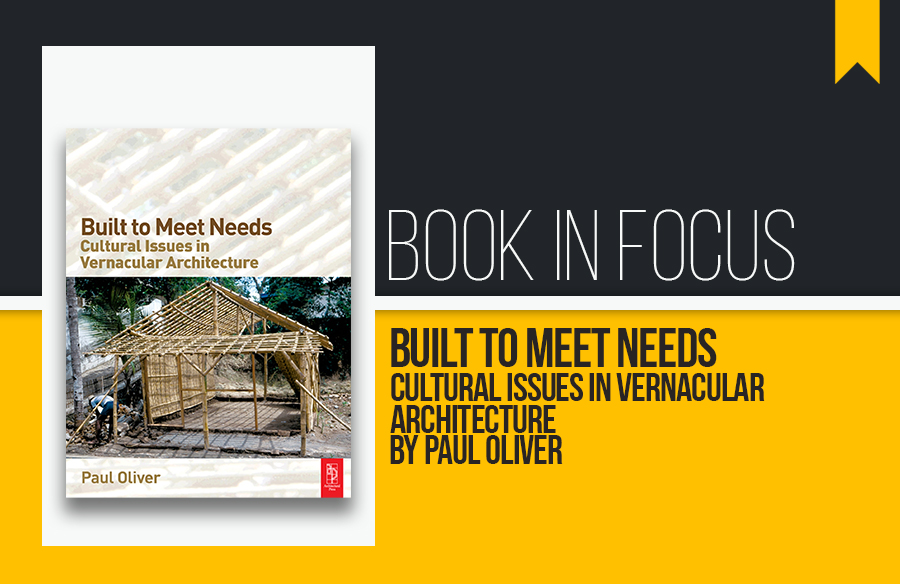
Paul Oliver’s book Built to Meet Needs: Cultural Issues in Vernacular Architecture places a strong emphasis on vernacular architecture, which is sometimes hailed as the unsung hero of the built environment. The social-cultural, environmental, and practical facets of architecture that are sometimes disregarded in more formal or affluent architectural studies are thoroughly examined in this book. It provides a complete examination of how common people across the world build structures to meet their demands in terms of environment, culture, and lifestyle. Oliver, a distinguished expert in architectural history, investigates how vernacular structures serve cultural, spiritual, and communal purposes in addition to providing physical shelter. This review summarizes the book, emphasizing its structure, themes, and reader insights while maintaining the content’s integrity.

Overview
Built to Meet Needs, which was published in 2006, is a comprehensive examination of vernacular architecture, which is defined as the constructed forms created by communities without the assistance of professional architects. The book employs an interdisciplinary approach, combining history, sociology, anthropology, and architecture to show how culture and environment influence the structures that people build for themselves. The book gives readers case examples from both established and developing countries, covering a broad range of geographical areas, climatic conditions, and cultural traditions. Oliver shows how vernacular architecture is firmly anchored in necessity, whether that requirement is social, economic, or environmental, using examples from timber homes in Scandinavia to mud huts in Africa. More significantly, he highlights that these structures are not only functional but also have cultural significance, frequently mirroring the worldview, spirituality, and social organization of a civilization.
Key Themes
- Cultural Relevance of Vernacular Architecture
The way that architecture reflects the civilization that creates it is one of the main topics of the book. According to Oliver, structures built in the vernacular style are symbols of cultural identity and continuity that go well beyond simple utilitarian rooms. Architecture plays a vital role in maintaining customs and traditions in areas with rich oral traditions. For instance, a home’s design, material selection, and even internal spatial organization may all be used to express gender roles, religious views, and social conventions.

2. Environmental Adaptation
Oliver goes into great detail about how the environment, especially the climate and the materials that are accessible, influence vernacular building. He gives examples from tropical climates, where open, raised structures allow for ventilation and lower the risk of floods, to arid places, where small windows and strong walls assist control inside temperatures. He also discusses the frequent use of regional materials like clay, straw, or wood, which contributes to the structure’s environmental sustainability in ways that contemporary design would not.

3. Social Aspects
The contribution of vernacular architecture to social cohesiveness is another important topic covered in the book. In many cultures, constructing a home is a group endeavor in which neighbors or other family members and friends pitch in to help. Modern, independent architectural forms are rather alien to the idea of extended family living, which is frequently incorporated into the residences themselves. Oliver argues that contemporary urban settings should take inspiration from this intimate bond between individuals, their residents, and the communities.
4. The Influence of Globalization
Even though the book mostly discusses traditional vernacular architecture, it acknowledges that these customs are becoming more and more endangered due to globalization. Oliver talks about how traditional building methods have declined in many parts of the world as a result of the spread of Western architectural standards and contemporary building materials. Consequently, there is a chance that a priceless cultural legacy may be lost. But when individuals attempt to combine the old and the modern, he also discusses cases where vernacular forms have become more popular or hybridized.
What Readers Can Take From The Book
After reading Built to Meet Needs, readers will have a fresh understanding of the function of architecture in daily life. Readers will begin to perceive buildings as living, breathing representations of the cultures that built them, rather than just as things to be occupied. The book urges readers to recognize the importance of traditional building methods and local knowledge, especially at a time when environmental sustainability is becoming a more pressing issue. The book highlights the inherent environmental benefits of vernacular design, making it useful for anybody interested in sustainability. Oliver’s observations about the adaptability of vernacular architecture using locally sourced, renewable materials and climate-responsible design strategies, offer important lessons for contemporary construction in a society struggling with climate change. Readers will get a better understanding of how architecture affects culture. They will come to understand that buildings are symbols of legacy, community, and identity rather than only physical structures. A deeper understanding of cultural variety and the part architecture plays in preserving it may result from this realization.
Built To Meet Needs: Cultural Issues in Vernacular Architecture by Paul Oliver is a perceptive and captivating analysis of how the environment and culture interact with architecture. It challenges the idea that “modern” equates to “better”, allowing readers to appreciate the richness of vernacular architecture. The book is appropriate for a wide readership interested in architecture, culture, or sustainability despite its scientific content. Oliver concludes by making a strong case for vernacular architecture’s ongoing significance in today’s globalized society. Though the book honors the inventiveness and versatility of these traditional buildings, it also raises a somber point: there is a very real risk that the cultural knowledge ingrained in vernacular buildings may be lost as new architectural styles continue to proliferate. However, the book gives readers hope by implying that, despite modernity, these customs may be maintained and modified.
Anyone interested in design that considers the underlying cultural and environmental aspects of the built environment rather than just aesthetics must read this book. It serves as a timely reminder that in a world that is changing quickly, sometimes the answers to our most important issues can be found in the knowledge of the past.
References:
Oliver, Paul. Built to Meet Needs: Cultural Issues in Vernacular Architecture. Architectural Press, 2006.