About Hinduism and Spiritual, Sacred Spaces
Hinduism and sacred space have a very strong and old connection. In Hinduism for a very long time (from “Sanatan ” time), tradition, culture, lifestyle, art and architecture, and all the other life aspects are very well connected with spirituality. Thus, fear or any spiritual space works as a strong transformative aspect in Hinduism. It is said that “India ” is a country known as “God’s Land” and Sanatana Dharma Land. Because the major and important aspects of Sanatan Dharma are “Scriptures and Vedas” as well as all the “Pauranik Kathas” like “Ramayana,” Mahabharata, Bhagavad Gita, etc., all spiritual aspects happened on the land of India. Thus, India has a special and irreplaceable place all over the world. Because of this spiritual background, in India, Hindu sacred spaces are very well known. Sacred spaces in India work not only for specific religions but involve all the aspects of all the religious and spiritual aspects. Because India is a diverse country, it belongs to various aspects of religion with various spiritual practices. In Hinduism, temple architecture and temple complexes are important sacred and spiritual spaces. Temples are an important representative medium for Hindu spiritual practices. So, there is a strong and beautiful relationship between Hinduism and sacredness.
Hinduism and sacred spiritual spaces are very deep and vast kinds of transformative experiences for living beings. It completely transfers the consciousness of people. Spiritual or sacred spaces are created to transform and develop an actual, essential spiritual consciousness within people; they create and provide life’s essential and required knowledge, which is helpful to achieve the main aim of life. All the activities happening inside these types of sacred spiritual spaces provide a complete transformation within the user’s personality. These sacred-spiritual spaces provide a lifetime transformative experience, and all types of sacred-spiritual spaces are the best type of transformative medium to achieve the main aim and purpose of life.

Experience of Sacred Spaces with Various Types of Design Elements and Geometry, Art, and Architecture
There are various types of geometric shapes, like rectangles, squares, triangles, and pyramids, that represent the form of the spaces. These geometrical forms of spaces provide different types of transformative experiences to users. Each geometrical shape has its language to provide the experience of space to users according to its positive and negative qualities. There are elements like height, volume, acoustics, and colour in sacred or any spiritual spaces that provide various experiences with unique and irreplaceable memories for all types of users.
Volume is one of the most important elements in all types of spaces. Volume defines each space with an internal form of space. Any form of space depends on the volume of space. The volume of space gives a clear picture of the position of humans inside any space. Thus, sacred spaces like pyramid shapes, circular shapes, triangular shapes, rectangular shapes, and square shapes give people various transformative experiences. Because big-volume spaces allow humans to experience very small positions inside space, small-volume spaces allow humans to experience a high position inside space. The smaller the volume, the higher feelings and acoustic sound can get inside space; the bigger the volume, the smaller feelings, and acoustic sound can get inside space.
A transformative experience for Hindu spaces depends on the geometry, form, shape, and location of the space. Location is one of the important factors in Hindu sacred space. In Hindu sacred spaces, mainly temple buildings and temple complexes are involved, and other than temples, meditation centres, yoga and Hindu religious activities and cultural centres, Vedic education centres and institutes, etc., these types of spaces define Hindu sacredness and Hindu sacred transformative experience. These sacred spaces are representative of Hinduism in all worlds. The transformative experience of space also depends on the art and architecture of space. All the sacred spaces are mostly available in a light colour scheme to provide calmness to the mind. Inside as well as outside of any Hindu sacred space, all over walls have Hindu religious cultural art, designs patterns like gods and goddess stories, Ramayana, Mahabharata pictures, Srimad Bhagavad Gita written on walls, etc. Types of Hindu religious art are placed on walls inside as well as outside of sacred spaces, so people can feel a spiritual Hindu touch and transformative experience from the material world. A Hindu spiritual transformative experience is a type of experience that can help people cut their lives from materialistic activities and involve their lives in Hindu religious activities. It is helpful to involve people in Vedic study and knowledge and to involve their consciousness in spiritual activities through all types of sacred spaces. It’s a transformation of consciousness.

Relationship between Nature and Sacred Spaces
In Hinduism, nature is important, important, considering aspects of life. All the food and Ayurveda medicine are made with the help of nature’s trees, flowers, fruits, etc. Nature is one of the important factors that merge the outer world with the sacred inside. Inside. Any green landscape that is surrounded by sacred spaces gives people a fresh, calm, calm, and positive experience. So, any temple complex or any meditation centre or yoga centre they prefer should be involved with that sacred space. Because nature and spirituality have a very strong connection. Nature, landscape, and greenery are all mediums to keep the mind fresh and calm while doing any spiritual practices in the natural surroundings. Surroundings. All trees and lawns keep the environment cool with fresh air and lower humidity. It’s a scientific reason that nature should be involved with spiritual spaces. This is one of the easiest ways to transfer people’s consciousness to spiritual practices. This is the eco-spirituality experience where nature meets spirituality.

The Role of Sacred Spaces in Healing and Wellness
Sacred spaces like meditation and yoga centres are made to play a major role in the transformation of consciousness. There are various forms and shapes that can give various experiences while doing healing wellness practices. The sacred geometry is impactful for healing and well-being. There are some psychological benefits to all religious sacred spaces. Transformation happens through this. 1) Stress reduction reduction 2) Enchanted Focus and Clarity 3) Emotional Balance. Sacred spaces work as calm spaces for spiritual activities. It’s a conscious–changing space with healing activities. Such spaces give us feelings of relaxation. Sacred spaces work as a filtration medium that can remove negative consciousness and provide positive and new consciousness to people, people, which is helpful in understanding the actual aim of life. Healing and well-being spaces like meditation and yoga centres give not only mental experience but also physical experience to users for all–over progress. The overall experience from the sacred healing and well-being space is a complete personality transformative experience.
Temples and Their Irreparable position in Hindu Spirituality
Temples are the most important spiritually spiritual transformative aspect of Hinduism. Temples are the main essence of Hindu spirituality. So it’s one of the most powerful sacred spaces in Hinduism. Temples teach and provide a focused life by keeping gods at the centre of life. Temples and temple complexes are complete, complete, structured programs in spiritual areas of Hinduism. Temples conserve and preserve religious, traditional, and cultural values. It’s one of the most famous and it’s very helpful to transfer people’s living styles because temple complexes have all Vedic activity spaces such as
1) Main temple hall, where god’s deities are placed, is the centre and important space of the project.
2) A Vedic library and institute for providing all types of Vedic, spiritual, and sacred knowledge.
3) Ygayshala, Ygayshala, where all the Vedic rituals happened.
4) Gaushala and dairy area, where all types of dairy products are available. 5) Ayurveda centre – offers all types of Vedic, ancient, and Ayurveda medicines and remedies.
6) Gift shops, which sell a variety of spiritual and Vedic-related items. 7) Bhojanalay (restaurant) 🙁 restaurant): where all the Prasadam food is available.
Thus, all types of Vedic spaces can completely transfer and convert the user’s material life into a spiritual (Adhyatmic) life. The design, art, art, and architecture of this temple and temple complexes are made only according to Vedic Hindu philosophy. So, it creates a sacred environment with Vedic philosophy, philosophy, which creates a spiritually transformative experience environment. People automatically attracted and changed their consciousness by using this Vedic lifestyle through these Vedic spiritual activity spaces. People were automatically attracted and changed their consciousness by eating delicious Sattvik food through Prasadam from Bhojanalay. People automatically attracted and changed their consciousness by taking shelter at God’s lotus feet, by taking darshans of deities in the temple, and by attending religious, cultural, and traditional activities in the temple. Thus, by applying these things to daily lifestyle material and anyone else, everyone can change and transfer their consciousness to spirituality. So, that’s why temples are a very important and irreplaceable aspect of spirituality.

Sacred Space Experience in an Urban Environment
Sacred spaces in urban areas are blessings. A sacred space experience in an urban environment involves transforming a typical city lifestyle into a spiritual lifestyle while balancing both city and spiritual lifestyles for all types of people. Creating sacred spaces in urban environments is about designing areas that foster tranquillity, reflection, and a sense of spiritual connection amidst the hustle and bustle of city life. These sacred spiritual spaces can take various forms, designs, arts, and sounds and involve the natural environment in design and planning.
Hindu sacred spaces in urban environments have a very special and valuable position. These spaces serve as vital centres for worship, community, and spiritual practices. These spaces range from grand temples to small shrines and even personal altars within homes, each providing a unique sacred experience amidst the urban landscape. Hindu sacred spaces in urban environments play a very important role in maintaining and preserving spiritual and cultural Hindu traditions. These spaces are a medium that ties culture and traditional aspects together in an urban environment.
Here are some common types of Hindu sacred spaces found in an urban environment.
- Temples 2. Home Shrines (Puja Rooms) 3. Community Centres 4. Ashrams and Spiritual Retreats 5. Sacred Rivers and Water Bodies 6. Cultural and Educational Institutes 7. Cow Shelters (Gaushala) 8. Public Spaces for Festivals and Processions 9. Temporary Alters and Roadside Shires (Small Puja Temples) 10. Multi-functional halls and spaces.
These various types of Hindu sacred spaces in the urban environment work as a tie between Hindu cultural and traditional practices and modern city life and maintain the most important Hindu “Sanatana Dharma” values within the contemporary urban environment.
REFERENCES :
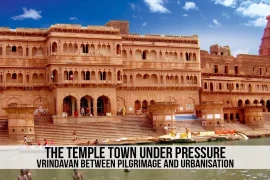
Image 1- Hindu Sacred spirituality Importance, Article – Protecting the Sanctity of Sacred Spaces. [Photograph], (n.d.). Retrieved from website: – www.igaurvmahajan.in: https://igauravmahajan.in/protecting-the-sanctity-of-sacred-space/
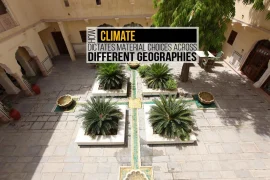
Image 2 – Architectural Elements and Human Physiology, Article – Psychology of Architecture: Impact of spaces on our behavioural and emotional patterns [Photograph], (n.d). Retrieved website: – www.thedecorjournalindia.com:https://www.thedecorjournalindia.com/psychology-of-architecture-impact-of-spaces-on-our-behavioral-and-emotional-patterns
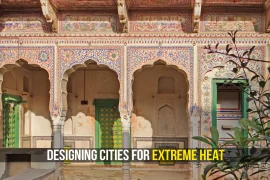
Image 3 – Sacred Spaces & Nature, Landscape, Article – Green spaces designed with intent. [Photograph], (n.d). Retrieved website: – www. naturesacred.org: https://naturesacred.org/our-work/product-design/
Image 4 – Hindu Temples, [Photograph], (n.d). Retrieved website: – www.quora.com: https://quora.com/What-is-considered-the-most-sacred-site-in-Hinduism