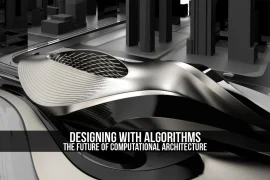
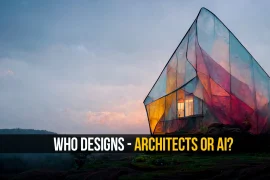
Pushing the boundaries of conventional design, experimental architecture investigates novel approaches to the built environment and questions established beliefs. The nexus of experimental and futuristic architecture has emerged as a hub for innovation and investigation as the architectural landscape changes. We delve into the vibrant and ambitious realm of experimental architecture and its capacity to fundamentally alter our understanding of and interactions with the environments around us, encompassing sustainable advances, technology breakthroughs, and real-world case studies. Experimental architecture pushes the envelope and questions established norms and conventions in the design and construction industry. It all comes down to thinking creatively, or in this case, creatively beyond the plan, to build buildings that accomplish a task while simultaneously arousing curiosity and admiration. Attempting to be unique, experimental architecture frequently uses unusual materials, forms, and ideas to alter our perceptions of structures and places.
Evolution of Futuristic architecture
When compared to the elegant, spaceship-like designs of the mid-20th century, futuristic architecture has evolved significantly. These days, ecological innovation is more important than flying automobiles, with an emphasis on combining form and function. The goal of futuristic architecture is to design visually arresting, technologically sophisticated, and ecologically concerned homes.

The Atomium is a symbol of freedom and development as a result of scientific advances. It demonstrated what could be done with cutting-edge technologies at the time and established benchmarks for the building industry’s technical advancement. Stainless steel makes up the whole of the construction. The spheres are linked by escalators and pipes and organised in a grid arrangement. For a very long period, the Atomium had the world’s longest escalators and quickest elevator. Not only was it a brilliant technical and architectural concept, but it was also skilfully constructed. Atomium gained so much popularity because of its symbolic significance that the city decided to purchase it and preserve it as a monument of Brussels. Presently, displays within the spheres showcase the factors that influenced science throughout the 1950s and the process of creating the Atomium.
Technological Advancements Shaping the Future of Architecture
Building Information Modelling (BIM) is one example of how digital technologies are changing the architectural profession and proving that the digital revolution has not left it behind. With the use of advanced programs, architects can now assess building performance, see their concepts in three dimensions, and expedite the building process. This technology change is enabling architects to realise their experimental concepts more precisely and effectively.
Virtual reality (VR) and augmented reality (AR) are becoming essential tools in experimental architects’ toolboxes, not merely catchphrases. These technologies enable designers to immerse themselves and their clients in virtual settings, delivering a realistic glimpse of how a building will seem and feel before it is completed. AR and VR are improving design, encouraging more teamwork, and assisting in bringing futuristic ideas to life.

The Museum of Future in Dubai is an outstanding example of an experimental building that pushes the limits of structural engineering. This project questions the norms surrounding the construction and perception of buildings by challenging conventional ideas of form and function. The Museum of Future presents a futuristic vision that blurs the boundaries between art and architecture via the creative use of materials and state-of-the-art technical processes. In addition to drawing attention, its unusual design sparks discussions on the potential of architectural innovation.

Innovative design techniques have become more popular in the field of experimental architecture to rejuvenate old structures. Architects promote sustainability and revitalise architectural legacy via the creative reuse of pre-existing structures. This method gives old structures a feeling of modernism and utility while also preserving their unique characteristics. Experimental architects recreate the past via adaptive reuse, resulting in a harmonic combination of innovation and tradition that appeals to modern sensibilities.
The practice termed “biomimicry,” which takes inspiration from nature to overcome difficult design problems, is becoming common in futuristic architecture. Architects design structures that improve efficiency and sustainability while also blending in perfectly with their surroundings by modelling natural shapes, processes, and systems. A future where nature and architecture dwell peacefully is seen via biomimetic techniques in architectural projects, which range from facades inspired by the fractal patterns of leaves to buildings that mirror the durability of spider silk. Through the integration of features like natural light, vegetation, and organic materials, architects design environments that foster productivity, well-being, and sustainability. In addition to improving a building’s appearance, biophilic design lowers stress levels, improves interior air quality, and raises occupant contentment among occupants.

We can undoubtedly anticipate more fascinating building projects in the future that will elevate both our living conditions and the construction sector to new heights. Concepts for urban development, such as underground cities or even vertical forests, will be more and more important in the near future. One of the best examples of the originality and creative energy that will continue to influence our built environment in the future is experimental architecture. Experimental architecture challenges our beliefs about how people live and interact with architectural spaces by combining sustainability, cutting-edge design principles, and new technology. The way experimental and futuristic architecture is evolving makes it clear that these innovative techniques are necessary to create built environments that are more visually beautiful, functional, and long-lasting for coming generations.
References:
- Lucia Ruthe “Architecture of the future: Futurism” (2023). Is experimental architecture also futuristic? [Online. (Last updated on 16 Nov 2023). Available at: https://www.dlubal.com/en/news-and-events/news/blog/000139 [Accessed on 17 May 2024].
- Valeria Montjoy “Overcoming design challenges with Technology: Museum of future in Dubai” (2022). Is experimental architecture also futuristic? [Online. (Last updated on 23 June 2022). Available at: https://www.archdaily.com/983458/overcoming-design-challenges-with-technology-museum-of-the-future-in-dubai [Accessed on 17 May 2024].
- Futurism in Architecture and other trends shaping the industry (2024). Is experimental architecture also futuristic? [Online. (Last updated on 19 April 2024). Available at: https://plusrender.com/futurism-in-architecture-and-other-trends-shaping-the-industry/ [Accessed on 17 May 2024].