Introduction
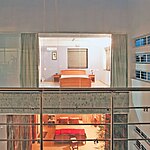
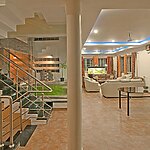
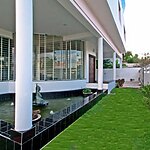
Located in the bustling town of Thiru Nagar, Moolakulam, Pondicherry, Batmanabanes House marked a significant milestone in Architectural innovation. The sustainable and Vaastu-based Batmanabanes House was designed by Castelino & Marchese Architects & Associates. Pino Marchese & Sheril Castelino are the principal Architects. This private residence was constructed in 2008 and is a square-shaped plot. The design philosophy of the structure is to follow Vaastu and embrace the modernity of the world to create an elegant design.
The planning of the house was characterised by giving attention to open planning, and sustainable design. The Architects took inspiration from Tamil architecture and added elements such as courtyards, and sloping roofs.
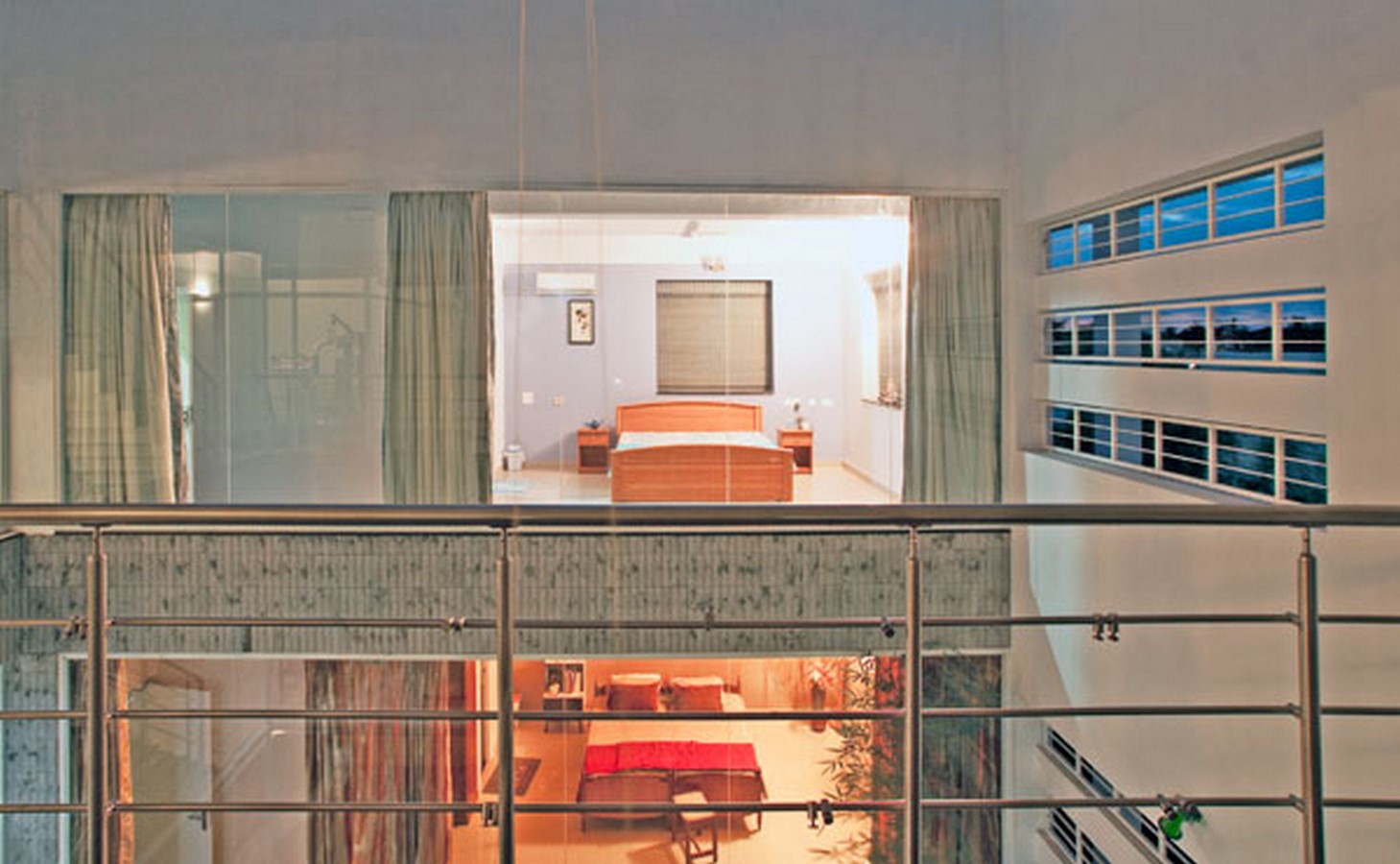
The client also wanted to incorporate ‘Understated Elegance’ while keeping eco-friendly principles. Natural light and ventilation, for example, were investigated to improve the overall mood of the home while encouraging sustainable living practices.
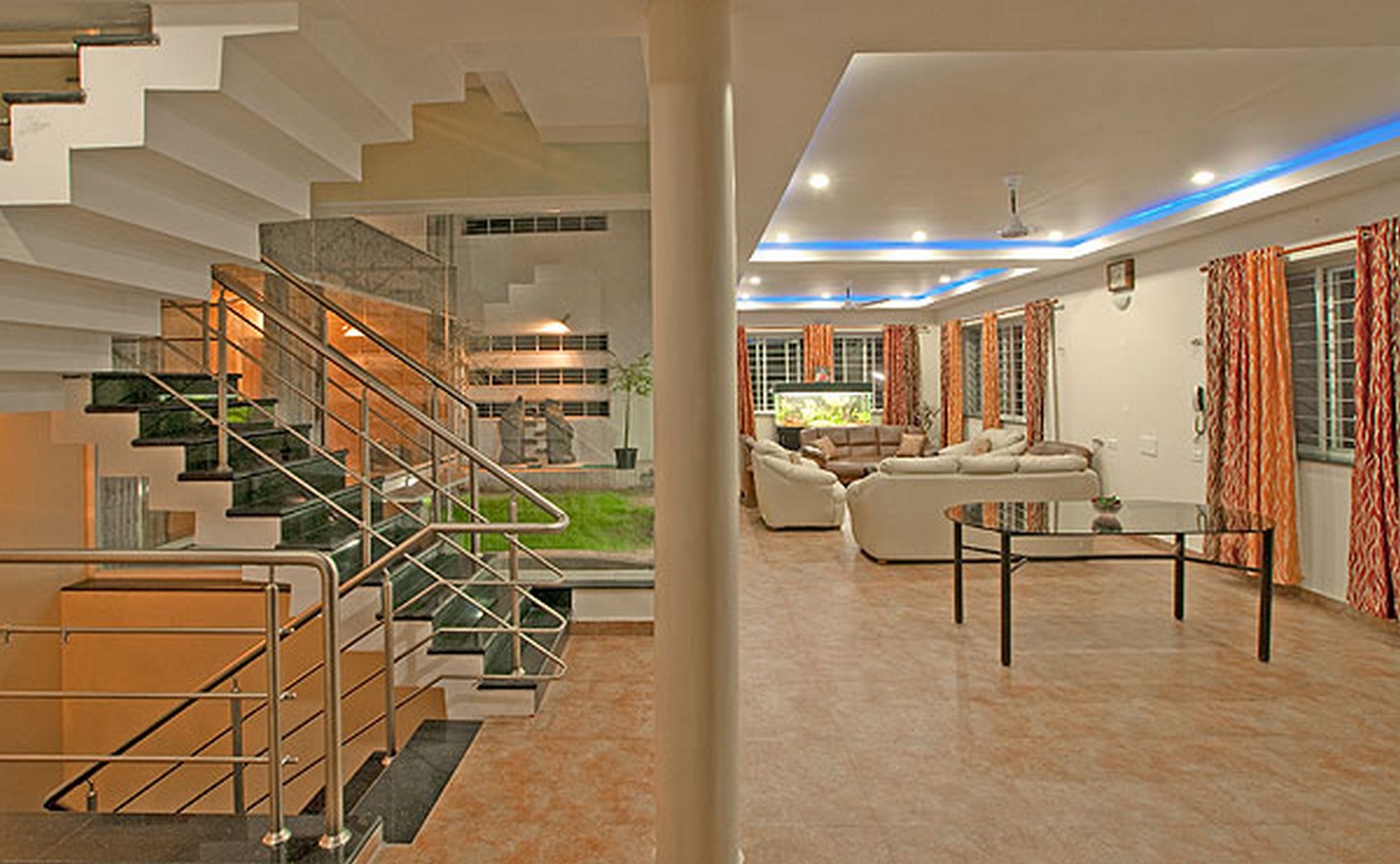
Furthermore, the house’s design was intended to enable seamless connectivity between indoor and outdoor areas, allowing residents and guests to enjoy the beauty of their surroundings at every turn by utilising an open interior plan. This comprehensive design approach demonstrates a great regard for the environment and a desire to create settings that nourish the soul while fulfilling the client’s needs.
Materials & Construction
The construction of the Batmanabanes house pushed the limits of traditional craftsmanship. Various factors like availability of the materials, budget, and reliability were considered for getting various materials. The overall area of the site is 500 sq. m and the design budget was 75 lacs. It was a great challenge to construct the double-storied building in a tight site. The geometry had to be elevated on the building on pilotis. The contracting was done locally.
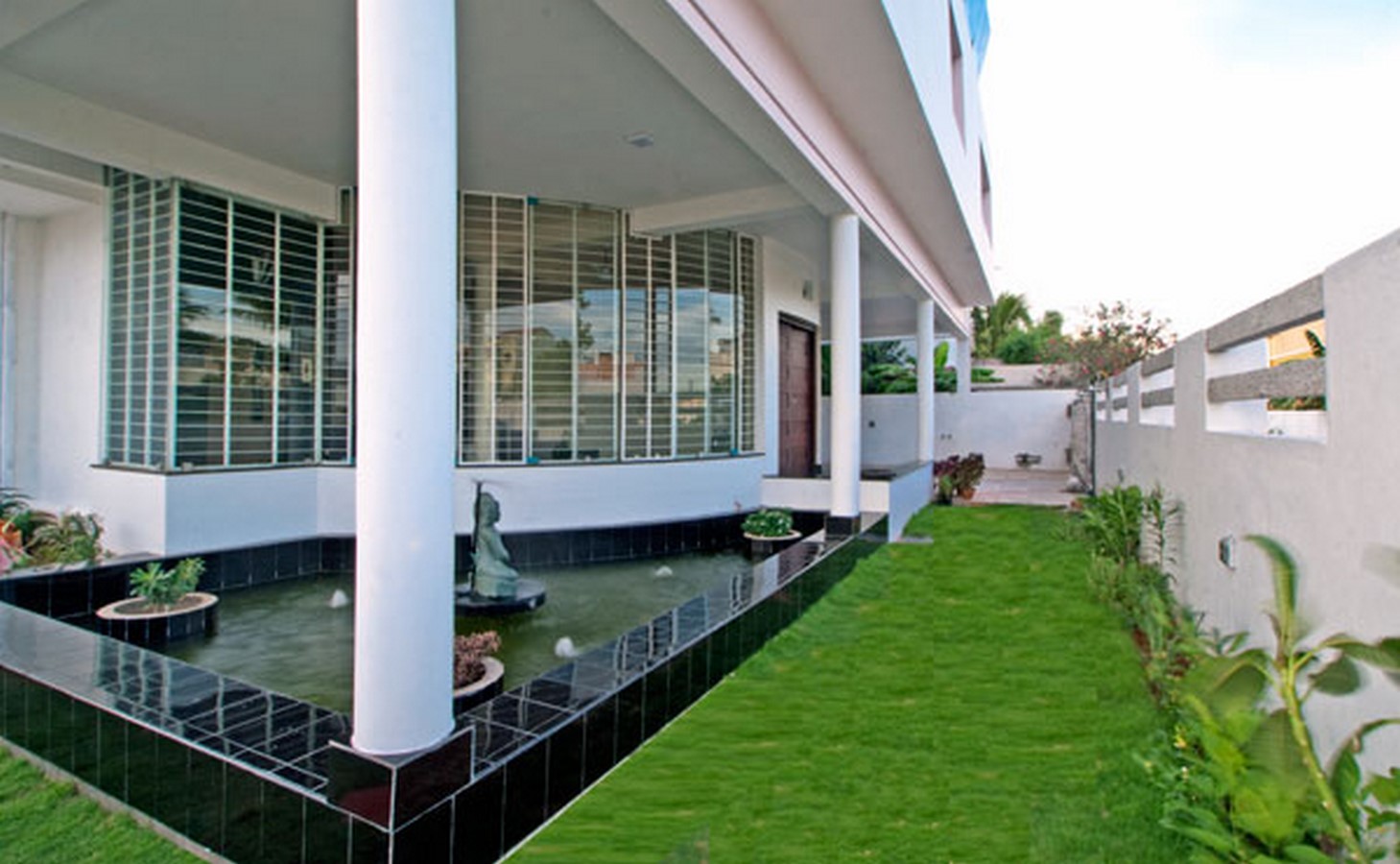
The facade of the building is covered with solid colours like Pink and White with other design elements like slanted glass openings. The house was for two people only, so maximum transparency was achieved through planning and design to make use of the maximum space.
The Architects aimed to give the structure a contemporary perception by combining classical aesthetics with modern materials and construction processes. This blend of old and modern resulted in a truly original architectural statement that respects the past while also embracing the future.
On the first floor, there is a green space that is open to the sky to achieve eco-friendly practices.
Sustainability:
One of the most creative characteristics of Batmanabanes House is the utilisation of renewable energy technology. The house has solar panels on the roof, which collect the solar rays and reduce the monthly electricity bills for the house owner. These futuristic approaches were thought of back then to decrease the deteriorating environmental situation.
The Architects designed it in such a way that rainwater harvesting methods to be implemented to collect and use for irrigation, toilet flushing, and any other purposes. This not only conserves valuable water supplies but also decreases the pressure on municipal infrastructure, establishing Batmanabanes House as an example of communal sustainability.
Every aspect of the project, from material selection to the use of energy-efficient technology, was carefully addressed to reduce its environmental impact.
Apart from using sustainable building materials and renewable energy, Batmanabanes House uses passive cooling design principles to increase comfort and energy efficiency. The house was oriented in such a way that it receives more natural light and ventilation while minimising the usage of artificial lighting and mechanical cooling like AC in the house.
Conclusion:
It is not just about the appeal and relevant developments; Batmanabanes House is also a symbol of sustainability in the neighbourhood. Every component of the house is environmentally conscious, from solar panels on the roof to rainwater-collecting devices buried beneath its surface.
What distinguishes Batmanabanes House, however, is its power to inspire change. Presenting the possibility of sustainable living and design creates discussion and encourages others to reconsider their approach to building and construction. Instead of focusing only on their aesthetic appeal and culture , the Architects have incorporated sustainable principles too. It shows their dedication towards their principles.
In a world where development frequently comes at the price of tradition and the environment, Batmanabanes House serves as a reminder that it is possible to build for the future while preserving the past. It represents optimism, creativity, and human ingenuity’s ability to make the globe a better place for future generations.
The Batmanabanes House acts as an example of sustainable living in the neighbourhood, by conducting educational programs on themes such as organic gardening, and water saving. By interacting with both inhabitants and tourists, the house hopes to promote good change and build a sustainable culture in Pondicherry and beyond.
Finally, Batmanabanes House shows creative design, sustainable construction, and cultural preservation. It symbolises the essence of Pondicherry and paves the way for a more sustainable future by thoughtfully integrating tradition and modernity.
Citations for images –
1,2,3 . Batmanabane’s house, Moolakulam, Pondicherry 2008/9 (2013) Castelino Marchese. Available at: https://castelinomarchese.com/portfolio/batmanabanes-house-moolakulam-pondicherry-20089/ (Accessed: 23 February 2024).