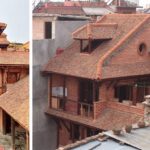
In regions ravaged by earthquakes such as Nepal, heritage and cultural buildings are constantly under threat of destruction. Traditional Nepalese architecture reached global interest especially in the 2015 Gorkha earthquake in central Nepal, with damage of more than 600,000 structures. The Shilpakar family took this opportunity to re-imagine their home and make Sikami Chhen a reality. With its traditional Newari style architecture and hand-crafted wood details, this beautiful home received worldwide recognition by receiving the UNESCO 2023 Asia-Pacific Awards for Cultural Heritage Conservation.
Utilizing Traditional Techniques and Local Resources
Sikami Chhen is located in Bhaktapur, Nepal which is well known for ancient arts, cultural traditions, and architectural masterpieces of ancient temples, pagodas, monuments, and squares. This location sits within the UNESCO World Heritage site of Kathmandu Valley, and there is no doubt that Sikami Chhen lives up to this heritage.
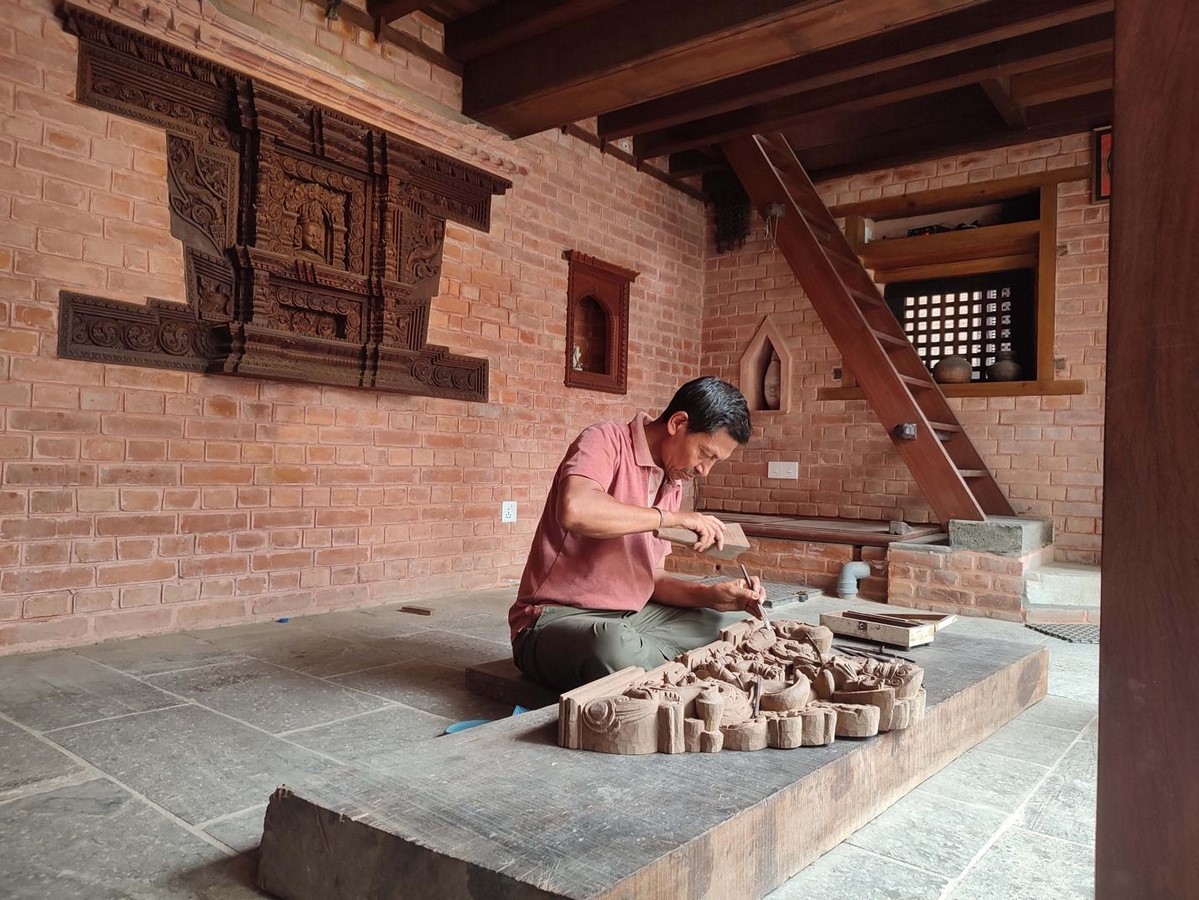
The name Sikami Chhen pays tribute to the si kami community, which is a sub-community within the larger Newar community, traditionally known for artisan craftsmanship and builders of famous temples and shrines of Kathmandu. The Shilpakars gained their reputation through mastery of traditional wood craftsmanship through many generations. Indra Kaji Shilpakar (61) learned wood carving at the young age of 12 and made his career out of wood craftsmanship. He passed down his wood carving expertise to his son, Indra Prasad Shilpakar (42), from an early age. Indra Prasad developed his skills into a flourishing wood craftsman by building private residences, renovating noteworthy temples, and showcasing his talent nationally and internationally in exhibitions and heritage restoration projects. His sister Rabita Shilpakar is an architect and is involved in the restoration of the famous Bhaktapur Durbar Square. Using their combined expertise in wood traditional techniques and architecture, this family ventured to re-envision and design their new dream home.
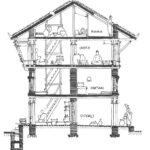
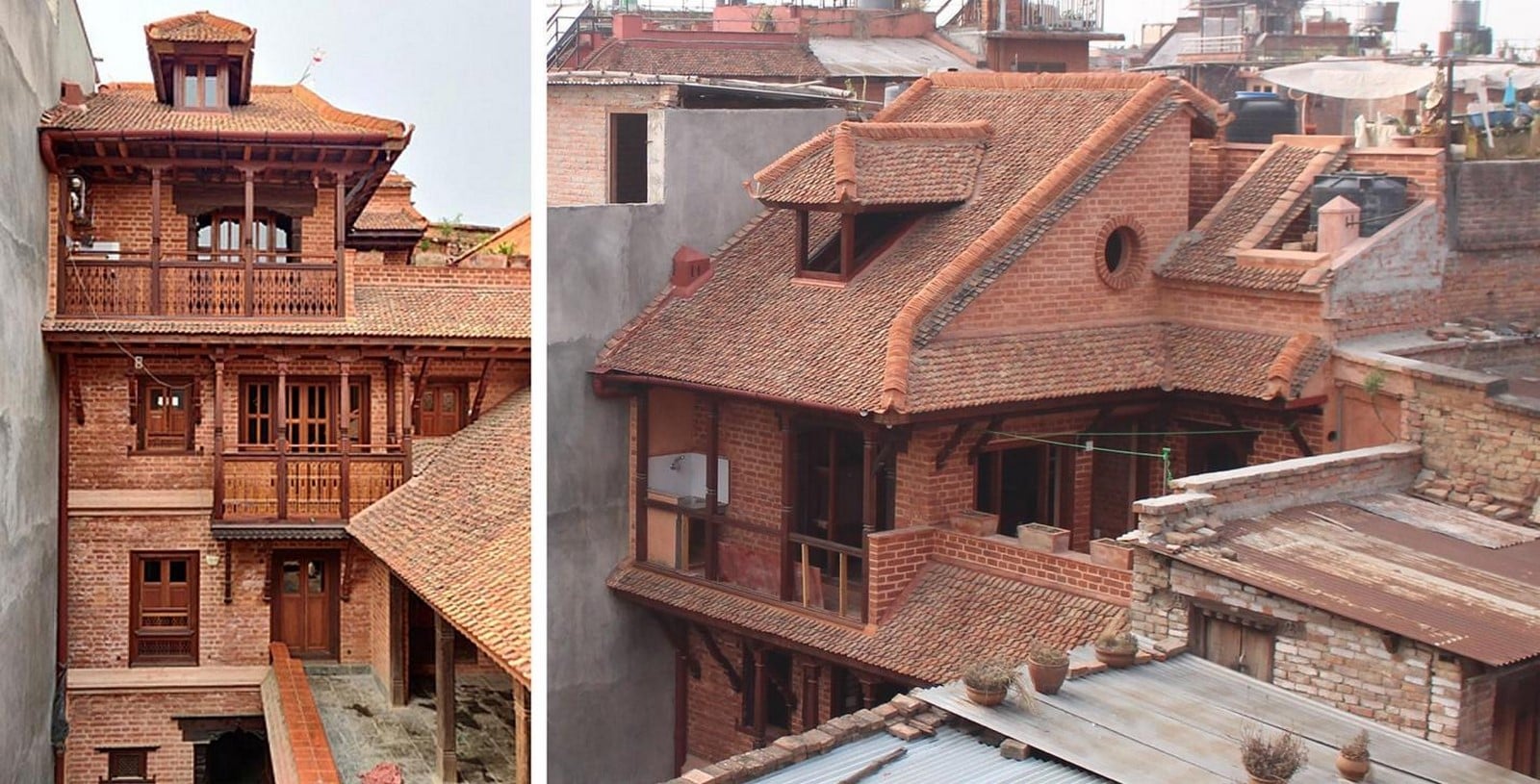
The Shilpakars drew inspiration for Sikami Chhen from their older house built 20 years ago. The original main house, a nearly 200-year-old residence at the time, experienced hairline cracks in the 2015 earthquake. The family boldly rebuilt the house from the ground up to make a new and improved structure. Sikami Chhen consists of four floors (chyali, matan, chota, baiga), consistent with traditional layouts of Nepali houses. Typical traditional building materials in Newari architecture were used, such as sun-dried bricks, mud mortar, and wood and clay-tiled roofs. Most materials were locally sourced, and elements from the existing old structure were repurposed, most notably wood pillars dating back 300 years. Doors, balconies, and other wood details throughout are beautifully hand-carved with meticulous detail. Newar wood carving is famous for the most elaborate decorations in the world.

Community Involvement and Engagement
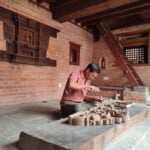
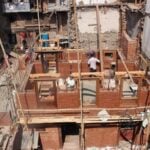
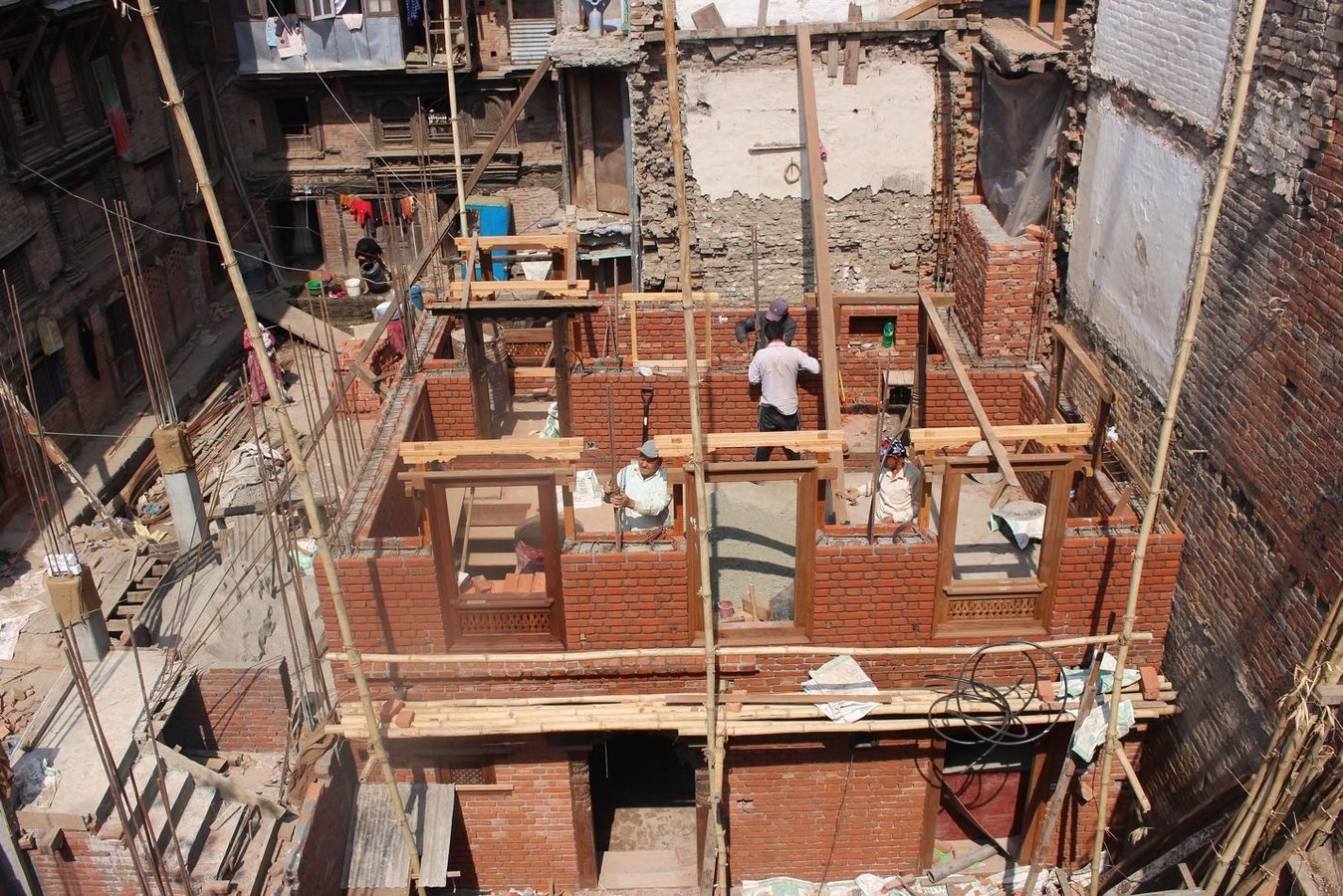
Sikami Chhen was built by hand, brick by brick, by the Shilpakars with help from the local community. They began construction in December 2021 and completed it in 18 months. Involving the community provided the Shilpakars the opportunity to actively teach their extensive knowledge on-site. The newly built structure also includes an in-situ workshop to showcase the family’s wood craftsmanship. Wood carving tools used by Shilpakar’s ancestors are also displayed throughout the house.
The house is remarkably located adjacent to the main entrance of the Bhaktapur Durbar Square, which is also recognized as an important historical site by UNESCO. The Shilpakars hope to open Sikami Chhen to the public in the future to educate the local architectural industry and community to learn from this building and perhaps replicate this style.
Today, Bhaktapur youth are not too keen on becoming wood craftsmen, as the skill requires life-long devotion and apprenticeship to master. The 2015 earthquake and newly constructed buildings like Sikami Chhen bring renewed interest to the craft and artisan profession. Thus, Sikami Chhen carries an authentic portrayal of Newali architecture and provides a living legacy for future generations.
Integration of Modern Engineering
While Sikami Chhen maintains historical significance with local building materials and techniques, modern structural engineering was also integrated to maintain the structural integrity of the building in case of future earthquakes or other natural disasters. While the brick walls provide load-bearing support, it is also reinforced inside with steel rebar for seismic protection. The timber-frame roof was also built meeting new stringent safety regulations set by the Nepal government. The structure prioritizes seismic protection and yet maintains overall vernacular architectural language to preserve the unique characteristics of Newali architecture.
The 2015 Gorka earthquake led to a huge loss of significant works of architecture. Unfortunately, older traditional Newari architecture experienced the most damage. The urban fabric of Bhatapur and the greater Kathmandu Valley has also been shaped by rapid modernization. This has led to new residential buildings of concrete and steel frame construction. The historical urban fabric has therefore changed dramatically. Sikami Chhen pays tribute to the wood carving craftsmanship tradition and is a cultural landmark for Nepal. It brings cultural identity to this region and its recognition by UNESCO highlights the importance of continued preservation of traditional building techniques for future generations.
References:
Bajracharya, Nasana. “Sikami Chhen: A Dream of One Family, Inspiration for Many – Online Khabar English News.” Onlinekhabar, 3 Jan. 2024, english.onlinekhabar.com/sikami-chhen-unesco-nepal.html. Accessed 4 Feb. 2024.
“Bhaktapur: An Enchanting Journey through Nepal’s Ancient City | Bhaktapur.com.” Www.bhaktapur.com, 17 Nov. 2023, www.bhaktapur.com/bhaktapur-nepal-ancient-city/.
Prine Pauls, Elizabeth. “Newar | People.” Encyclopedia Britannica, www.britannica.com/topic/Newar.
Rafferty, John. “Nepal Earthquake of 2015 | Magnitude, Death Toll, Aftermath, & Facts.” Encyclopædia Britannica, 18 Apr. 2018, www.britannica.com/topic/Nepal-earthquake-of-2015. Accessed 5 Feb. 2024.
Subedi, Jigyasa. “Traditional Newari Architecture and Urban Planning.” ArcGIS StoryMaps, 20 Dec. 2021, storymaps.arcgis.com/stories/31d22c097bf44556b26e3228385ca780. Accessed 4 Feb. 2024.
Times, Nepali. “Learning from Nepal’s Past to Rebuild Its Future.” Nepalitimes.com, 8 Feb. 2019, nepalitimes.com/banner/learning-from-nepals-past-to-rebuild-its-future. Accessed 4 Feb. 2024.