Source: Wikimedia
In the heart of the urban evolution of New Delhi, Bikaner House stands as proof of India’s rich history and architectural legacy. Initially built as a royal residence, its historical origins are firmly intertwined with the cultural tapestry of the area. Nowadays, it’s not just a reminder of the past; it has transformed into a modern-day destination for tourists, offering them a unique fusion of history and modernity.
Bikaner House was constructed in the early 20th century in India and coincided with the very last ranges of British rule and the growing choice for independence. The period also witnessed the prosperity of princely states. Bikaner was one of such princely states from the desert region of Rajasthan. The rulers of Bikaner built costly places, which intertwined artistic and architectural interests. They also promoted social housing, addressing social needs. Originally serving as the residence for the Maharaja of Bikaner, Bikaner House showcases the grandeur associated with princely states.
Source: Wikimedia
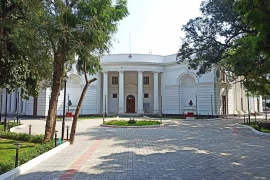
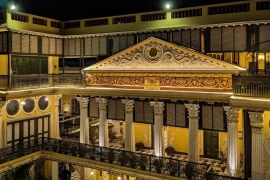
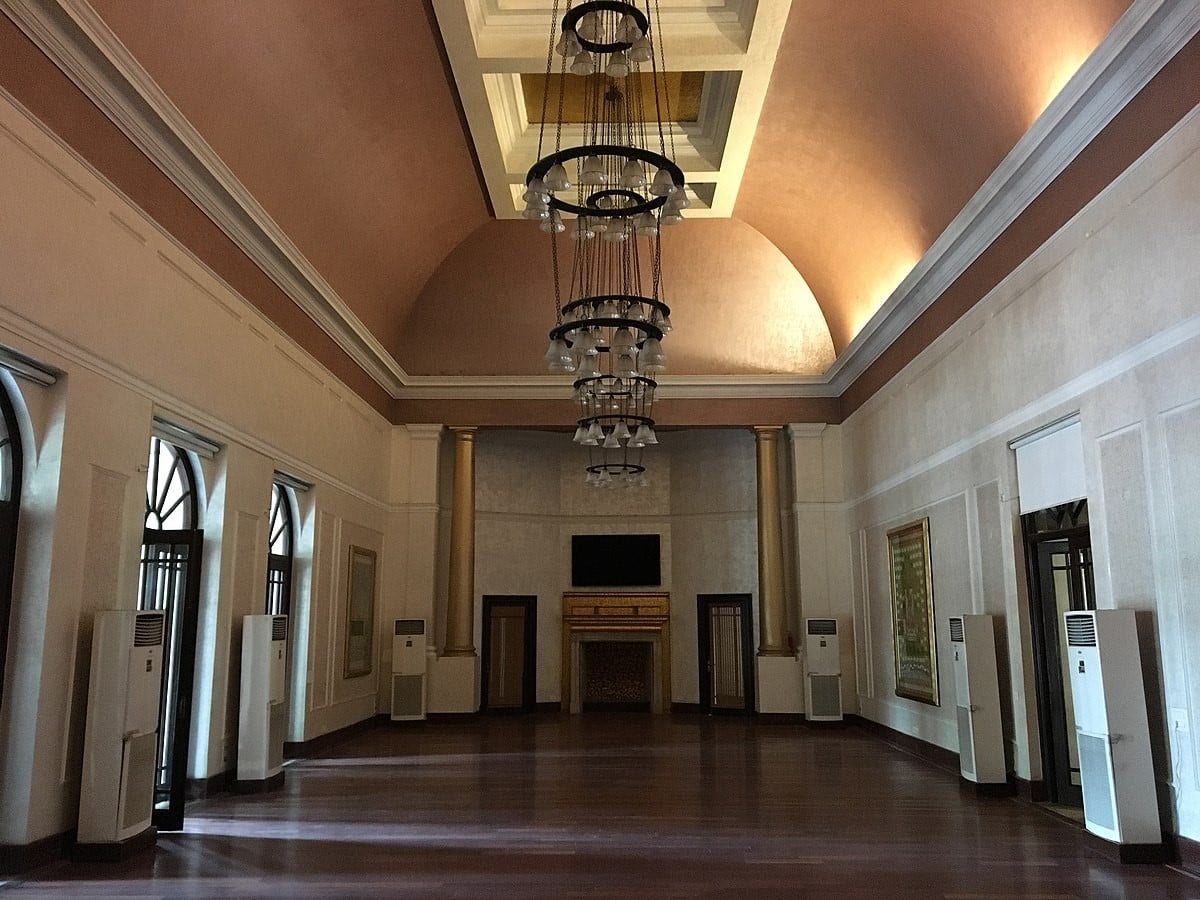
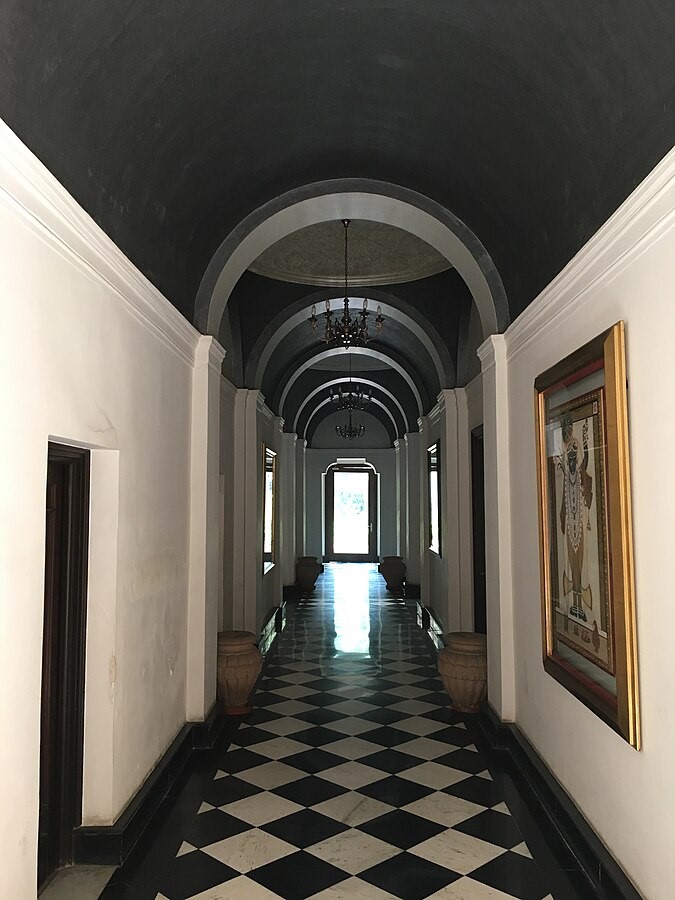
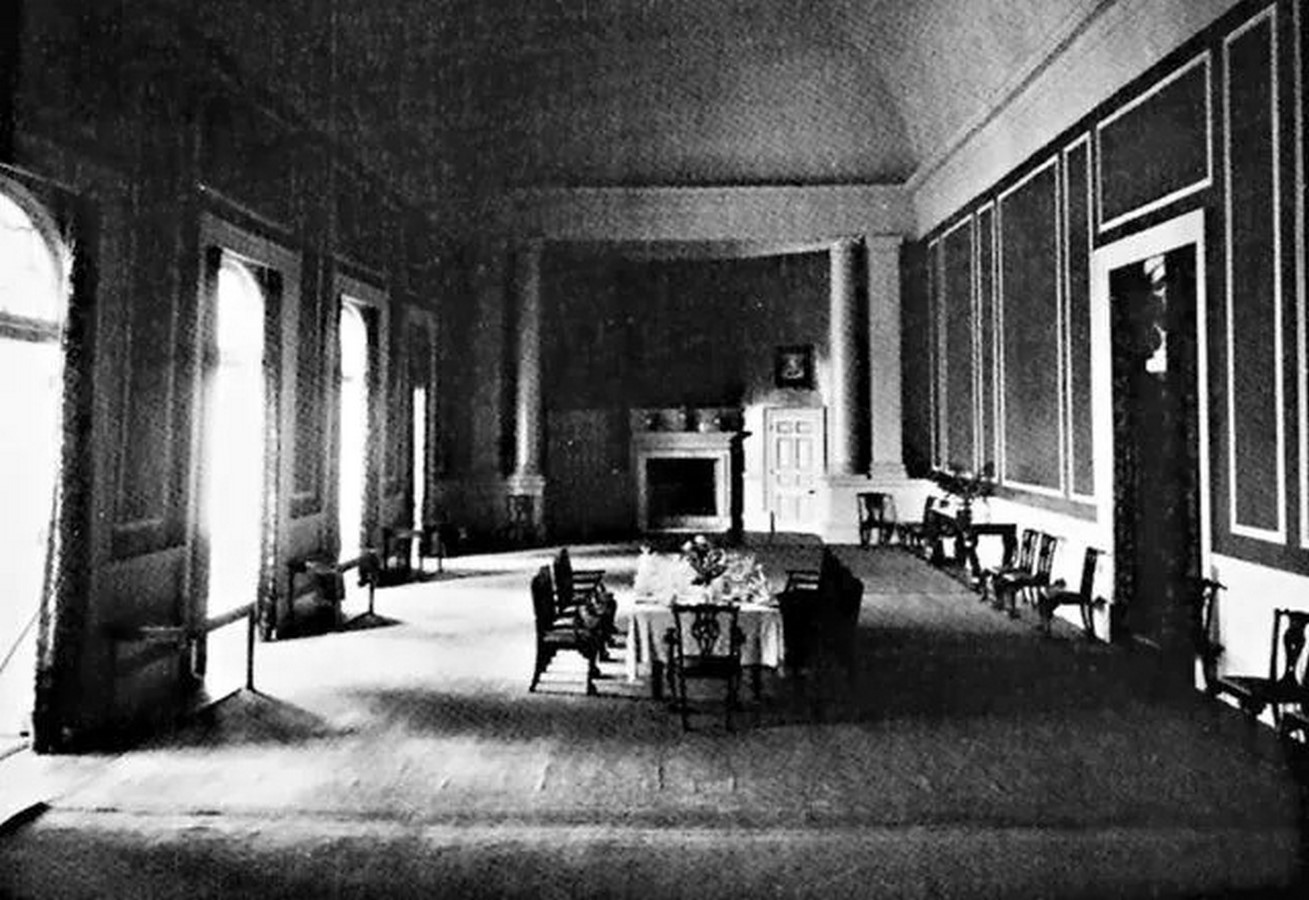
The architecture of Bikaner House is captivating with a mixture of Rajput and colonial patterns. The outdoors of the building, decorated with tricky carvings, domes, and jharokhas, embodies the essence of Rajput style. At the same time, using arches, colonnades, and European elaborations pays homage to the colonial impact. The interior layout of Bikaner House, characterized by complex detailing and majestic staircases, provides a vintage feel to the interior. This architectural style stands as a reminder of the transitional period in India’s history.
Source: Hindustan Times
Beyond its architectural splendor, Bikaner House performed a pivotal function within the social and political landscape of its time. It served as a vital hub for royal occasions and cultural celebrations, showcasing the grandeur of the ruling class. Simultaneously, it acted as a tremendous venue for political opinions, hosting crucial discussions and selections that groomed the future of the princely kingdom. The walls of Bikaner House witnessed the intersection of power, influencing the broader narrative of Bikaner’s socio-political landscape during the transformative era of the country. Bikaner House serves not only as a relic of the past but also as a living testament to the significant impact architecture can have on culture, society, and governance.
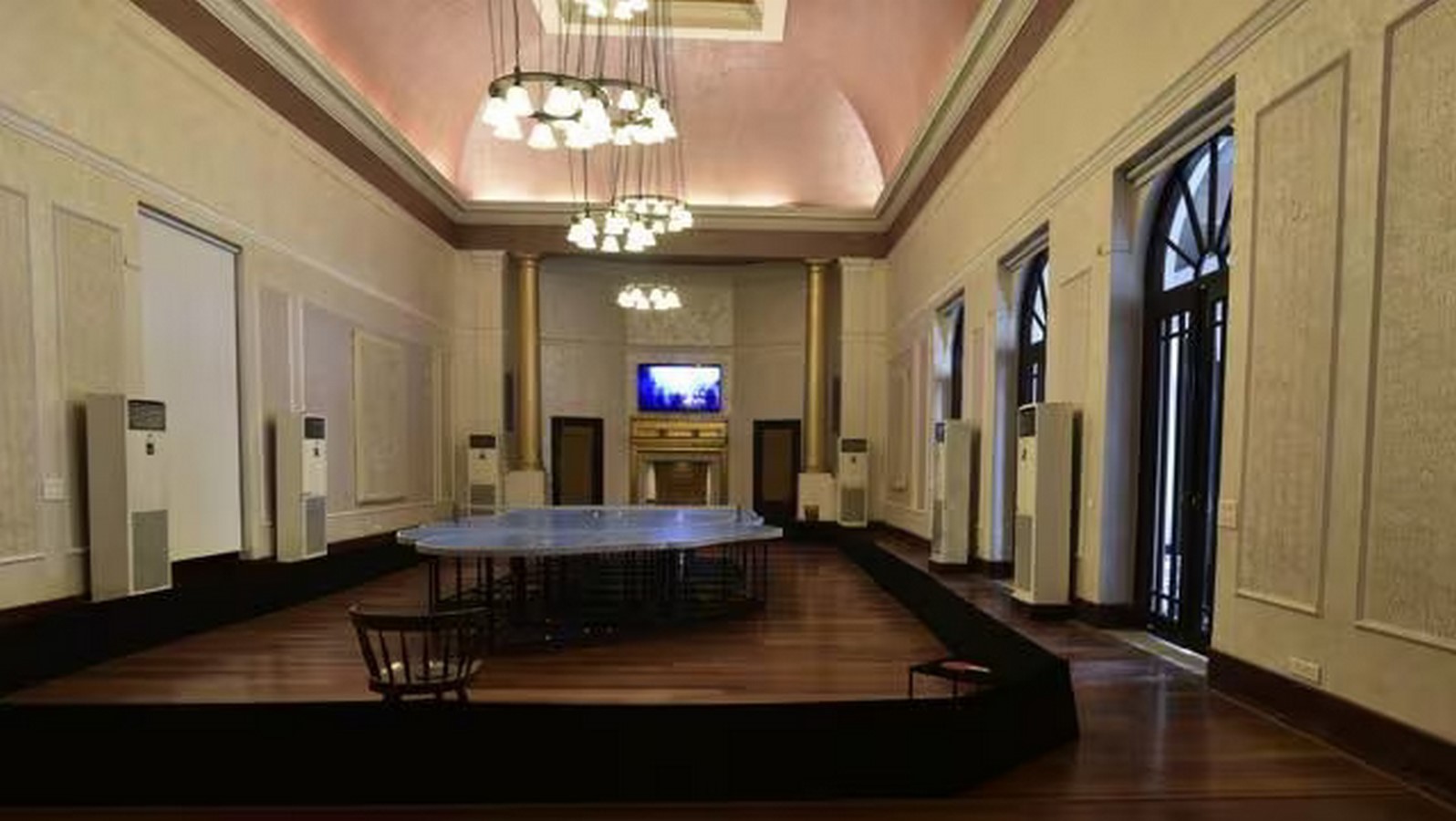
Bikaner House has left a lasting impact on its city surroundings, subtly influencing the individuals in the area. Originally designed for royalty, its brilliant adaptation to modern city life is evident. The building, with its historical significance and architectural allure, seamlessly blends into the changing cityscape. Beyond its visual impact, Bikaner House has become an essential part of local tourism. The government did a restoration on the property, making it available for exhibitions, cultural occasions, and social gatherings. The restoration not only preserves its history but also paves the way for economic activity. Its prime location and cultural significance contribute to a vibrant urban environment, showcasing how historical landmarks can play a crucial role in a city’s economic and cultural vitality.
Source: Wikimedia
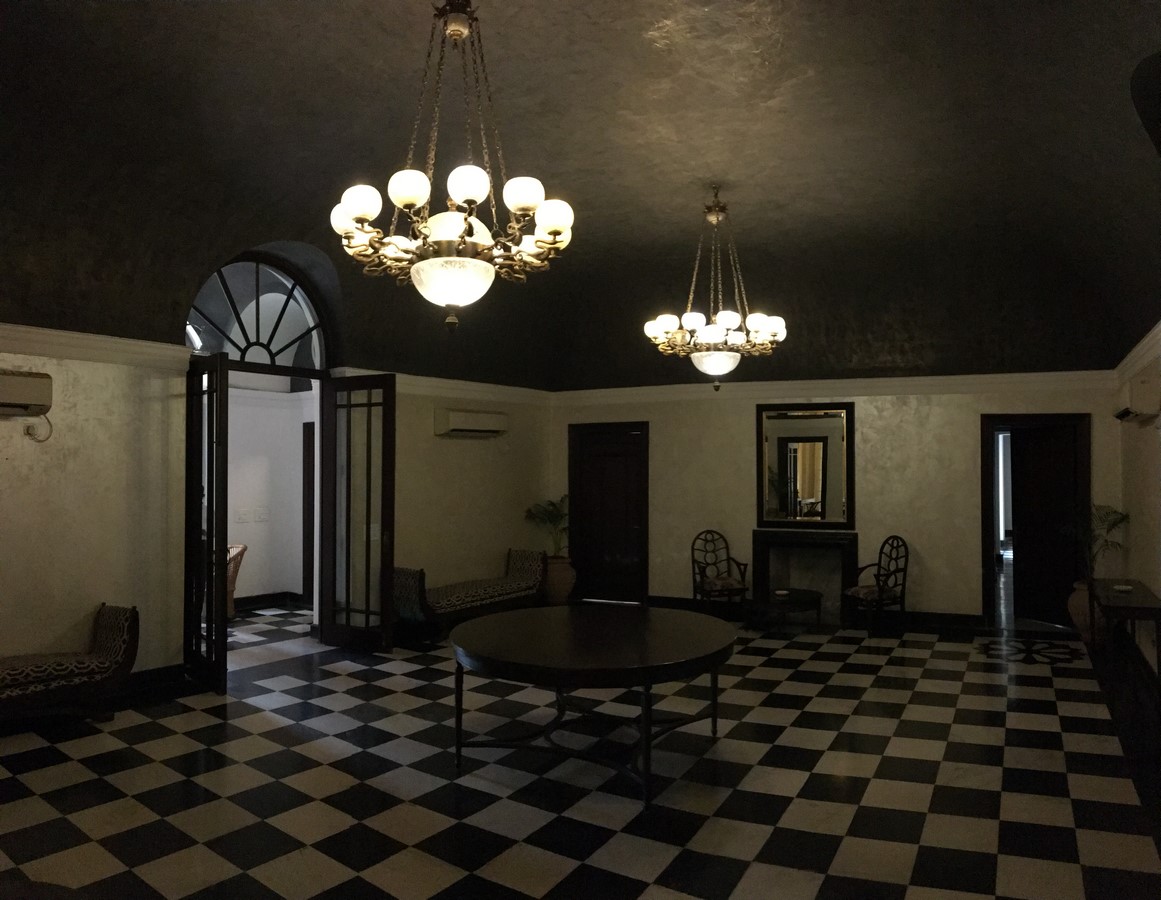
Bikaner House has been transformed into a captivating tourist destination for numerous reasons. Its historic origins, awesome structure, and adaptive repurposing all contribute to its recognition. The attraction lies inside the seamless fusion of conventional Rajput and colonial influences, imparting site visitors with a unique glimpse into the architectural and cultural evolution of India. The grounds and interiors of the house show off a number of sights, from intricate carvings and majestic staircases to properly preserved artifacts from the era of royalty. Cultural events, exhibitions, and the house’s role as a cultural hub further enhance its appeal. Visitors experience a journey through time, immersing themselves in the grandeur of the past while appreciating Bikaner House’s ability to thrive in the present. The combination of history, architecture, and contemporary cultural activities makes it a significant destination, showcasing the timeless allure of India’s heritage. The House is open all day for visitors.
Source: Hindustan Times
Bikaner House is a timeless testament to India’s history and architectural beauty. The combination of Rajput and colonial influences in its design not only captures the richness of a bygone era but also captures the adaptability and cultural integration that defined the early 20th century. As a living monument, seamlessly integrated into the modern urban fabric, Bikaner House has become a beacon of cultural and economic strength. As visitors explore the ornate interiors, grand staircases, and cultural offerings, they are not merely witnessing a relic of the past but actively engaging with a living narrative that continues to shape the identity of its surroundings. Bikaner House, with its timeless charm, remains an iconic symbol, inviting all to marvel at the intersection of history and contemporary vibrancy.
Image Links:
- https://commons.wikimedia.org/wiki/File:Bikaner_House_2019_(7).jpg
- https://commons.wikimedia.org/wiki/File:Bikaner_House_2019_(3).jpg
- https://images.hindustantimes.com/rf/image_size_640x362/HT/p2/2017/02/18/Pictures/_06b6b61e-f5ea-11e6-8b6e-25a65c287ec4.jpg
- https://commons.wikimedia.org/wiki/File:Bikaner_House_2019_(5).jpg
- https://images.hindustantimes.com/rf/image_size_640x362/HT/p2/2017/02/18/Pictures/bikaner-house_7c51bc52-f5ea-11e6-8b6e-25a65c287ec4.jpg
References:
- BikanerHouse |, https://bikanerhouse.rajasthan.gov.in/ . Accessed 1 February 2024.
- Kale, Ridhi. “Bikaner House has been revived and you have to see how gorgeous it’s looking.” India Today, 13 April 2016, https://www.indiatoday.in/magazine/supplement/story/20160425-reviving-lost-glory-bikaner-house-cultural-hub-rajasthan-chief-minister-vasundhara-raje-scindia-733546-2016-04-13. Accessed 1 February 2024.
- Kalra, Vandana. “Italian art exhibition brings together culture, politics at Bikaner House.” The Indian Express, 28 May 2023, https://indianexpress.com/article/cities/delhi/italian-art-exhibition-brings-together-culture-politics-at-bikaner-house-8632897/. Accessed 1 February 2024.
- Sharma, Manoj. “Bus terminus to a cultural hub: Delhi’s Bikaner House shows the restoration path.” Hindustan Times, 19 February 2017, https://www.hindustantimes.com/delhi/bus-terminus-to-a-cultural-hub-delhi-s-bikaner-house-shows-the-restoration-path/story-IcOk4XK3nCjzIkTY580s4O.html. Accessed 1 February 2024.