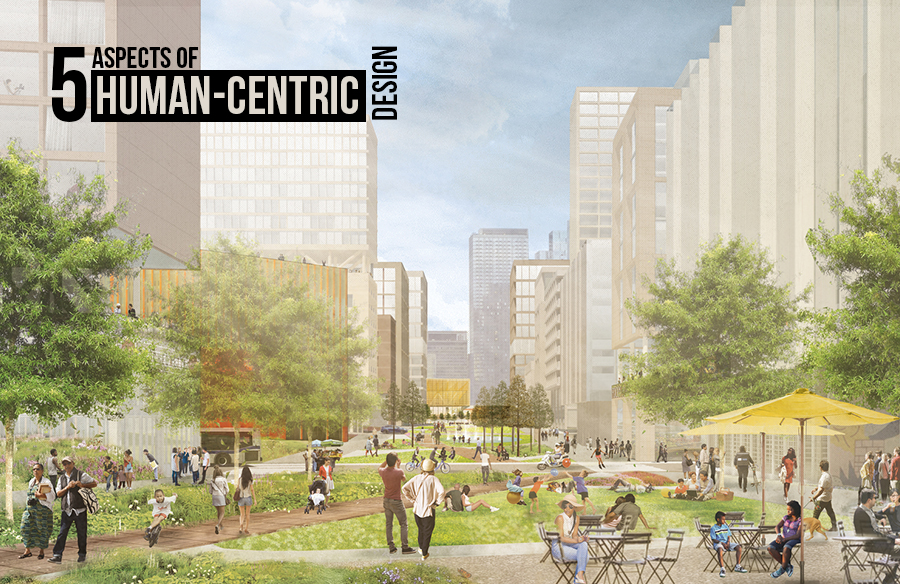
Architecture is the art of creating spaces that cater to every user. It is the ease and accessibility of a particular space and how well a user can communicate while creating an unforgettable space for them. Prioritizing human needs has to be the top priority of any designer as such to appeal to the user and make sure they are comfortable in such spaces.
As human beings, our entire day revolves around structures that are man-made and hence they help us with a certain directionality and a sense of belongingness and community. When put in an unfamiliar setting, it becomes the architect’s job to create spaces that will easily help the user understand and navigate the space. Hence a lot of different factors like space psychology and attention to detail come into play.
What A User Needs
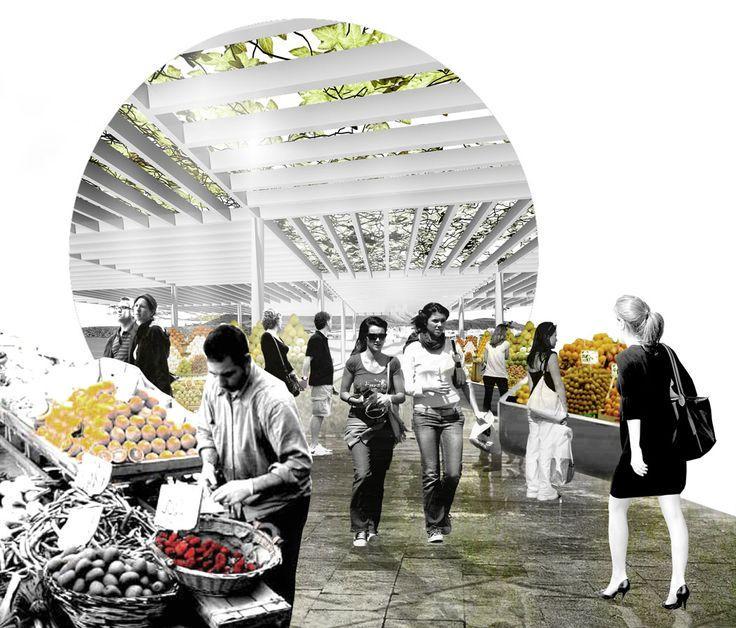
While answering the question as to how to create comfortable spaces the question that must be answered first is what exactly does a user require? Do they need their spaces to have a sense of grandeur or a sense of simplicity? Do they need their spaces to be isolated and given full privacy or do they need spaces that cater to a community as a whole? Again, the question that pops up is which space are we talking about? Different spaces require different sets of feelings and hence space consideration is the foremost and most important aspect that has to be considered. A hospital might require spaces that cater well to the human scale and take care of the anthropometry so that the patient feels comfortable. In contrast, a luxurious hotel might call for a grand entry that is probably thrice a normal room’s height! So, make sure you have the space requirement and user’s expectations from a space quite clear.
Flexibility And Adaptability
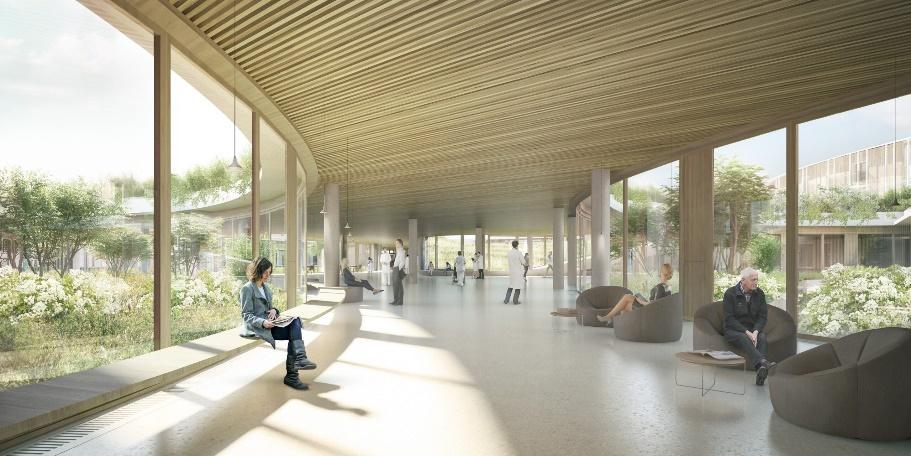
Nothing in life is constant, the evolution of a human being suggests the same. Human needs, wants and perceptions change a lot with time. Sometimes they may be drastic and abrupt quite smooth and eventual. It becomes a designer’s job to create such spaces that cater to the upcoming generation as well. The creation of settings that are quite adaptable to unforeseen circumstances and blend in easily with any given situation. A huge example is the COVID pandemic that took the world by force, including co-working spaces that allow a smooth work-from-home experience and become a must-have in every building being built across the world. Making sure that having spaces that will allow you to efficiently communicate in any situation is a must.
Sensory Experiences
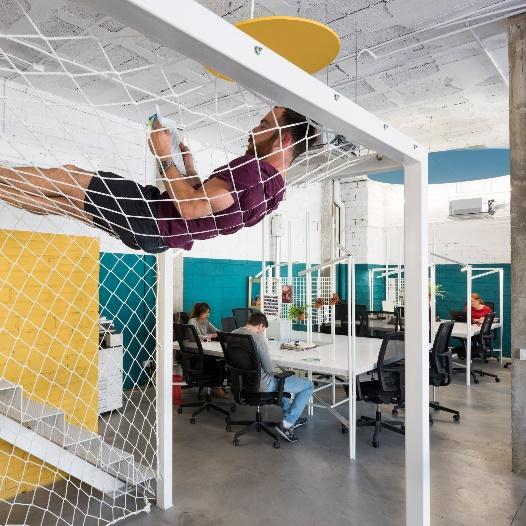
What is a human being without their 5 basic senses? nothing! Therefore, taking care of such sense becomes a guiding force for architects to include in their spaces. Using the right textures, materials, lighting, sounds, etc. can enhance their experience in any space and make them feel a certain way. For instance, natural lighting can instantly lift your spirits and can fill you up with positive forces whereas dull white light can often lead to low productivity. Sectors like commercial and healthcare rely majorly on sensory experiences to aid in the healing of the user or even increase the productivity levels of the employees.
Safety And Security
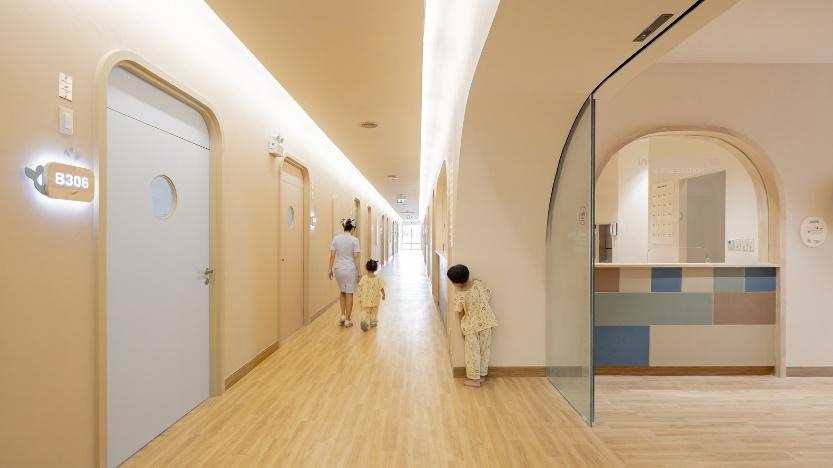
By birth, we also tend to double-check everything we do. This is because we want to take only safe and secure steps while working on anything. Safety and security become a huge factor that helps create important spaces. You can have multiple safety measures but if the architecture of the spaces doesn’t inculcate the feeling of belongingness in you the point of the security is instantly defeated.
Lighting plays a huge role here, as well-lit corridors and pathways will instantly help you feel more at ease. Emergency exits and building access plays a vital role in making the user feel secure. Having a good connection with the outside world is a plus point and the user be it a child or an elderly person, will instantly feel much more secure and aware of their surroundings. Constant people movement is also a plus point here.
Community Interactions and Engagement
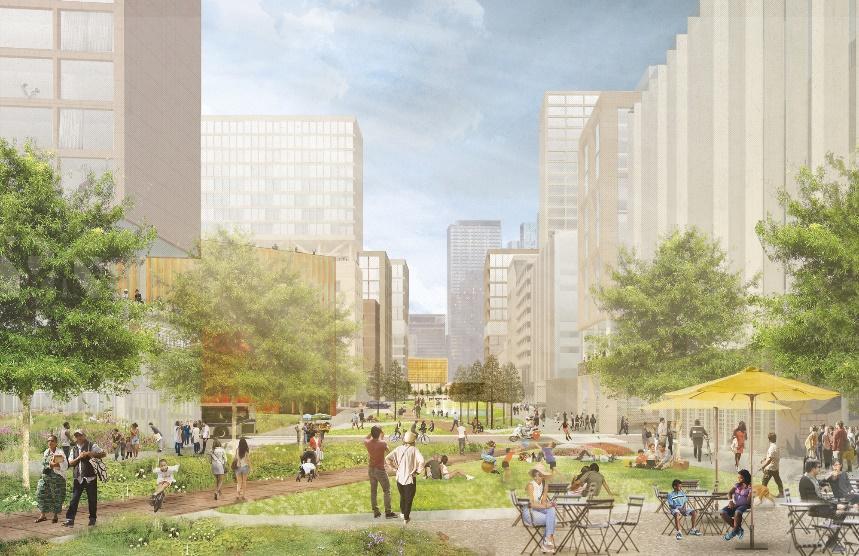
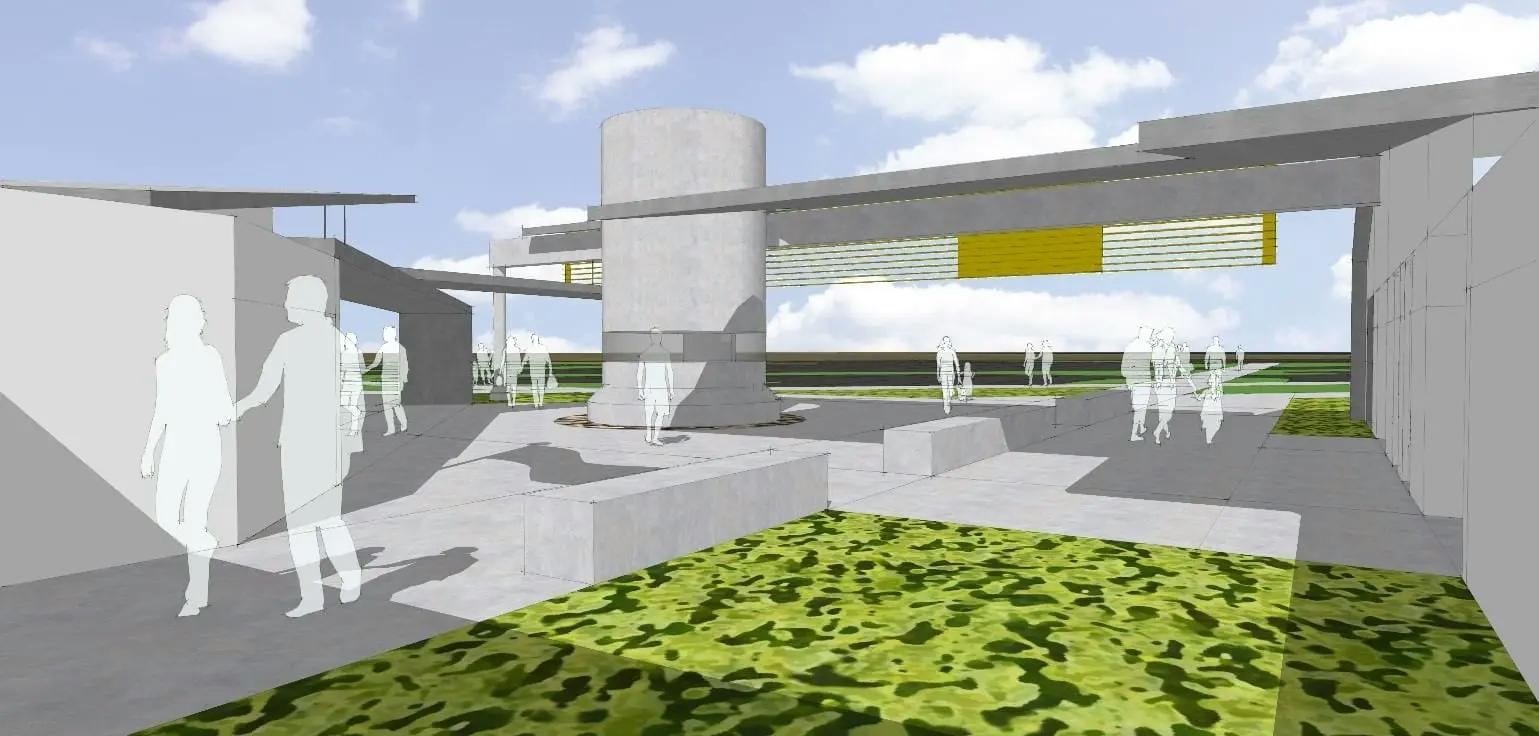
We are social beings, being surrounded by humans and having a feeling of belongingness Is a must-have aspect when considering human-centric designs. Gathering spaces like pergolas, nooks and corners of the space, planned or unplanned play a pivotal role in creating more interactions in a zone and making them feel secure. Usually, such spaces come up on their own when different user groups interact. Let be children standing on the staircase after coming back from school, adults interacting at the vegetable market, or even elderly people exchanging words during their evening walks. Creating active social spaces plays a huge role in shaping human-centric spaces.