Vigorous actions or campaigns that bring about political or social change – this is what the word ‘activism’ means. However, today, the world shirks from this word. It uses ‘activist’ to describe a specific handful of people, usually ones whose aspirations are considered unrealistic or unruly. It forgets that transformative action needn’t be violent, only evocative. And this is where art and creative expression come in.
Since time immemorial, art has reflected the trials and tribulations of reality and, in equal measure, the beauty of it and the hope for the future. Architecture, a profession that tugs at the borders of art and convention, is favourably placed for activism to emerge. And why shouldn’t it? The fabric of human life is thoroughly enveloped in architecture – a service that draws its roots from fulfilling one of human beings’ primary needs: shelter.
Architectural Activism And Housing For All
Affordable, well-designed, and well-constructed housing is a fundamental right. Without it, education, employment, and health become uncertain. Zoning laws, new development laws, rent control, and government schemes and initiatives are all vital to providing housing for all. However, while architects do not directly control these factors, architects and architectural activism can amplify the voices of the communities facing the brunt of the housing crisis. The following statistic makes the urgency of the current situation evident:
“By 2030, UN-Habitat estimates that 3 billion people, about 40 per cent of the world’s population, will need access to adequate housing. This translates into a demand for 96,000 new affordable and accessible housing units every day.”
There is a terrifying need to balance the appeal of profits with humanitarianism and empathy. In an age where gentrification, luxury establishments and housing are taking over city epicentres and pushing the typical buyer to the periphery, architectural activism can take the form of inclusive, innovative solutions that open the city to all its inhabitants.
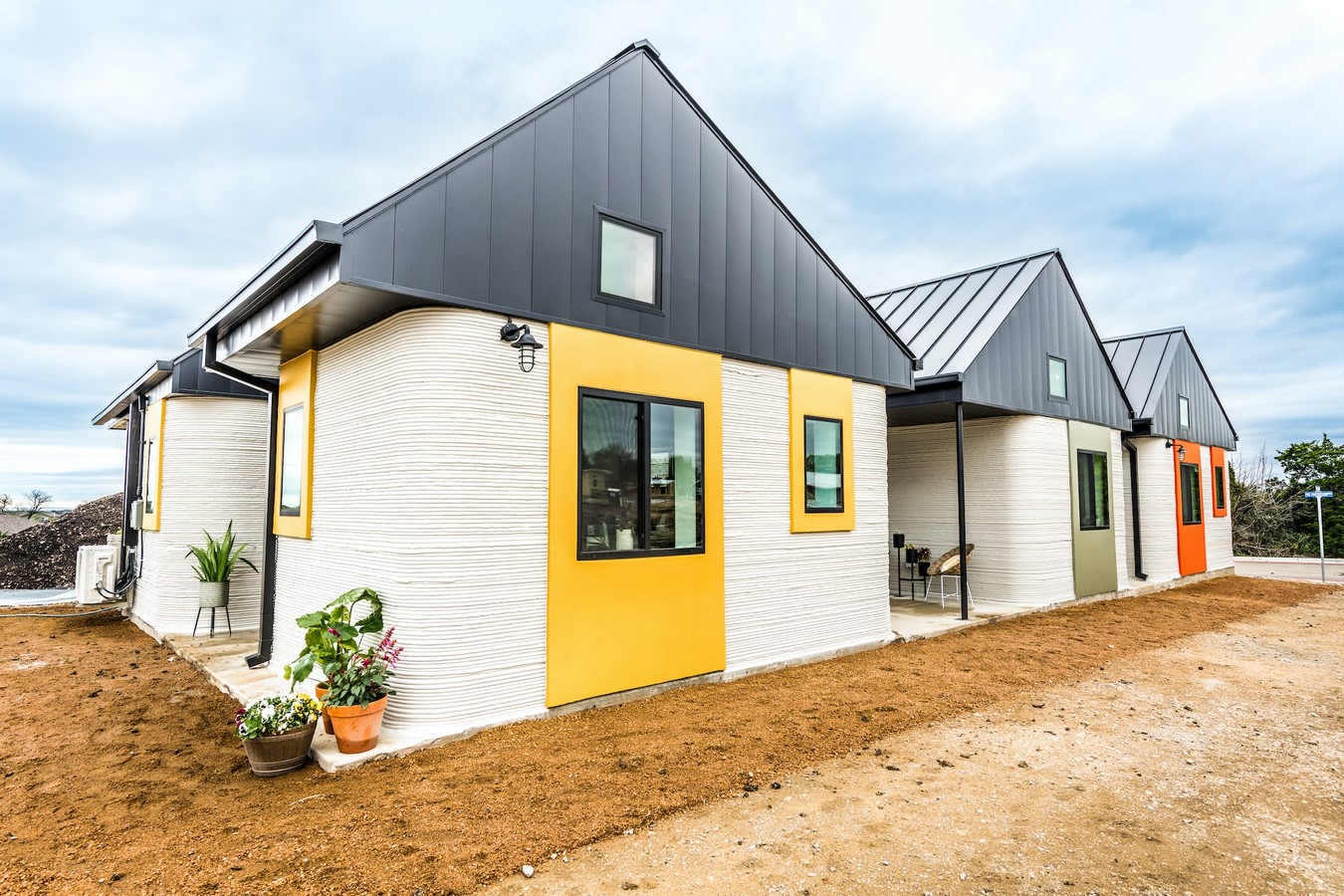
One way to do this is to adopt technology that creates opportunities for affordable housing. The ‘Community First! Village’ is an example of this. Nonprofit Mobile Loaves & Fishes worked with Logan Architecture and ICON to 3D print a ‘Welcome Center’ and six 400-sqft affordable and permanent homes for the homeless population in Austin. This 51-acre development aims to print a neighbourhood capable of solving 40% of Austin’s homelessness.
Highly accoladed architects like Yasmeen Lari and Alejandro Aravena have also shown, time and again, the importance of using architecture to create a social impact. Their route of architectural activism has paved the way for better access to housing and a better understanding of the impact of context-centric design.
Anguri Bagh was Pakistan’s first large-scale public housing scheme. Designed by the country’s first female architect, Yasmeen Lari, in 1973, this project features 787 housing units for low-income families grouped into single, double, and triple-storey blocks. The design addresses the residents’ main concerns through open-to-sky terraces for keeping chickens, growing kitchen gardens, and elevated walkways for children to play.
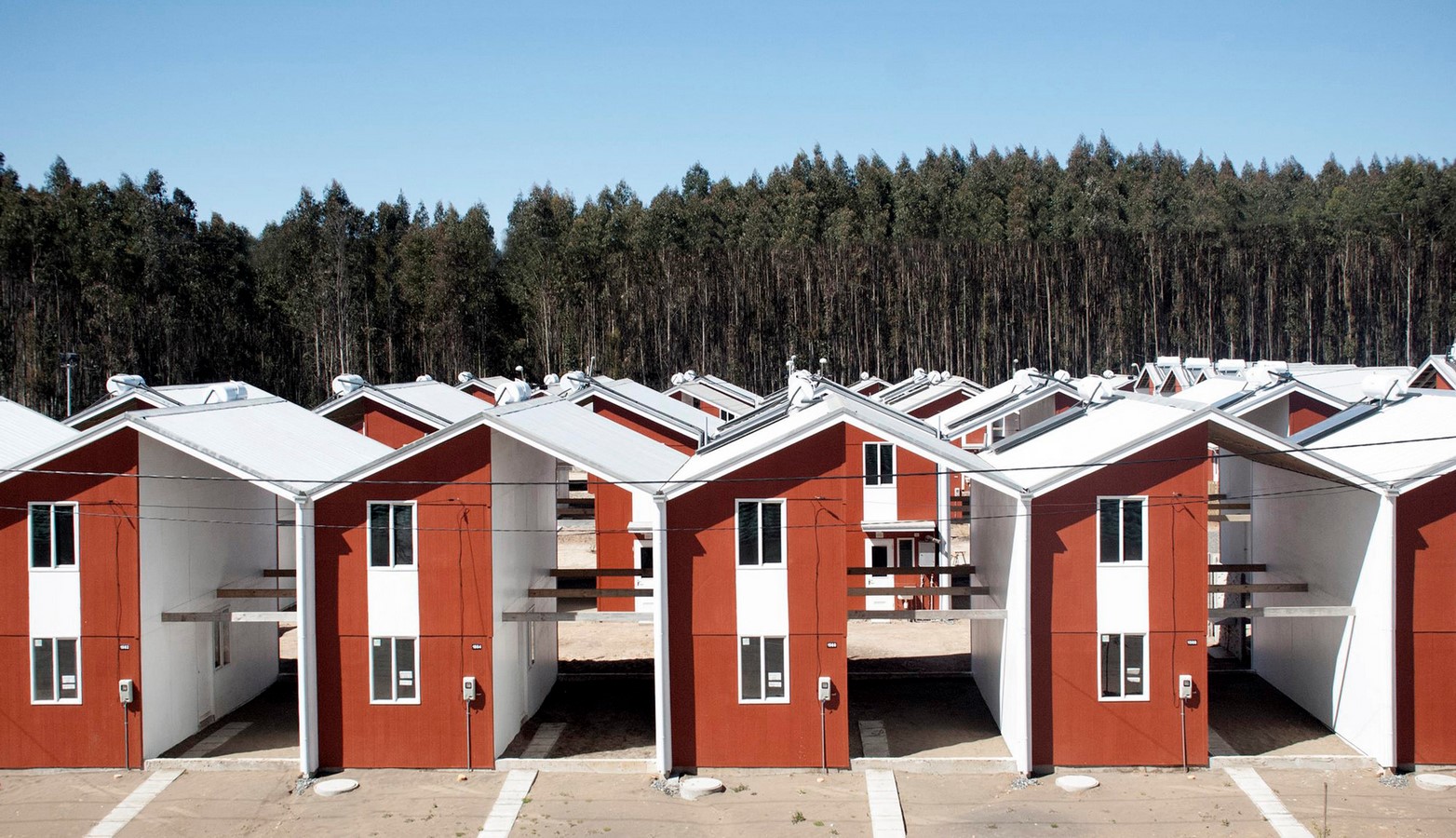
On the other side of the world, Alejandro Aravena’s ‘Half of a Good Home’ project took the Chilean government’s restricted budget for their social housing project and created structures that could evolve with time. Elemental, his company, designed a frame for each house and provided rooms to fulfil basic sanitary and living needs within a 40-sqm floor space. The remaining space was left for families to customise and build progressively to convert this housing unit into something unique to their lives and needs.
Architectural Activism for A Greener Future
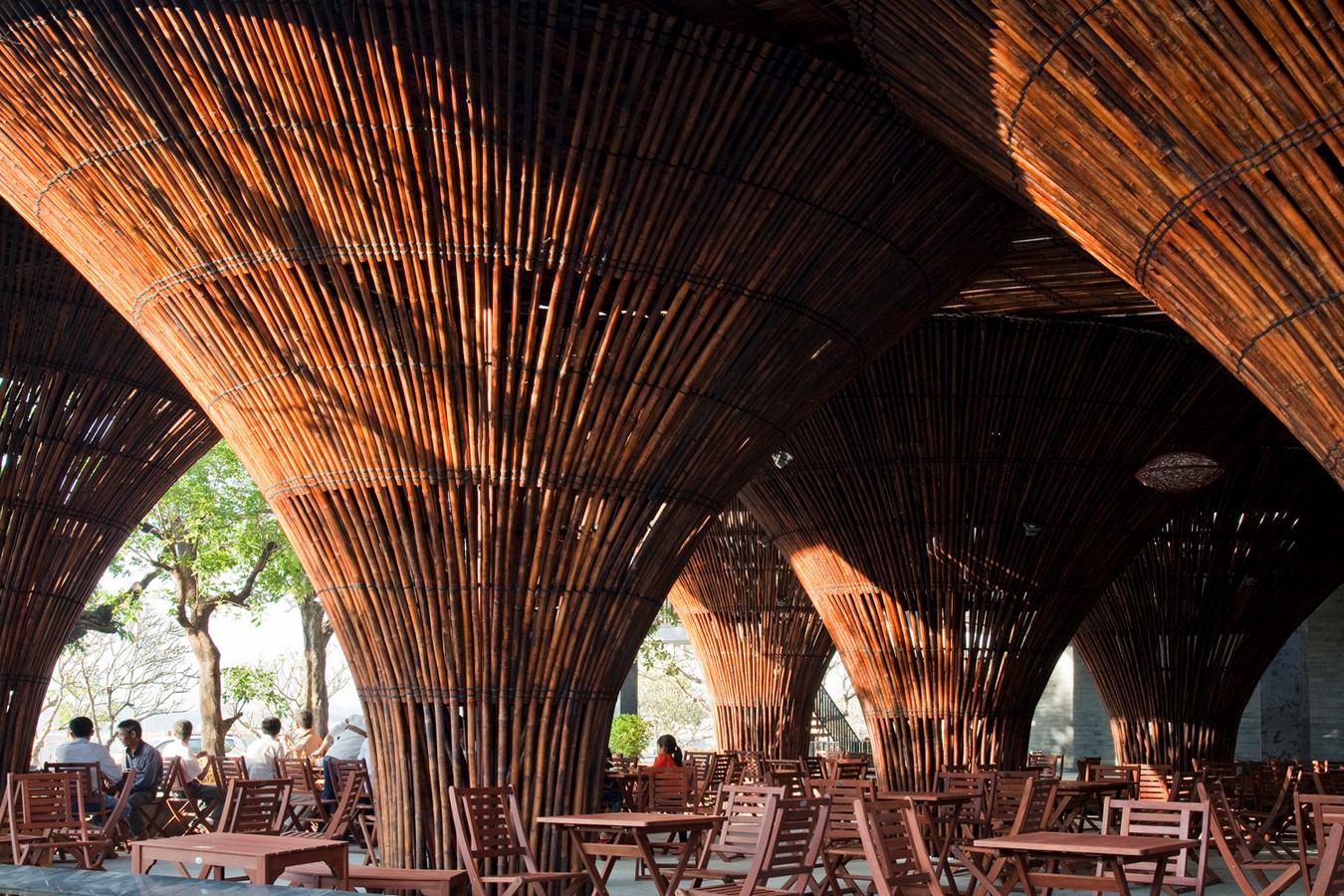
Architecture and habitat are undeniably entangled, each at the mercy of the other. As the world looks to address concerns related to urbanisation and the changing climate, architecture and the ecosystems it creates or disrupts become focal points for conversation. In addition, the fact that the construction industry is accountable for 39% of global emissions propels the idea that architectural activism should look to move beyond the existing codes for compliance and gradually veer toward making sustainable, environment-friendly design the norm rather than just the spectacle.
Even the controversial COP28 suggested steps in this direction. The ‘Buildings Breakthrough’ programme initiated by the UN Environment Programme (UNEP) with Morocco and France urged the move toward near-zero emissions and climate-resilient buildings by 2030. While only 27 countries pledged their commitment to this endeavour, these countries account for about 51% of global emissions. Tackling this, in itself, would be a massive step forward.
While new buildings must keep the future in mind, the concept of ‘adaptive reuse’ paves the way for architectural activism to create something original and sustainable from the old. With ever-expanding cities come older centres of activity, now abandoned. These spaces open doors to reinterpreting the value of buildings once part of the city’s fabric, giving them new life and propagating cultural conservation. Adaptive reuse is faster and more cost-effective than new building construction. It also helps restrict urban sprawl and promotes sustainability by inherently repurposing materials and avoiding demolition altogether.
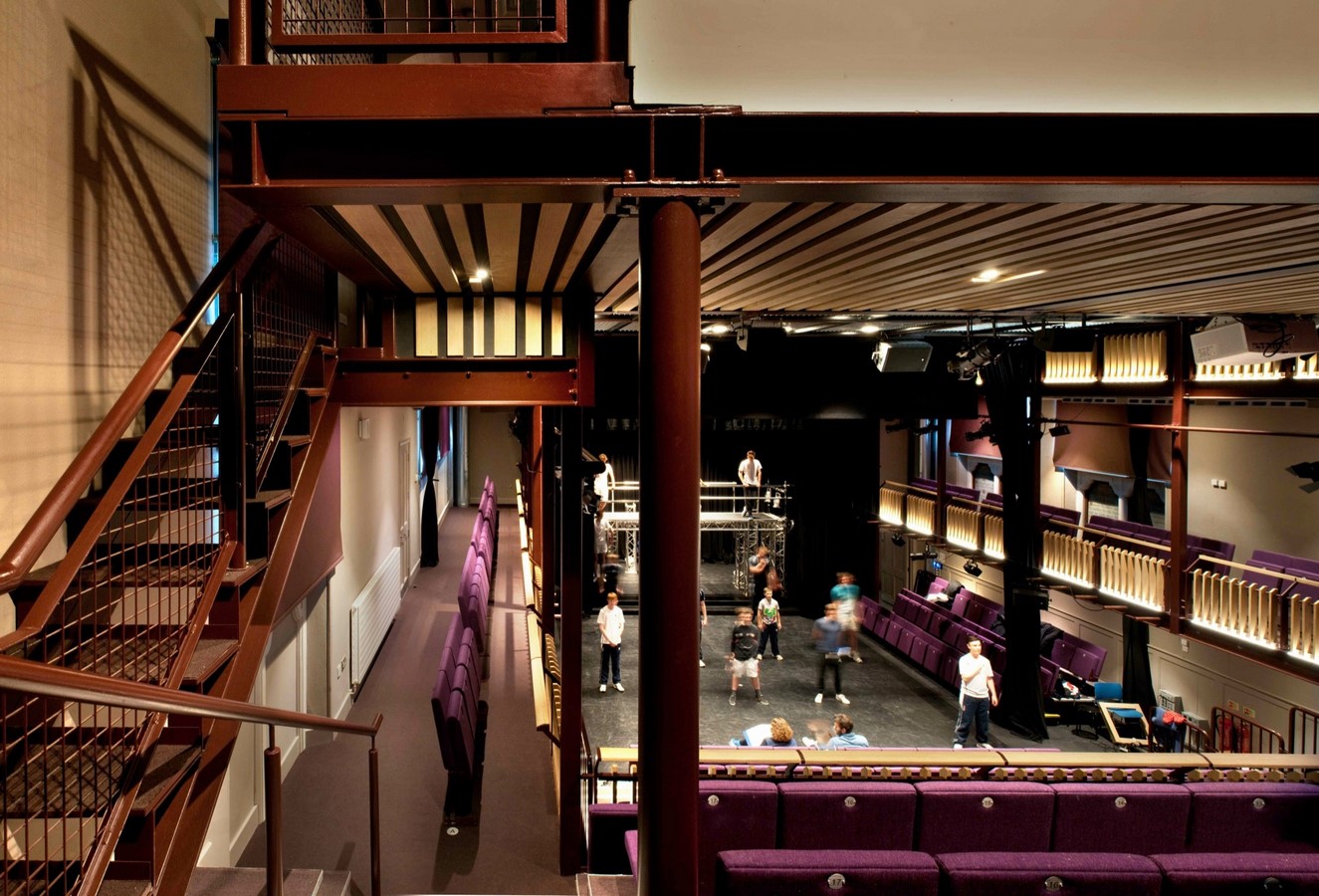
A heritage-listed Moravian church and its minister’s house in Bedford, England, was reimagined into what is today called The Quarry Theatre at St Luke’s. Foster Wilson Architects transformed this out-of-use church into a facility with a foyer, a teaching room, and an auditorium where the existing balcony overlooks a new flat-floored stage. The minister’s house is now home to a connected office space and accommodates front-of-house facilities like a booking office. Adaptive reuse projects like this breathe new life into the community around these buildings and support growth in non-central municipalities.
Tackling Challenges (Architecturally)
Causes such as empowering people who are traditionally marginalised or discriminated against might not, at first glance, fit under the umbrella of challenges architectural activism can tackle. However, that is far from the truth. Design is at its most influential when it solves everyday problems.
For example, AzuKo is an architecture charity empowering women in Bangladesh by training them to understand and conduct maintenance and repairs using affordable and locally available technologies. Their ‘build for safety’ workshops help women feel confident in improving their living conditions by providing them with the skillset required to make their homes a little more resilient in a country at the forefront of climate change. For this endeavour, AzuKo was even awarded the Gender Just Climate Solutions Award in 2023.
Encouraging Positive Architectural Activism
Any form of positive change requires introspection and change beginning at home. Organisations like Design Can help architectural companies create an inclusive environment. They even curate events and help recommend creative professionals for roles.
Communities like What Design Can Do also create opportunities for architectural activism by introducing challenge programmes where designers can pilot, prototype, or scale their design-led innovations to create solutions and maximise social impact.
Recognition is also important to encourage positive architectural activism. Awards such as the Archiboo Activism Award encourage architects and their practices to address the most pressing challenges related to the built environment.
All this being said, architects alone cannot change the industry. Client involvement and stakeholder priorities also direct the industry’s progress. However, as professionals with the skills and know-how to create impact, architects certainly can nudge the discourse in the right direction.
References:
Alyn Griffiths (2015) Old English church transformed into a theatre by Foster Wilson architects, Dezeen. Available at: https://www.dezeen.com/2015/11/22/quarry-theatre-st-lukes-performing-arts-centre-former-church-glass-walled-extension-bedford-england/.
Build for safety (no date) AzuKo. Available at: https://azuko.org/build-for-safety?utm_medium=website&utm_source=archdaily.com.
Chatel, M. (2019) Spotlight: Alejandro Aravena, ArchDaily. Available at: https://www.archdaily.com/789618/spotlight-alejandro-aravena?ad_source=search&ad_medium=search_result_all.
Daniel (2015) Quarry Theatre at st luke’s / foster wilson architects, ArchDaily. Available at: https://www.archdaily.com/775889/quarry-theatre-at-st-lukes-foster-wilson-architects.
Florian, M.-C. (2023) Navigating COP28: Key takeaways for architects from the Dubai Summit, ArchDaily. Available at: https://www.archdaily.com/1011128/navigating-cop28-key-takeaways-for-architects-from-the-dubai-summit?ad_campaign=normal-tag.
Frew, A.S. (2022) What role do architects play in the global housing crisis?, Journal. Available at: https://architizer.com/blog/inspiration/industry/architects-affordable-homes-housing-crisis/.
Housing: (no date) UN. Available at: https://unhabitat.org/topic/housing.
Imagineerium (2023) Turning abandoned buildings into cultural hubs, LinkedIn. Available at: https://www.linkedin.com/pulse/turning-abandoned-buildings-cultural-hubs-imagineerium/.
publisher, N.F. this (2023) Architecture as activism handbook, Issuu. Available at: https://issuu.com/nour.essam/docs/architecture_as_activism_handbook_.