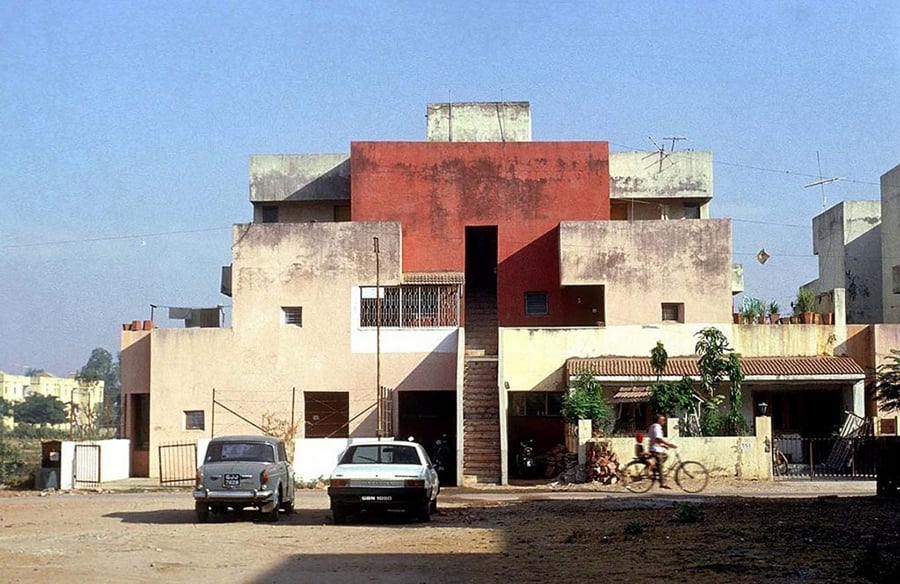
LIC Housing in Ahmedabad – Low Cost Housing in India
In the vibrant city of Ahmedabad, LIC Housing stands as a testament to the fusion of affordability and sustainable design in the realm of low-cost housing in India. Developed by the Life Insurance Corporation of India (LIC), this housing project goes beyond providing shelter; it exemplifies a thoughtful approach to community-centric living. This article delves into the intricacies of LIC Housing in Ahmedabad, exploring its architectural features, sustainable initiatives, and the profound impact it has made on the affordable housing landscape.
Historical Context and Vision
LIC’s Endeavor for Affordable Housing
LIC Housing in Ahmedabad finds its roots in the broader vision of the Life Insurance Corporation of India to contribute to societal well-being. The need for affordable housing was identified as a pressing concern, leading to the inception of this transformative project. LIC aimed not only to provide housing but also to create a blueprint for sustainable and inclusive urban development.
Strategic Location and Urban Integration
The choice of Ahmedabad as the location for LIC Housing was strategic, considering the city’s dynamic growth and the increasing demand for affordable housing. The project is seamlessly integrated into the urban fabric, fostering connectivity and accessibility for residents. This thoughtful urban planning ensures that LIC Housing becomes an integral part of the city’s landscape.
Architectural Features and Design Philosophy
Innovative Design for Optimal Space Utilization
LIC Housing stands out for its innovative design that optimally utilizes available space. The architects have carefully crafted layouts to maximize the number of housing units while preserving open spaces for communal use. This approach not only addresses the immediate housing needs but also contributes to the creation of a holistic living environment.
Sustainable Architecture for Reduced Environmental Impact
Sustainability takes precedence in LIC Housing’s architectural features. From energy-efficient materials to the incorporation of green building technologies, the project minimizes its environmental impact. The integration of sustainable architecture aligns with global efforts to create eco-friendly and resource-efficient urban spaces.
Affordability and Accessibility
Cost-Efficient Construction Methods
LIC Housing prioritizes cost-efficient construction methods to make affordable housing a reality. The use of locally sourced materials and streamlined construction processes not only reduces expenses but also supports the local economy. This commitment to cost-effectiveness ensures that the benefits of affordable living are accessible to a broad spectrum of residents.
Inclusive Design for Diverse Communities
The inclusive design of LIC Housing caters to the diverse needs of the community. Different housing options are available, ranging from compact units for individuals to more extensive residences for larger families. This diversity fosters inclusivity, creating a community that embraces individuals from various socioeconomic backgrounds.
Community-Centric Approach
Integrated Community Facilities
LIC Housing adopts a community-centric approach by integrating communal facilities within the housing complex. Parks, community centers, and recreational spaces serve as focal points for social interaction, fostering a sense of community among residents. This approach recognizes the importance of shared spaces in enhancing the overall quality of life.
Empowering Communities through Participation
A notable aspect of LIC Housing’s community-centric approach is the active participation of residents in decision-making processes. This collaborative engagement empowers the community, allowing them to shape the development and maintenance of their living spaces. The residents’ involvement contributes to a sense of ownership and pride in their housing complex.
Challenges and Innovative Solutions
Infrastructure Challenges in Rapid Urbanization
As Ahmedabad experiences rapid urbanization, LIC Housing faces challenges related to infrastructure. The project has implemented innovative solutions to address these challenges, including enhanced transportation links and upgraded utility services. These initiatives aim to create a more resilient and well-connected living environment.
Waste Management Initiatives for Sustainability
LIC Housing has implemented waste management initiatives to promote sustainability within the community. Recycling programs, waste segregation systems, and community awareness campaigns contribute to a cleaner and more environmentally conscious living environment. These initiatives showcase LIC Housing’s commitment to holistic and sustainable urban living.
Impact on Community and Beyond
Improved Quality of Life for Residents
LIC Housing has had a profound impact on the community, contributing to an improved quality of life for residents. Beyond the provision of affordable housing, the project provides access to well-designed living spaces, community facilities, and green spaces, enhancing the overall well-being of its residents.
Transforming Urban Landscape
The LIC Housing project has played a pivotal role in transforming the urban landscape of Ahmedabad. What began as a vision for affordable living has become a vibrant community, contributing to the city’s identity as a model for sustainable and inclusive urban development.
Future Prospects and Scalability
Model for Replication in Urban Development
LIC Housing serves as a model for replication in other urban contexts facing similar challenges. Its success demonstrates the feasibility of combining affordability, sustainability, and community-centric design in low-cost housing, inspiring similar initiatives across the country.
Adapting to Future Urbanization Trends
As Ahmedabad continues to evolve, LIC Housing remains adaptable to future urbanization trends. Ongoing efforts to incorporate smart city technologies, enhance public spaces, and further improve infrastructure showcase LIC’s commitment to creating a resilient and future-ready housing complex.
Conclusion
LIC Housing in Ahmedabad emerges as a benchmark for affordable and sustainable living, seamlessly integrating affordability, sustainability, and community-centric design. Its architectural features, inclusive approach, and impact on the community position it as a leader in the realm of low-cost housing in India. As cities grapple with the urgent need for accessible and sustainable housing, LIC Housing stands as a testament to the transformative power of thoughtful and inclusive architectural solutions in shaping the future of urban living.