The Future of humankind depends on the way the past is shaped, the understanding, interpretation and preservation of the past is essentially what decides the future. Culture ties up people living in a geographical area. Cultural preservation is essential because it acts as a reminder of the past. People often leave behind a legacy and culture is that which binds the traditions and customs of a place.
Technological advancements might seem to be a hindrance to these very practices. There are several Cultural practices that might get lost in this ever developing world. The pace of progress often brings about the decline or even extinction of ancient traditions, dialects, and artistic expressions. The allure of modern-day comforts can erode the integrity of customs and the bonds that hold communities together. Additionally, the digital divide created by differences in technological access can further marginalise certain groups, making them feel disconnected from the rest of society.
But that doesn’t mean that technology is bad for it might become the key to cultural preservation. The digital age has ushered in a new era of cultural preservation, offering an array of portals, tools, and virtual sanctums that provide a gateway to document, share, and safeguard traditions worldwide. From language apps that seem to work like magic to online archives of ancient tomes, these enchanted artefacts offer a means to unlock the secrets of endangered traditions, breathing new life into fading tales. Technology also enables cross-cultural bridges, weaving the threads of diverse heritages into a tapestry of shared understanding. With mindful application, technology becomes a powerful talisman for cultural preservation, conjuring a shield to safeguard and celebrate our legacies, ensuring they endure for generations to come.
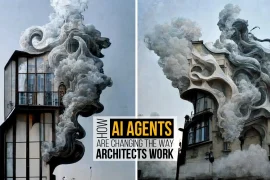
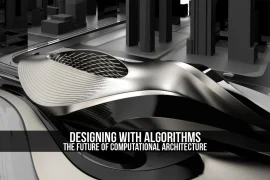
With the onset of AI in our lives, Historical structures or even cities that were destroyed due to various reasons in the past can now be designed with proper estimations. The integration of AI in architecture and historical preservation allows for the reconstruction and design of structures or cities lost to history. AI can analyse existing data, historical records, and archaeological findings to generate accurate estimations of the original structures. Through advanced algorithms and simulations, AI can recreate architectural marvels, accounting for intricate details. This technology not only aids in the restoration of cultural heritage but also provides insights into the past, offering a virtual window into bygone eras. It represents a remarkable synergy between technological innovation and historical preservation, bringing the beauty of lost structures back to life.
The best example of cultural preservation with technology is Japan where the balance is evident between the two. The synchronisation of cultural and technological significance is brought about. The integration of advanced technology, such as robotics and virtual reality, coexists harmoniously with the preservation of traditional arts, rituals, and historical sites. From interactive digital museums showcasing centuries-old art to the use of technology in preserving ancient traditions, Japan exemplifies a successful fusion of its rich cultural heritage with cutting-edge technological advancements, showcasing a commitment to both tradition and progress.
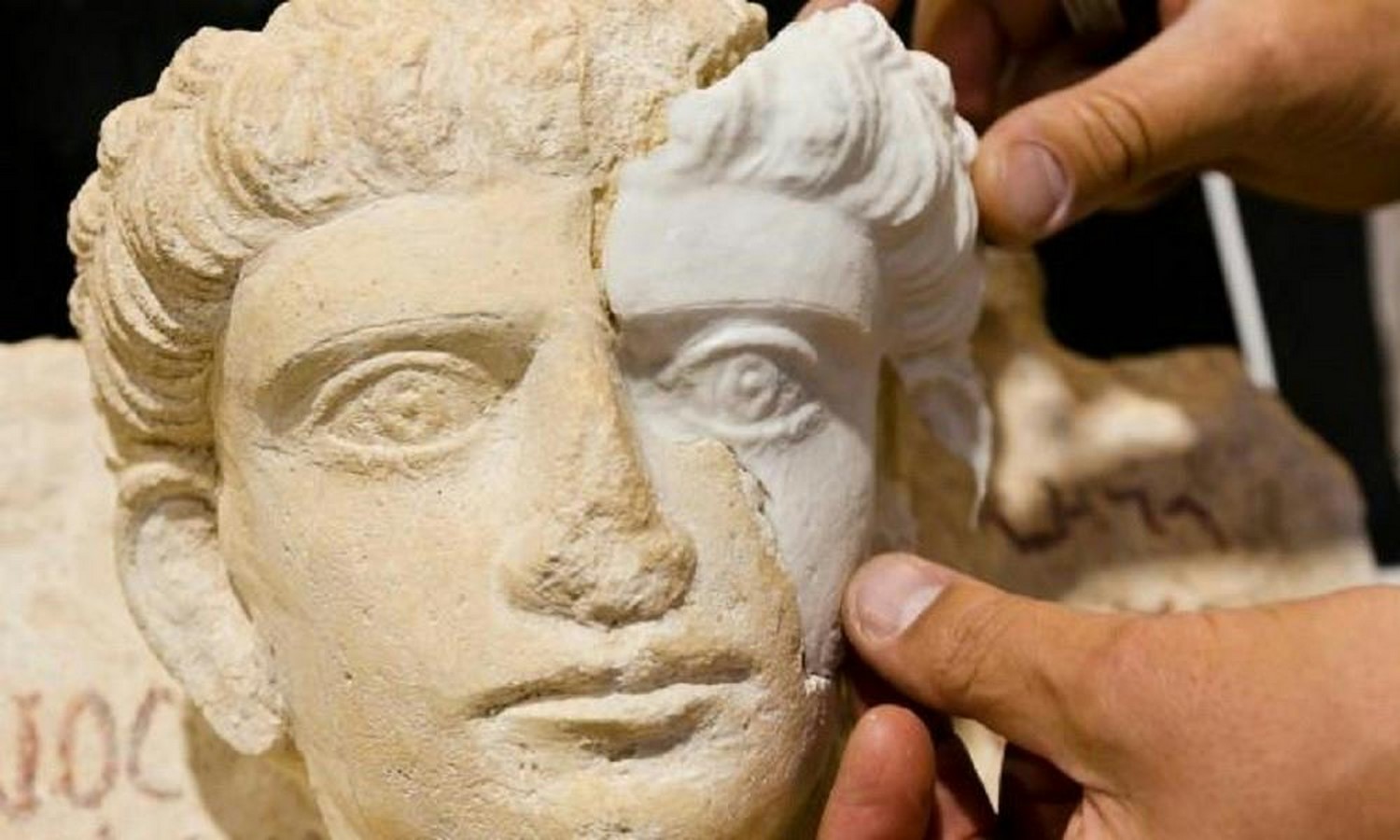
Technology can be used to seamlessly blend the future with the past by preserving the cultural heritage. Recontrusting existing buildings with the help of technology will prove to be a great option to tackle global warming and take a positive step towards sustainability. It would help conserve historical structures, repurpose them, and add economic value. But it’s also funny to note that some of these structures might never be rebuilt for the massiveness in the marvel might be too hard to replicate unless of course the economy flourishes.
Another interesting way to preserve culture might be using digital archives, or even digital cities of the past. By combining AR and VR with artificial intelligence or recorded evidence of the past, entire cities of the past could be created spanning across different timelines. This will spark interest amongst people and might even end up being a tourist spot in the future. True preservation of culture can only happen when the people are willing to do so.
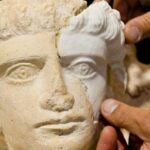
Imagine being able to regenerate artefacts or tools used in the past with 3d printers. There might have been several instruments which have been damaged in the past but prove to provide a significant culture. These can help in educational purposes and studies. Cultural storytelling in digital formats can prove to be one of the easiest ways to conserve culture. Even languages can be deciphered and recorded in a much better way.
With digitalization of the world, preservation of culture couldn’t be easier. This is what makes it even more important to understand and preserve culture for future generations as a guideline to what was and what could be. In this era of rapid change, the significance of digital cultural preservation cannot be overstated. It bestows upon us the gift of hindsight, allowing us to draw from the past to build a better tomorrow. By safeguarding our cultural wealth in a digital repository, we ensure it remains accessible to future generations, transcending borders and political divides. This fosters a sense of community and empathy, as people from diverse backgrounds come together to cherish and understand each other’s traditions. Ultimately, digital cultural preservation is a celebration of diversity, an ode to inclusivity, and a bridge that spans across time, connecting our past, present, and future.
References :
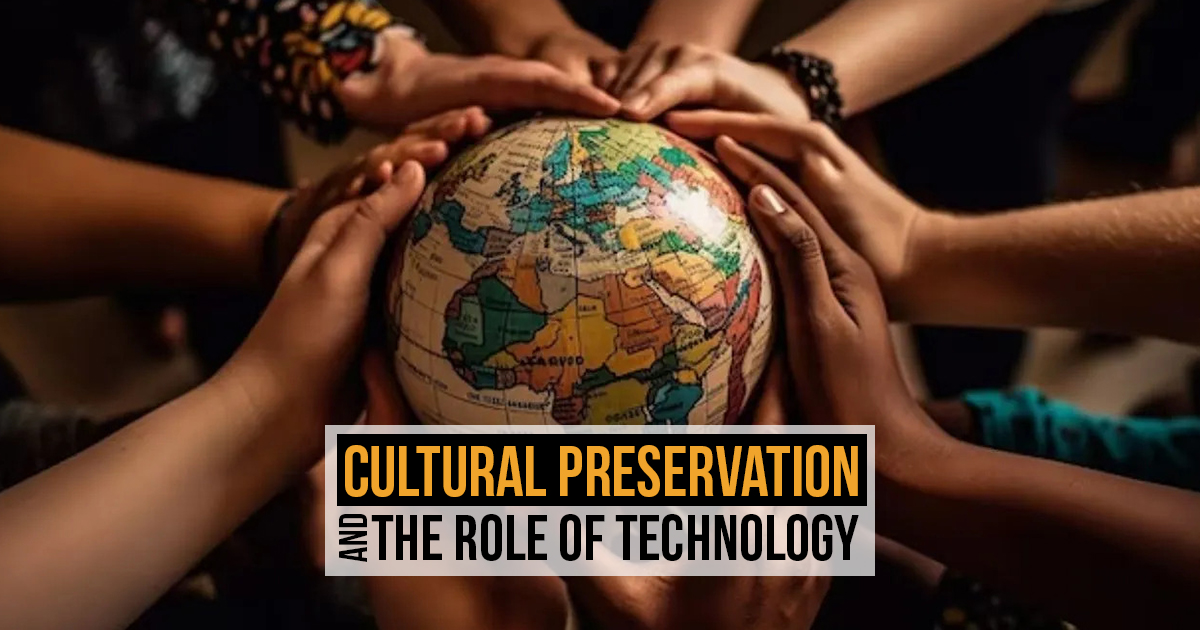
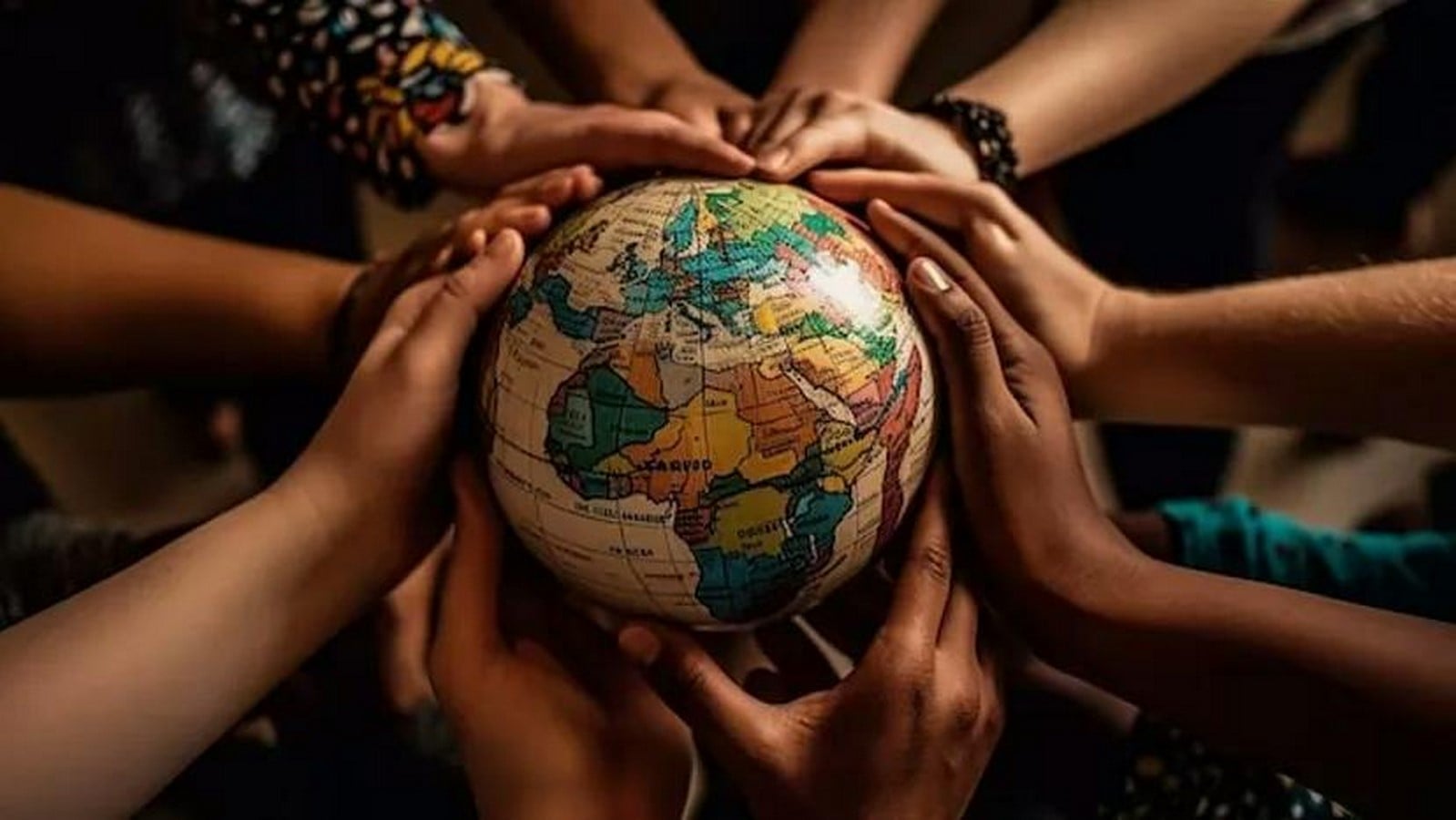
A globe with people from different cultures holding hands around it world’s earth day. [Photograph] Available at: https://www.freepik.com/premium-photo/globe-with-people-from-different-cultures-holding-hands-around-it-world-s-earth-day_40496430.htm