I. M. Pei – Greatest Architects / Best Architects In The World
Ieoh Ming Pei, widely known as I. M. Pei, was a trailblazing architect whose influence on the world of architecture remains profound. Born on April 26, 1917, in Guangzhou, China, Pei’s journey in architecture spanned decades and continents. This article delves into the life, architectural style, and notable works of I. M. Pei, showcasing his lasting impact on the built environment.
Early Life and Education
Pei’s early life was marked by a passion for art and architecture. He moved to the United States in 1935 to pursue his studies at the Massachusetts Institute of Technology (MIT) and later at the Harvard Graduate School of Design. These formative years laid the groundwork for his future contributions to the field.
Architectural Style
Modernist Roots
I. M. Pei’s architectural style evolved over time, but it was deeply rooted in Modernism. His designs often blended geometric forms, innovative use of materials, and a keen sensitivity to the surrounding environment. This Modernist approach allowed him to create buildings that were both aesthetically pleasing and functional.
Embracing Contextualism
While rooted in Modernism, Pei’s work also embraced contextualism, a design philosophy that considers the cultural and physical context of a site. This sensitivity to context is evident in his ability to seamlessly integrate his buildings with their surroundings, creating harmonious relationships between the built environment and nature.
Notable Works
1. Louvre Pyramid, Paris
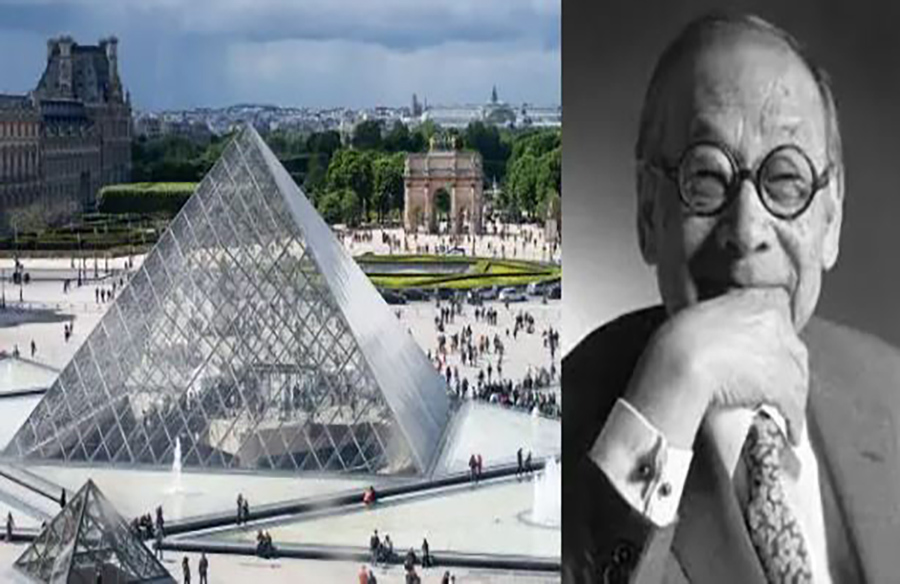
One of Pei’s most iconic creations is the Louvre Pyramid in Paris. Completed in 1989, this glass and steel pyramid serves as the main entrance to the Louvre Museum. Its bold design juxtaposes the historic architecture of the museum, symbolizing a harmonious blend of the old and the new.
2. Bank of China Tower, Hong Kong
The Bank of China Tower, completed in 1990, is a testament to Pei’s ability to create striking skyscrapers. The tower’s angular and asymmetrical design reflects Pei’s commitment to pushing the boundaries of architectural form while providing a functional space for commerce.
3. John F. Kennedy Library, Boston
Pei’s contributions to cultural institutions are exemplified by the John F. Kennedy Library, opened in 1979. The building’s simple, yet dignified design pays homage to the legacy of the 35th President of the United States.
4. Suzhou Museum, China
Returning to his roots, Pei designed the Suzhou Museum in China, completed in 2006. This project seamlessly integrates traditional Chinese architectural elements with Pei’s modernist vision, creating a cultural institution that bridges the past and the present.
5. East Building, National Gallery of Art, Washington, D.C.
The East Building of the National Gallery of Art, completed in 1978, stands as a testament to Pei’s ability to create architectural marvels that enhance the cultural landscape. Its geometric forms and use of natural light create a visually stunning space for art.
6. Rock and Roll Hall of Fame, Cleveland
In 1995, Pei ventured into the realm of popular culture with the design of the Rock and Roll Hall of Fame in Cleveland. The building’s dynamic form reflects the energy and vibrancy of the music it celebrates.
7. Qatar Museum of Islamic Art, Doha
Pei’s global impact is evident in the Qatar Museum of Islamic Art, completed in 2008. The building’s modernist design pays homage to Islamic architecture, creating a space that celebrates the rich artistic and cultural heritage of the Islamic world.
8. Miho Museum, Japan
Nestled in the Shigaraki Mountains, the Miho Museum is a testament to Pei’s ability to integrate architecture with the natural landscape. Completed in 1997, the museum’s design complements its surroundings, creating a sense of harmony between the built environment and nature.
9. Dallas City Hall, Texas
Pei’s influence extended to civic architecture, as seen in the design of Dallas City Hall, completed in 1978. The building’s inverted pyramid form reflects Pei’s commitment to creating distinctive yet functional civic spaces.
10. The Fragrant Hill Hotel, Beijing
A departure from his more well-known projects, the Fragrant Hill Hotel in Beijing showcases Pei’s versatility. Completed in 1982, the hotel’s design reflects a thoughtful integration of traditional Chinese architectural elements with modernist principles.
11. The Centurion, New York City
Pei’s foray into residential architecture includes The Centurion, a luxury condominium in Manhattan completed in 2009. The building’s sleek and modern design contributes to the cityscape while providing an elegant living space.
12. The Grand Louvre Project, Paris
Beyond the Louvre Pyramid, Pei’s involvement in the Grand Louvre Project transformed the entire museum complex. Completed in phases, the project modernized and expanded the Louvre, enhancing its capacity to showcase a vast collection of art.
13. Indiana University Art Museum, Bloomington
Pei’s contributions to educational institutions are exemplified by the Indiana University Art Museum, completed in 1982. The building’s design facilitates the exploration and appreciation of art within an inspiring architectural setting.
14. Kennedy Center for the Performing Arts, Washington, D.C.
Pei’s impact on cultural spaces continued with the expansion of the Kennedy Center, completed in 2001. The addition, known as the Education Pavilion, seamlessly integrates with the existing architecture while providing additional space for artistic and educational activities.
15. Four Seasons Hotel, New York City
In the realm of hospitality, Pei’s influence is evident in the design of the Four Seasons Hotel in New York City, completed in 1993. The building’s elegant facade and interior spaces reflect Pei’s commitment to creating environments that enhance the human experience.
Legacy and Influence
- M. Pei’s legacy extends far beyond the physical structures he created. His influence on architectural education and practice is immeasurable, inspiring future generations of architects to push boundaries and embrace the rich tapestry of global culture.
Conclusion
In conclusion, I. M. Pei’s life and work exemplify the transformative power of architecture. From the Louvre Pyramid to the Rock and Roll Hall of Fame, his diverse portfolio reflects a commitment to innovation, cultural sensitivity, and a harmonious integration of the built environment with its surroundings. As we continue to admire and study his architectural masterpieces, we are reminded of the enduring legacy of a true master architect.
Calls to Action
- Explore I. M. Pei’s architectural works in person where possible, or through virtual tours and exhibitions.
- Engage with architectural communities to discuss and celebrate the impact of I. M. Pei’s designs.
- Support initiatives that promote architectural education and the preservation of iconic buildings for future generations.