Ideology and philosophy have always been closely linked to the field of architecture. The constructed environment has always reflected political ideas, cultural values, and societal norms. Given that we are at the beginning of a new period characterized by quickening technological progress, changing global dynamics, and changing social norms, it is critical to investigate how ideology and philosophy in architecture will develop in the future. This essay explores the ways in which ideology and philosophy have shaped architectural discourse over time, considering the difficulties and possibilities that may arise.
Architectural Ideology and Philosophy in Historical Context
It is vital to look back at the past interactions between architecture, ideology, and philosophy in order to understand the future. Ancient societies used architecture as a means of expressing their religious views. Examples of such buildings are the Greek temples and the Egyptian pyramids, which are physical representations of spiritual ideals. A turn towards humanism was brought about by the Renaissance’s resurgence of classical ideas, which had an impact on the proportions and aesthetics of architecture. Throughout the modern age, a variety of architectural movements emerged, each with its own philosophical foundations. These ranged from the deconstructivism of postmodernism to the rationalism of the Bauhaus.
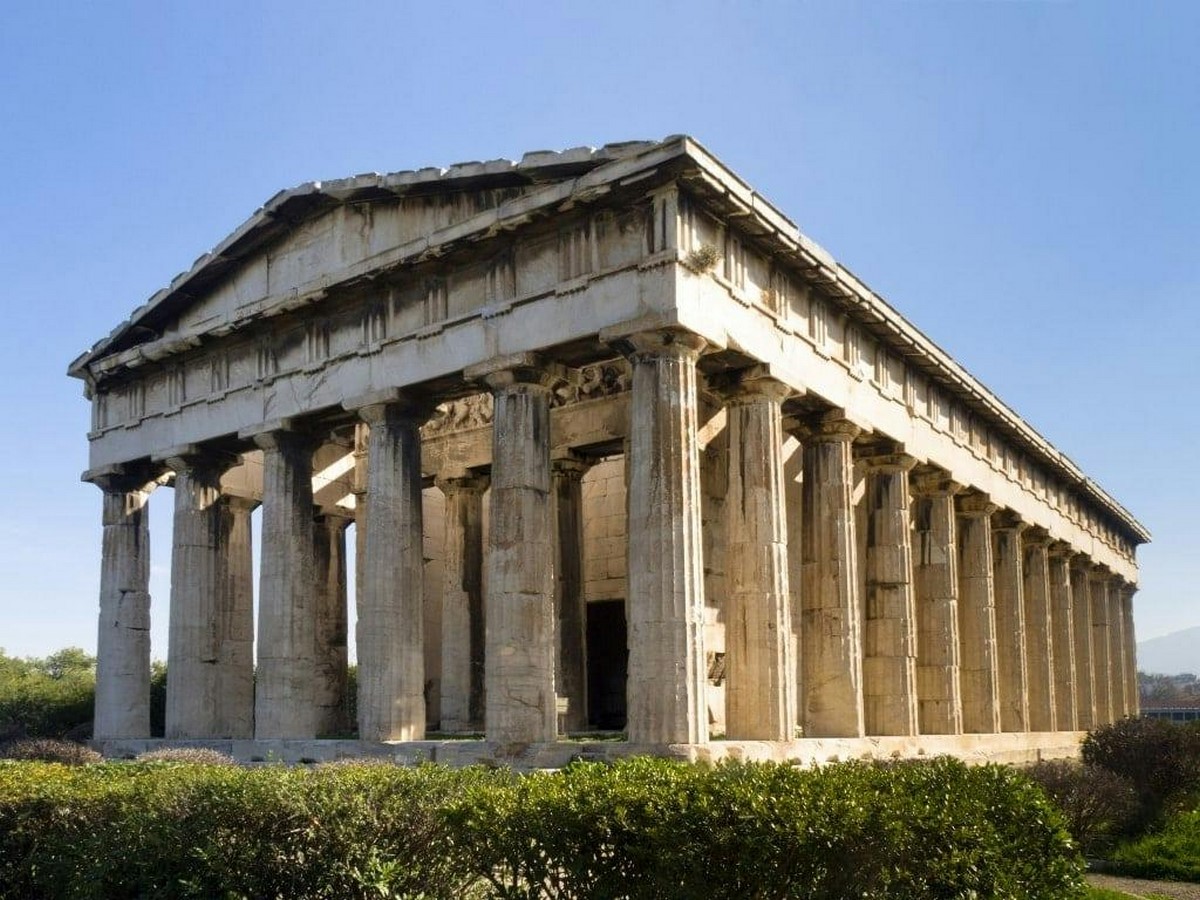
Modern Patterns: Evolving Paradigms
With the dawn of the twenty-first century, modern architecture faces a plethora of opportunities and difficulties that have completely reshaped the way ideology, philosophy, and the built environment interact. Designing with sustainability and energy efficiency in mind is now essential, since it has become a top priority. The introduction of new tools and approaches by the digital revolution has completely changed the process of creating architecture. Technology’s contribution to global interconnection has also encouraged a more diverse and inclusive architectural discourse that reflects a wide range of cultural influences.
Image 2_21stCenturyArchitecture_©ZahaHadid
Technology’s Function as a Change-Agent
The speed at which technology is developing is one of the most important aspects influencing design in the future. Architecture is being completely transformed by technology, from 3D printing and virtual reality to parametric design and artificial intelligence. New philosophical problems are raised by this technological wave: how does the incorporation of AI affect human creativity in architecture? What moral issues come up when using cutting-edge technologies in the built environment? The interaction of philosophy and technology becomes important to negotiating these unexplored areas.
Image 3_AIArchitecture_©Illustrarch
Cultural pluralism and globalization
Ideologies and philosophies related to architecture are no longer restricted to certain regions in an era characterized by globalization. An increasingly international architectural landscape has resulted from the flow of ideas, materials, and architectural styles. This phenomena calls into question established ideas of cultural identity in architecture and forces designers to reconsider how they incorporate a variety of influences into their works. Modern architecture is characterized by cultural diversity, the blending of various concepts and ideologies to create inventive and diversified building forms.
Image 4_ModernArchitecture_©RealSimple
Sustainability: An Ethics-Based Need
Image 5_SustainableArchitecture_©UniversityofColorado
The pressing need to tackle climate change has thrust sustainability to the fore of architectural discussion. Beyond the practical aspects of eco-friendly building materials and energy efficiency, sustainability in architecture represents a significant philosophical revolution. It is indicative of a rising understanding of the moral obligation architects have to design environments that preserve the environment for coming generations while still satisfying current requirements. Incorporating sustainable techniques emphasizes a peaceful coexistence between constructed and natural surroundings, and it becomes a concrete reflection of an ethical architecture philosophy.
Human-Centric Design: A Well-Being-Based Philosophy
With the development of technology, architects are putting more and more emphasis on human-centric design principles that put occupants’ experiences and well-being first. This change explores the psychological and emotional effects that architectural spaces have on people, going beyond simple functionality and beauty. The concept of well-being in architecture investigates the ways in which design, by highlighting elements like natural light, green areas, and ergonomic concerns, may support both physical and mental health. The future of architecture is probably going to see a greater focus on developing spaces that support and enrich the human experience as this idea takes traction.
Image 6_Human Centric Design_©illustarch
Obstacles to the Evolution of Ideology
Ideology and philosophy in architecture have a bright future, but there are drawbacks as well. A major obstacle is the conflict between tradition and innovation. Architects must manage the preservation of cultural history and architectural traditions while juggling the integration of cutting-edge technologies and innovative concepts. It becomes a delicate dance to strike a balance between innovation and preservation; it calls for both a visionary outlook for the future and a sophisticated appreciation of the past.
Ideology and philosophy in architecture will continue to be a dynamic and changing field in the future. Architects are at a pivotal point in their careers as we negotiate the opportunities and challenges brought about by globalization, technology improvements, and societal shifts. The interaction between philosophy, ideology, and the built environment will continue to mold the architectural discourse, impacting not just the actual buildings we live in but also the principles and ideals that guide our communities. In this developing story, architects have the ability to push the envelope of what is conceivable and create a physical environment that embodies the values, morals, and ideologies of a world that is changing quickly.