Transforming perspective
Architecture, a cornerstone of human existence, has continuously shaped our worldview. From ancient civilizations to the modern age, the buildings that surround us have played a pivotal role in shaping our perception of the world. Viewing a building transcends mere observation; it’s akin to appreciating a fleeting masterpiece, rendering architecture a form of art. This article explores the transformative impact of architecture, delving into its profound influence on our daily lives, workspaces, and self-identity. By examining how architectural marvels have redefined our perspectives, it becomes evident that architecture isn’t merely a structure but a key element shaping our very essence and the world we inhabit.
Relearning to See Architecture
Transformation unfolds when we transcend the mere perception of a building as a basic entity. Instead, we begin to appreciate the intricate details: a window, a balcony, a stone wall. We discern the intricate layers of values and emotional resonance embedded within them. Architecture emerges as a profound force shaping our daily existence, redefining our understanding of the world. Each architectural facet acquires profound meaning, forging an emotional bond between us and our surroundings. This realization illuminates the profound impact of structure and design on our everyday encounters, fundamentally altering our connection with architectural marvels.
Impact through Technology
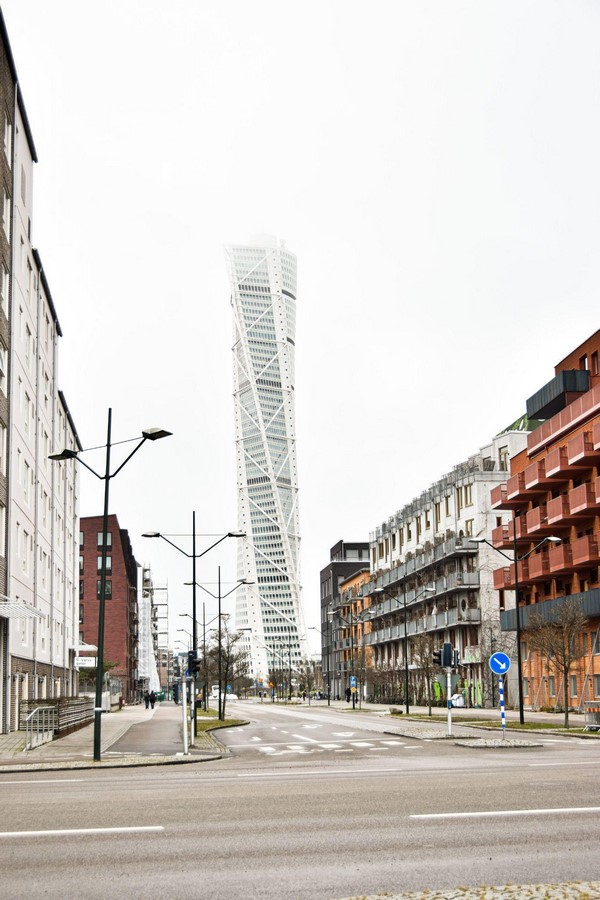
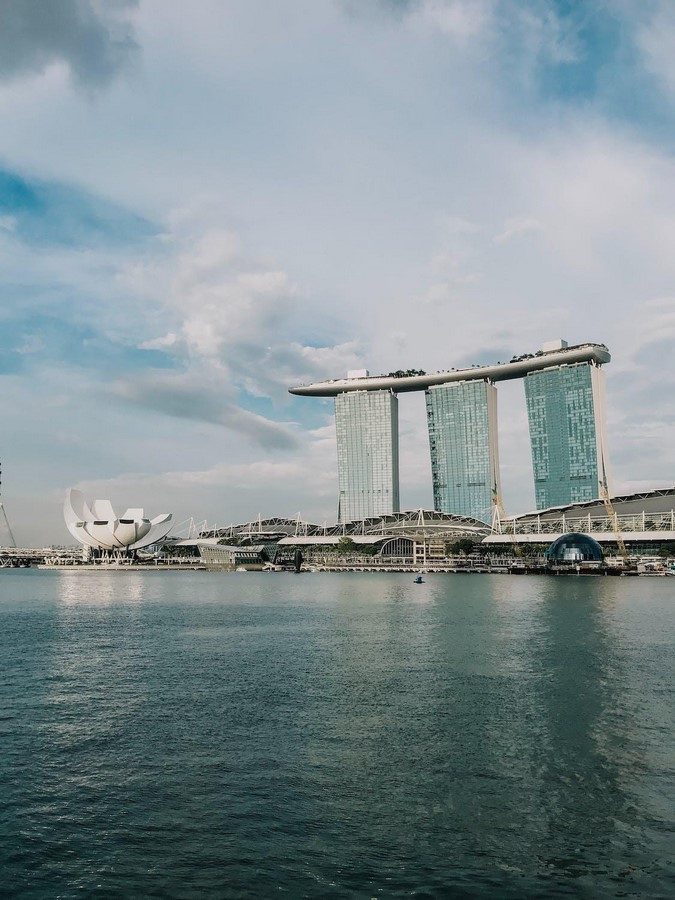
We are immersed in a world inundated with images; our cities are defined by technological architectural feats that become icons. Contemporary architecture is characterized by its innovation and avant-garde design. Modern architects challenge traditional norms, creating bold and functional structures that entirely transform our cities. Iconic buildings like the Burj Khalifa in Dubai or the Centre Pompidou in Paris are not just architectural marvels but also tangible proofs of the transformative power of innovative design. These modern monuments not only testify to human creativity but also serve as landmarks defining our urban identities, prompting us to reconsider our relationship with the built environment.
Critical Thinking
Another way to shift your perspective on architecture is to cultivate critical thinking by closely observing architectural details. Analyzing a structure’s intricacies, materials, and architect’s intentions reveals profound layers of meaning. This approach allows for a richer and deeper appreciation of buildings, turning a simple structure into a complex work of art. Adopting a critical outlook towards architecture not only enriches our aesthetic understanding but also broadens our perception of the world, emphasizing the importance of careful attention to detail in architectural appreciation.
Urban Transformation and Social Impact
Architecture serves as more than a decorative element in urban environments; it plays a crucial role in revitalizing deteriorated areas. Through the transformation of urban spaces, residents’ quality of life sees significant improvement, creating economic and social opportunities. These initiatives don’t just construct buildings; they cultivate vibrant, sustainable communities, leaving a lasting imprint on the social and economic landscape of cities. Architecture acts as a catalyst for positive change, shaping not only physical structures but also fostering a brighter future for the individuals residing within them. Its impact extends far beyond aesthetics, enriching lives and forging pathways toward social progress and economic prosperity.
Emotional Engagement
Architectural aesthetics have the power to transform our personal and emotional perspectives. A well-designed building can spark creativity, induce calm, or evoke awe. Our perception of architectural beauty can profoundly influence our mood and connection with the world around us. Studying architecture and exploring books, websites, and more fosters emotional connection. When an architectural marvel excites us, a significant relationship forms. The experience becomes unique when we have the chance to personally visit an admired structure, eliciting intense emotional reactions. Thus, architecture transcends aesthetics, creating emotional bonds and unforgettable experiences.
History and Cultural Change
The connection between architecture, history, and culture is undeniable but also raises critical questions. Historic buildings often symbolize power and privilege, reflecting past social inequalities. While exploring structures from various eras and cultures, we must question which stories have been omitted or marginalized in favor of dominant narratives. How have architectural spaces been used to exclude certain groups? What do these structures mean for underrepresented communities? Architecture, then, is not just a window to the past but also a mirror reflecting our social and political struggles. Addressing these critical questions enables us to challenge traditional historical narratives, striving for a more comprehensive and equitable understanding of our cultural heritage.

Architecture, with its transformative power and ability to change our perspective, remains a driving force in our society. From innovation and design to urban transformation and social impact, architecture continues to challenge our expectations and enrich our lives in unimaginable ways. By appreciating the influence of architecture on our perspective, we can better understand how the spaces we inhabit shape our view of the world and, ultimately, who we are as individuals and as a society. This realization sparks critical thinking, empowering us to reconsider our concepts and view life through a different lens.