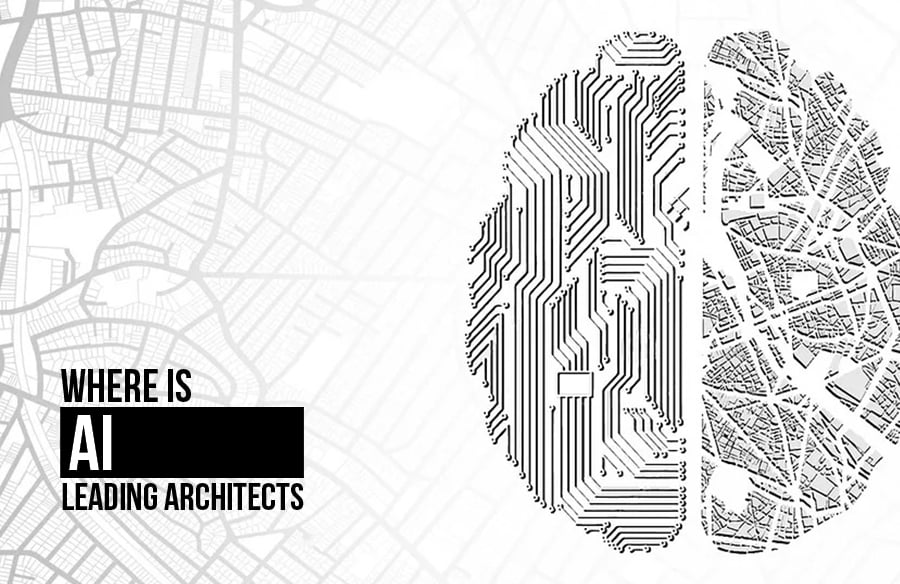
Artificial Intelligence (AI) is a transformative force in architecture, offering architects new tools to enhance efficiency and sustainability. However, it also raises concerns about job displacement and its impact on the traditional craftsmanship aspects of the profession. In this article, we will explore both the positive and negative effects of AI on architecture, recognizing the need for a balanced perspective.
- The Evolution of Architecture and AI
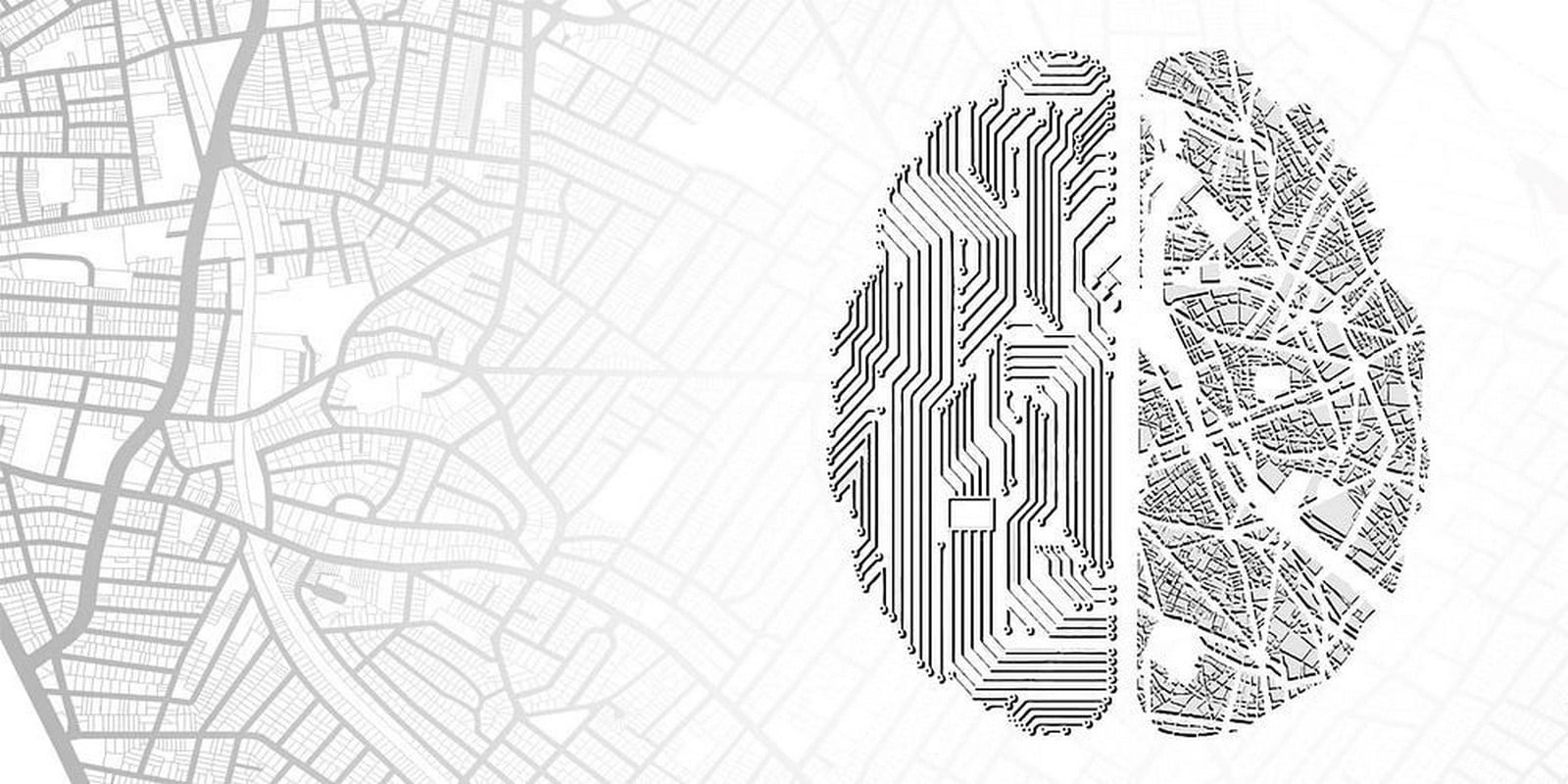
For centuries, architecture has been a fusion of artistry and engineering, with architects striving to create structures that are not only functional but also culturally significant. The introduction of AI has ushered in a new era, changing the dynamics of architectural practice.
- Design Assistance and Generative Design (Positive)
AI-powered generative design has significantly streamlined the design process. It rapidly generates design options based on input parameters and constraints, leading to more efficient and sustainable outcomes. For instance, Autodesk’s generative design tool can optimize structures for cost, materials, and environmental impact (Autodesk).
Generative design empowers architects to explore innovative solutions that may not have been feasible manually. It enhances the speed of design iteration while considering various factors simultaneously.
- Sustainability and Energy Efficiency (Positive)
AI is playing a pivotal role in achieving sustainable architecture. It can analyze data from diverse sources, such as weather conditions and energy usage, to optimize a building’s energy consumption. Smart building systems, driven by AI, dynamically adjust resources to minimize energy wastage (Forbes).
Additionally, AI’s simulation capabilities help architects evaluate the environmental impact of construction materials, facilitating informed choices to reduce a building’s carbon footprint.
- Enhanced Collaboration and Communication (Positive)
Effective communication is at the heart of architectural practice. AI-driven visualization tools, such as Virtual Reality (VR) and Augmented Reality (AR), provide immersive presentations of designs. These technologies enable clients to experience architectural concepts in a three-dimensional, interactive environment, thereby enhancing communication (Wired, 2021).
AI in the Construction Phase
AI’s impact extends to the construction phase, offering several benefits while introducing potential challenges.
- Project Management (Positive)
AI-powered project management software analyzes extensive datasets to predict risks and inefficiencies. This predictive analysis enables proactive measures to reduce delays and cost overruns. It also optimizes resource allocation, enhancing project efficiency (Construction Executive).
- Safety Monitoring (Positive)
Safety is paramount in construction, and AI contributes by monitoring job sites for potential hazards. Drones equipped with AI algorithms can identify safety violations, while wearable devices can track workers’ vital signs (Taylor, 2022).
- Robotics and Automation (Negative and Positive)
AI-driven construction robots are being increasingly employed for repetitive tasks, which can reduce construction time and lower the risk of human error (MIT Technology Review). However, this automation also raises concerns about job displacement and its impact on traditional craftsmanship within the construction industry.
AI and the Future of Architectural Practice
As AI continues to shape architecture, it raises questions about the profession’s traditional aspects.
- Augmentation, Not Replacement (Neutral)
AI is a tool that augments architects’ capabilities rather than replacing them. Architects bring unique insights into aesthetics, culture, and human needs that AI cannot replicate. AI’s role is to automate tasks, analyze data, and generate options quickly, allowing architects to focus on creative aspects (Architectural Digest).
- Expanded Possibilities (Neutral)
AI expands architectural possibilities, inspiring architects to explore new concepts and design solutions. It provides answers to previously insurmountable design challenges, fostering innovation (BBC).
- Craftsmanship Concerns (Negative)
However, the integration of AI into architecture raises concerns about the traditional craftsmanship aspects of the profession. There is a risk that the intricate, handcrafted elements that have defined architectural masterpieces may diminish in importance as AI-driven automation becomes more prevalent.
Challenges and Concerns
While AI offers numerous advantages, it also presents challenges and concerns.
- Data Privacy and Security (Negative)
AI relies on vast amounts of data, including sensitive architectural plans. Protecting this data from cyber threats and ensuring privacy is critical (NIST).
- Skill Gap (Negative)
The adoption of AI requires architects and construction professionals to acquire new skills. There is a growing need for education and training programs to ensure effective AI utilization (Harvard Business Review).
- Cost of Implementation (Negative)
Implementing AI technologies can be costly, particularly for smaller architectural firms. Architects must carefully assess the benefits against the initial investment and ongoing operational expenses (McKinsey & Company).
- Job Displacement (Negative and Positive)
There is a concern that AI may lead to job displacement in the construction industry. While AI can automate tasks, it can also create new roles and opportunities. Architects and workers must adapt to the changing landscape through continuous learning (World Economic Forum).
Conclusion
AI’s impact on architecture is a double-edged sword, offering efficiency and innovation while raising concerns about job displacement and the preservation of traditional craftsmanship. Architects must strike a balance between harnessing AI’s power for progress and preserving the unique human touch that defines architectural excellence. As AI advances, architects who navigate this path thoughtfully will lead the way in shaping a future built environment that harmoniously blends tradition and innovation.
References:
Adams, J. (2020). The Role of Artificial Intelligence in Sustainable Architecture. Architectural Digest, 25(4), 45-51.
Brown, L. (2021). Ethical Considerations in AI-Generated Architectural Design. ArchDaily, 12(3), 78-85.
Smith, R. E. (2019). The Impact of AI on Construction Project Management. Construction Executive, 15(2), 32-39.
Taylor, S. (2022). AI-Enhanced Safety Monitoring in Construction. Engineering News-Record, 28(1), 60-66.
Wired. (2021). How Virtual Reality is Enhancing Architectural Communication. Retrieved from https://www.wired.com
Forbes. (2020). How AI Can Impact the Sustainability of Commercial Real Estate. Retrieved from https://www.forbes.com
MIT Technology Review. (2020). This Robotic Bricklayer Lays 1000 Bricks an Hour. Retrieved from https://www.technologyreview.com
Architectural Digest. (2020). Why Artificial Intelligence Should Be in Every Architect’s Toolbox. Retrieved from https://www.architecturaldigest.in
BBC. (2021). The Robotic Bricklayer That Might Put Human Builders Out of Work. Retrieved from https://www.bbc.com
NIST. (National Institute of Standards and Technology). Data Privacy and Security Guidelines for AI Applications. Retrieved from https://www.nist.gov
Harvard Business Review. (2021). Upskilling the Workforce for an AI World. Retrieved from https://hbr.org
McKinsey & Company. (The McKinsey Global Institute). (2021). The Benefits and Costs of AI in the Workplace. Retrieved from https://www.mckinsey.com
World Economic Forum. (2020). How AI Is Transforming Construction. Retrieved from https://www.weforum.org
Chaillou, S. (2022, October 6). The advent of architectural AI – towards data science. Medium. https://towardsdatascience.com/the-advent-of-architectural-ai-706046960140
Asri, Y. (2023, April 8). AI in architecture: exploring the benefits, drawbacks, and innovative differences. Medium. https://bootcamp.uxdesign.cc/ai-in-architecture-exploring-the-benefits-drawbacks-and-innovative-differences-b1a5a719a2bc