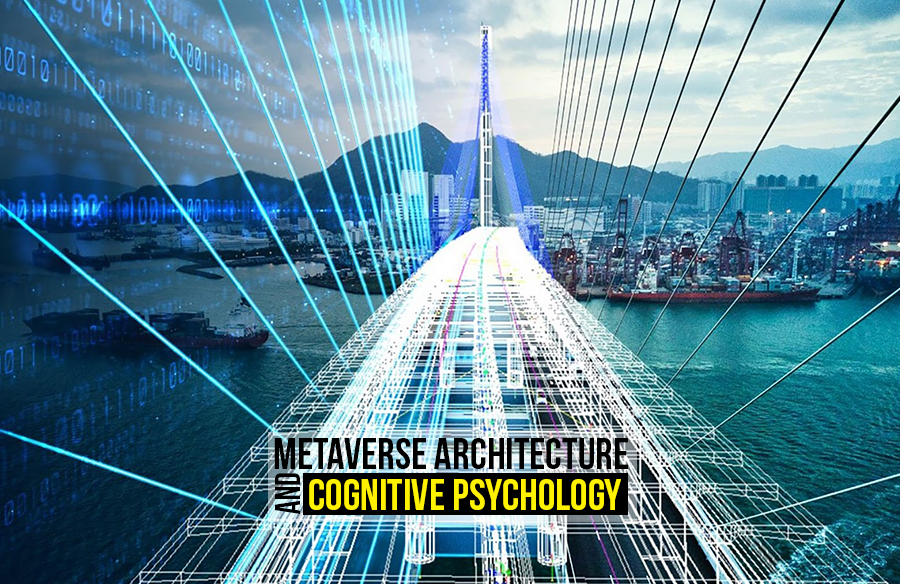
The sky is no longer the limit when designing the metaverse.
The Metaverse is a virtual environment that is being created as the internet’s next evolution. It is a communal area that allows users to communicate with virtual objects and other users in a three-dimensional setting. The metaverse’s users interact with one another utilizing virtual reality and avatar technology to “live” in a virtual world. By using distinctive digitized avatars, this technology enables people to live parallel lives.
The idea of the metaverse was, in fact, developed long ago. American author Neal Stephenson first proposed the concept in 1992 in his science fiction book “Snow Crash.” It reflected the idea of a soon-to-emerge digital world. To assist in creating the metaverse, Stephenson is currently employed by Magic Leap.
The metaverse offers architects the opportunity to stretch conventional definitions of “space” and experiment with new formal possibilities. The way architects create, construct, and engage with the structures around them is changing as a result of this new digitization.
What Is Metaverse Architecture?
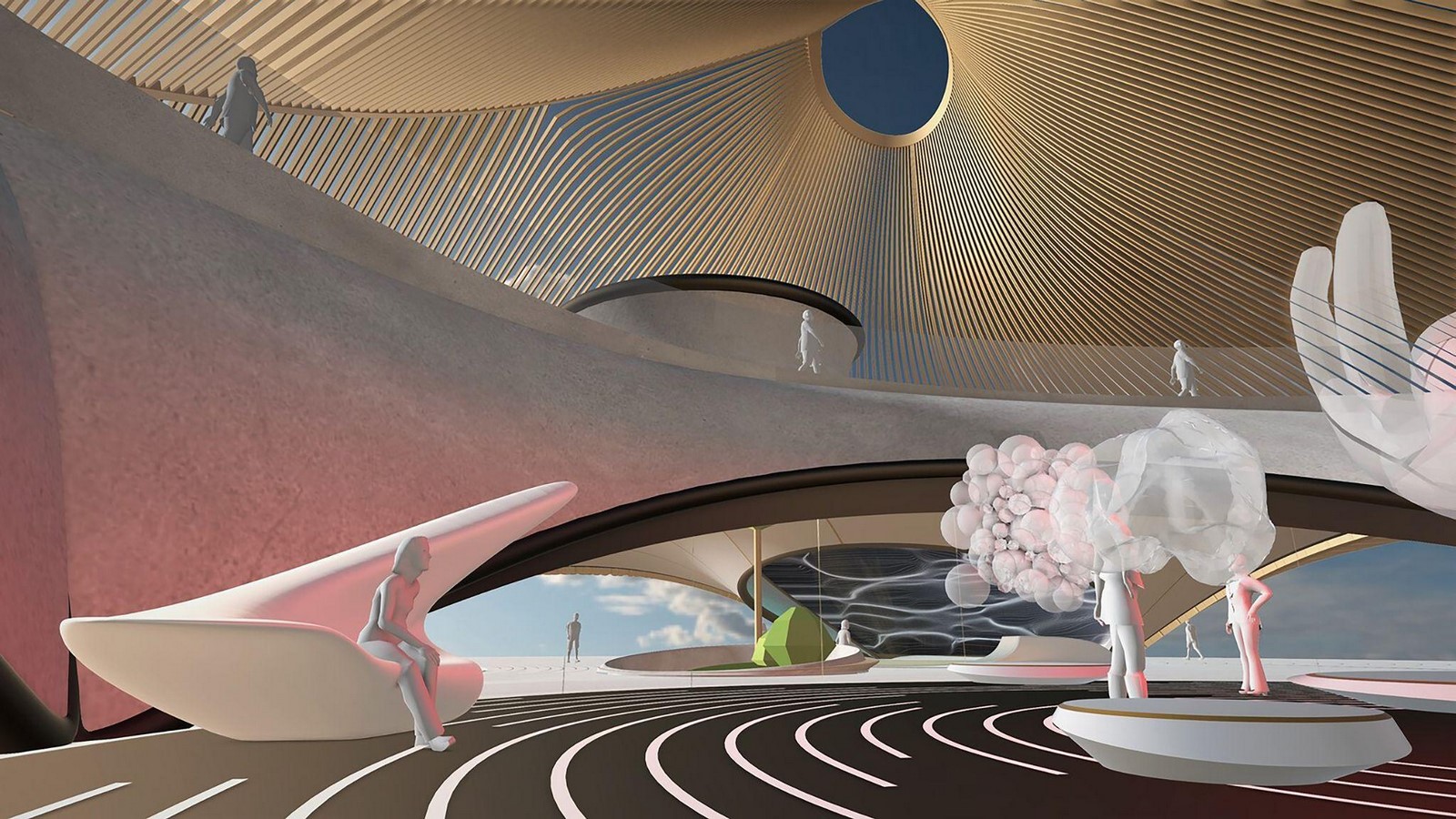
The practice of developing buildings in an immersive digital environment where users may virtually interact with 3D models is known as metaverse architecture. Whether it’s a skyscraper, a monument, or your favorite desk, architects in the metaverse frequently redesign existing structures in the digital world. The design and building of spaces are fundamental to the Metaverse’s architecture, just as they are to conventional architecture.

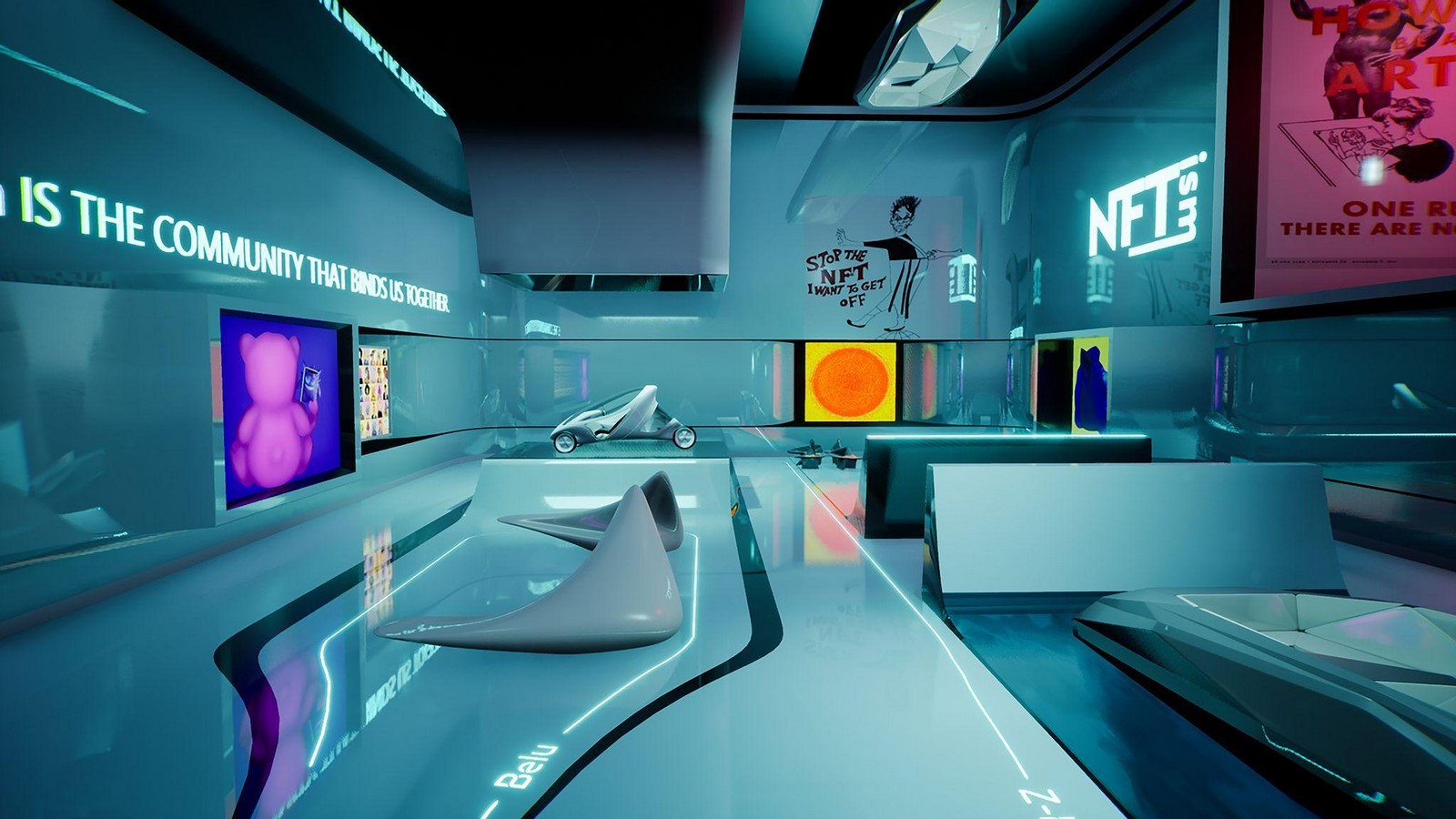
The freedom to develop without constraints that comes with metaverse architecture is quite intriguing for innovators. Lack of a budget, limitations on height, and panel sizes. They also have access to any kind of content. Because of the creative flexibility and limitless resources available, architecture projects in the virtual world can resemble dreamy settings that elicit feelings that one would barely feel in the real world. A transcendent experience is what an ideal situation entails.
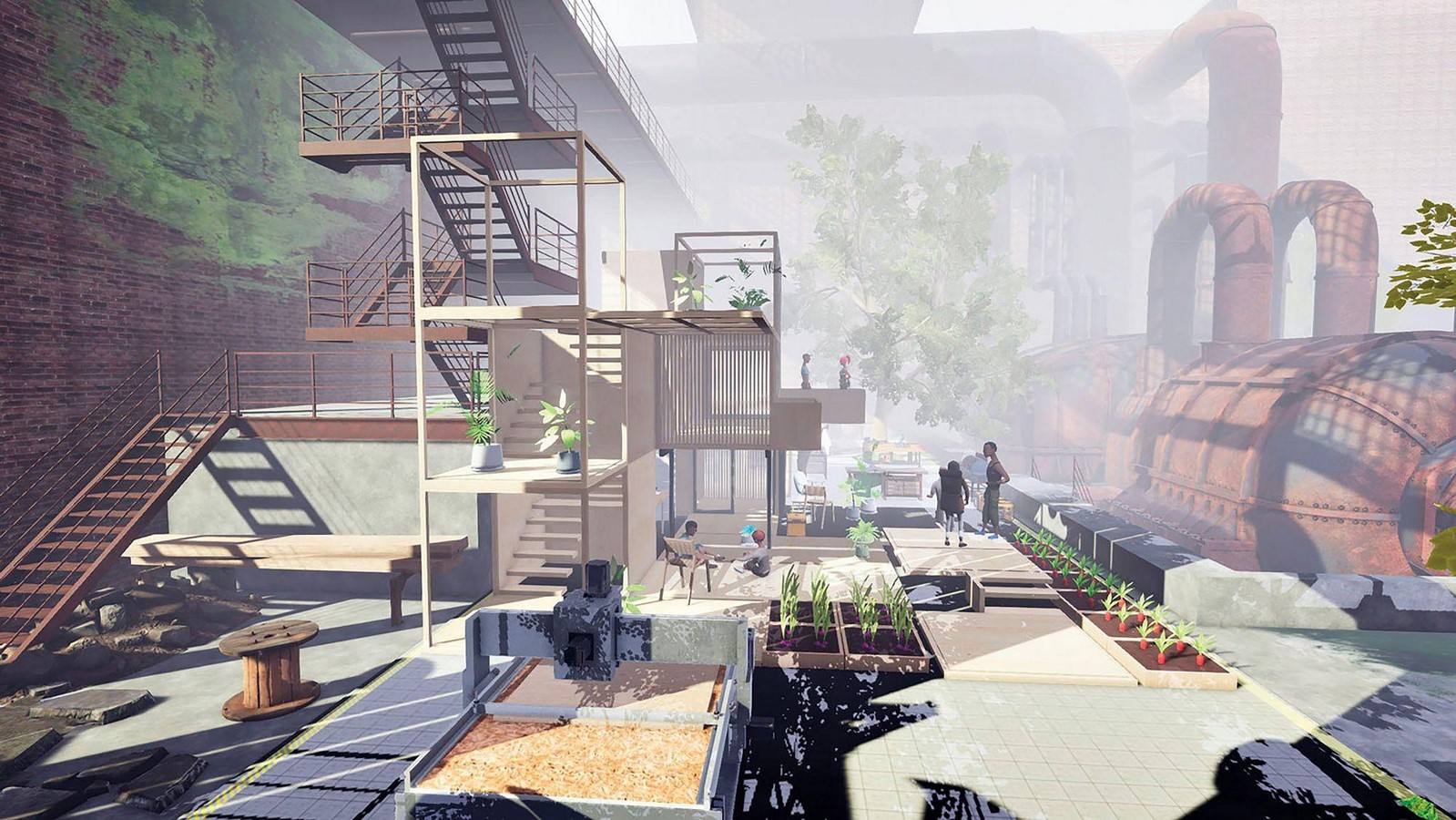
The effects of the places we find ourselves in the virtual world are influencing how we perceive things in the real world. Expectations of traditional architecture may rise tremendously. The architecture of the metaverse generates a utopian environment and a deeply immersive experience within it. As a result, certain design aspects that are currently limited to digital places will be partially merged into the actual world.
Identifying ‘Architects’ and ‘Meta Architects’
A distinction between architects and meta-architects is expected to emerge. While traditional architecture offers shelter, helps our daily activities, and connects cities in the physical world, meta-architects construct only feelings. Metaverse architects combine professional knowledge from several domains, such as user interface, content design, character design, and game design. As a result, beyond the history of architecture, construction procedures, and materials, architectural education will need to educate a combination of digital media and 3D technologies.
Metaverse Vs Real World
A metaverse and real architecture differ from one another. The features of the place itself are where there is the biggest distinction. A space persists in a natural environment whether or not you interact with it. In a virtual environment, though, each location has a purpose or a narrative. For that reason, the fundamental components of the virtual environment are served.
Additionally, there won’t be any limits or rules from reality like gravity, building stability, climatic concerns, or physical laws in the metaverse. In order to create remarkable surroundings and genuine works of art, architects are free to surpass the constraints that are now in place.

The metaverse architecture, however, does not take into account all five senses. As a result, only a few sources are used to convey the atmosphere, and the visual and aural effects are given more prominence. Lastly, in the metaverse, the entire environment is developed with the same amount of time and effort spent simply on visualization, as opposed to existing architecture, where visualizations are created to convey the feel and details of the space to the audience before construction.
Cognitive Psychology
The study of cognitive psychology focuses on how humans think. It is focused on our internal mental functions, including language, action planning, perception, and memory. Each of these elements plays a crucial role in shaping who we are and how we act.
The thoughts associated with these ideas can be conscious or unconscious. For instance, we might deliberately try to concentrate on a lecture, but the flickering of the room’s light might cause a nonconscious shift elsewhere.
Human Perception in the Metaverse and Cognitive Psychology
The concept of the metaverse and how it might alter how humans perceive things is an intriguing intersection of technology, cognitive psychology, and virtual reality. The perception and interaction we have with digital environments, as well as how this influences our cognitive processes, are all things that the metaverse, which is commonly described as a fully immersive and networked virtual world, has the potential to significantly influence.
- Sense of Being Present
In cognitive psychology, the concept of presence in virtual worlds is studied. By offering users a strong sensation of presence, the metaverse aims to make them feel as though they are “inside” the virtual environment. This impression could influence how users interact with the virtual environment and how they perceive it to be “real.”
- Illusions of Perception and Immersion
Perceptual illusions are used in virtual reality to enhance the impression of immersion. Designing virtual settings in the metaverse that maximize immersion and improve the user experience can be made easier by understanding the cognitive mechanisms underlying these illusions.
- Embodied Cognition
Embodied cognition emphasizes the role of the body in shaping cognitive processes and perceptions. In the metaverse, people communicate with each other and with other avatars or virtual representations of themselves. The impact of these avatars on users’ perceptions and sense of self must be completely understood by cognitive psychology.
- Social Presence and Interaction
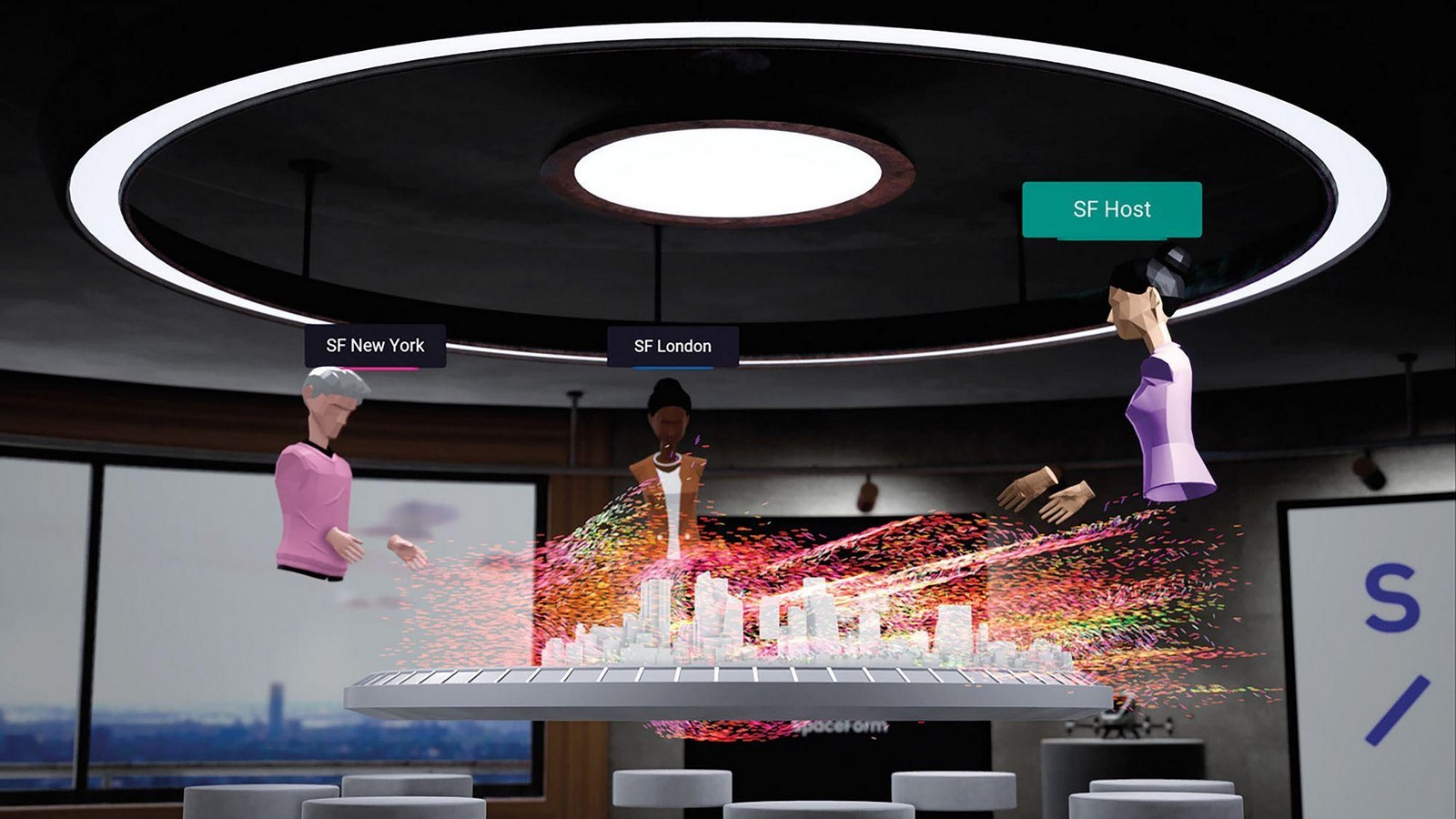
The metaverse’s core feature is social interaction. Through a variety of virtual environments and gathering places, architecture encourages user interaction, collaboration, and the sharing of experiences.
Cognitive psychology studies how social cues, communication, and interactions in the virtual world influence human emotions, behavior, and perceptions of others. Social presence, or the knowledge of being among others, is a crucial component of human engagement in the metaverse.
- Memory and Focus in Virtual Environments
The function of attention and memory in virtual environments is studied by cognitive psychology. The design of the metaverse can influence how users concentrate and build memories, which can influence how they think generally. Environments that are interesting and well-organized can maximize cognitive engagement.
- Emotional And Behavioral Responses
Due to their immersive character, virtual environments can elicit intense emotional reactions. Decision-making, empathy, and responses to different stimuli in the virtual world may all be impacted by this. Extended exposure to particular virtual worlds can affect behavior and decision-making in the real world. Simulations of real-life situations, for instance, can affect how people conduct in analogous circumstances outside of the virtual world.
- Habituation and Adaptation
Long-term use of virtual worlds can cause sensory adaptation, in which the person’s view of the world takes on the status of their new “normal.” Repeated exposure to virtual worlds over time may lessen their novelty and impact, thereby changing how users react and perceive them.

- Connectivity and Smooth Transition
The borders between distinct virtual spaces can be muddled by the seamless transition between various virtual environments inside the metaverse. This may affect how people view the metaverse’s structure and coherence. The seamless transition can reduce cognitive burden and ease navigation, improving cognitive performance and user-friendliness in the metaverse.
Psychological Impacts of Virtual Spatial Experiences
Virtual reality (VR), augmented reality (AR), and mixed reality (MR) typically provide virtual spatial experiences that have a major positive psychological and well-being influence on people. By submerging users in virtual worlds, these technologies foster a sensation of presence and interaction in three dimensions. Designing efficient and ethical virtual environments requires an understanding of the psychological implications of virtual spatial experiences.
- Virtual Environments: Way-finding
Understanding and utilizing cognitive maps are key components of way-finding. In virtual worlds, users create mental maps of the area to help them navigate, including landmarks and paths.
Through repeated wayfinding exercises, virtual environments can aid in spatial learning. Users can create effective navigational techniques which enhance spatial cognition.
- Using Design to Activate Specific Emotional Response
- Aesthetics and Emotional Impact: A design’s color schemes, lighting, textures, and general aesthetics can elicit particular emotions in viewers. While cool colors can evoke feelings of tranquility or sadness, warm hues can evoke feelings of comfort or exhilaration.
- Emotional Reactions and Architectural Design: Virtual architecture’s design, including its layout, dimensions, and style, can affect emotional reactions. For instance, open, roomy designs can make people feel free and relaxed, but small, cramped environments might make people feel anxious or claustrophobic.
- Emotional Reactions and Sound: The aural design of virtual environments, including background music, ambient sounds, or silence, can have a significant emotional influence. For instance, upbeat music can heighten emotions of joy or motivation, but ominous noises can evoke feelings of dread or suspense.

- Emotional Engagement and Immersion
- Sensory Immersion: The level of sensory immersion in virtual environments affects emotional engagement. The emotional response is stronger the more sensory inputs are in line with the intended emotional aim.
- Emotional Connection and Interactivity: Interactivity with virtual items or characters can strengthen feelings of emotional connection and empathy. A wider range of emotions, from happiness and pleasure to annoyance or grief, can be evoked by meaningful connections.
Conclusion
The design and development of the metaverse architecture can be improved by incorporating insights from cognitive psychology, making it more intuitive, interesting, and intellectually stimulating. To guarantee that people benefit mentally and socially from the metaverse while properly addressing any problems, user-centered design, ethical considerations, and continuing research are essential.
Designing virtual spatial experiences that are not just entertaining but also advantageous for the users’ well-being requires an understanding of these psychological effects. Effective and engaging virtual spatial experiences can be created by using responsible design, resolving any potential negative effects, and utilizing positive psychological impacts.
References
- Articles
www.linkedin.com. (n.d.). Cognitive Biases and their role in Metaverse design! [online] Available at: https://www.linkedin.com/pulse/cognitive-biases-role-metaverse-design-mohsin-j-/?trk=article-ssr-frontend-pulse_more-articles_related-content-card.
- Online Sources
hommes.studio. (2022). Designing The Metaverse: What Is Metaverse Architecture? [online] Available at: https://hommes.studio/journal/what-is-metaverse-architecture/.
ParametricArchitecture. (2022). Metaverse, The Upcoming Realm of Architects. [online] Available at: https://parametric-architecture.com/metaverse-the-upcoming-realm-of-architects/.