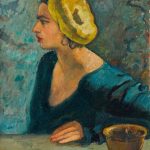
Since the beginning of time, women have been treated as subordinate humans under the influence of patriarchy. Women, confined to stay home and compelled to care for the family, held tremendous talent under wraps. At the same time, men honored prestigious positions around world societies and were considered the pioneers of art. Art historian Katy Hessel shared a story where she visited a giant art fair and realized that out of the thousands of paintings displayed, none belonged to women artists. This epiphany distressed her, initiating her to compose the book, ‘The Story of Art Without Men,’ which she released in 2022. It is a shame that outside the art industry, the general public can’t really name even a couple of women artists; the knowledge and conversations are limited to discussing the work of their male counterparts, even washing the scandalous pasts of some.
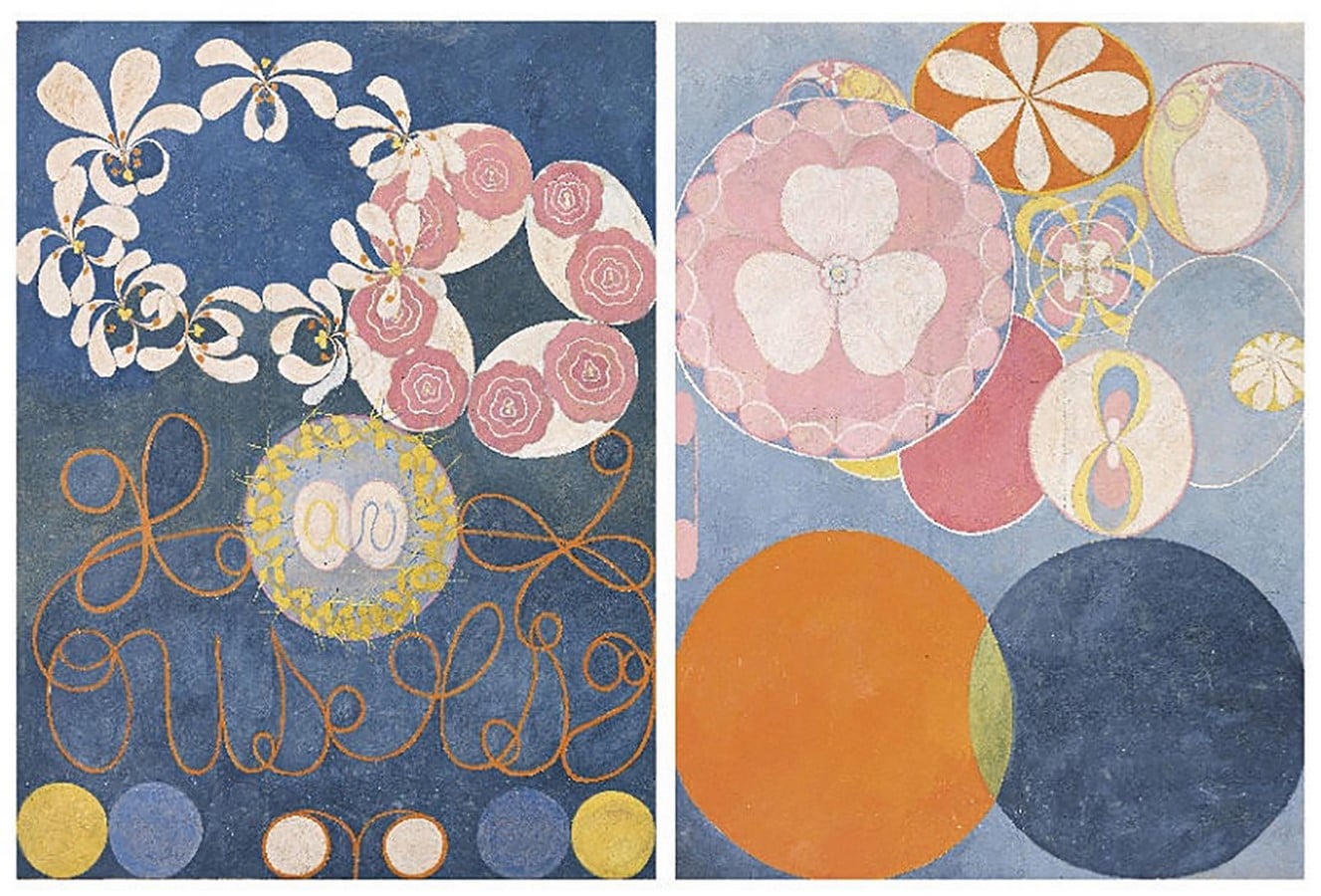
Challenges posed by society towards women artists in art history
Art was often classified under gendered stereotypes, with women being boxed into working their artistic instincts on textiles and fiber art. Genre and history painting, the most respected subjects, were often complex for women since they were not allowed to participate in live drawing to learn anatomy in the presence of nude models. Landscape painting was considered too vigorous for women since it involved outdoor presence for a prolonged time. However, many female masters pushed beyond these typical boundaries later.
The first female artists weren’t allowed in art schools, so they learned techniques from male artists they knew, who were their family members or teachers most times, and started with painting portraits since they held high value during the Renaissance era. Later, the scope of work opened its branches towards religious paintings and still life. Many female artists often assisted male artists during the painting process but were never duly credited. When women artists started signing their artworks, it was frowned upon to write their full names, so they stuck to signing with just their initials for a long time. Art produced by women who exceeded the expectations of the art community was described as ‘masculine.’ It is also observed that during the Renaissance, female artists were more successful in taking commissions for painting portraits of royal families and could provide for their own families. Still, most of the work from female artists in art history was not preserved and stayed hidden under dust in attics, hence forgotten.
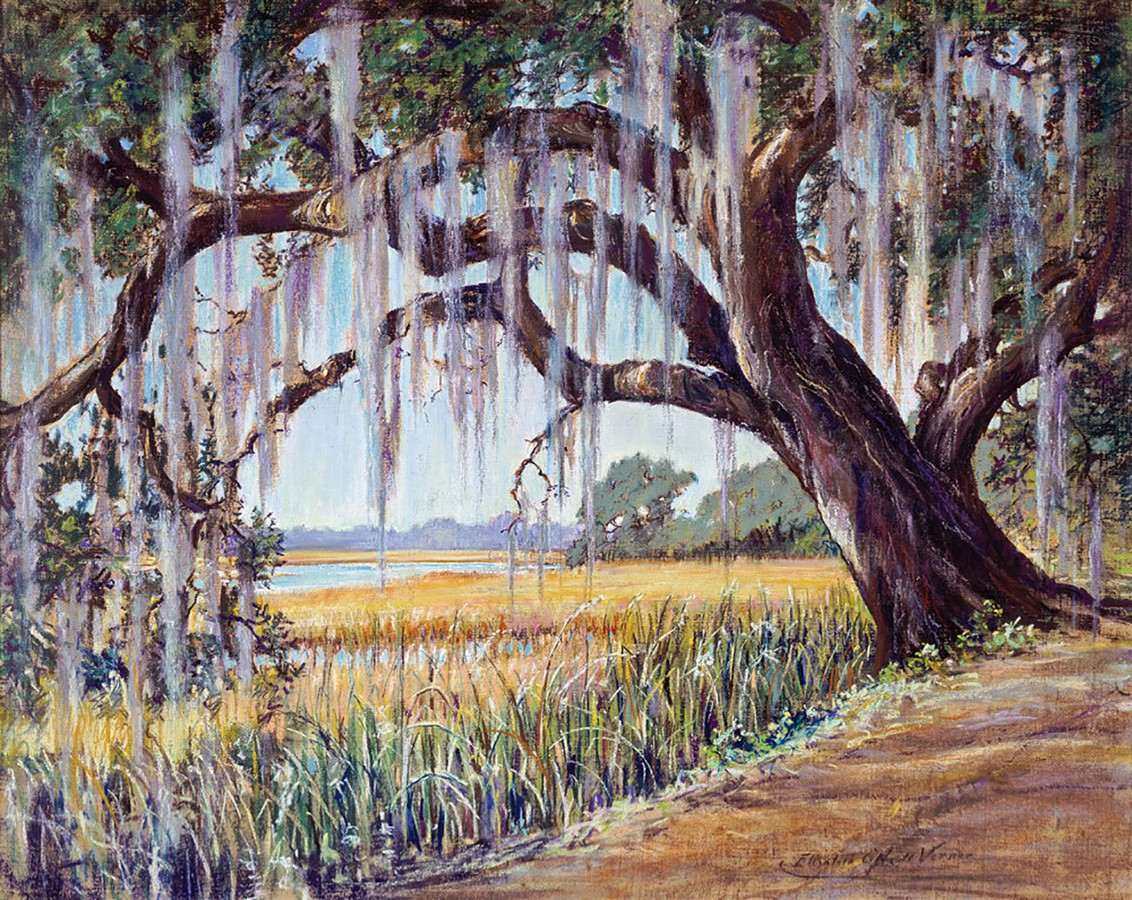
Women artists being a victim of hatred
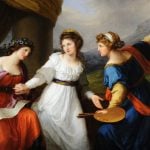
Angelica Kauffmann was an English painter from the late 1700s to early 1800s. She was a dear friend of Joshua Reynolds and a successful portrait and history painter. She and Mary Moser were two of the 36 founding members of the British Royal Academy in 1768; it was a noteworthy achievement for women then. Her membership offered her the golden opportunity to study live drawing next to artists such as Blake, Turner, and Reynolds. However, when the artist Johann Zoffany created a painting commemorating the founding moment alongside the members, Angelica and Mary were diminished to being represented as paintings on the wall. Angelica’s husband is depicted standing with his cane on top of a female torso. Their achievements were precious, although after Mary’s death in 1819, a hundred and eighty-nine years passed before the academy admitted another woman again.

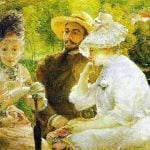
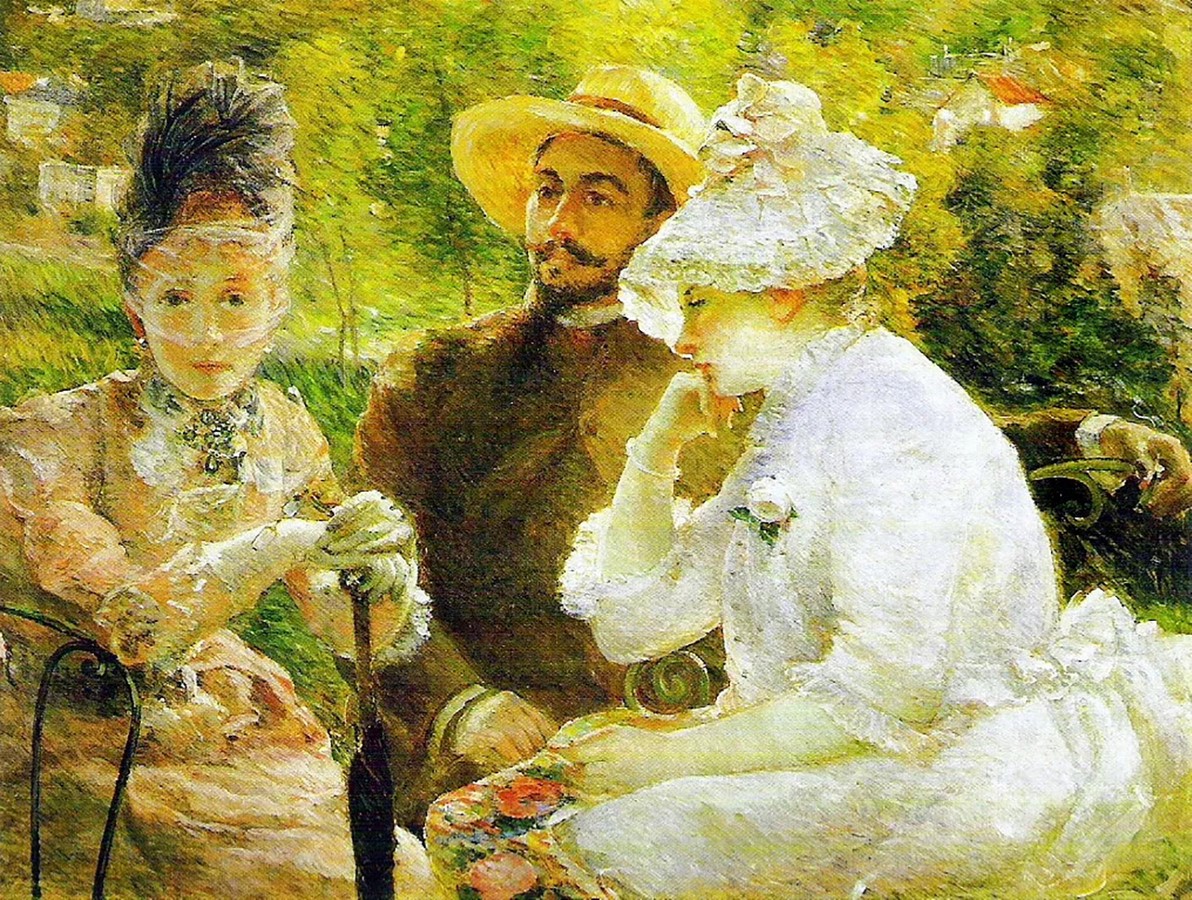
For some female masters of art history, their successful male family members who were artists then showed a strong resistance towards their career choices. Marie Bracquemond was a French impressionist from the late 1800s. In the early days, she was more of a realist but was later drawn to Impressionism when her husband, also an artist, introduced her to Monet, Degas, and Gauguin. Through their strong influence, she developed her own color style and loosened her brushwork for her paintings. She received intense criticism for it and got ridiculed by her husband to the point where she gave up painting. Despite this, she is regarded as one of the three ‘Grandes Dames of Impressionism’ alongside Morisot and Cassatt. Her work disappeared from public recognition and was not rediscovered until the 1980s. These examples truly depict the toxic masculinity possessed by the male artists and the extent to which they touched trenches just to bring the immensely talented female artists down.
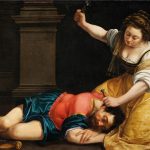
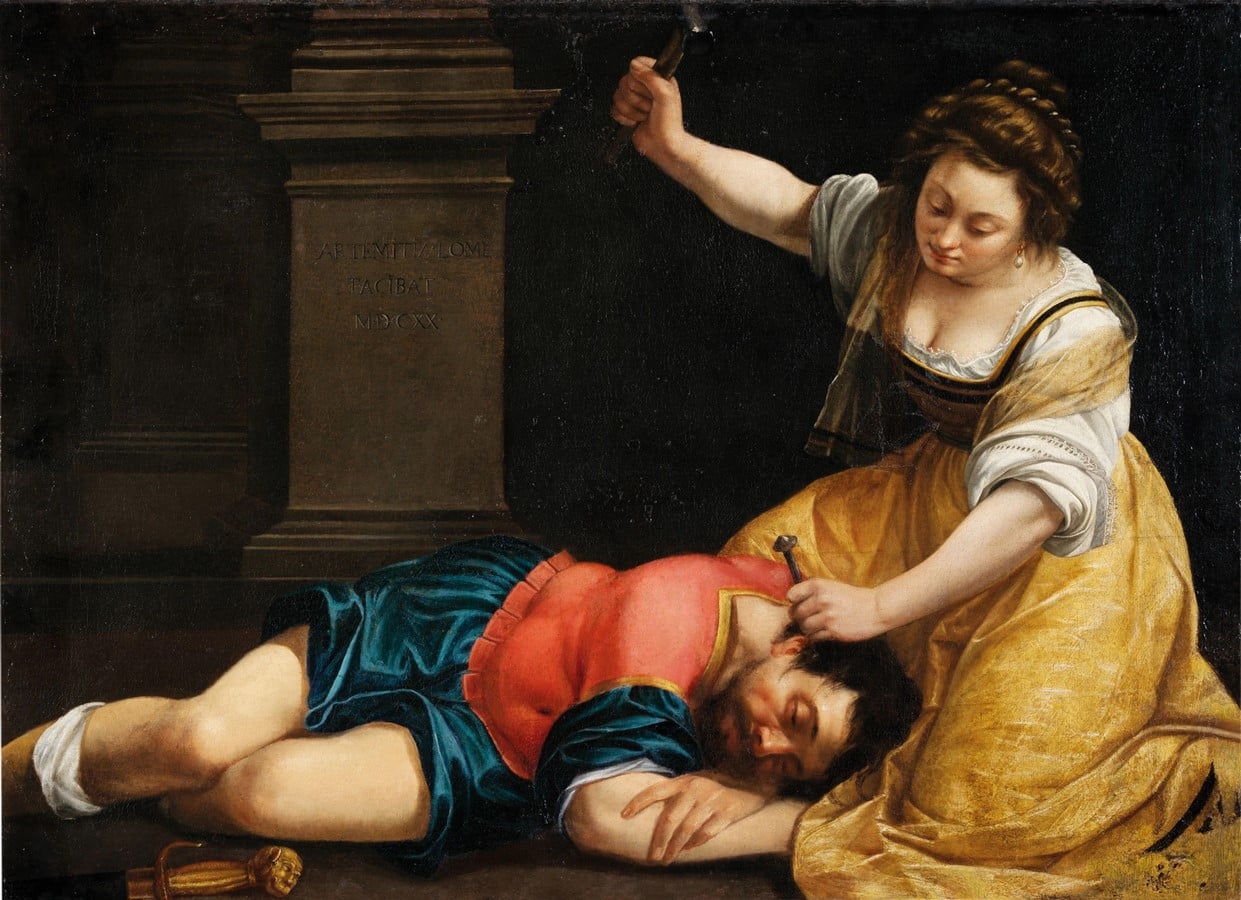
Artemisia Gentileschi of the 1600s was an Italian artist and considered one of the greatest female artists of the Baroque age. She learned to paint in her father’s workshop. He was an artist and friends with Caravaggio, a stellar Italian painter. At a tender age, she was raped by her father’s assistant. To prove that she was telling the truth, during the trial, she had to submit to the horrendous torture by thumbscrews. The assistant was jailed for eight months, and Artemisia went on to paint some of her generation’s most dramatic scenes, many featuring female protagonists, which portray an influence of her traumatic event. Her talent got her accepted as the first woman artist into the Academy of Design in Florence; her clients included international patrons and royalty. Artemisia wasn’t the only artist in art history to achieve noble firsts and achievements.
Women etching their identity with self-expression
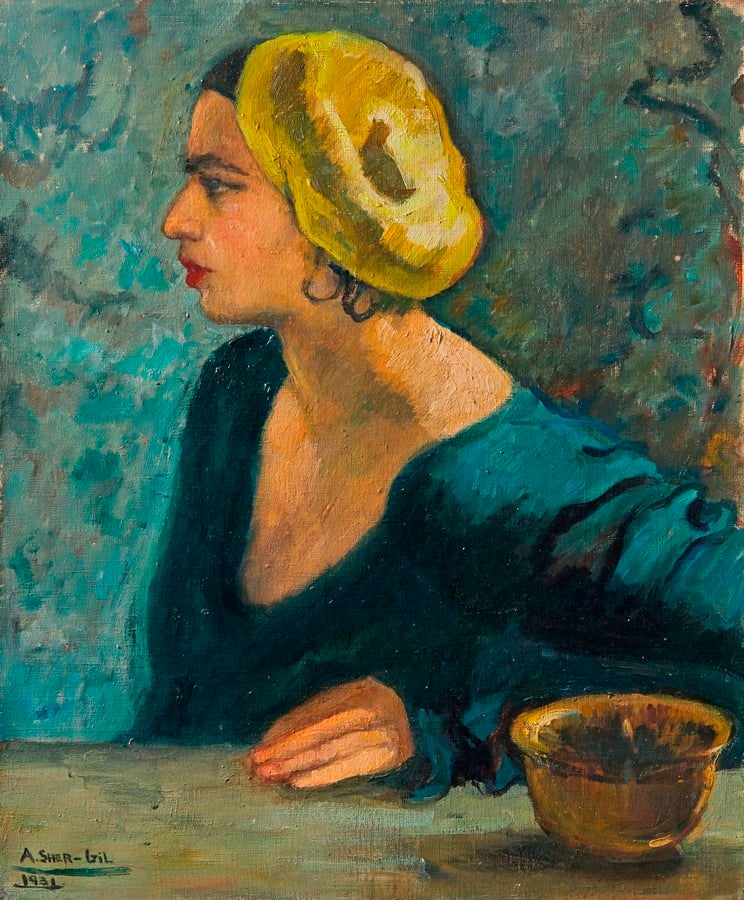
Female artists around the world paved their own ways through the orthodox systems since the 1400s. They have constantly shaped art in numerous cultures and traditions from the past and still do. It is impossible to dive deep into all their works restricted to an article with a word limit. The book “The Trouble with Women Artists,” authored by Laure Adler and Camille Viéville, highlights the work of women artists, putting out 67 short biographies lauded with examples of their stunning creations. These artists belong to different times and countries and thus represent various threads of art history, contrasting tastes, and values, ranging from cubists to big game painters. Crowded together as they are, Muslims next to Christians, Africans next to Asians, these artists share their common identity as a ‘woman’. To date, female artists struggle to thrive for a reputation, unlike their male peers, but thanks to the feminist movements of the past and social media of the present, the gender lines between arts are significantly blurred, and art is now not being restricted to the elites.
References
- Online sources
Citations for websites:
- Dempsey, E. (n.d.). Docent’s Corner | Historic Challenges for Women Artists. [online] Blowing Rock Art & History Museum. Available at: https://www.blowingrockmuseum.org/athome/docent-corner-challenges-women-artists [Accessed 13 Sep. 2023].
- Wall, P.S. (2017b). Breaking Down Barriers: 300 Years of Women in Art. [online] InCollect. Available at: https://www.incollect.com/articles/breaking-down-barriers-300-years-of-women-in-art [Accessed 12 Sep. 2023].
- Gordon, C. (2019). Review | Female artists have been overlooked and ignored. This book wants to correct that. Washington Post. [online] 5 Sep. Available at: https://www.washingtonpost.com/entertainment/books/female-artists-have-been-overlooked-and-ignored-this-book-wants-to-correct-that/2019/09/04/e4efebb8-c9cc-11e9-a1fe-ca46e8d573c0_story.html [Accessed 15 Sep. 2023].
- Images/visual mediums
Citations for YouTube videos:
- A History of Women in Art | Wikimedia UK. (2018). YouTube. Available at: https://www.youtube.com/watch?v=MuGER3tp6G4 [Accessed 15 Sep. 2023].
- Jill Poyerd Fine Art (2019). The Forgotten Masters. YouTube. Available at: https://www.youtube.com/watch?v=cRtJ_PZJab0 [Accessed 14 Sep. 2023].
- Jill Poyerd Fine Art (2022). The Forgotten Masters II. YouTube. Available at: https://www.youtube.com/watch?v=F-mgZu1lAV4 [Accessed 14 Sep. 2023].
- Art Social (2023). The Forgotten History of Professional Women Artists. [online] www.youtube.com. Available at: https://www.youtube.com/watch?v=gbo-HGJYFdQ [Accessed 16 Sep. 2023].
- Amanpour and Company (2022). Why Are Women Erased From Art History? | Amanpour and Company. [online] www.youtube.com. Available at: https://www.youtube.com/watch?v=yWq3AzuC-lM [Accessed 13 Sep. 2023].
Citations for images/photographs – Print or Online:
- Anapur, E. (2022). The Visitors at Moderna Museet Finally Have an Opportunity to See ‘The Ten Largest’ by Hilma af Klint | Widewalls. [online] www.widewalls.ch. Available at: https://www.widewalls.ch/magazine/hilma-af-klint-moderna-museet [Accessed 16 Sep. 2023].
- Wall, P.S. (2017). Breaking Down Barriers: 300 Years of Women in Art. [online] InCollect. Available at: https://www.incollect.com/articles/breaking-down-barriers-300-years-of-women-in-art [Accessed 15 Sep. 2023].
- Greenberger, A. (2020). Angelica Kauffman Was One of 18th-Century Europe’s Most Famous Portraitists, but She Was Nearly Forgotten. [online] Artnews.com. Available at: https://www.artnews.com/wp-content/uploads/2020/05/7_Selbstbildnis-am-Scheideweg-.jpg [Accessed 16 Sep. 2023].
- Solomon, T. (2020). The Women of Impressionism: Berthe Morisot, Mary Cassatt, and Other Pioneering Figures Who Shaped the Movement. [online] Artnews.com. Available at: https://www.artnews.com/wp-content/uploads/2020/07/Auf_der_Terrasse_in_S%C3%A8vres.jpg [Accessed 16 Sep. 2023].
- Natgeofe.com. Available at: https://i.natgeofe.com/n/a5d55448-61b6-473a-b27c-ee8ce2e4a0fc/jael-sisera-painting.jpg [Accessed 16 Sep. 2023].
- Elliott, J. (2015). Amrita Sher-Gil Continues to Shine in Auctions of Indian Art. [online] Thewire.in. Available at: https://thewire.in/wp-content/uploads/2015/10/shergil-2.jpg [Accessed 16 Sep. 2023].