“We have art in order not to die of the truth.” “If a building becomes architecture, then it is art.” “The role of the artist is to ask questions, not answer them.”
In addition to recording structures, architectural photography encompasses much more. The design captures light and shadow, emotions evoked by environments, and the essence of design. Architectural photography provides a distinct perspective, displaying buildings and structures not just as utilitarian things but also as sculptures in their own right. In the article, architectural photography will be emphasized and its importance in the fields of art, architecture, and culture will be highlighted.
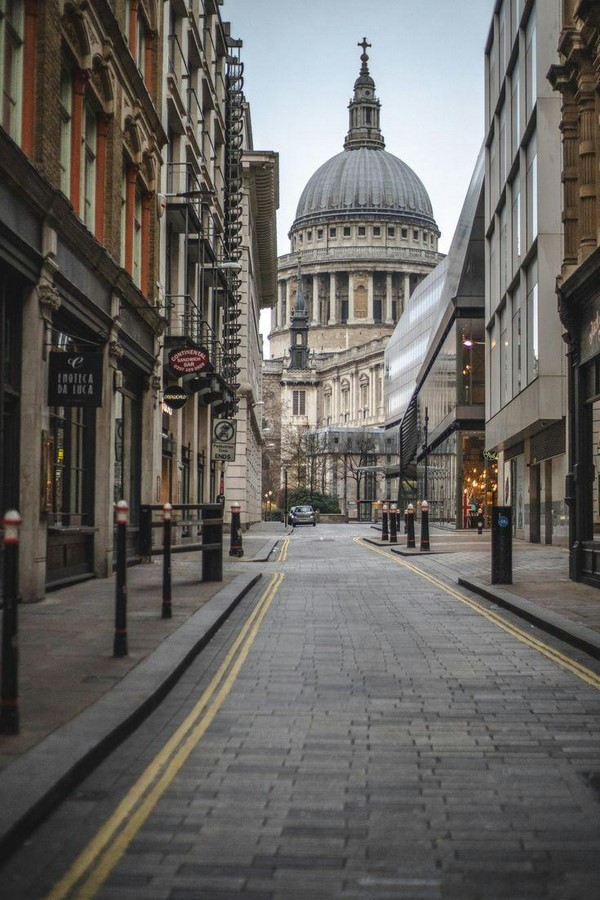
With the advancement of technology and the pace of construction in the modern era, time does not allow for sketching and manual drawing of buildings, and even if this issue is overcome, it is difficult to seek the limitations of manual drawing and the natural desire of human beings to observe the facts. We would not have a comprehensive grasp of the continual architectural works in various regions of the world, such as rural villages in lesser-known nations to the centre of New York’s Manhattan if the camera and the art of photography were not present.
The Essence of Design
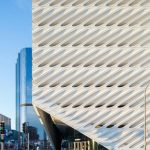
Architectural photographers’ major responsibility is to express the vision of architects and designers. Their compositions are innovative and use unusual viewpoints, different lighting conditions, and unconventional compositional strategies to capture the essence of design. In addition to emphasizing the ethos of a building, they also illustrate its function and the emotions it is meant to evoke.
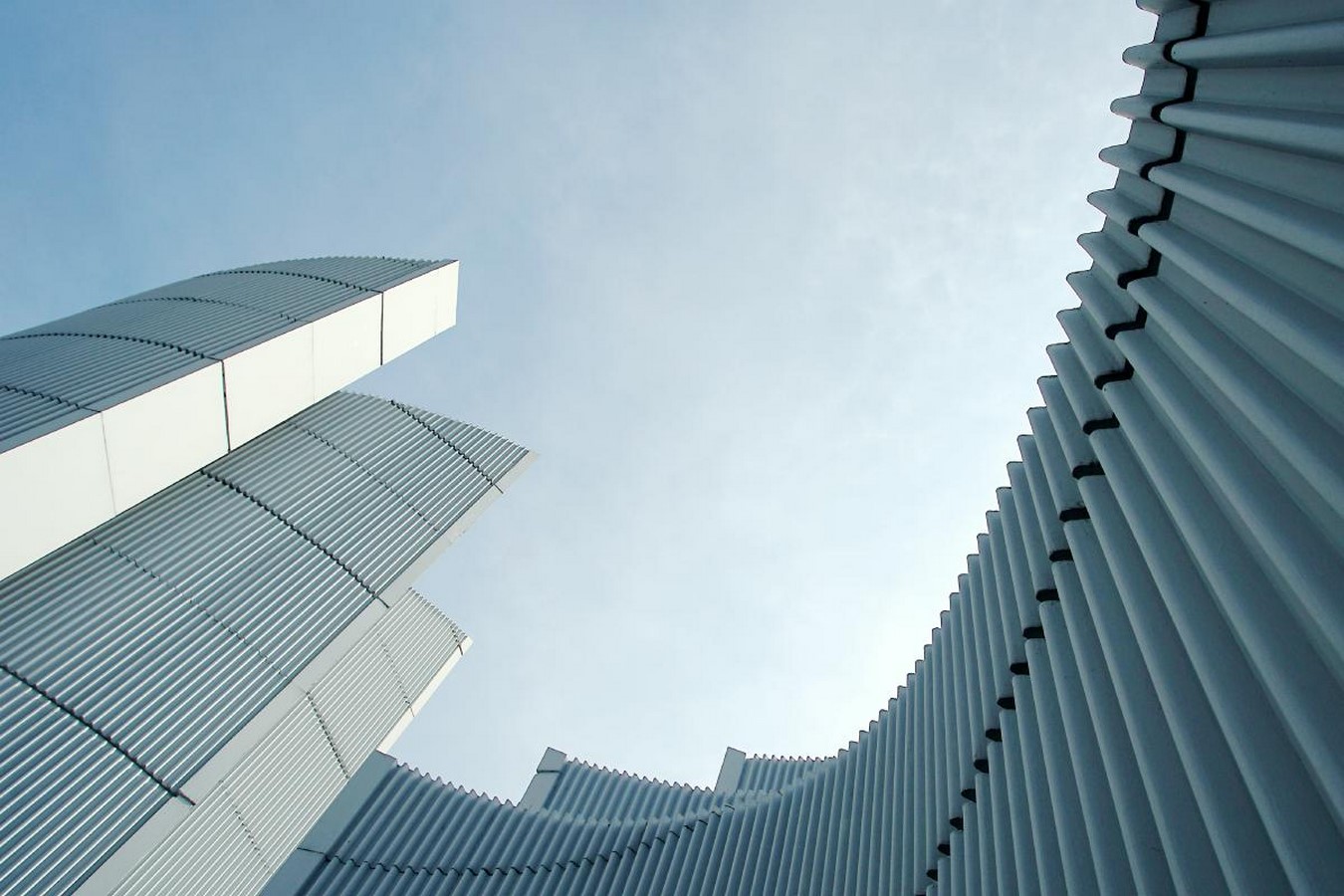
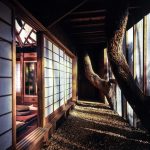
In architectural photography, the interplay between light and shadow is one of the most captivating aspects. The use of natural and artificial light is an essential part of the artistic process for architectural photographers, much like for painters. The same structure might seem completely different at different times of the day or in different seasons based merely on the light it reflects or absorbs.
Architecture and photography have had a close association since the invention of photography. During the twentieth century, architectural pictures were utilised for archiving, preservation, history, and presentation, as well as as a design tool. Around the beginning of the century, the availability of printed media limited the distribution of architectural imagery.
Thanks to digital communication technologies, architectural images are currently being distributed and exchanged at an unprecedented rate. As a result, not only professional architectural shots but also numerous photographs taken by building users or visitors began to spread. As a result, not only has the audience changed, but so have the architectural consumption and production processes.
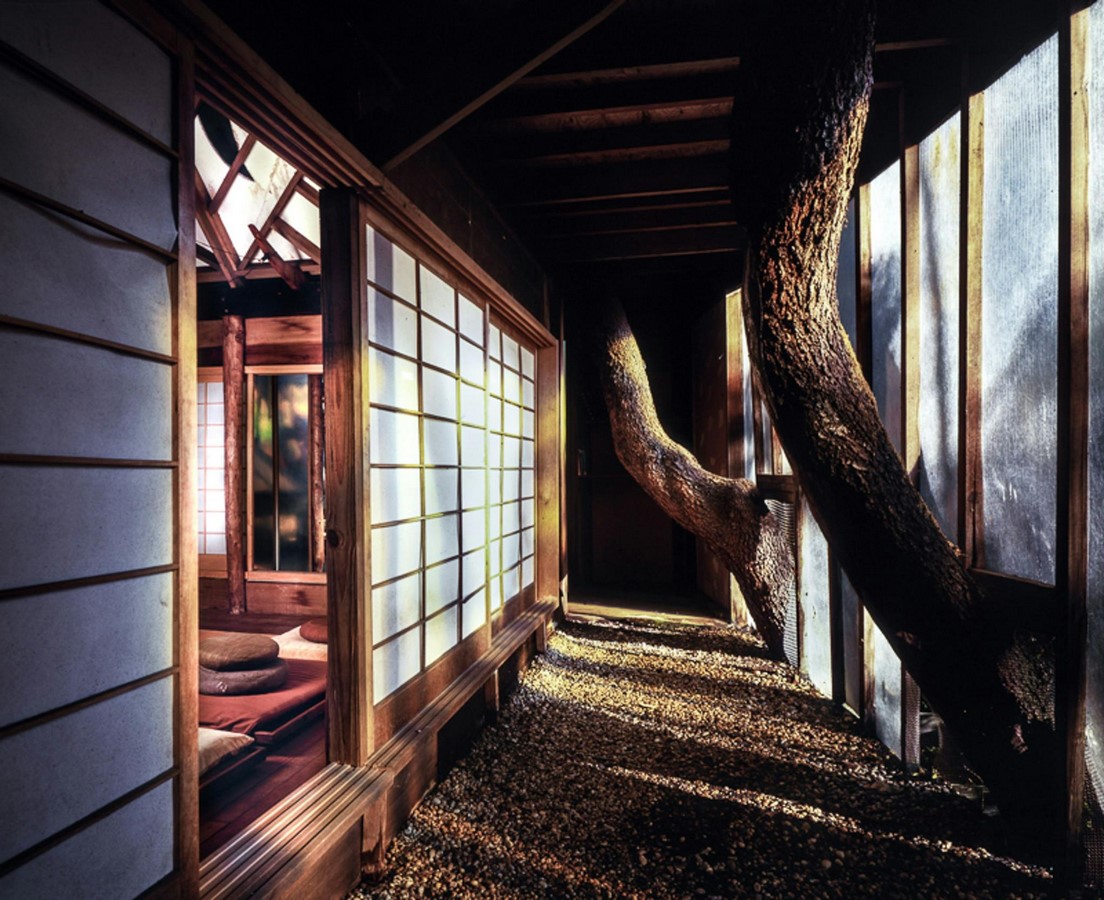
Storytelling through Spaces
Every structure has a tale to tell. There is a narrative to be told whether it is an antique temple echoing centuries of history and culture or a contemporary skyscraper expressing the ambitions of a new age. When done artistically, architectural photography conveys these stories, transporting viewers over time and place.
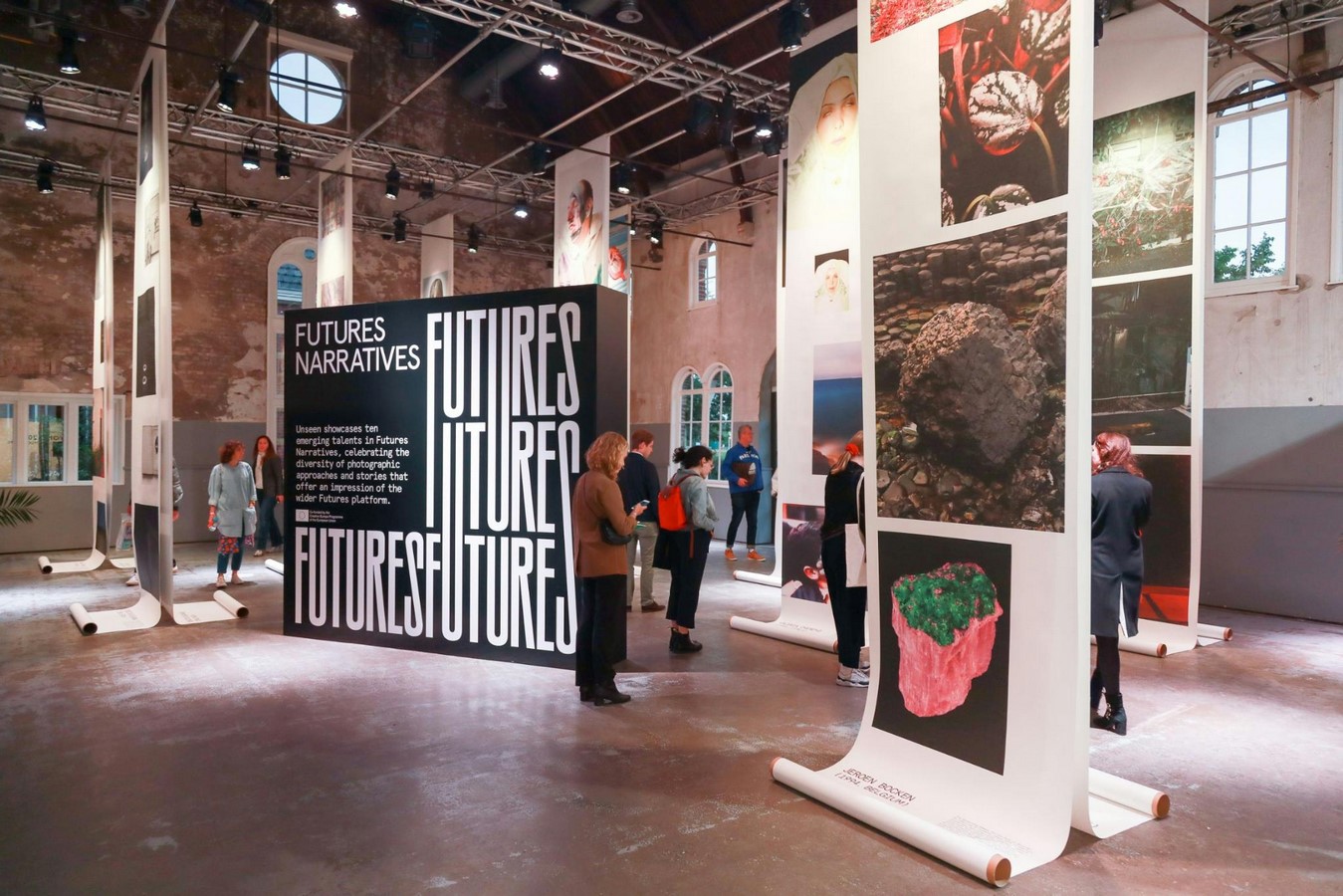
In our hectic lives, the built environment sometimes goes undetected. Our surroundings are surrounded by beauty when we are taking photographs of architecture. We are able to appreciate the finer details and think about the implications of every curve, edge, and corner, which instils a love of design and architecture in us.
When you take a moment to explore architectural environments, it’s as if you’re entering a live tale created by both the architect and the photographer. These sites tell the narrative of concepts that began on paper, were built brick by brick, and were recorded via the lens. Each archway, window, and façade conceals a narrative – stories of building difficulties, an artist’s vision taking shape, or possibly communities that took refuge behind those walls. These wordless stories are given voice via the medium of photography.
A snapshot captures not just the physical substance of a region, but also its spirit, its historical echoes, present vibrancy, and future hopes. It’s a waltz of light, shadows, and emotions that elevates architectural photography above mere beauty to become a journey through the heartbeats of spaces and the tales they have to tell.
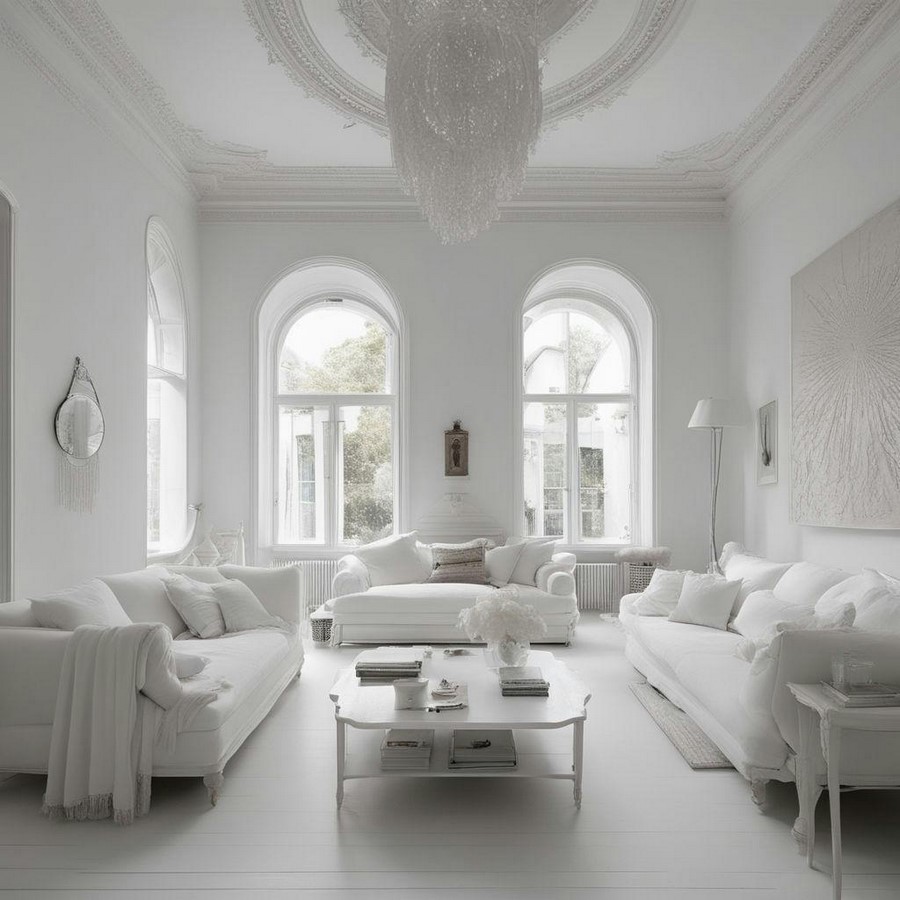
The Indispensable Role in Design Discourse
Architectural photographs are a significant presenting and reflection tool for architects and designers. Furthermore, by recording the evolution of design approaches and ideologies, these photographs serve as a repository for succeeding generations.
Architectural photographs are a significant presenting and reflection tool for architects and designers. Furthermore, by recording the evolution of design approaches and ideologies, these photographs serve as a repository for succeeding generations.
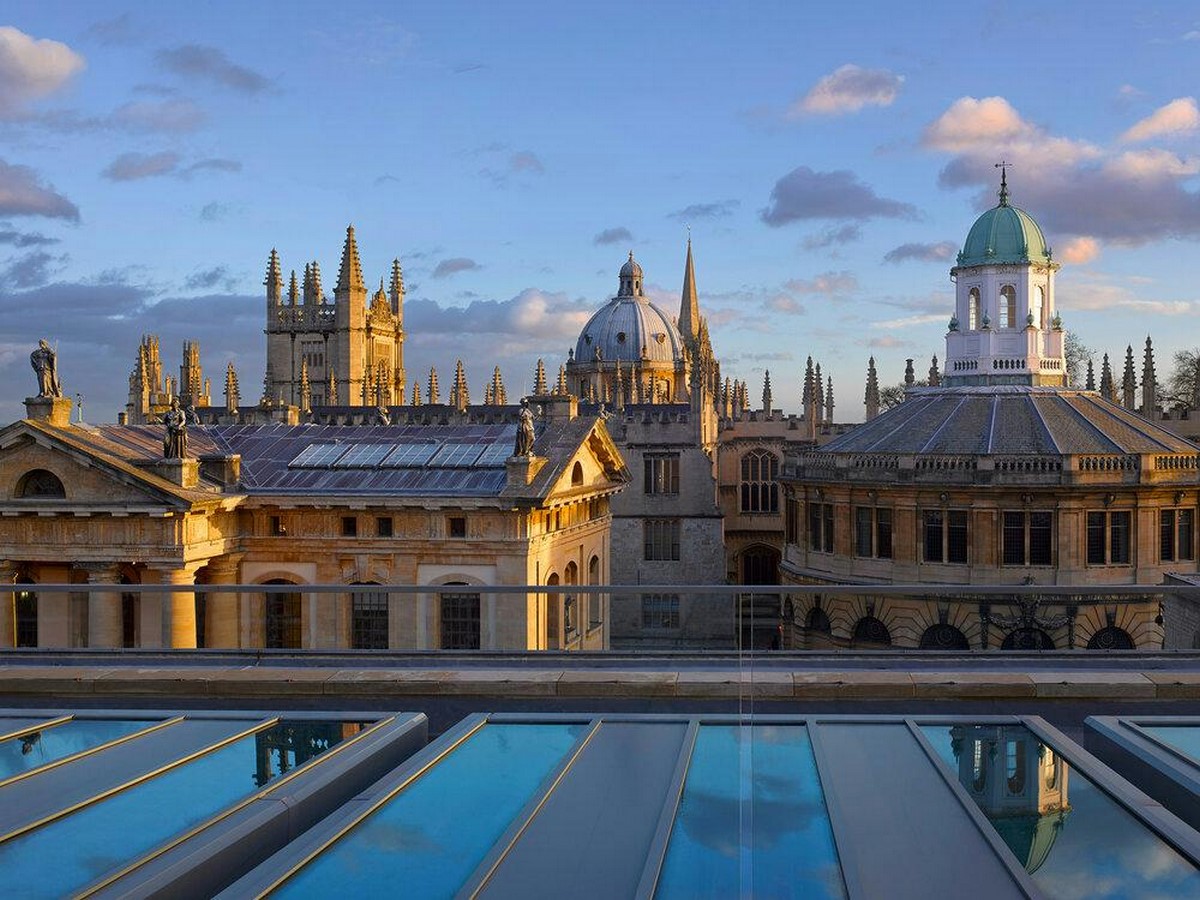
Lastly, architectural photography resides at the crossroads of art and design, bridging the gap between architects’ ambitions and public perception. It’s not only about recording architecture; it’s also about understanding and sharing the ethos, emotions, and stories they represent.
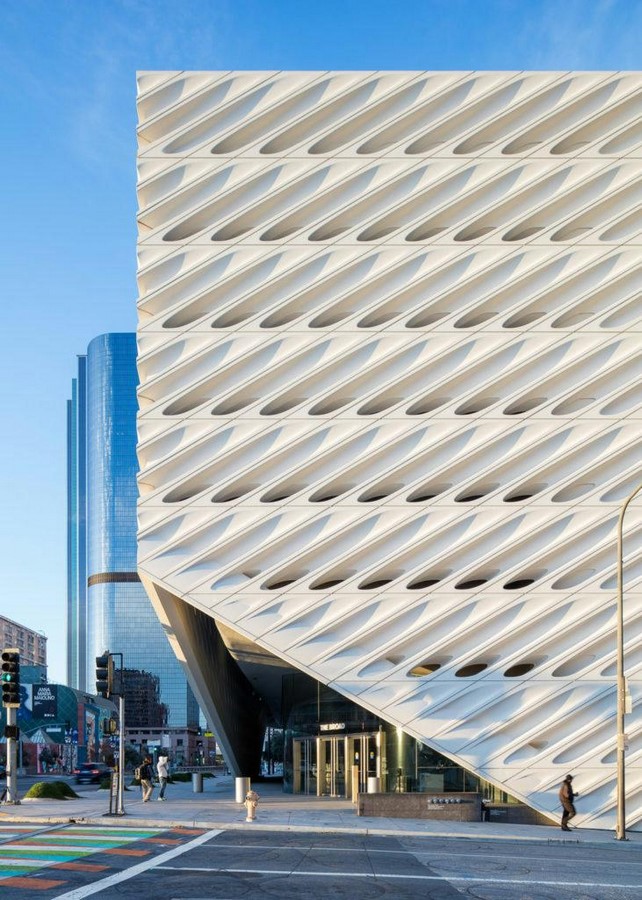
As one takes a step back and considers the art of architectural photography, it becomes clear that it is more than just bricks, concrete, and glass. It’s an imaginative dance between the photographer and the architect, where emotions, history, and vision come to life. These photographs draw the observer into a realm where the past, present, and potential future collide. They encourage us to look past the surface of things, to appreciate the workmanship of design and the stories that live behind walls and open spaces.
When I think of architectural photography, I see quiet stories waiting to be spoken, sunsets streaming over ancient temples, and morning light glinting off modern skyscrapers. It exemplifies humanity’s intrinsic need to create, to leave a mark, and to tell stories via stones and spaces. Thank you to all the architectural photographers out there for encouraging us to look closer, feel deeper, and appreciate the art that surrounds us every day. Your glasses bring the inanimate to life, making our world a more connected and beautiful place.
References:
Elwell, R. (2004. Building with Light: The International History of Architectural Photography by Merrell
Beaulieu, J. and Roberts, M. eds., 2002. Orientalism’s interlocutors: painting, architecture, photography. Duke University Press.
Martens, F., 2011. The aesthetics of space: Modern architecture and photography. The Journal of Aesthetics and Art Criticism, 69(1), pp.105-114.
Freitag, W.M., 1979. Early uses of photography in the history of art. Art Journal, 39(2), pp.117-123.
Barnbaum, B., 2017. The art of photography: A personal approach to artistic expression. Rocky Nook, Inc..
Harris, D., 2011. Case study utopia and architectural photography. American Art, 25(2), pp.18-21.